


Hertz has been hard at work over the last several years to modernize its business. That has come with some growing pains, particularly for some customers who have interacted with its AI inspection scanners. But, undeterred, it’s now forging on into the domain of autonomous ridesharing services, introducing a new subsidiary called Oro Mobility that is partnering with Uber.
This Quartz story on the announcement, which almost reads like one of those memes about the deluge of nonsense streaming services or B2B apps, says that Oro will be tasked with “the operational upkeep of Uber’s autonomous robotaxi program,” which involves Lucid cars running a self-driving hardware and software stack from Nuro.
However, until the autonomous side of things truly gets off the ground, Oro will also field a fleet of drivers it has employed that will be accessible through Uber. That service is already running in Los Angeles and San Francisco, and is scheduled to kick off in New Jersey before the summer.
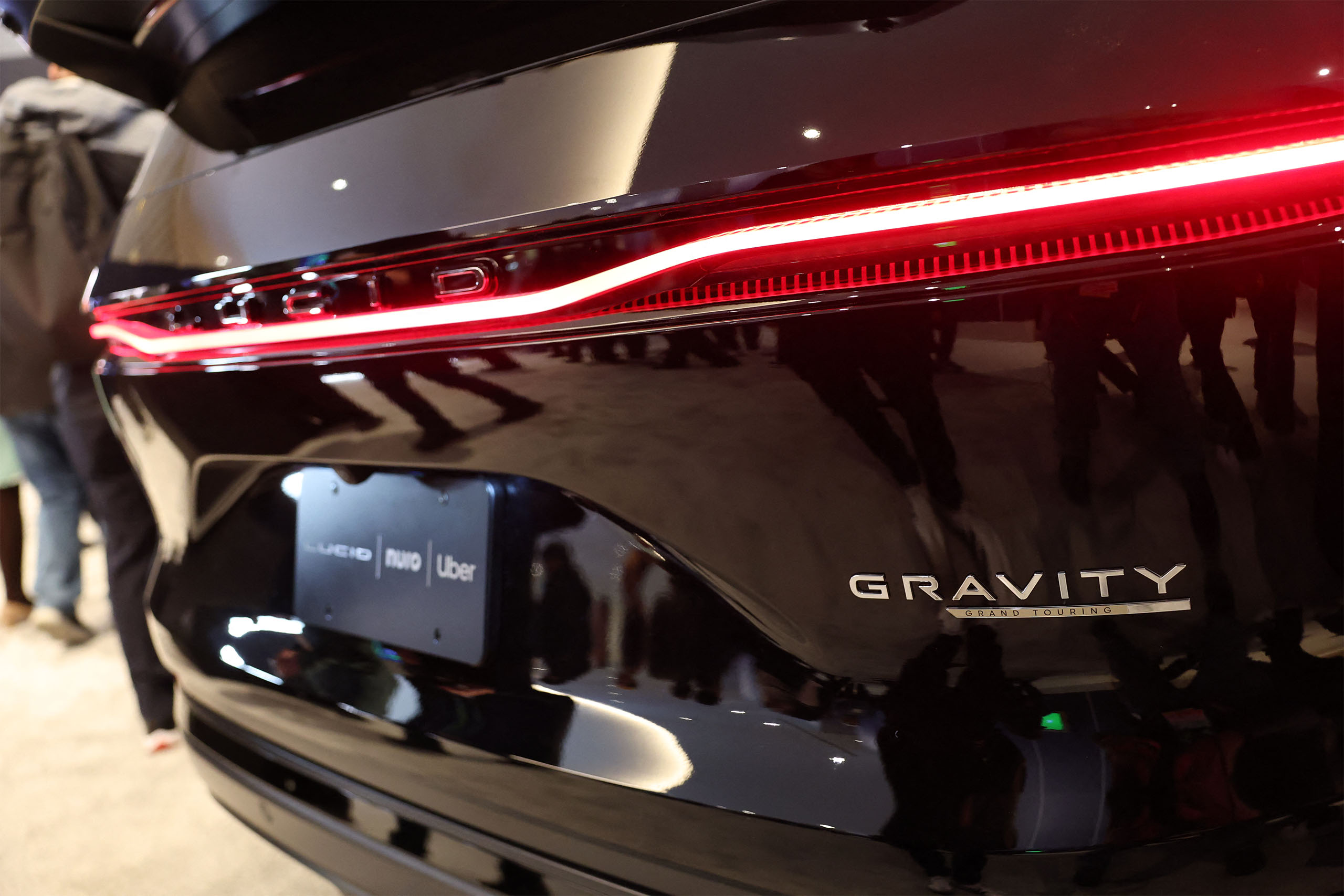
This all happens as Uber has become a major investor in Lucid, now owning 11% of the company. Last month, Uber committed to the purchase of “at least” 35,000 Gravity SUVs; to date, Uber has invested half a billion dollars into the luxury EV maker.
But, back to Hertz. As far as what “operational upkeep” describes, the rental giant said in a statement that Oro will be “providing day-to-day vehicle asset management, including charging, maintenance, repairs, cleaning, and depot staffing.” As easy as it is to get cynical about big corporations profiting off the gig economy, the move makes sense for Hertz; the way people interact with vehicles on an ownership and needs basis is changing, which means its business model is also changing.
But Hertz has tried to pivot before, given its forays over the last five years, or buying up plenty of Teslas and Polestars only to unceremoniously sell many of them off, leading to potentially great deals for shrewd buyers. However, as TechCrunch notes, Hertz isn’t the first player in its space that has shown up at the autonomous ridesharing party, as Avis made headlines last year for a similar deal with Google-affiliated Waymo.
Got a tip? Reach out to tips@thedrive.com
www.thedrive.com
#Hertz #Jumps #Scanners #Robotaxis #Uber #Partnership


