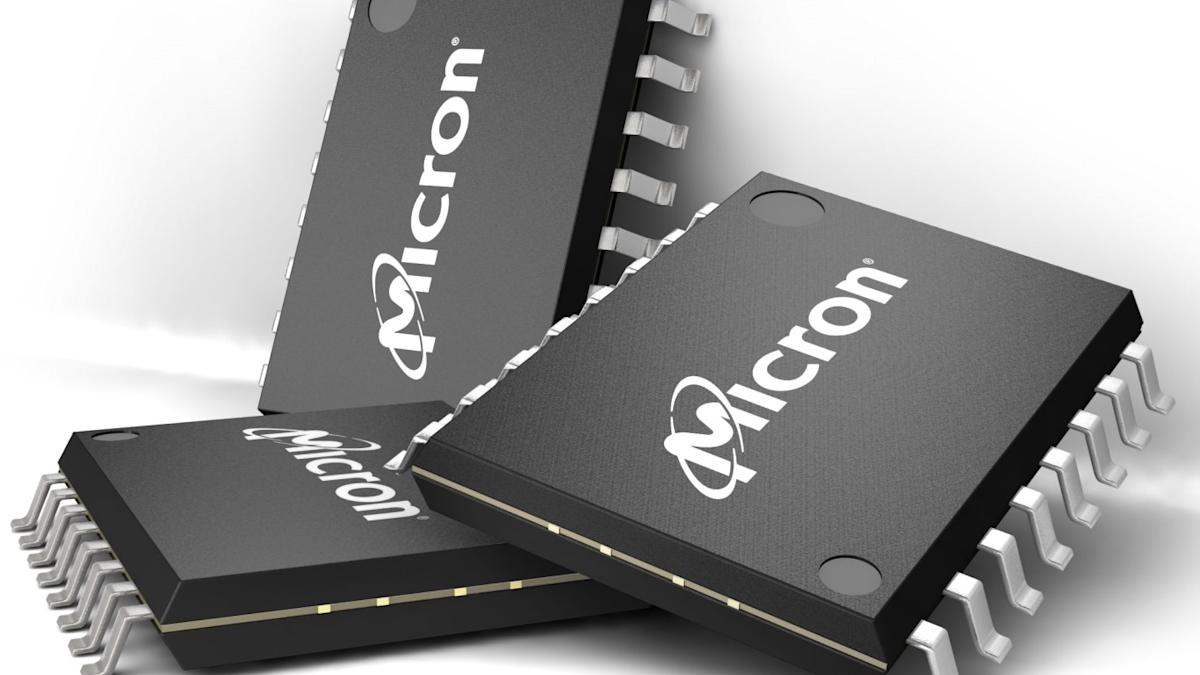

Micron Technology (MU) controls 23% of the global DRAM market and 12% of NAND flash.
UBS raised global HBM demand forecasts to 28 billion gigabits by 2026.
Micron trades at a forward P/E of 10 versus the semiconductor industry average of 25x.
If you’re thinking about retiring or know someone who is, there are three quick questions causing many Americans to realize they can retire earlier than expected. take 5 minutes to learn more here
Micron Technology (NASDAQ:MU) shares soared to an all-time high of $260 earlier this month, riding the wave of AI-driven optimism in the semiconductor sector. But like most chip and tech stocks, the memory chip maker has trended lower since, caught in broader market jitters over AI hype fears.
Last week, the selloff intensified, with Micron plunging 10% in a single session — triggered partly by Nvidia‘s (NASDAQ:NVDA) earnings report, which, despite beating estimates, highlighted rising costs and slower data center growth. Investors panicked, dumping memory plays like Micron amid fears of overcapacity. Yet this drop never made sense. Here’s why.
Micron stands out thanks to its commanding position in DRAM and NAND flash memory. DRAM, essential for temporary data storage in servers, PCs, and smartphones, accounts for over half of Micron’s revenue. The company controls about 23% of the global DRAM market, behind only Samsung and SK Hynix.
NAND flash, used for long-term storage in solid-state drives (SSDs) and mobile devices, adds another 40% to sales, with Micron holding a 12% share. These segments benefit from cyclical upturns, but AI is turning cycles into a structural boom.
What sets Micron apart is its pivot to high-bandwidth memory (HBM), the ultra-fast DRAM variant critical for AI accelerators. HBM enables the massive data throughput needed for training large language models.
Micron began shipping HBM3E samples in 2024 and is ramping production this year, positioning it as a key supplier alongside SK Hynix. In the AI era, where Nvidia’s GPUs and Advanced Micro Devices (NASDAQ:AMD) Instinct chips demand terabytes of high-speed memory per rack, Micron’s HBM expertise locks in long-term growth.
Analysts project the HBM market exploding from $4 billion in 2023 to nearly $100 billion by 2030, with Micron capturing a growing slice through its advanced 1-gamma node tech, which boosts density and efficiency.
This dominance isn’t just defensive — it’s a growth engine. Micron’s fiscal fourth quarter results showed 46% year-over-year revenue growth to $11.3 billion, driven by AI server demand and strong data center sales, which now account for 56% of total revenue. Even as consumer markets like PCs and smartphones recover slowly, AI hyperscalers like Microsoft and Amazon are stockpiling Micron’s memory for cloud infrastructure.
finance.yahoo.com
#Selloff #Micron #Technology #Stock #Sense