(Bloomberg) — Oil edged lower in thin trading with US-Iran peace negotiatons on the ropes but still in play, leading some traders to peel back risk ahead of the weekend.
Most Read from Bloomberg
West Texas Intermediate fell as much as 5.5% on Friday, before retracing partly to trade near $102. Uncertainty over future supply has contributed to sharp price swings, depressing trading volumes. Markets are closed in many nations — including China, Singapore, Germany, France and Brazil — for Labor Day.
Iran said it is ready to continue diplomatic efforts with the US over a nine-week conflict that has upended global energy flows, but added that its armed forces remain “fully vigilant.”
US President Donald Trump, meanwhile, sounded a more pessimistic tone, saying Iran is “asking for things that I can’t agree with” — though some traders interpreted this as a negotiation tactic, not an abandonment of peace efforts.
He earlier said the US was sticking with a naval blockade of Iranian ports and was briefed on further military options.
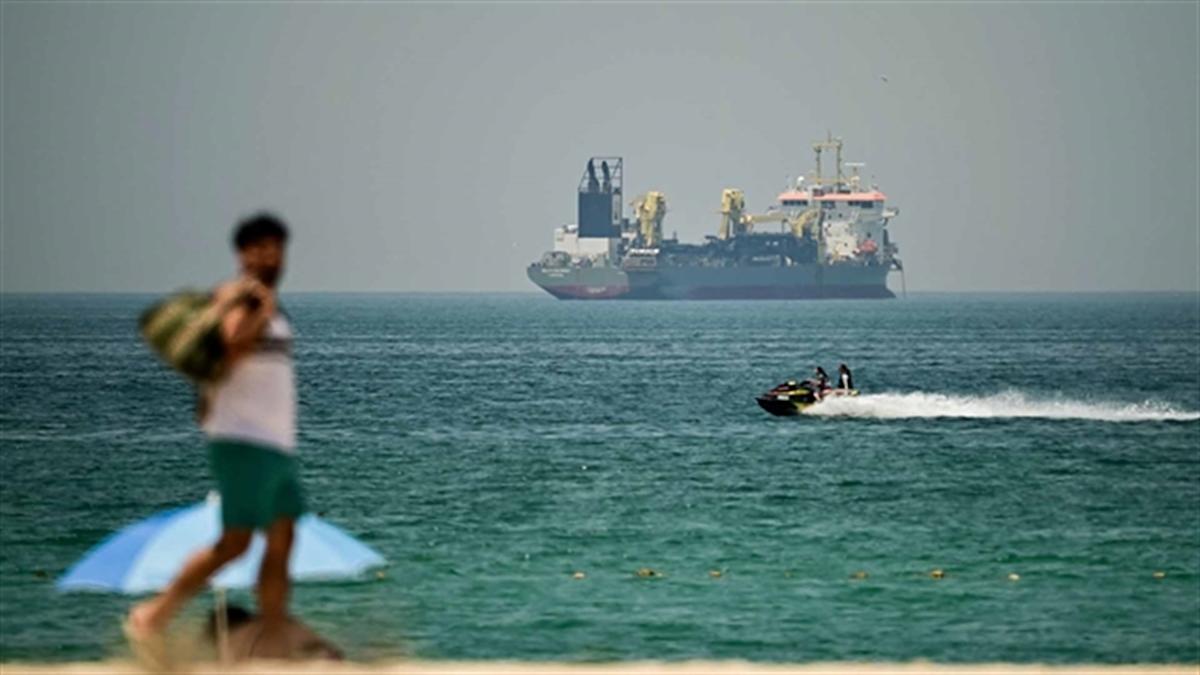
Control of the Strait of Hormuz has emerged as a key leveraging tactic between the warring sides, and its effective closure by both Iran and the US since the start of the conflict has ushered in a global energy crisis and fears of demand destruction and a hit to global growth.
WTI was still on track for a weekly gain of about 11% due to the unresolved conflict and the blockade of oil exports from the Persian Gulf.
Oil eased earlier in the session following headlines out of the Middle East indicating talks surrounding Iran’s nuclear ambitions — one of Trump’s stated reasons for launching the war — could be on the table. Adding to the slide, Iranian state media reported that Tehran relayed its latest position to Washington via Pakistan, which mediated a first round of direct negotiations last month, without elaborating on its contents.
“The market has started to wake up to the reality that it might take longer before oil starts flowing through the strait again,” said Jens Naervig Pedersen, a strategist at Danske Bank AS. “That will drain storage further. Higher prices are needed to make sufficient demand destruction to balance the market.”
Chevron Corp. Chief Executive Officer Mike Wirth told CNBC in an interview that the company is worried about global oil supplies running dry, and the threat to fuel demand.
finance.yahoo.com
#Oil #Falls #Hopes #USIran #Negotiations #Hormuz #Progress