


In the self-driving race Nissan’s preparing to take a massive leap in about a year with its next-generation ProPilot driver assist system. The automaker’s executive chief engineer said only Tesla and Wayve are on the level it’s about to play on. Big claims.
On Wednesday in Tokyo, Japan, Nissan’s Executive Chief Engineer for adaptive safety systems and software-defined vehicles Tetsuya Iijima told The Drive that the next-gen ProPilot Assist system will arrive in 2027. Japan will be the first launch market with others to follow “as soon as possible.” But the new system runs on upgraded hardware, new Nissan AI-based software, and according to Iijima, this technology is now “equal to or better than a human [driver].” And the engineering executive was ready to prove it with receipts.
After walking us through the hardware, software, and logic-based system Iijima took us for a 40-minute ride around Tokyo in a Nissan Ariya with a prototype version of the next-gen ProPilot. The drive included both city streets and highways in a completely uncontrolled test.
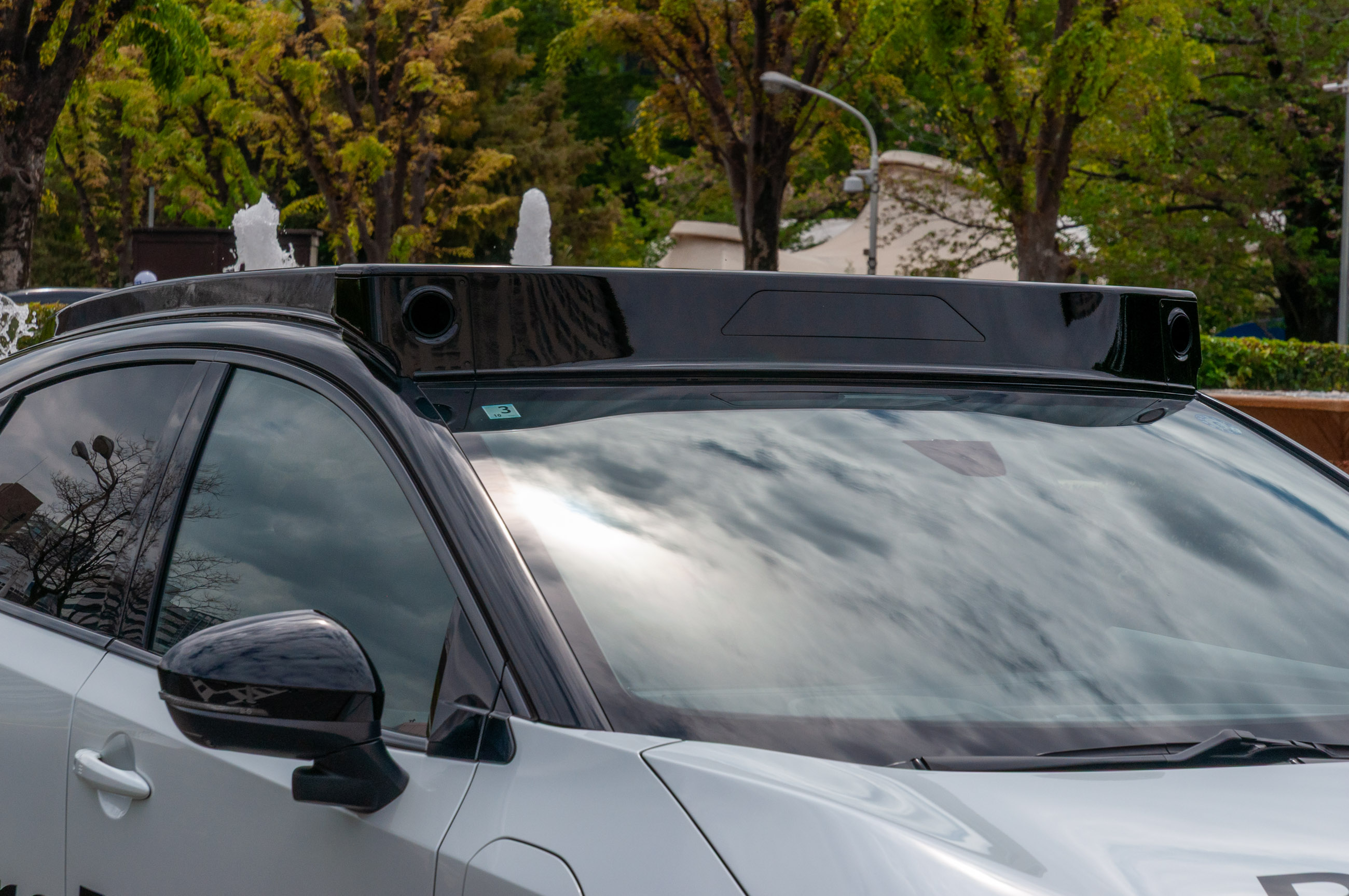
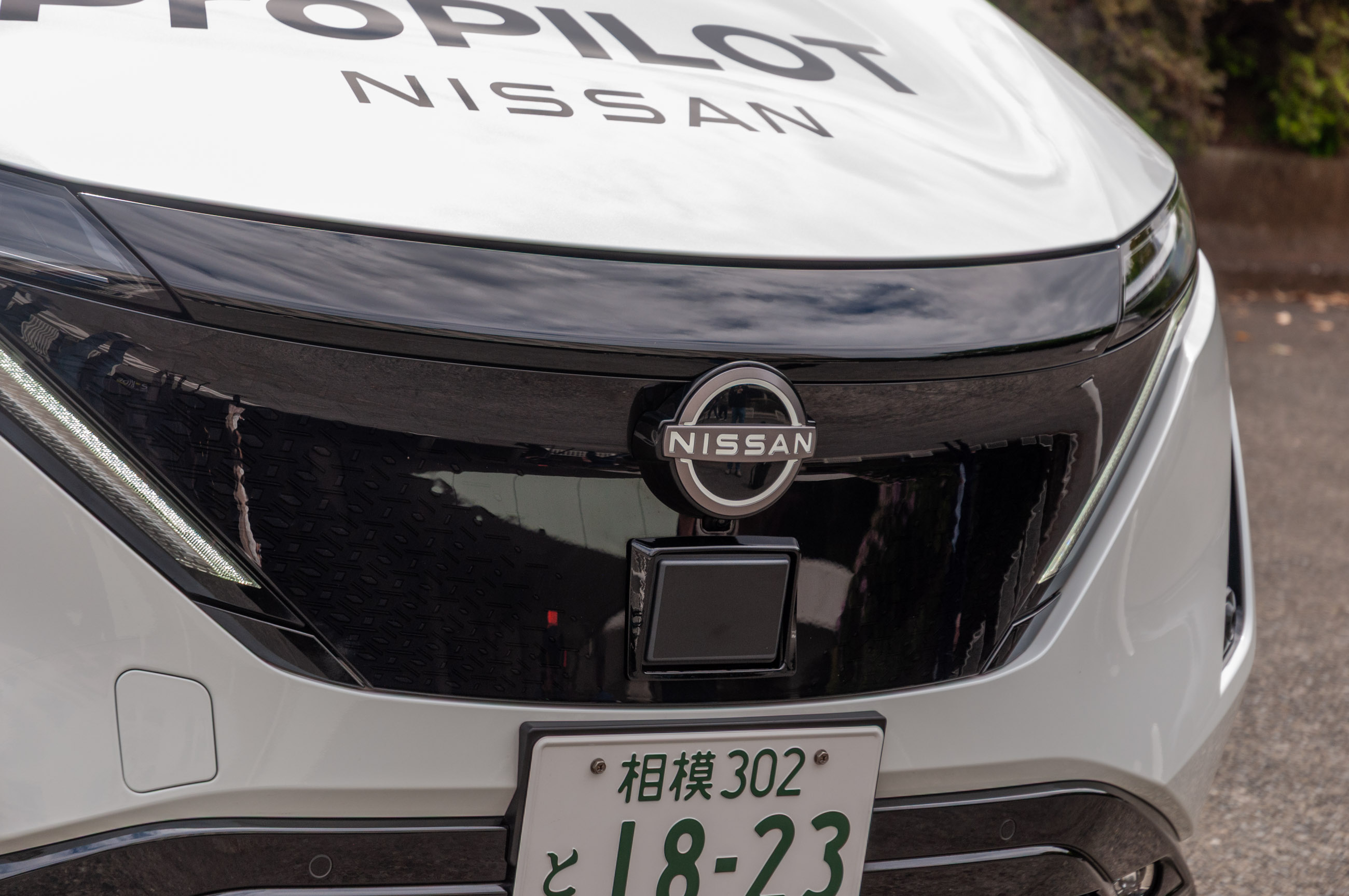
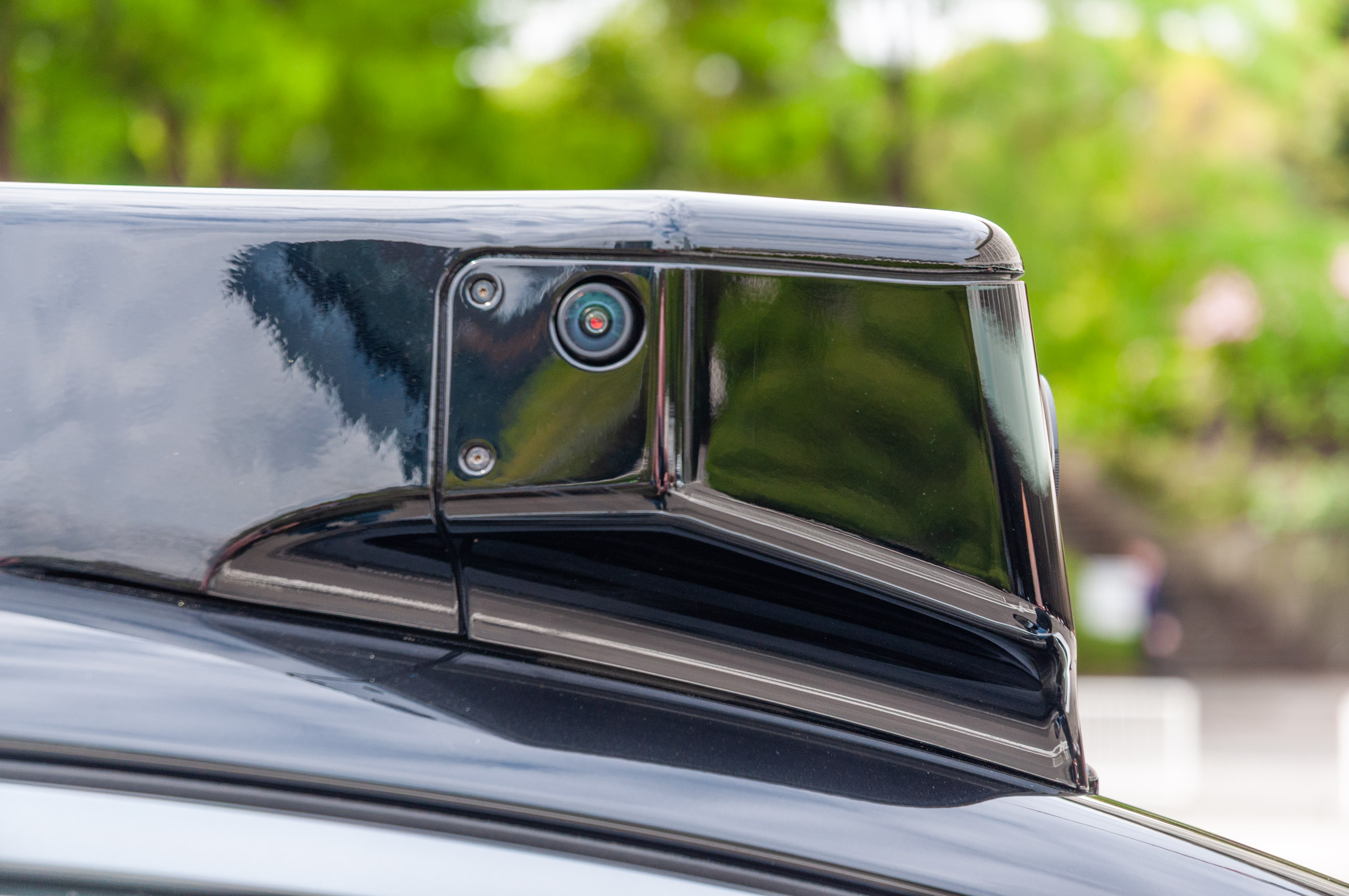
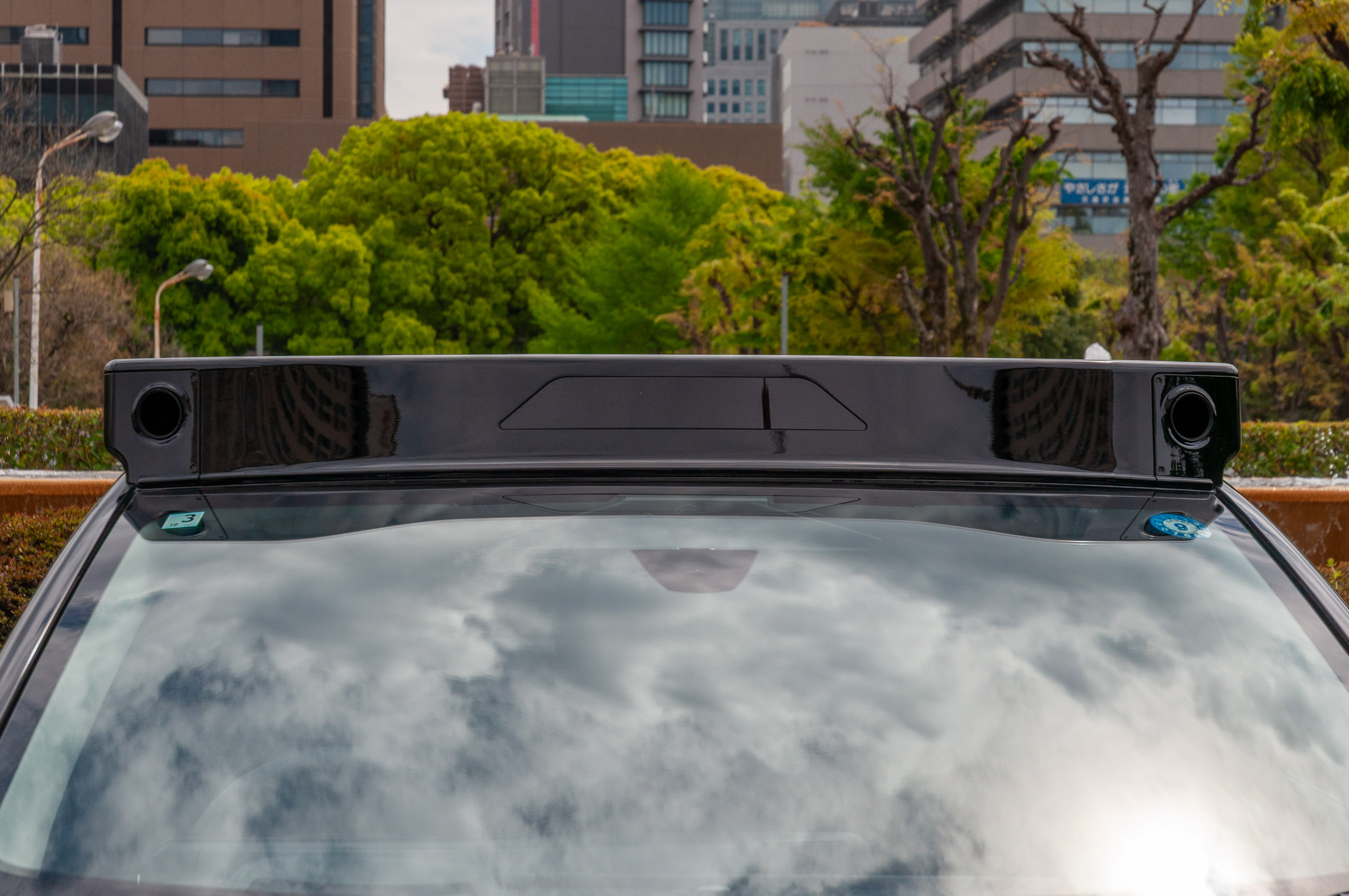
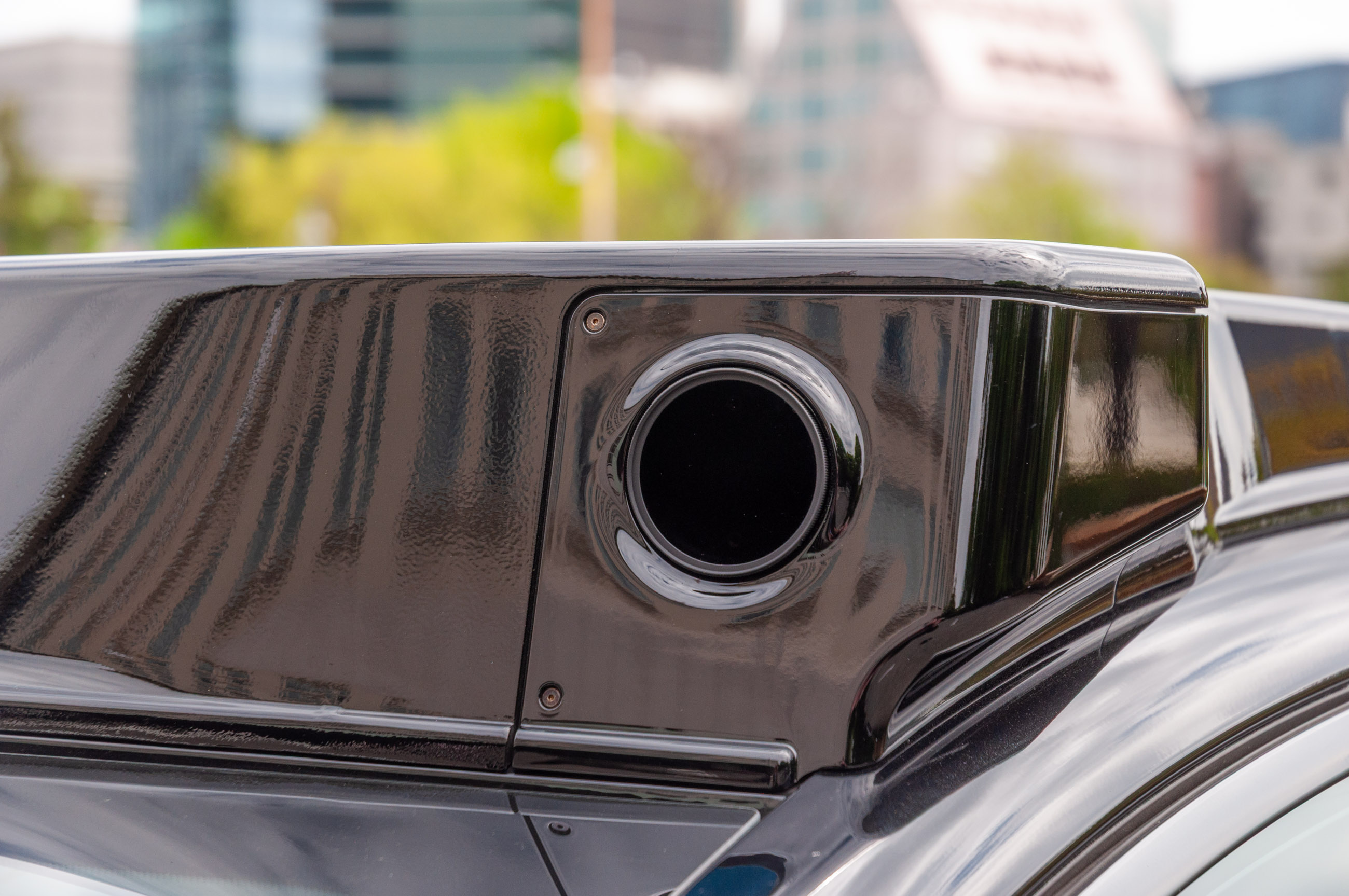
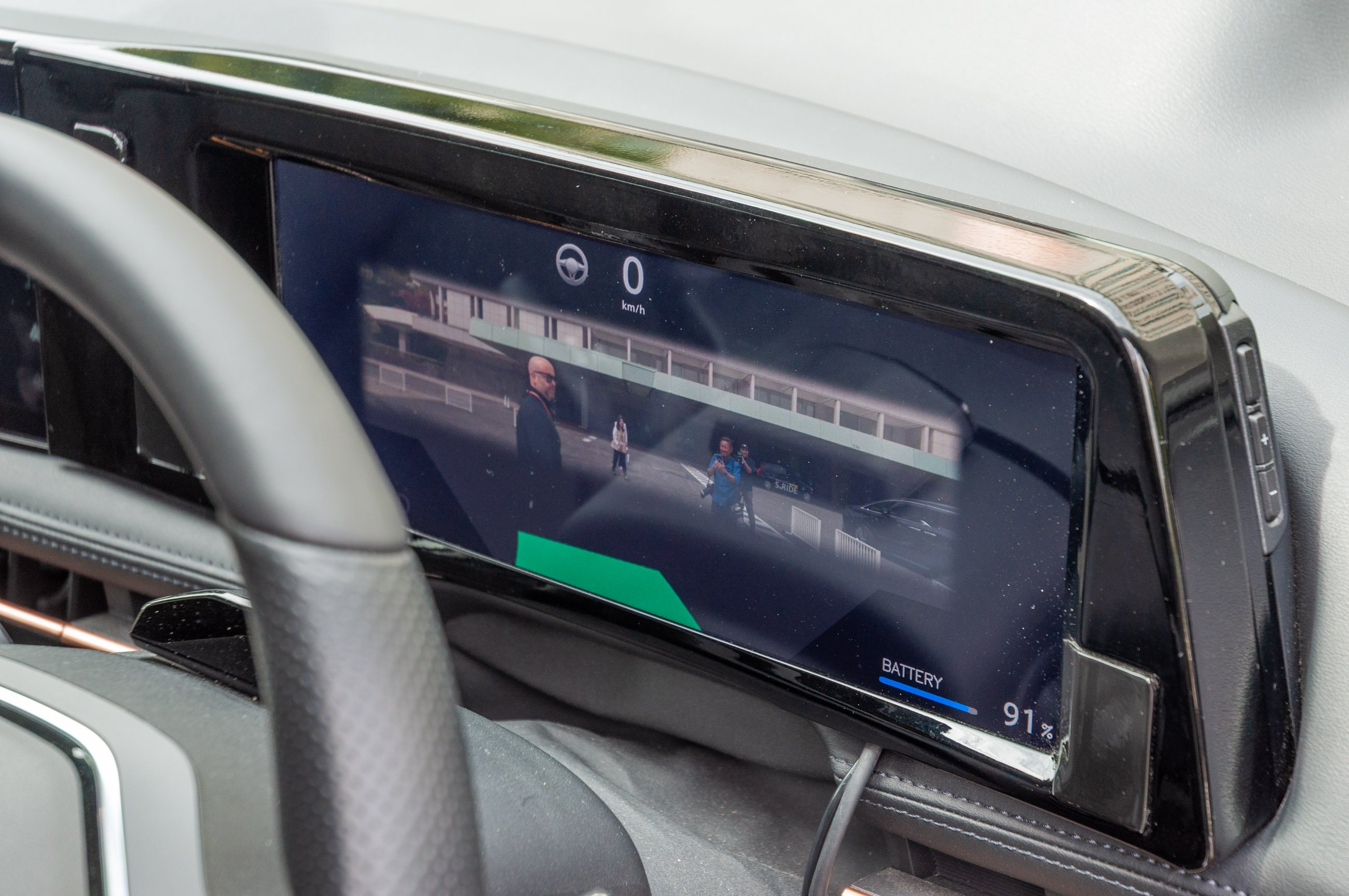
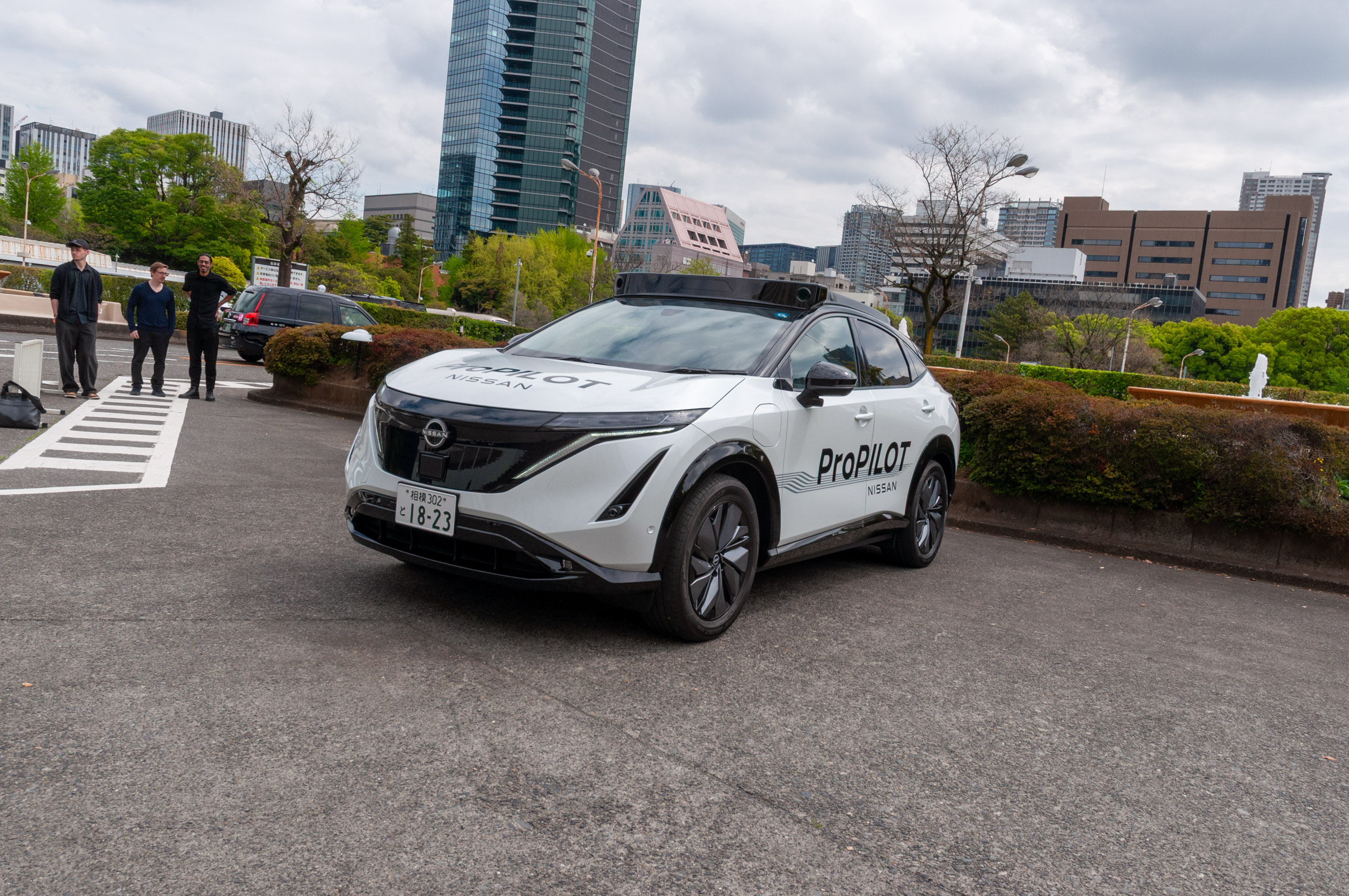
The Ariya test car equipped with the next-gen ProPilot Assist system looked like a production car we all know, that has now since been killed in the U.S., with an extra black box on the roof housing a sensor array. In production this array will be integrated into the car itself but the prototypes have it on top to make swapping and testing easier. All in there are 11 cameras, 5 radar units, and a Lidar unit. The latter matches what Rivian’s about to do with its upcoming self-driving hardware later this year on the electric R2 SUV.
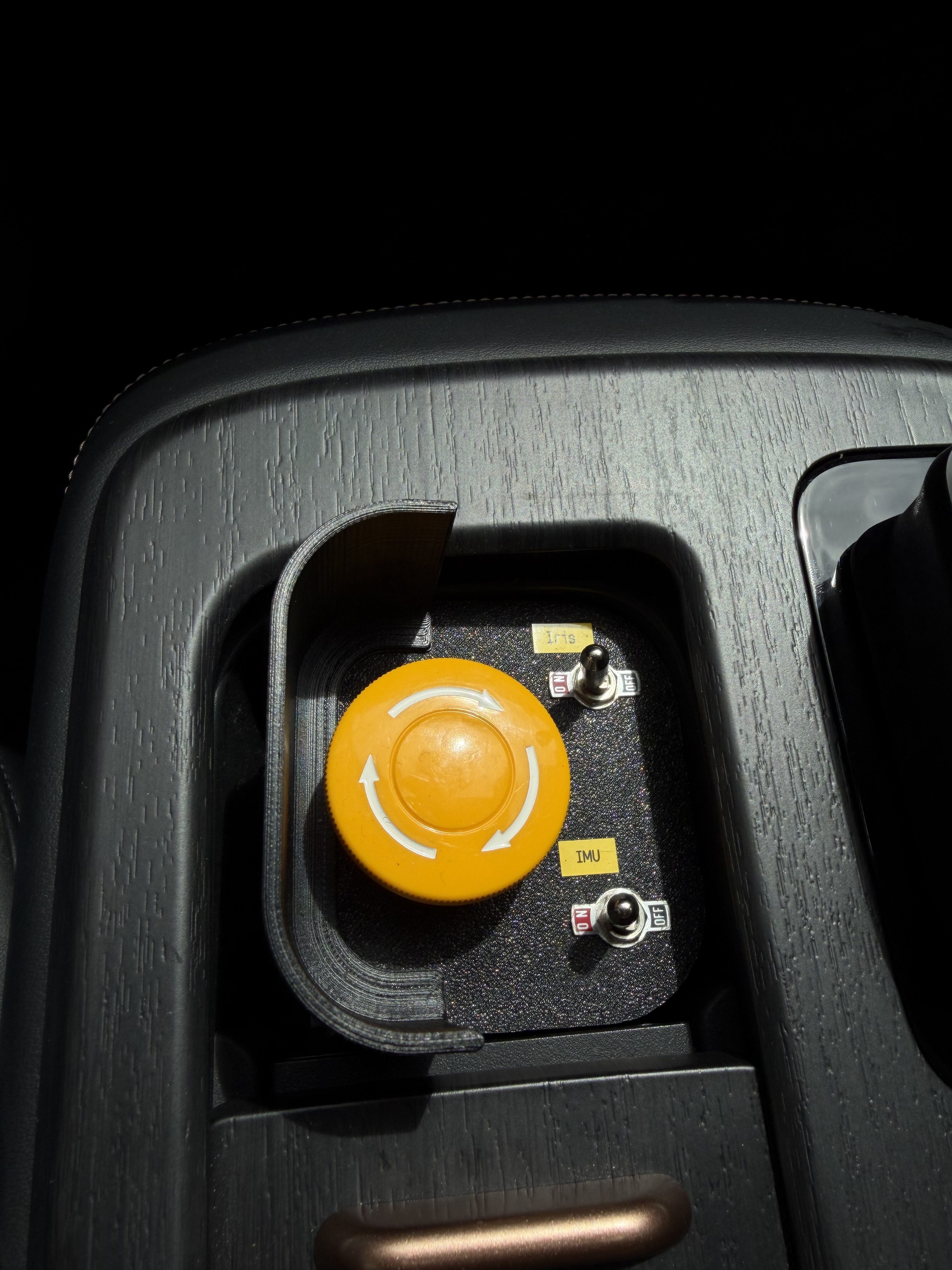
Once in the front passenger seat of the Ariya I knew this was a prototype thanks to a big yellow emergency kill switch hacked into the center console and two switches to kill systems should something go wrong. Nothing did, but safety first, especially on public roads.
When the system is in production the car will be able to start from where it’s parked and pull out of the parking spot, but because this is a test scenario Iijima guided the car manually from the parking spot to the front of the hotel entrance. From there he hit go on the touchscreen and the navigation took over with Iijima no longer having to touch the steering wheel, throttle, or brake again. Not once for the entire drive. Though, we all had a laugh when a police officer on a Honda motorcycle eyed us with a confused look as to what exactly was going on.
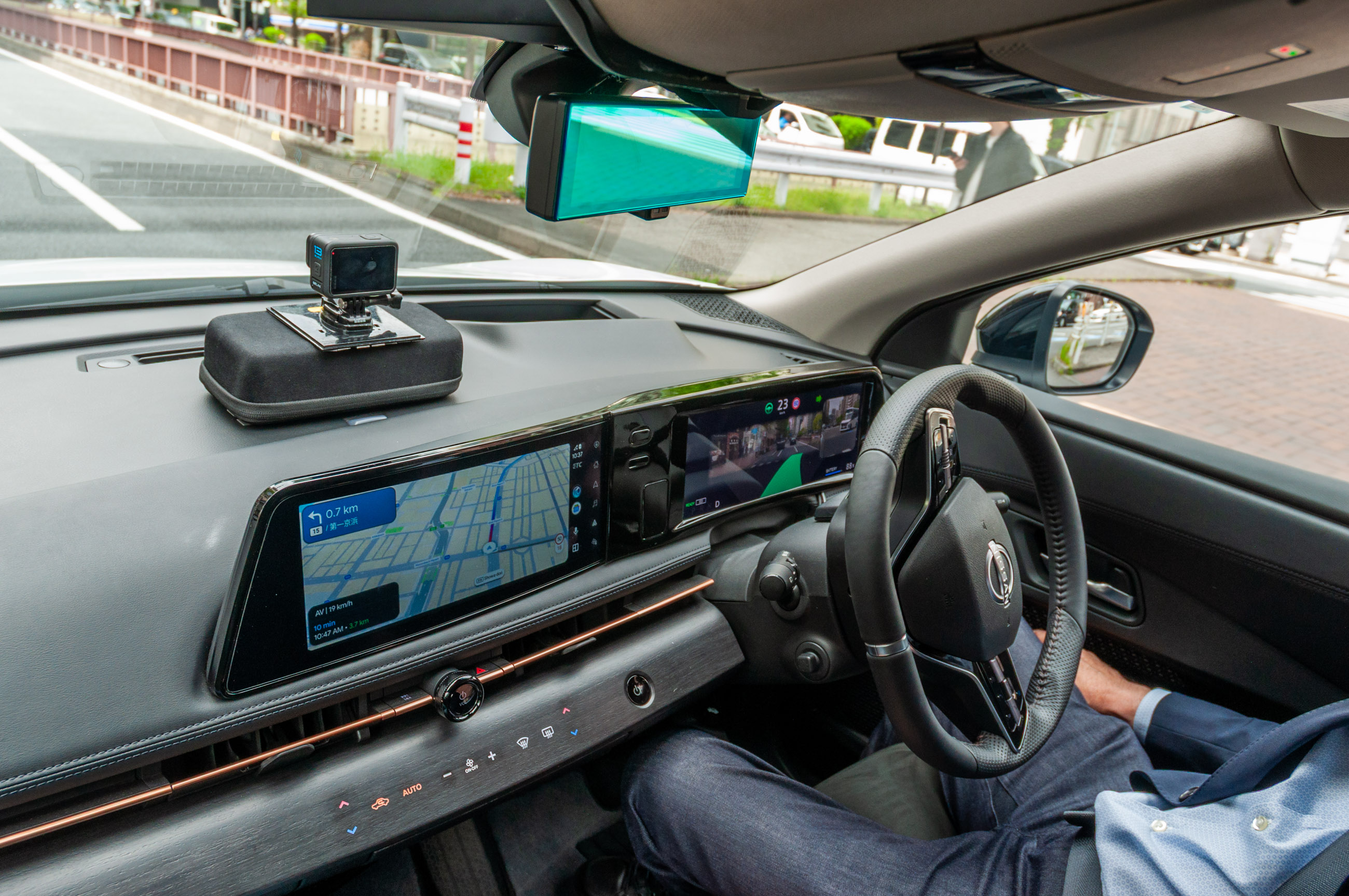
I witnessed the Ariya drive itself out of the hotel parking lot, stop at various stop lights at the appropriate spot, cross and navigate uncontrolled intersections while taking turns, deal with pedestrians running across the street outside of sidewalks, bicyclists, merging onto and off of the highway, going under bridges and through various lighting scenarios, none of which were staged and all were in real life, and get itself back to the front of the hotel.
Perhaps the most impressive, and hilarious, scenario we, and by we I mean the car, encountered was after taking a left onto a two-way street. There was a situation where the right side of the street was closed, making a portion of the street a controlled one-lane two-way situation via human construction workers with lit orange wands. A woman held up a wand and told us to stop and wait for oncoming traffic, the Ariya did, without ever honking at this person despite having to sit there for what felt like an eternity. When we were finally waved through the Ariya perfectly navigated itself through the construction setup despite a cement truck backing itself into the closed portion of the road adjacent to us. It was legitimately impressive. Iijima laughed and said Nissan didn’t pay for that situation to happen, but obviously how preposterous the situation became made one feel like it could’ve been staged as some absurd stunt. It wasn’t, which made it funnier.
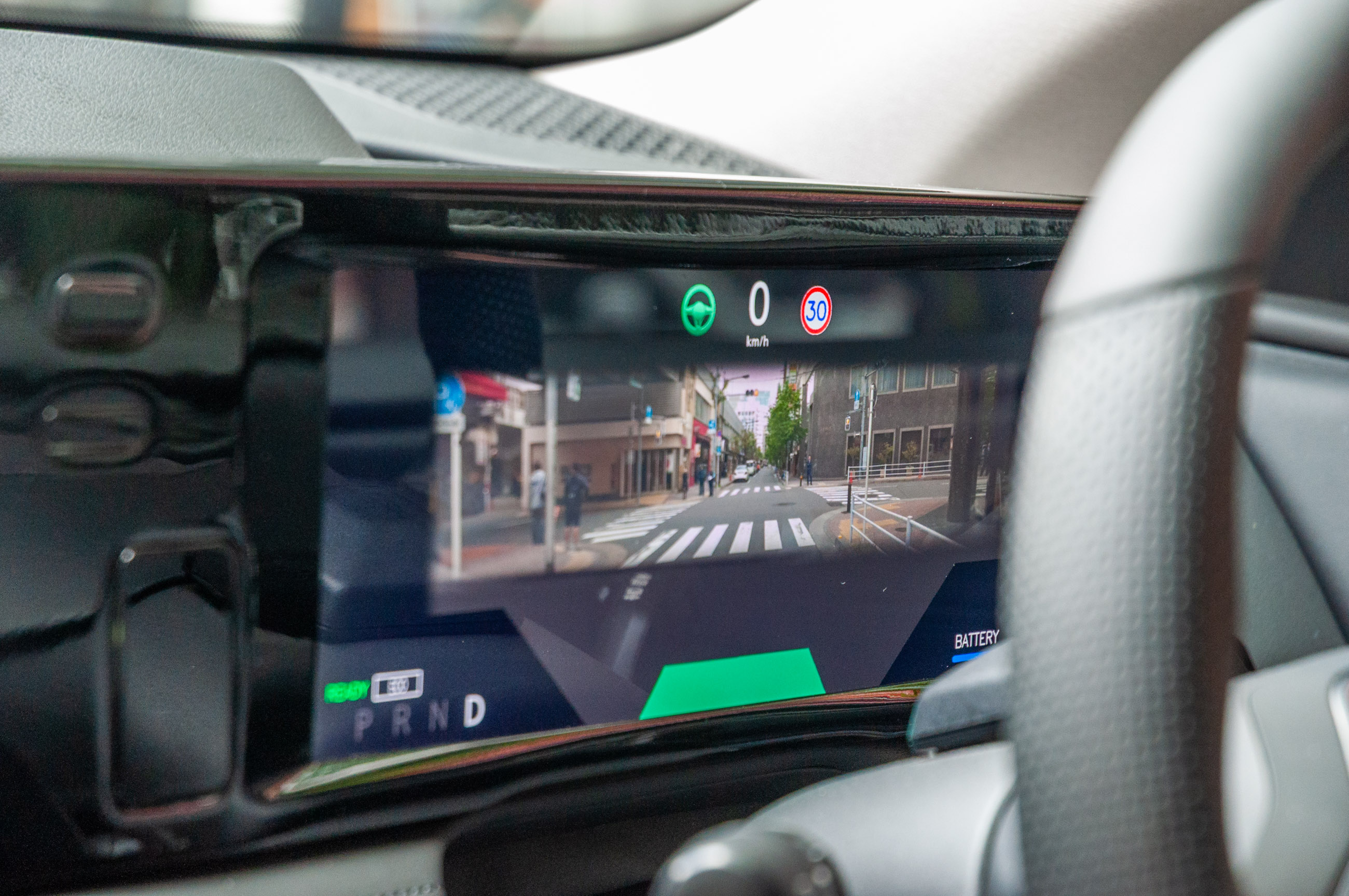
There were a few stop lights where the Ariya might’ve played it safe and stopped a few feet before where I might have, but that had to do with being cautious and what the cameras saw in terms of the painted lines, pedestrians, and overall situation. There was a situation where it yielded to a pedestrian where a more aggressive driver (why are you looking at me?) might have just kept going knowing it wouldn’t have hit the person, and there was a moment of extreme patience where someone wasn’t paying attention and didn’t go immediately when the light turned green. I would’ve honked the horn. The system absolutely plays in the safe zone, but one might argue playing it safe rather than fast and loose could be the difference between a driver-assist system getting you to your destination safely vs. crashing into the side of a white semi-truck.
Yes, the system can speed. Iijima said a user can program the system to go the exact speed limit, below the speed limit by a set amount, or above the speed limit by a set amount, but up to only 10 mph.
Iijima said the team is considering this system Level 4 capable in terms of self-driving technology, but it’s being deemed, called, and advertised as L2++. The reason comes down to both liability and the fact that some countries simply don’t have the legal framework setup for L4 systems yet, but the capability is there, as the engineer proved over the course of a 40-minute drive in Tokyo.
Nissan hasn’t decided how much the next-generation ProPilot Assist system will cost, but Iijima said it’s important to the automaker to make it a “reasonable price” as they are aiming for mass adoption. Nissan also hasn’t decided which vehicle the system will launch with in the U.S. market, but in Japan it will debut on the next Elgrand van.
Based on a brief 40-minute ride it did seem like the system I witnessed was as good a driver as a human. Frankly, better than some. Whether that speaks volumes about human drivers, the system, or both, is unclear.
Nissan provided The Drive with travel, accommodations, some raw food I definitely did not eat, and access to the vehicle for the purpose of writing this story.
www.thedrive.com
#Nissan #NextGen #ProPilot #Good #Human #Driver #Proved #Tokyo #Traffic


