


Whether you know the Lectron name or not, there’s a good chance you’ve used one of its EV charging adapters. The company makes many of the J1772/CCS-to-NACS and NACS-to-J1772/CCS adapters that EV drivers rely on. Now, Lectron has launched the NEXUS, its second-gen Level 2 home EV charger. I recently toured Lectron’s factory in China to see how the company has become a go-to supplier for both EV drivers and automakers like Ford, GM, and Mercedes-Benz.
When we met with Lectron CEO Chris Maiwald, he stressed that quality and safety drive every stage of the company’s manufacturing process. He said it starts with the design phase, where engineers look for potential problems before a product ever reaches production. Next comes process failure mode analysis, in which the engineering team identifies where things could go wrong on the production line and puts safeguards in place to prevent those issues.
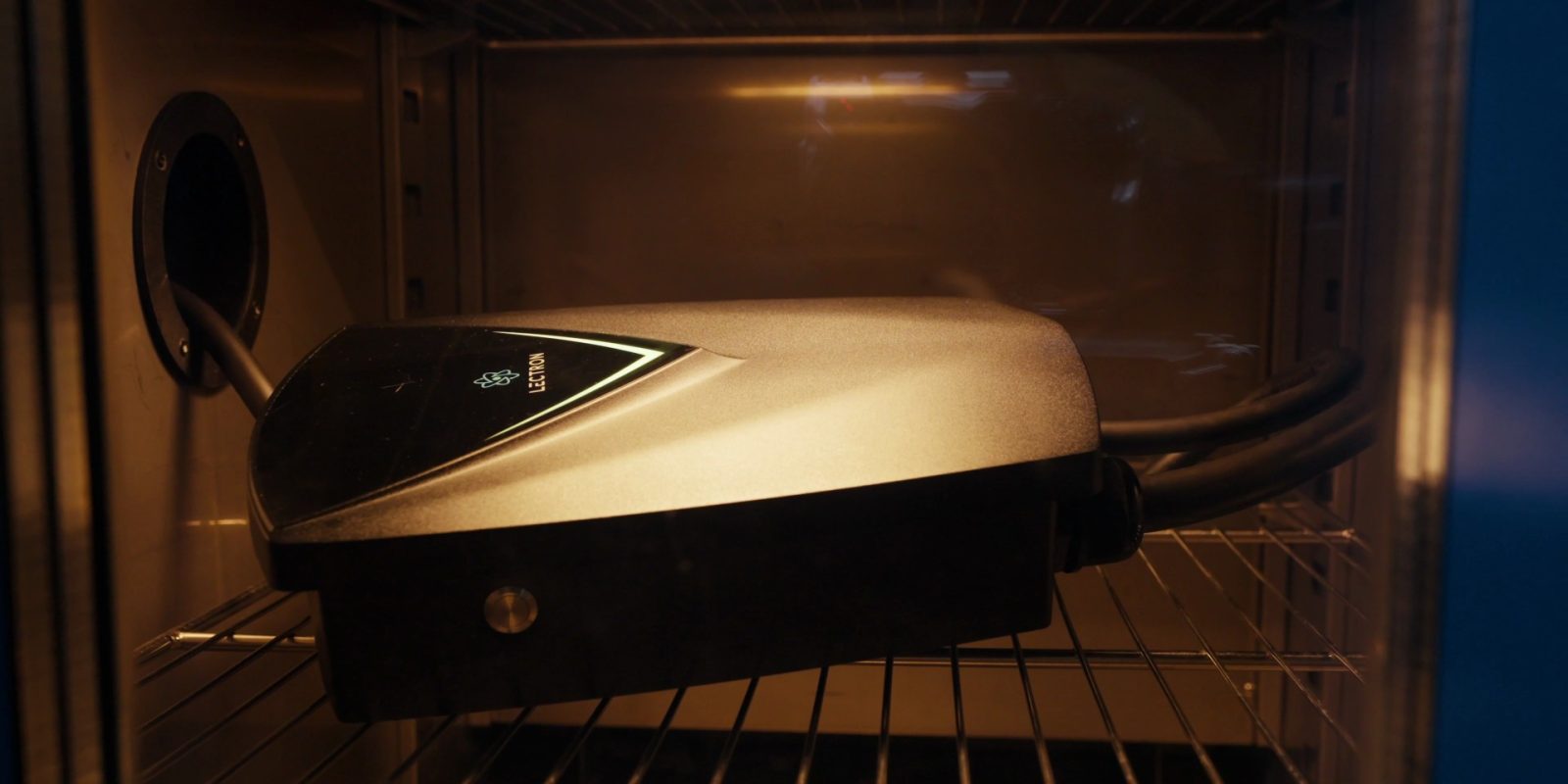
Finally, every charger goes through end-of-line testing. Each unit is checked for electrical performance, and Lectron also carries out IP rating verification, aging chamber testing, and other durability tests as part of its quality-control process.
Lectron got its start selling directly to consumers through retailers like Home Depot and Amazon. Today, it’s quietly become a supplier to more than 15 global OEMs. Its charging adapters may look like simple pieces of plastic, but each one contains around 60 components. Before an automaker’s logo is ever put on an adapter, OEM engineers thoroughly vet Lectron’s manufacturing and testing processes. That means Lectron isn’t just building products to its own standards – it also has to satisfy some of the toughest quality requirements in the auto industry.
Lectron says it applies the same rigorous standards to its EV chargers. That approach appears to be paying off: In April, The New York Times‘ Wirecutter named Lectron’s portable Level 1 & 2 EV charger “the best J1772 charger to carry with you.” The company’s latest product is the second-generation Lectron NEXUS home EV charger, and I got to see it assembled during the factory visit in China.
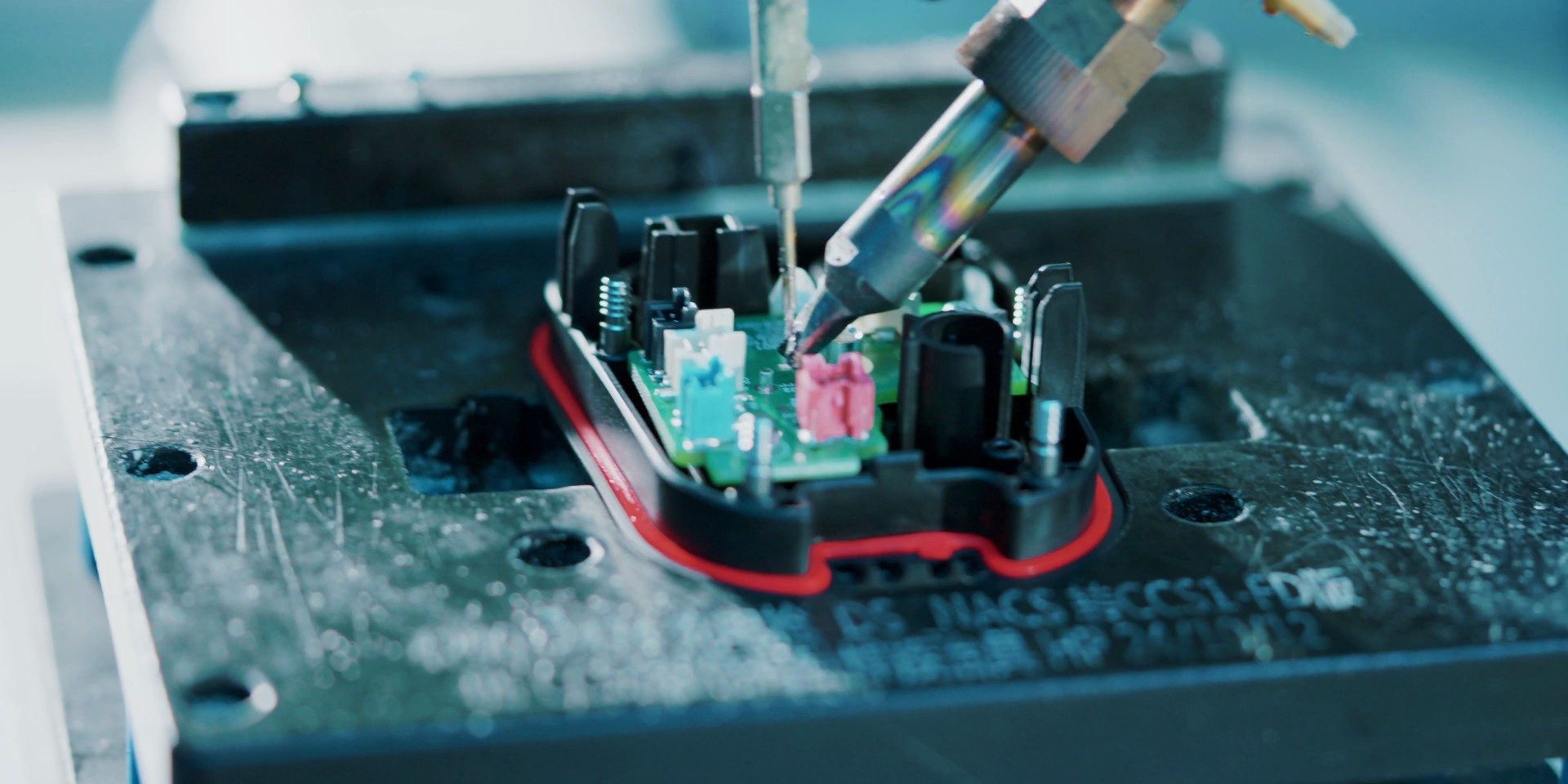
Lectron handles its own printed circuit board assembly (PCBA) in-house, which was our first stop. After suiting up in cleanroom gear that made us look like extras from Willy Wonka‘s TV room, we stepped into a meticulous production area filled with the constant hum of automated equipment. Watching the PCBA line in action was mesmerizing – robotic arms and high-speed machines placed tiny components with incredible speed and precision.
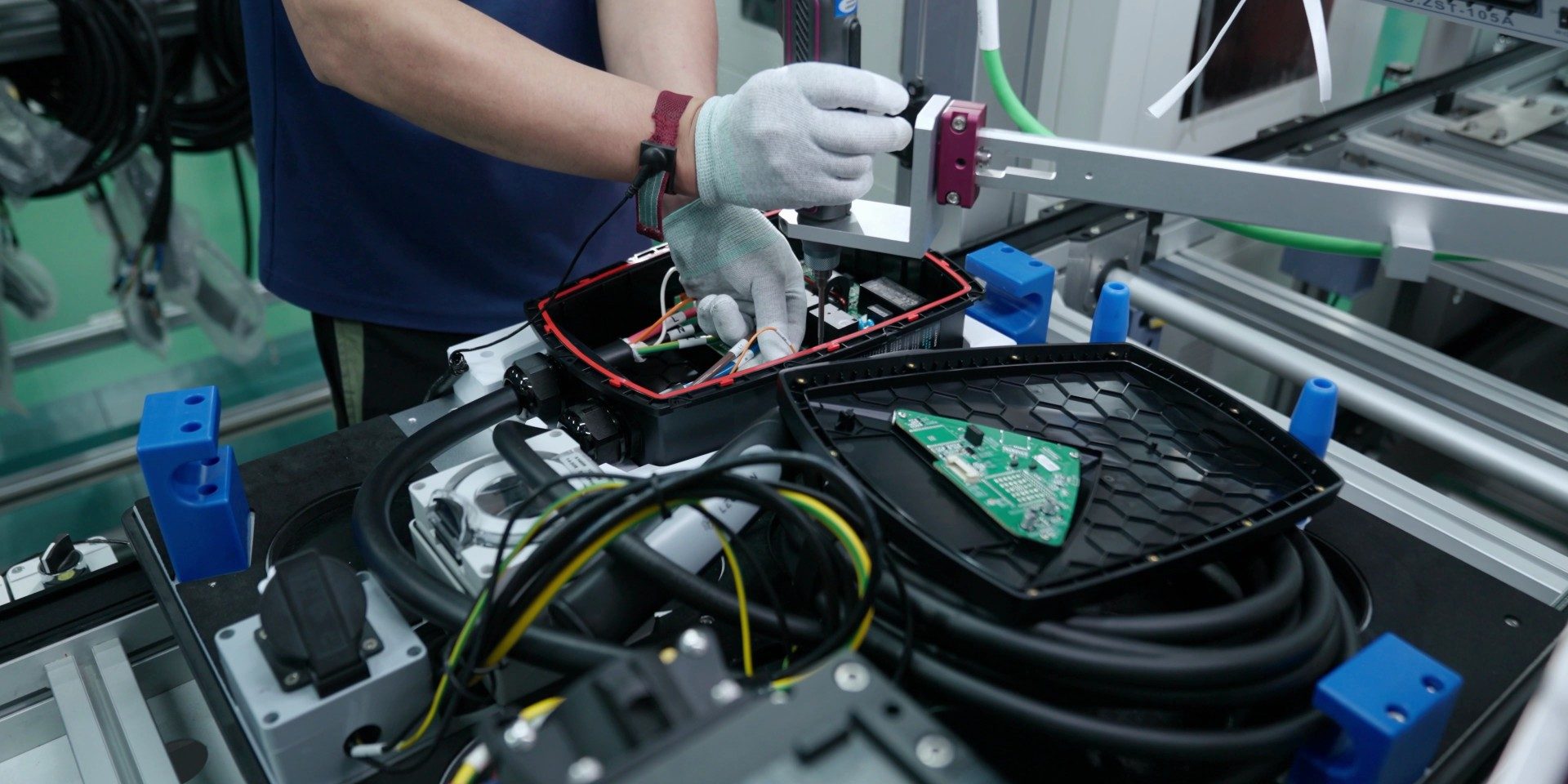
That same blend of automation and human oversight continued on the EV charger assembly line. Every charger has a unique serial number, and every step of the build is digitally logged – right down to the quarter-turn of a screwdriver. Cameras also capture images of the charger’s internal layout at multiple stages of assembly. If an issue ever crops up, technicians can trace exactly how that unit was built and quickly pinpoint what went wrong.
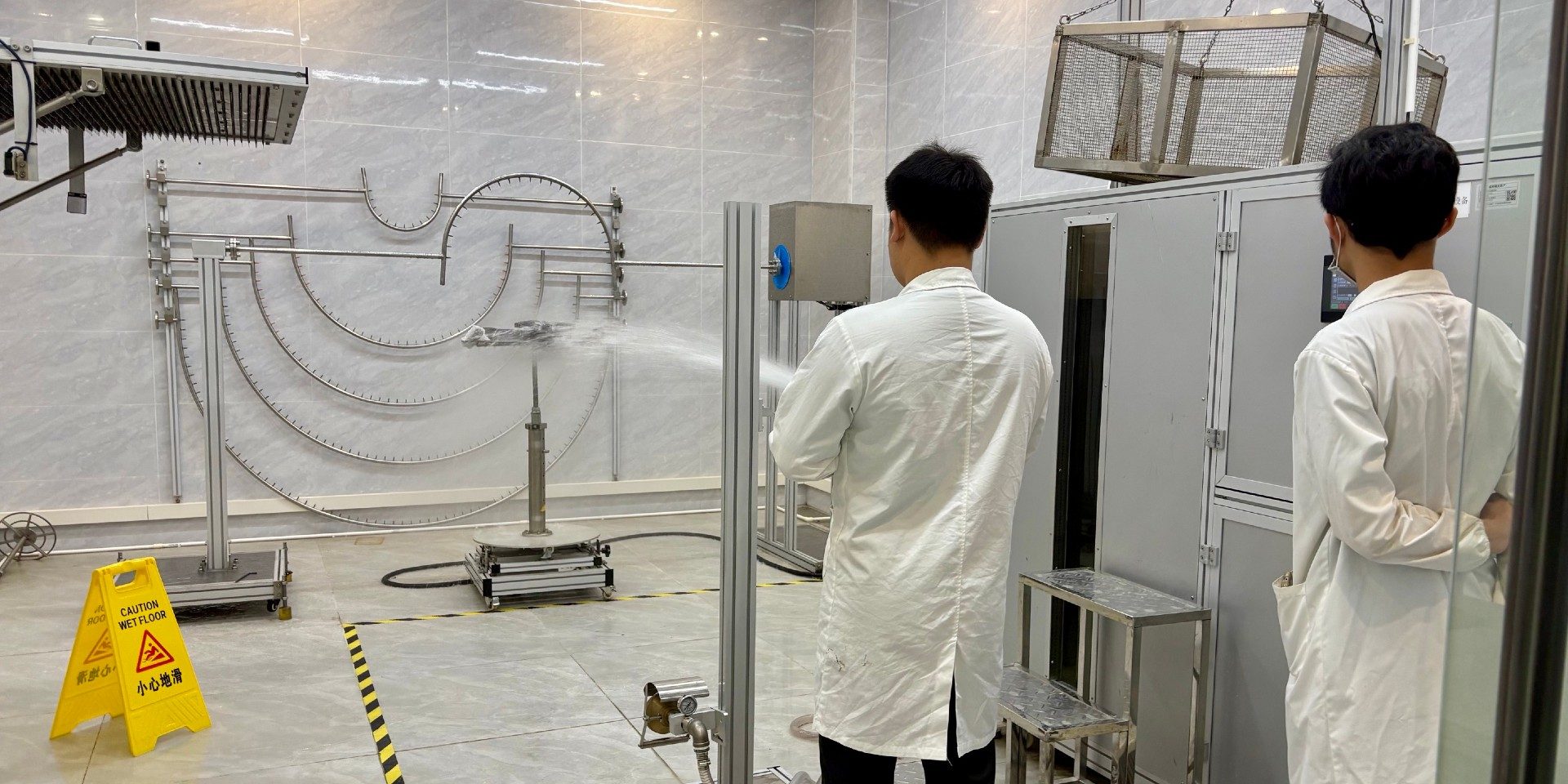
Once assembly is complete, the chargers face a gauntlet of durability tests. They’re blasted with high-pressure water, exposed to extreme heat, dropped, and driven over. Watching engineers soak the chargers with an industrial-strength pressure washer was entertaining enough, but my favorite part was watching a cute little robot ferry them over to an oven for the aging testing. It all serves a practical purpose, though: Most people want to know their home charger can handle years of rain, snow, heat, and dust, especially if it’s mounted outdoors. The NEXUS carries an IP66 weather-resistance rating for exactly that reason.
The NEXUS is available now as a non-wifi model, with a connected version expected to arrive in the next few months. Buyers can choose either a NEMA 14-50 plug or a hardwired installation, and both versions carry UL 2231, UL 2251, UL 2594, and UL 817 certifications. The NEMA 14-50 model also includes a temperature sensor on each hot pin as an added safety measure.
Touring a factory didn’t tell me everything about Lectron’s products, but it gave me a pretty good idea of how seriously the company takes quality control. At the end of the day, that’s what matters most with a home EV charger. It needs to work every time you plug in and do so safely. With 40 to 48 amps flowing through a pretty compact unit for hours at a time, reliability and safety are essential.
Read more: Lectron’s Vortex NACS to CCS adapter is a simple tool to access Tesla’s Supercharger network [Video]

If you’ve ever considered going solar, make it easy by finding a trusted, reliable solar installer near you that offers competitive pricing by checking out EnergySage. It has hundreds of pre-vetted solar installers competing for your business, ensuring you get high-quality solutions and save 20-30% compared to going it alone. Plus, it’s free to use, and you won’t get sales calls until you select an installer and share your phone number with them.
Your personalized solar quotes are easy to compare online, and you’ll get access to unbiased Energy Advisors to help you every step of the way. Get started here.


FTC: We use income earning auto affiliate links. More.
electrek.co
#Lectrons #factory #China #chargers


