


We all need an escape. If you like cars and video games, chances are that yours has been the automotive sandbox of Forza Horizon. Believe it or not, it’s been almost a decade and a half since a newly assembled team of racing game-making veterans at Playground Games mashed together the physics powering the Forza Motorsport franchise with an open world. At the time, it was an experimental proposition; realistic driving experiences were for realistic motorsports, on racetracks and closed circuits. What good is a sim on normal roads?
Playground answered that question very quickly, taking Horizon from weird spinoff to, quite simply, the biggest racing game with licensed cars in it enjoyed by the general public. The combination of exploration, car culture, and a handling model that is grounded in reality without being punishing has proven out as a winning formula. People keep showing up, whether they make their way from Xbox Game Pass, Steam, or PlayStation. All Playground ever needs to do is change the meeting spot. This time, it’s Japan.
It’s Horizon’s biggest and most detailed map to date, with a city five times the size of the one in the last game—but you probably already figured as much. It also launches with 550 cars, many of which are returning members of the Forza franchise’s extensive car library, with a few newcomers thrown in.

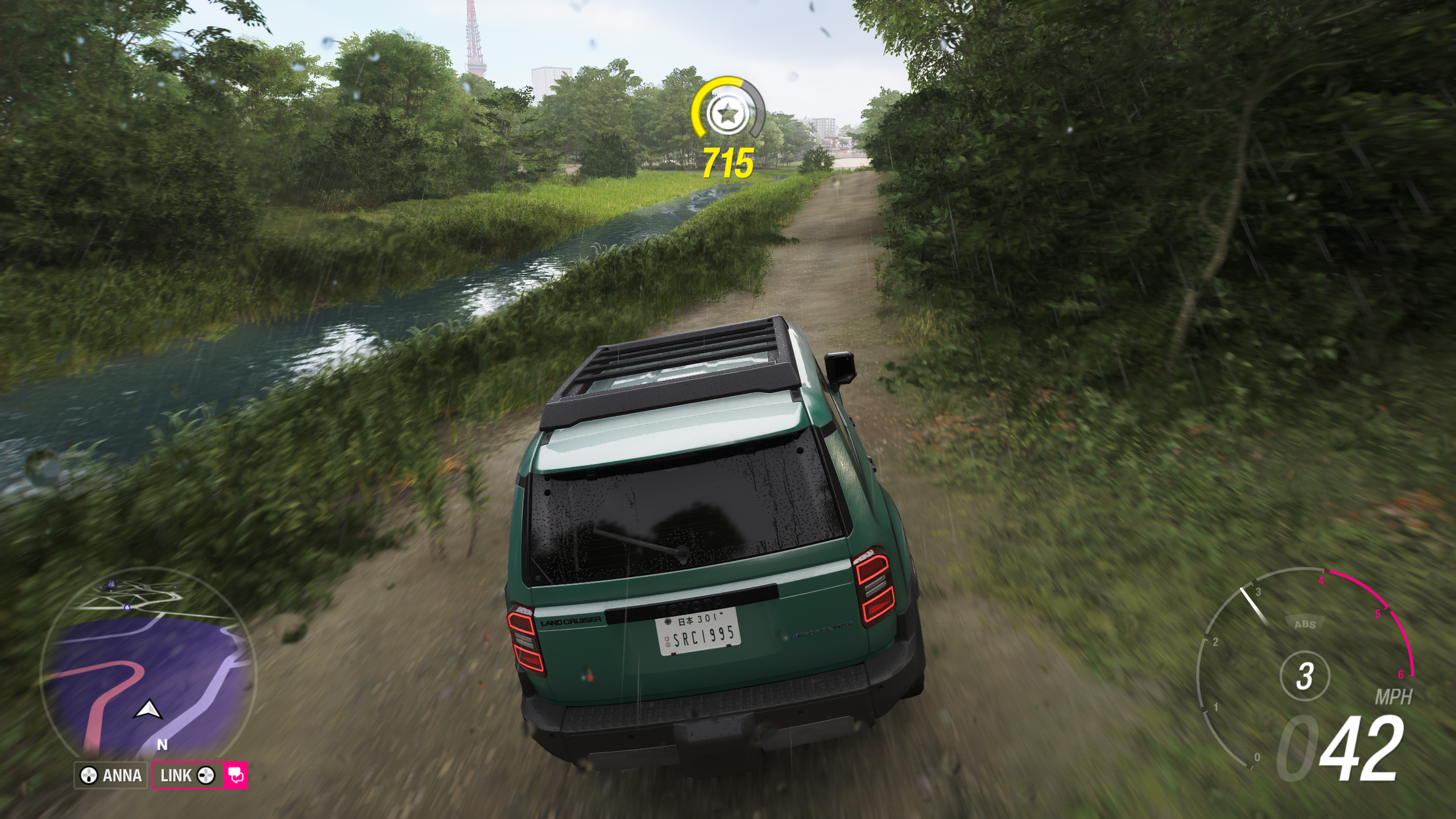

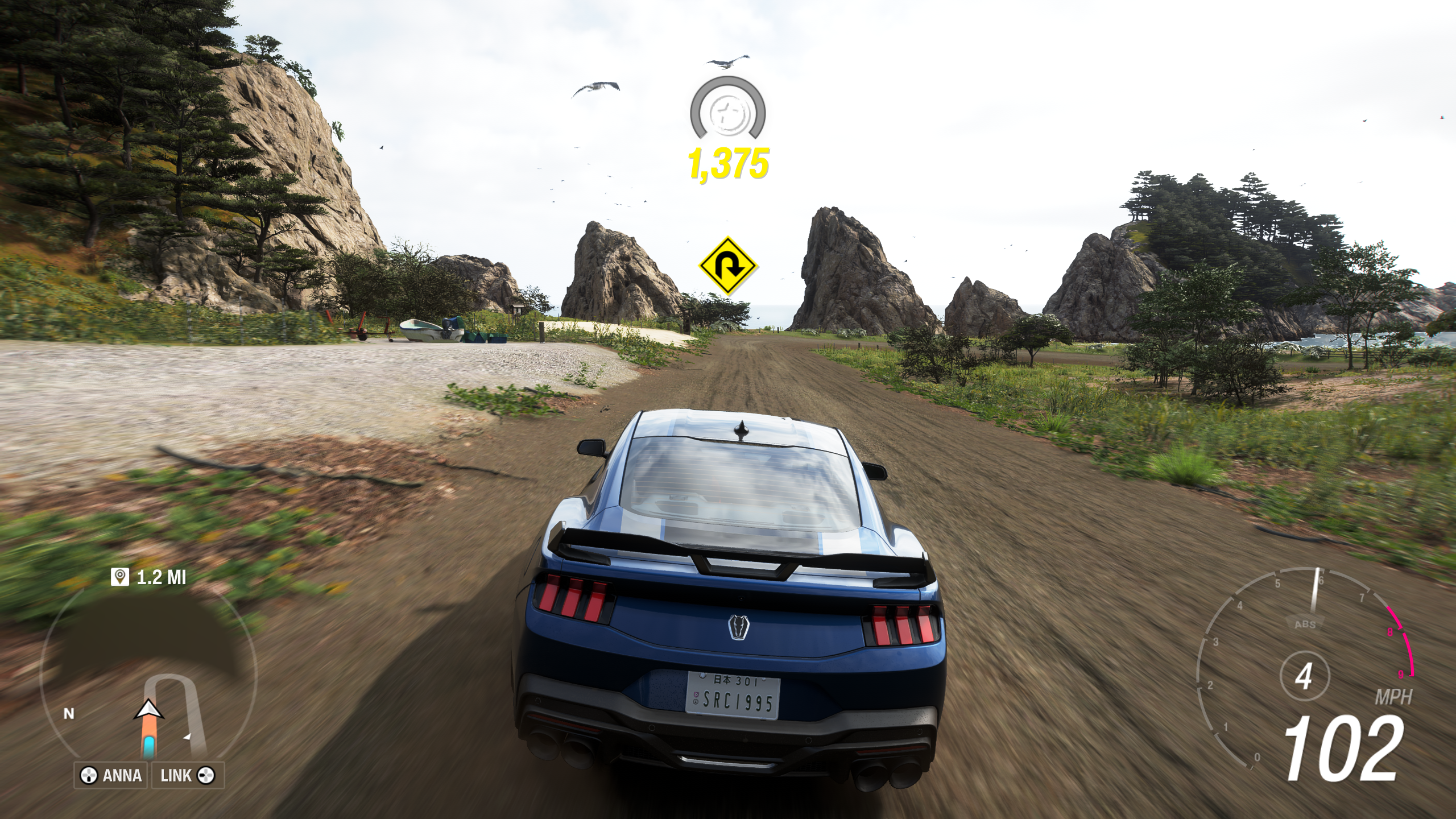

There have been some light quality-of-life improvements, and a whole new way for the most creative players to make their home in this world. And all of this might’ve been expected for attendees of prior Horizon festivals, in Australia, the U.K., and Mexico. If you explored those worlds and wondered, “Where could they possibly go from here?” the answer FH6 presents isn’t necessarily an exciting one. But if history’s shown anything, it’s that a little change in scenery is enough to draw everyone back to the party.
So Much to Do, So Many Gifts
Forza Horizon 6 sees you joining the proceedings as a newcomer, someone who has to first qualify for the music and motorsports festival before working your way through the ladder of events by earning wristbands. These wristbands unlock access to races where you’ll drive progressively faster machinery, and it’s a marked shift from the last few entries that pretty much allowed you to take any car you wanted into any race, where the computer would roll up in something competitive. There are still “unsanctioned” street and touge races that work that way, but main campaign events in FH6 will see you start in lower-power cars—yes, including kei cars—before you’re let loose in a Chiron.
This being Horizon, though, there are plenty of other ways to spend your time between races. You can pick up a part-time job as a food delivery driver, join a drifting club, embark on a guided tour of Japan with your fellow tourists, and even help scope out great photo spots with none other than Larry Chen himself. And if you like collect-a-thons, boy, FH6 will keep you occupied for potentially the rest of your life. There is a seemingly never-ending cascade of progress bars and checklists tied to road discovery, car photography and, in true Horizon tradition, smashing XP boards and mascots.
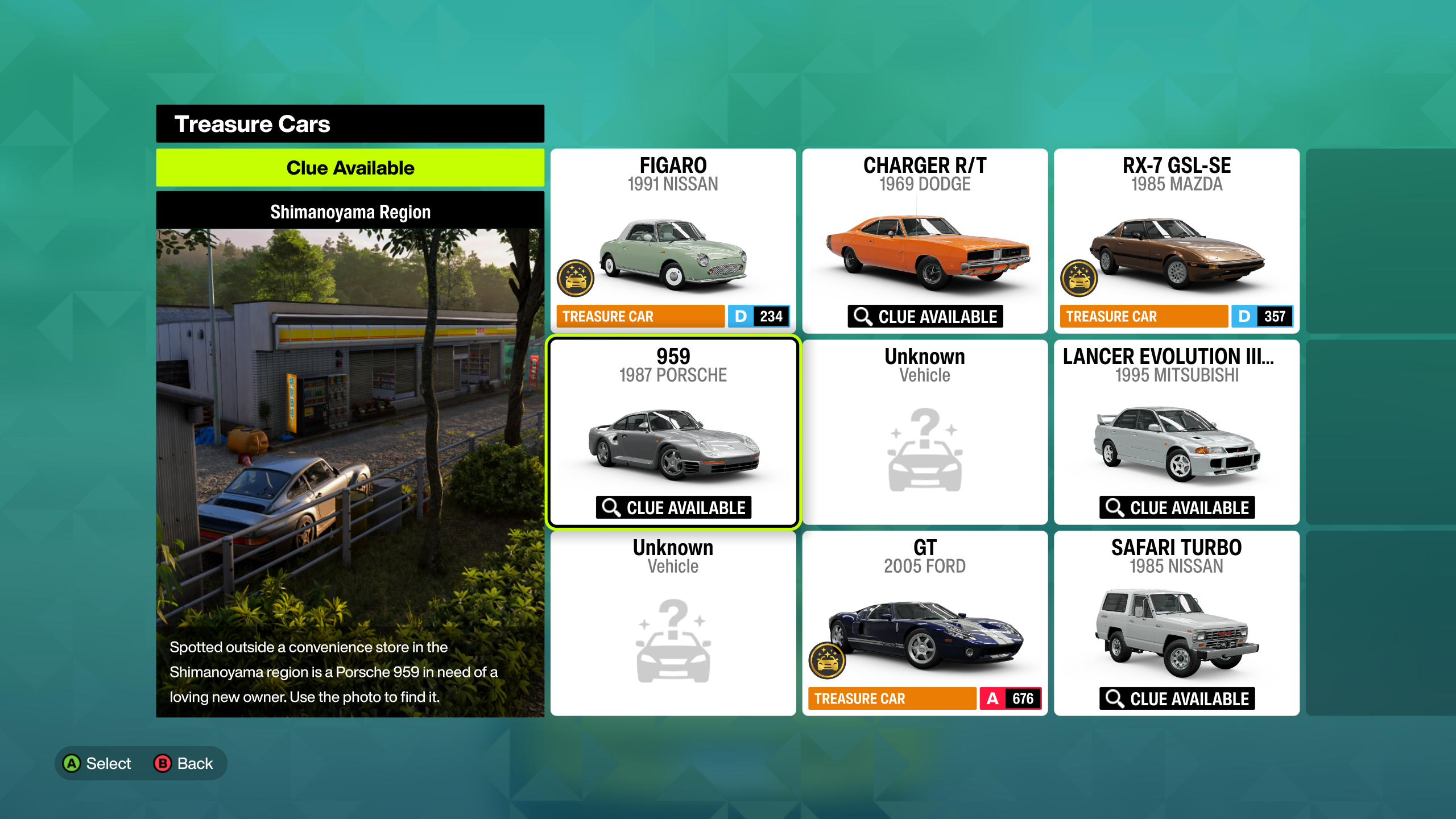
Once again, there are barn finds to uncover, as well as Treasure Cars, which are more ordinary machinery seemingly left behind out in the open, with all but a postcard to help you track ’em down. Barn Finds are one of my favorite contributions Horizon has made to open-world racing games, and like in FH5, you can also leave a gift behind for other players once you’ve made your discovery, which is a nice touch.
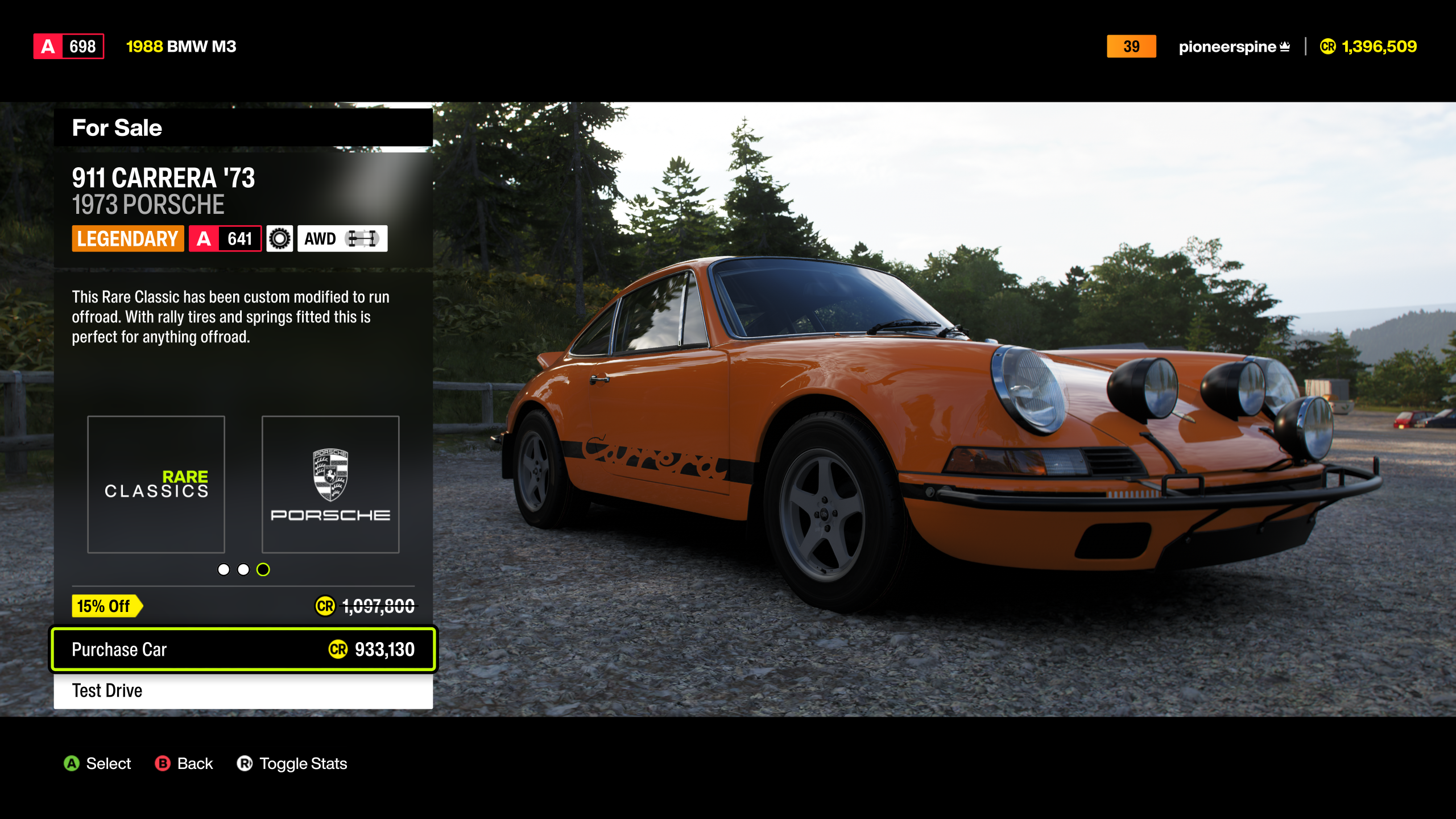
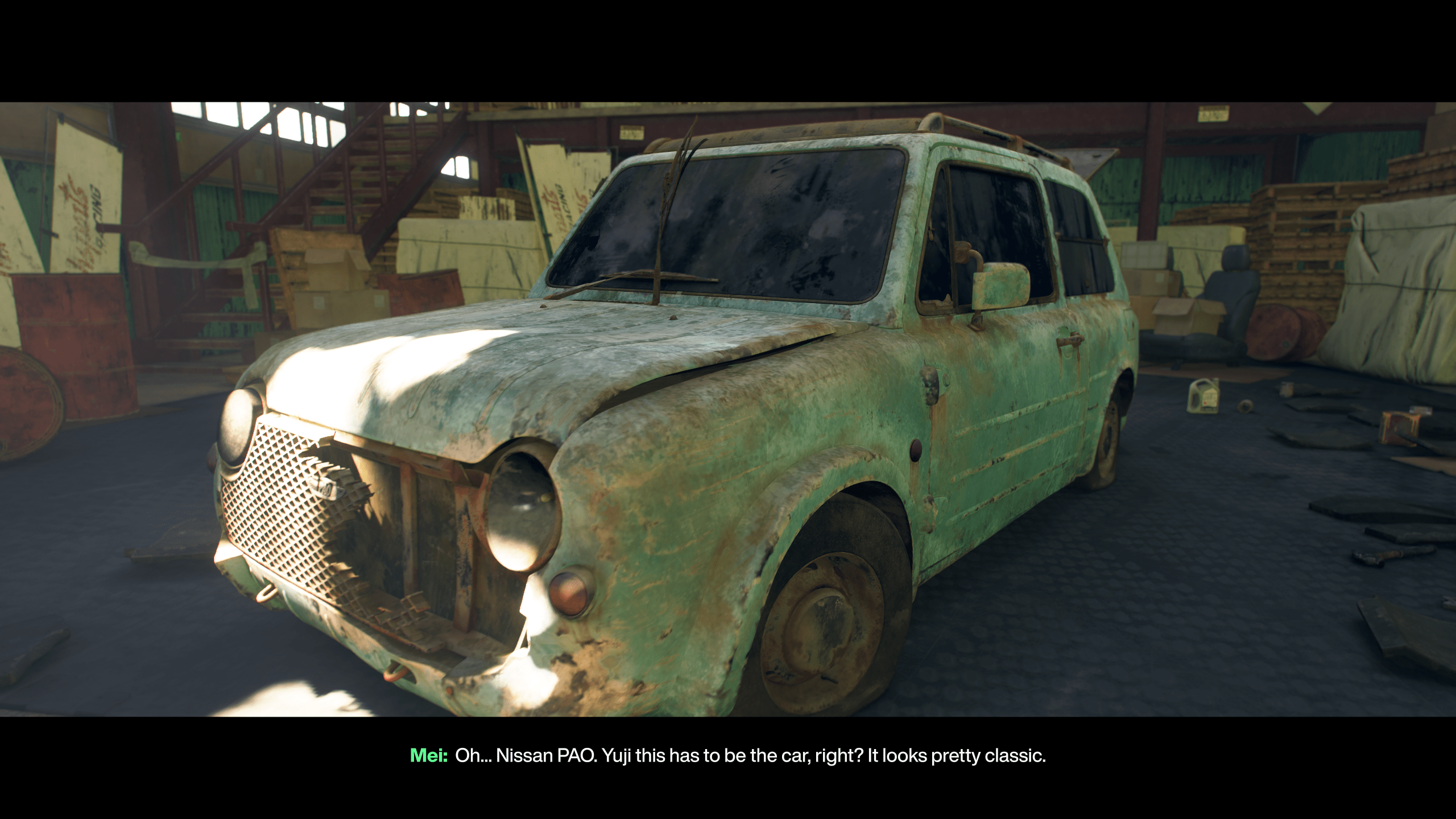
There are also now Aftermarket Cars, which are simply used cars sold for a reduced price encountered on the world map, that may be stock or have extensive mods. New vehicles cycle into these spots as you progress through the game, and they’re always a delight to stumble across.
Don’t assume that the more guided campaign progression has made FH6 at all grindy, though. Upon starting the game, you can choose to take one of three cars for a spin (a Toyota Celica, Nissan Silvia, or K5 GMC Jimmy) but it really doesn’t matter which you grab the keys for, because all three land in your garage, anyway. A couple of events in, you’re gifted another three cars, and then pretty much every milestone you complete results in a cash windfall, or a prize car, or a wheelspin, which is a roulette of prizes.
You’ll have cars more quickly than you’ll know what to do with, collect “stamps” for achieving—as far as I can tell—nothing of importance, and check off events on your way to the next wristband without needing to win them or even finish in the top three. This is, of course, nothing new to the series, and the players that don’t want to spend ages toiling away for a single car, let alone a single part, looking to simply hop on their couch and straight into a GR GT will appreciate this.
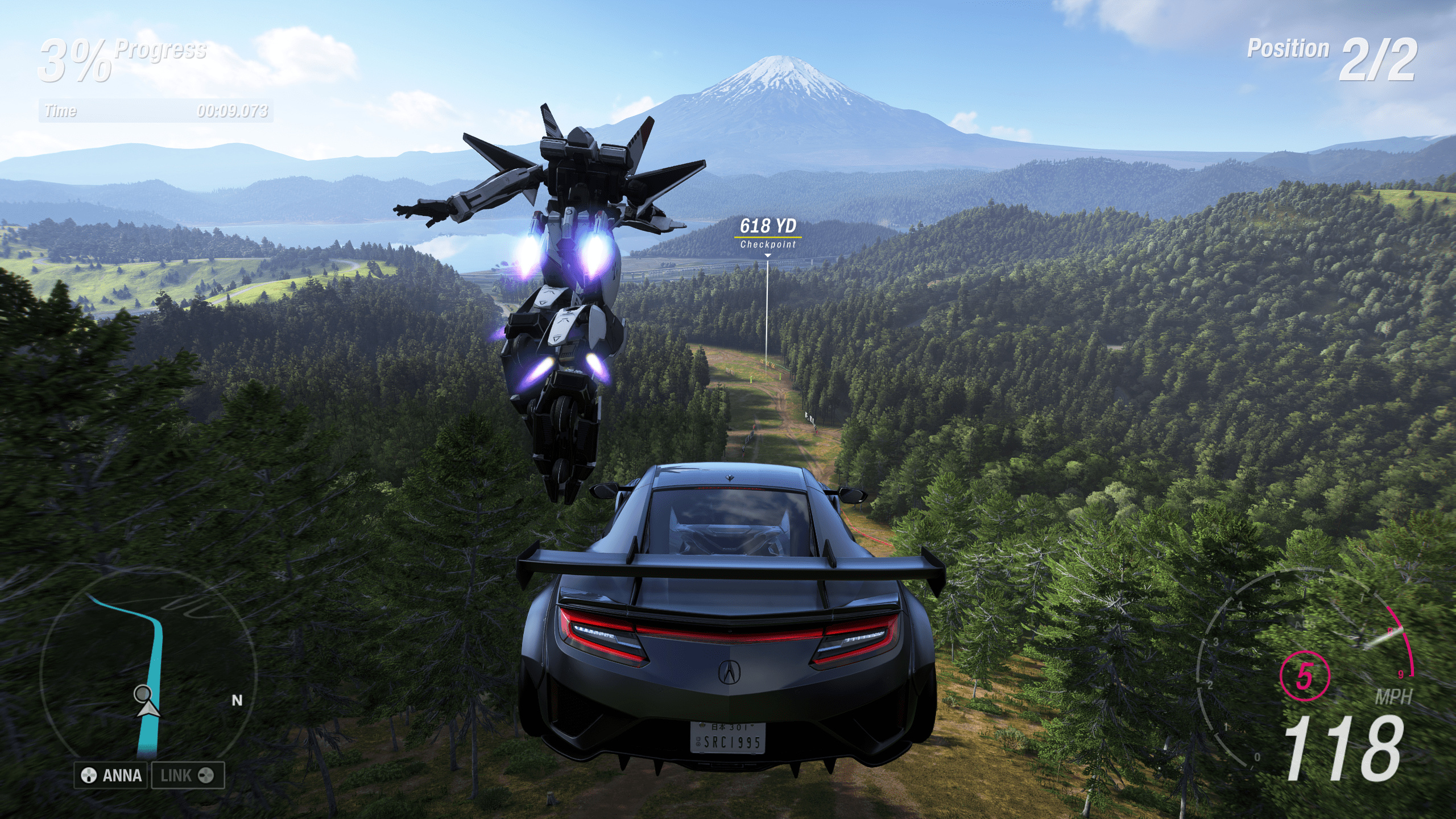
But the consequences are the same, too. I have no attachment to the vehicles in my garage I never asked for, but are taking up space anyway. And the lack of challenge causes “big” moments—like a race against a literal mecha through Japan—fall flat. Yeah, it’s cool seeing this towering Gundam thing leap over me and boost slide through a tunnel Vanquish-style, but when it slows to a slow-motion jog 500 feet before the finish line to let me win, however impressed I was by what I’d seen earlier is quickly replaced with a deep void of meaninglessness.
Another World to Explore
You’re not here for the challenge, though, and that’s what some Horizon players (hi) have to keep reminding themselves, while others effortlessly internalize. It’s about the map, and the unique opportunities it presents. Playground Games has always thrived in building these worlds, but it hasn’t always seized unique ideas or gameplay loops to make the act of exploring Amalfi Coast, for example, all that different from exploring Australia. Sure, FH6 stuffs you in a Honda Acty to go deliver some ice cream across town, but the end result is effectively a time trial. In a lot of these cases, whatever exposition you’re given usually amounts to a time trial.
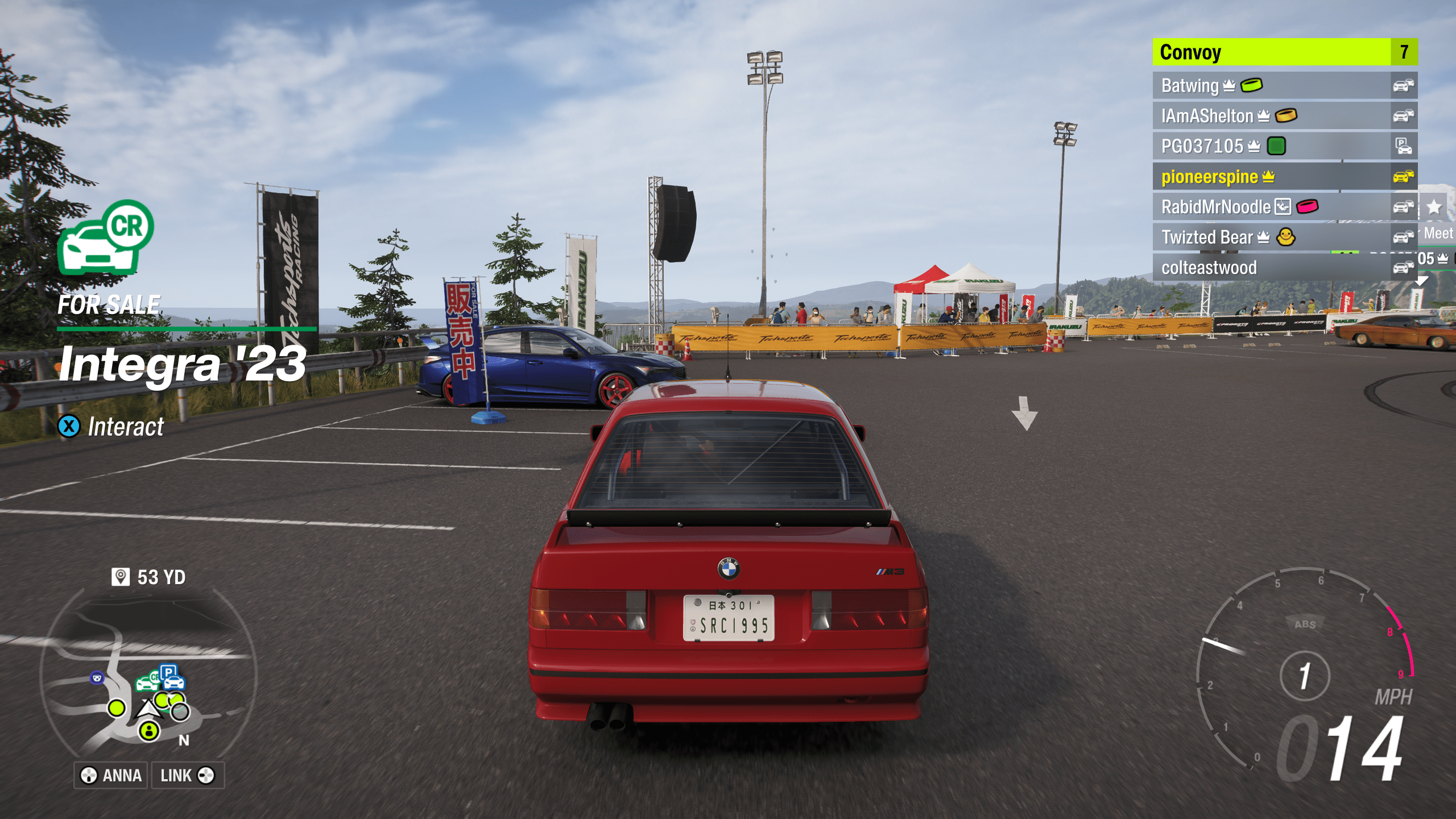
Car Meets are a notable exception, though. As we discussed at the top, Tokyo marks Horizon’s largest city to date. A lot of that scale is built not so much horizontally, but vertically, thanks to a recreation of the legendary Shuto Expressway that weaves through and above the metropolis. It is certainly a richer city than these games have ever enjoyed, with disparate districts, ranging from the suburban outskirts to the financial district, the narrow, neon-lit corridors of Shinjuku, and the dockyards where you’ll find the iconic Daikoku Parking Area.


Daikoku presents an excellent venue to serve as one of the game’s hubs for Car Meets, a place where players can gather, show off their rides and browse those of other players in their session. It does very much depend on experiencing FH6 in a social way, though. Because, through most of this review period, where an infinitesimal fraction of the launch player base has access to the game, those parking spots have not been filled.
If you have a solid group going, though, some of the most fun you can have in FH6 is leading your convoy to a time attack. Simply drive onto one of the game’s fun little grassroots-style circuits, and the stopwatch starts. The leaderboard in the upper-right corner of the screen will start filling out as more of you turn laps, and it’s just such an effortlessly fun way to kill a few minutes, then 30, then an hour. It’s that addictive, and the lack of friction makes it one of my favorite new aspects of the game—again, providing you’re able to roll up with your friends.

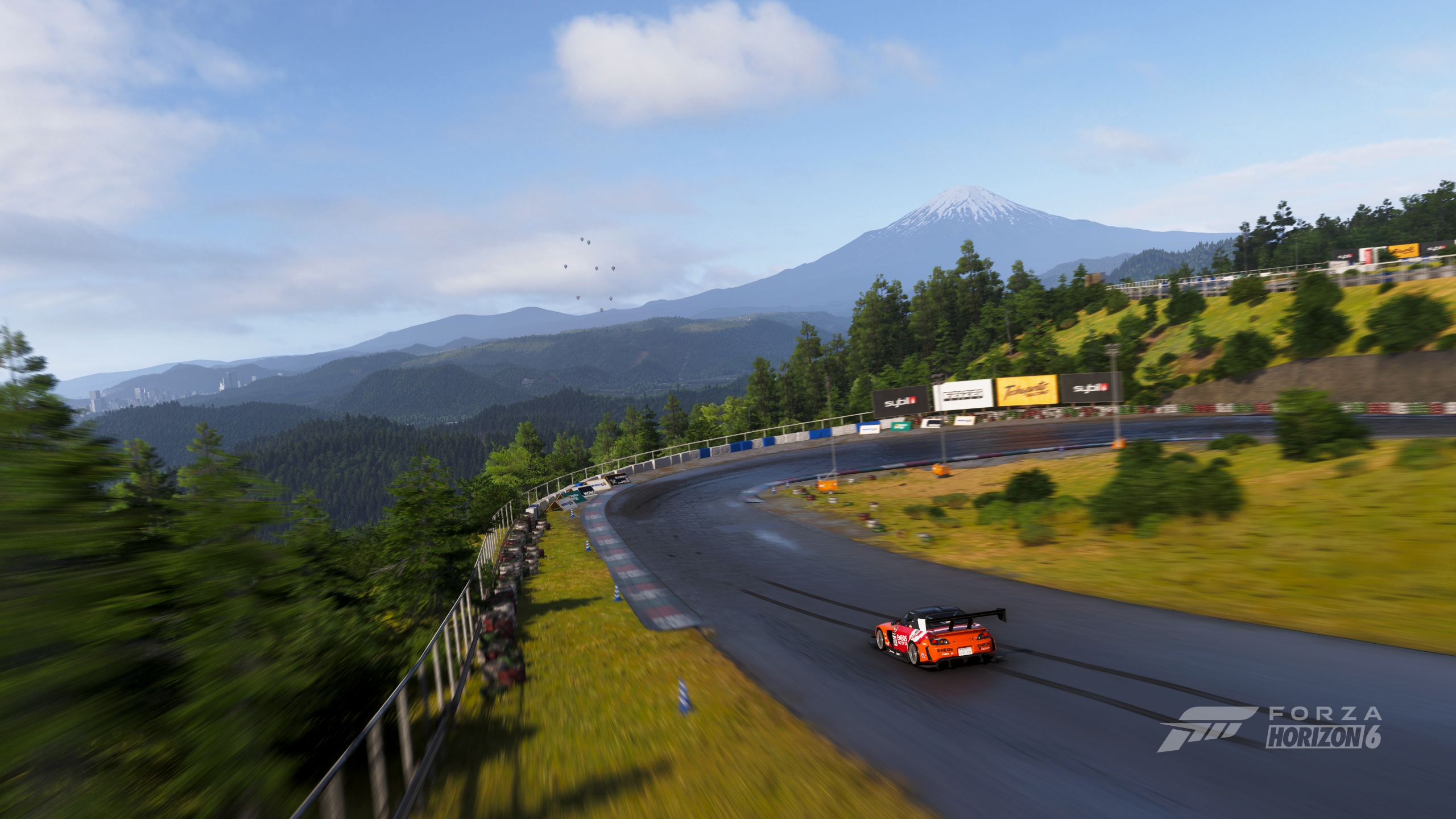
Together or alone, it’s neat to drift down that spiral of concrete and find Daikoku there at the bottom of it all, or peek around a bend on the expressway and catch Tokyo Tower or the Rainbow Bridge artistically framed between the buildings, in a scene you just know the map designers set so players would encounter them in precisely the same way.
From the high plains, with wheat rolling and Mount Fuji in the distance, to the snowy northern limits of the map recreating the ski heaven of Hokkaido and those incredible alleys of piled snow and ice, Playground’s rendition of this country is, once again, its game’s greatest asset. Plus, FH6’s Japan wears its seasons much more obviously than FH5’s Mexico, which will probably make the game feel fresher week to week.
If it were up to me, I’d scale the wide streets down just a bit (though not quite to stiflingly real scale) and crank up traffic in the city to give it that real sense of dynamism and hustle-and-bustle that Tokyo requires. On second thought, given the impact that the city has on game performance, perhaps it’s for the best that the devs were less faithful with regard to crowdedness, but more on that later.
Driving, Customization, and Performance
If you enjoyed how Forza Horizon 5 drove, don’t anticipate any qualms with the new entry. As far as I can tell, it handles pretty much the same as these games always have: plenty of initial front end grip, numbness once the tires begin to slip, a rear axle that isn’t terribly communicative but still generally forgiving, and a sharp emphasis on early braking. It’s this mishmash of realistic and unrealistic behavior that has never made the Forza series the most engaging drive for me, personally.
Some cars do shine, though, like the new R Class time-attack weapons with their titanic downforce. Additionally, the new hand-over-hand steering animations certainly improve the feel of driving from the in-car view if that’s your preferred perspective, and the drifting audience is sure to love that.
One complaint I’ll levy at the AI concerns the aforementioned street racing events. I can effortlessly sweep the competition in most event types at higher difficulty levels, but the street races, which tend to focus on faster routes at night, are a world of hurt. Rival cars always seem to have a little more power and endlessly more grip than you’ve got, requiring them to brake far less than you have to. Plus, as is typical Drivatars, they’ll muscle themselves into nonexistent gaps, elbowing you out into the guardrails without a care. I try to avoid playing Horizon with rewind on, but for these events, it’s unfortunately kind of necessary.

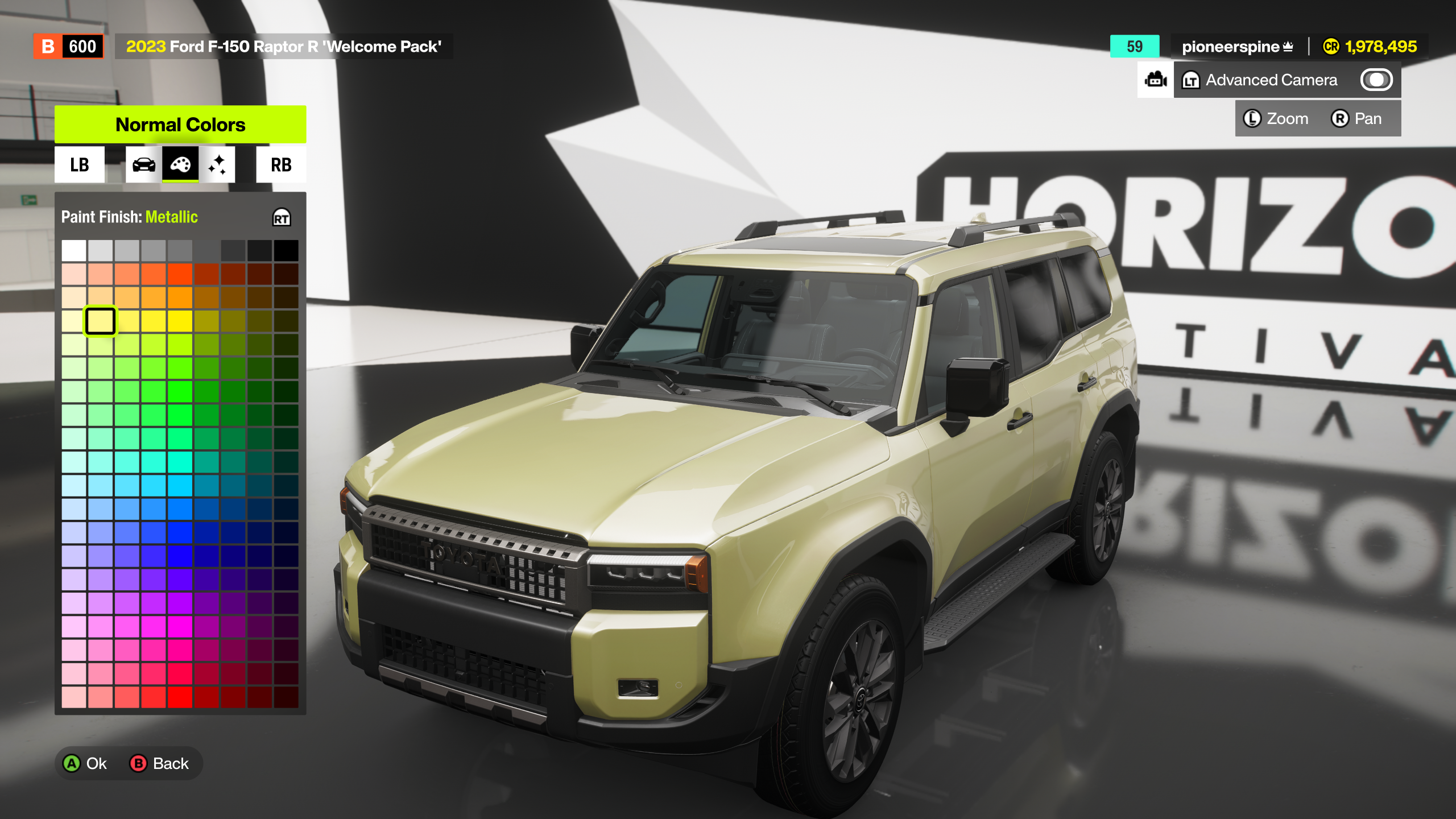
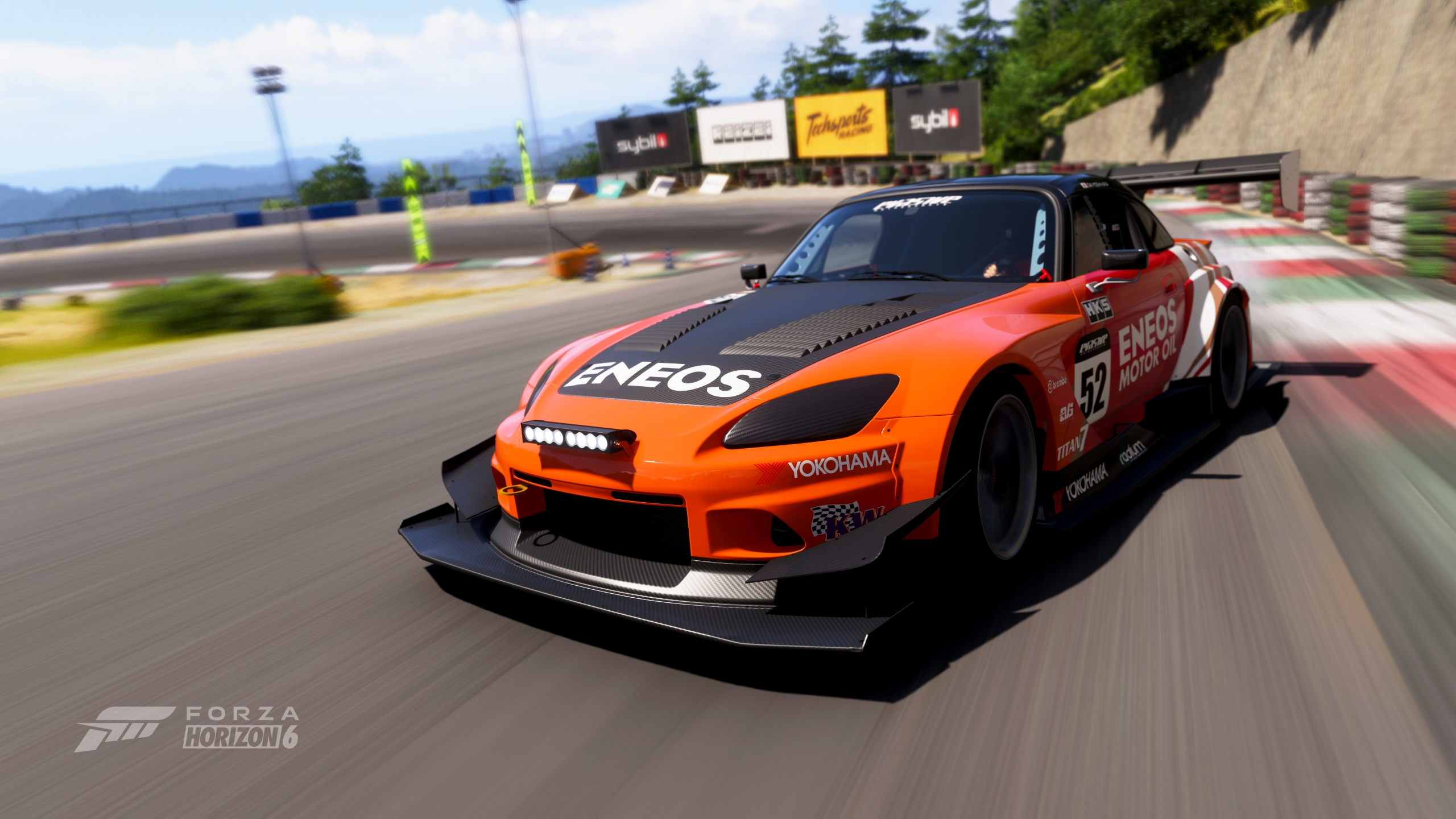
On a more positive note, there have been some key improvements to the game’s customization suite. There are loads of new aftermarket wheel options, as well as the ability to place different rims on the front and rear axles. And the color picker—an age-old problem with Forza games, from Motorsport to Horizon—has finally been amended, allowing you to select one of the stock hues and then choose the finish you’d prefer it in. It saves a lot of time, especially for those of us who don’t want to fuss with a livery editor, and especially since Playground still doesn’t allow players to upload decals from an external device like Gran Turismo does.
Much noise has been made about the new default Forza-branded aero on offer for all cars. It’s definitely a step up from the inelegant splitters and generic wings from the past, but they still don’t give you that bespoke feel, and FH6’s aftermarket parts roster is sorely lacking beyond wheels.
One of this franchise’s calling cards in the early days was an extensive selection of bumpers, skirts, hoods, and spoilers for every vehicle, but Playground has seemingly poured more attention into extreme-yet-static Forza Edition cars rather than swappable cosmetics. At least some formerly poor car models, like the S15 Nissan Silvia, R32 and R33 Nissan GT-R, and E30 BMW M3, have finally seen new meshes, so they look miles better than they ever have in Forza prior.

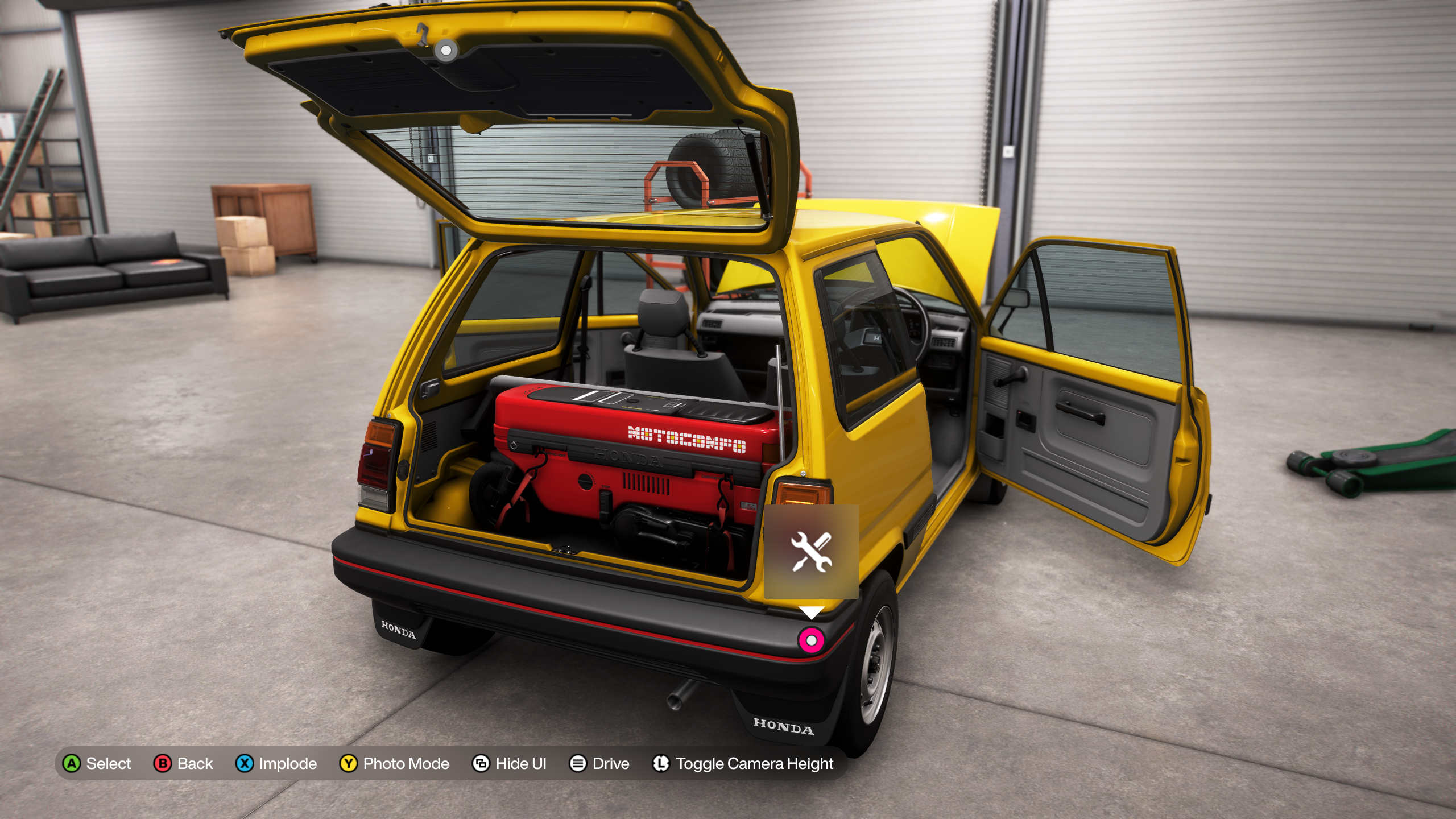
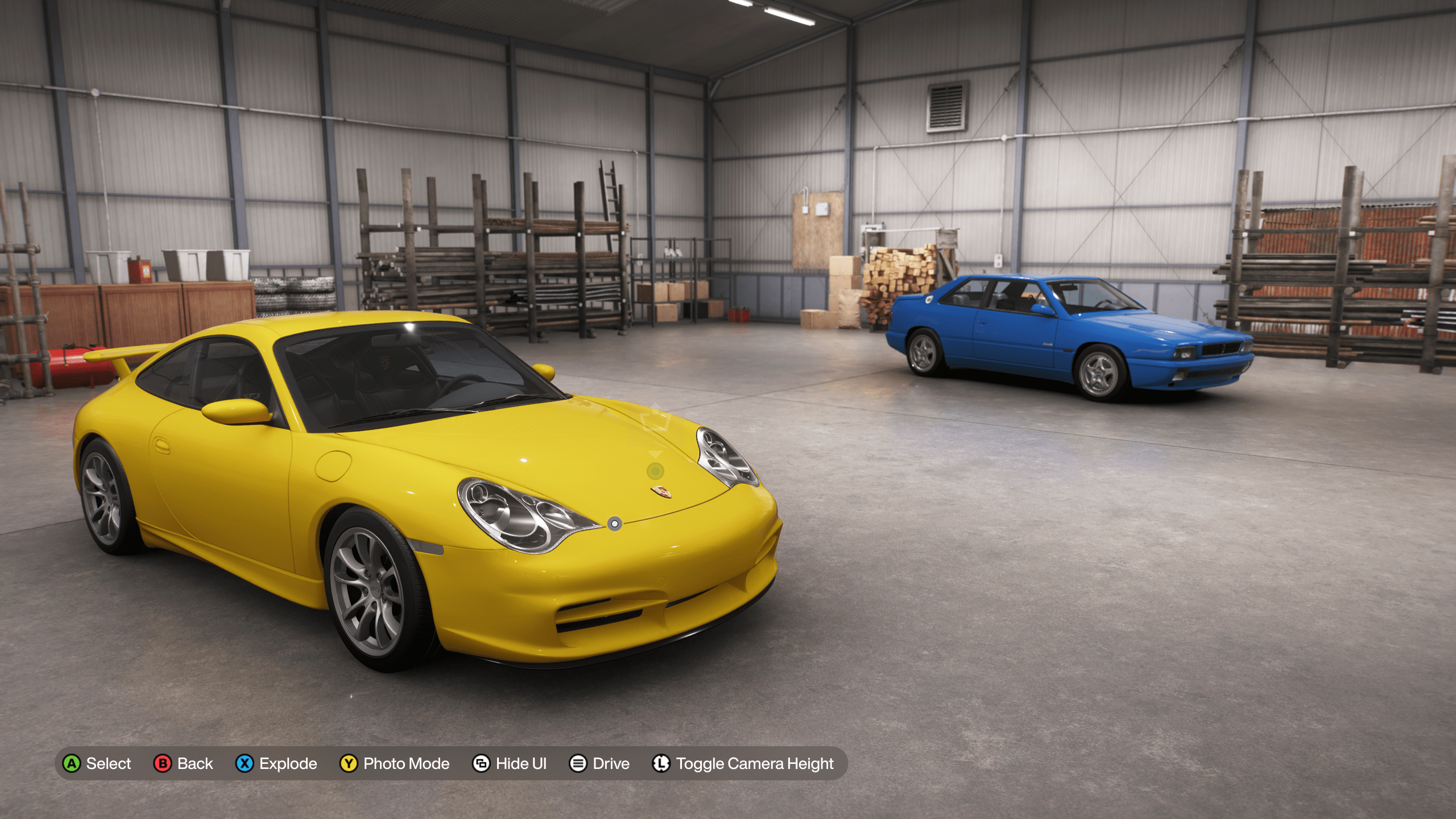
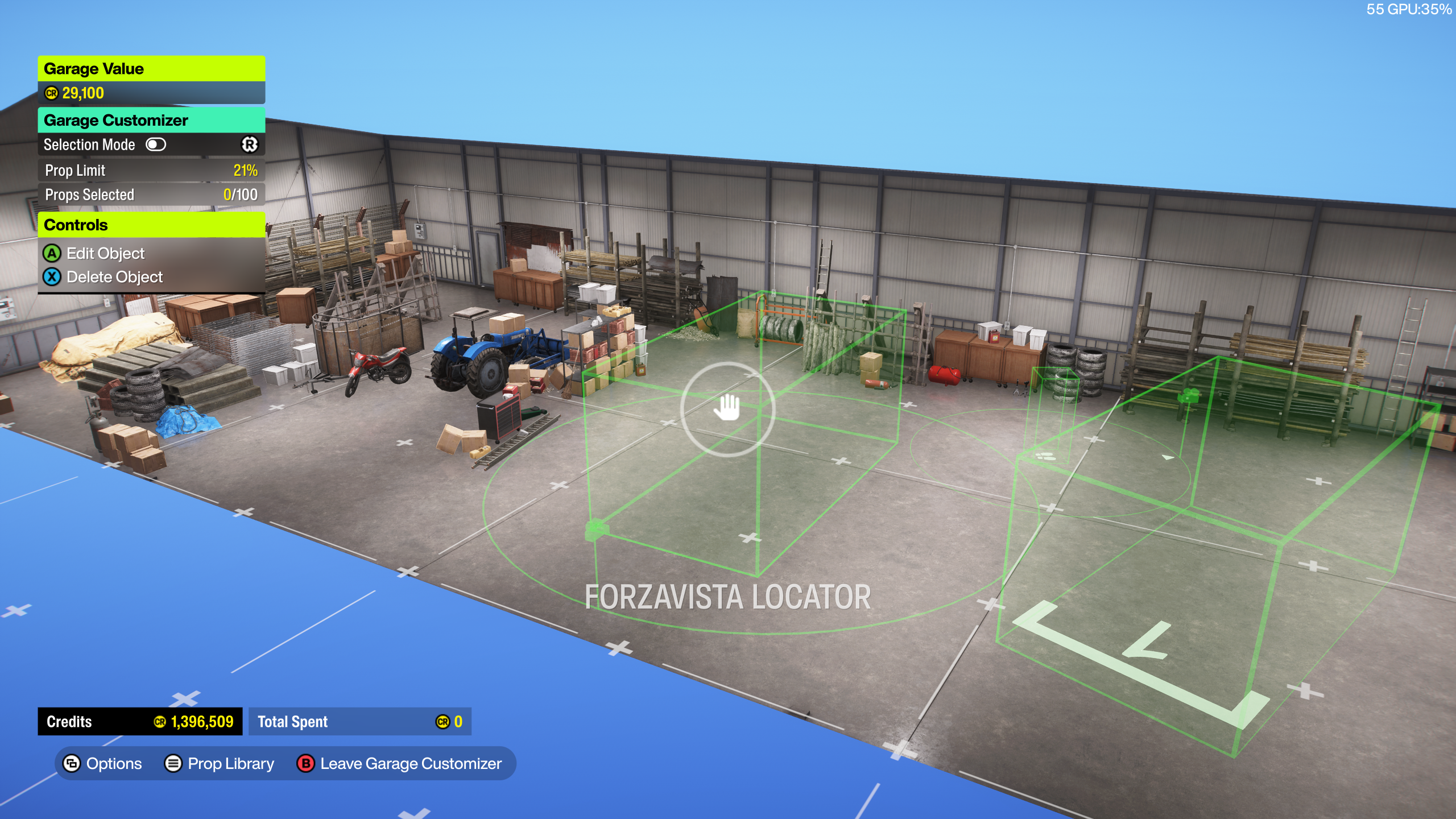
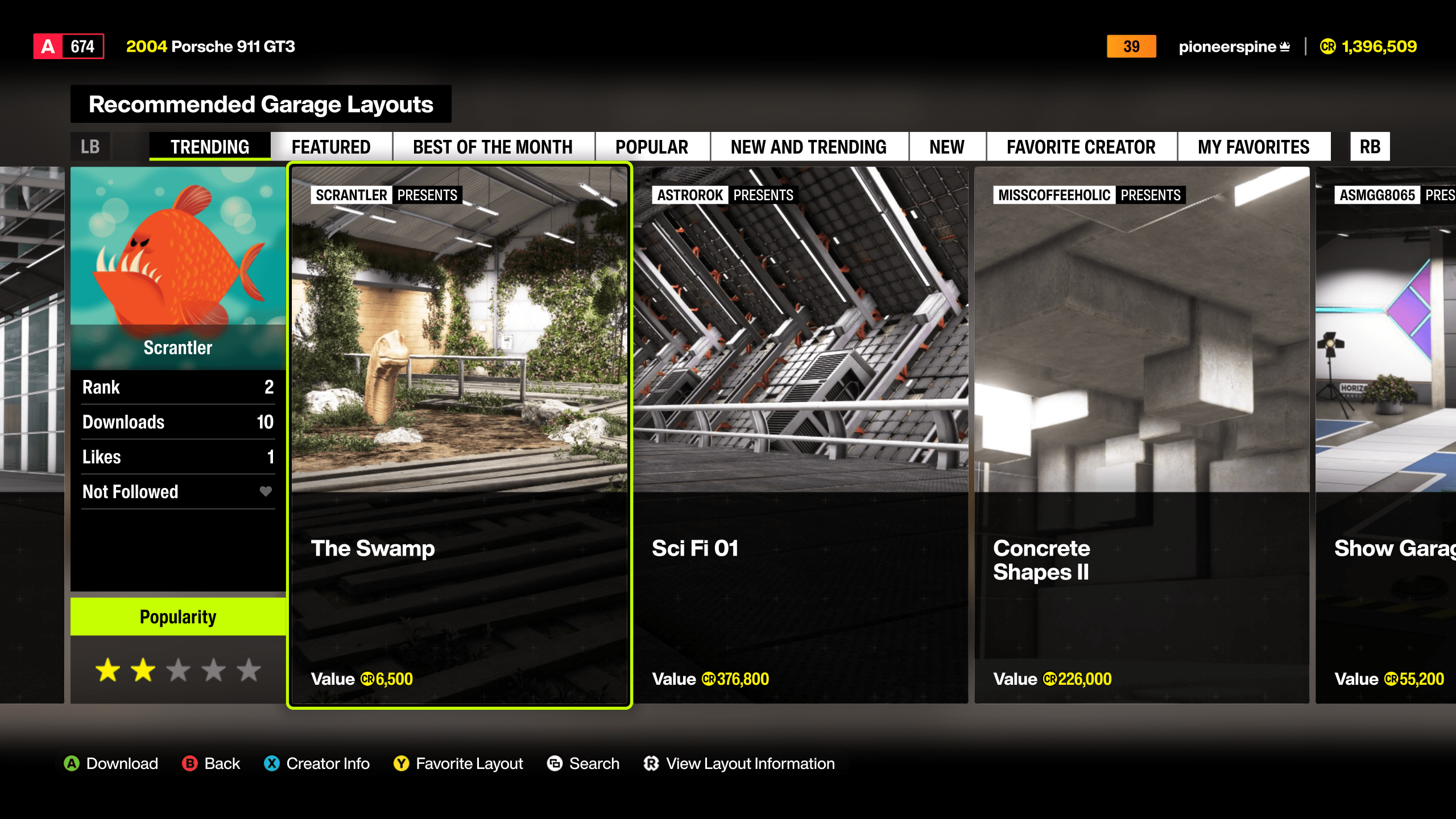
If you’re disappointed by the operating-room like cleanliness of the default garage space in these games, especially creative players now have the ability to decorate the area, Halo Forge-mode-style, by placing props and moving their vehicles around the room. Frankly, this isn’t something that interests me, but it’s bound to grab folks who pour hundred of hours into Horizon.
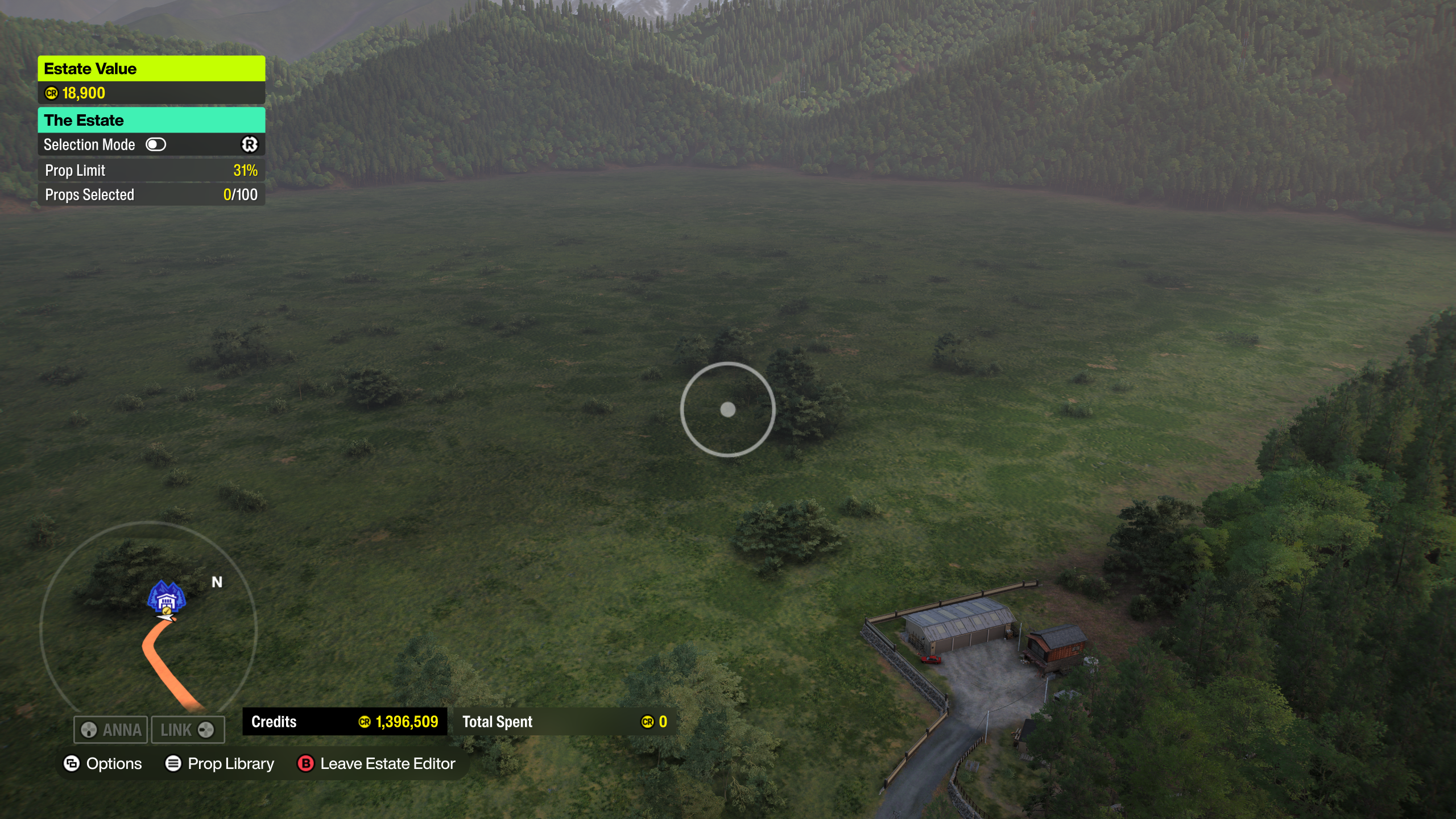
There’s also the new Estate area: an open field in the middle of the map where you can design whatever you like, from a secret motorsports compound concealed in the woods to a purpose-built racetrack. The potential for this space is pretty high, and we’ll assuredly see artists and the Roblox generation push the boundaries of what’s possible. In true Forza fashion, all of this is sharable, too.
A final word on performance. I sampled Forza Horizon 6 on PC via Steam. My rig—a Ryzen 5800X3D CPU- and Radeon RX9070 GPU-equipped machine with 32GB of DDR4 RAM—is hardly cutting edge, and even I was able to achieve a range from 65 to 85 frames per second on mostly extreme settings, with raytraced reflections and screen-space global illumination, at 1440p native resolution. More rural stretches of the map definitely favor the high end of that span, while Tokyo City always kicks the framerate down 10 fps or more, especially whenever the rain rolls in.
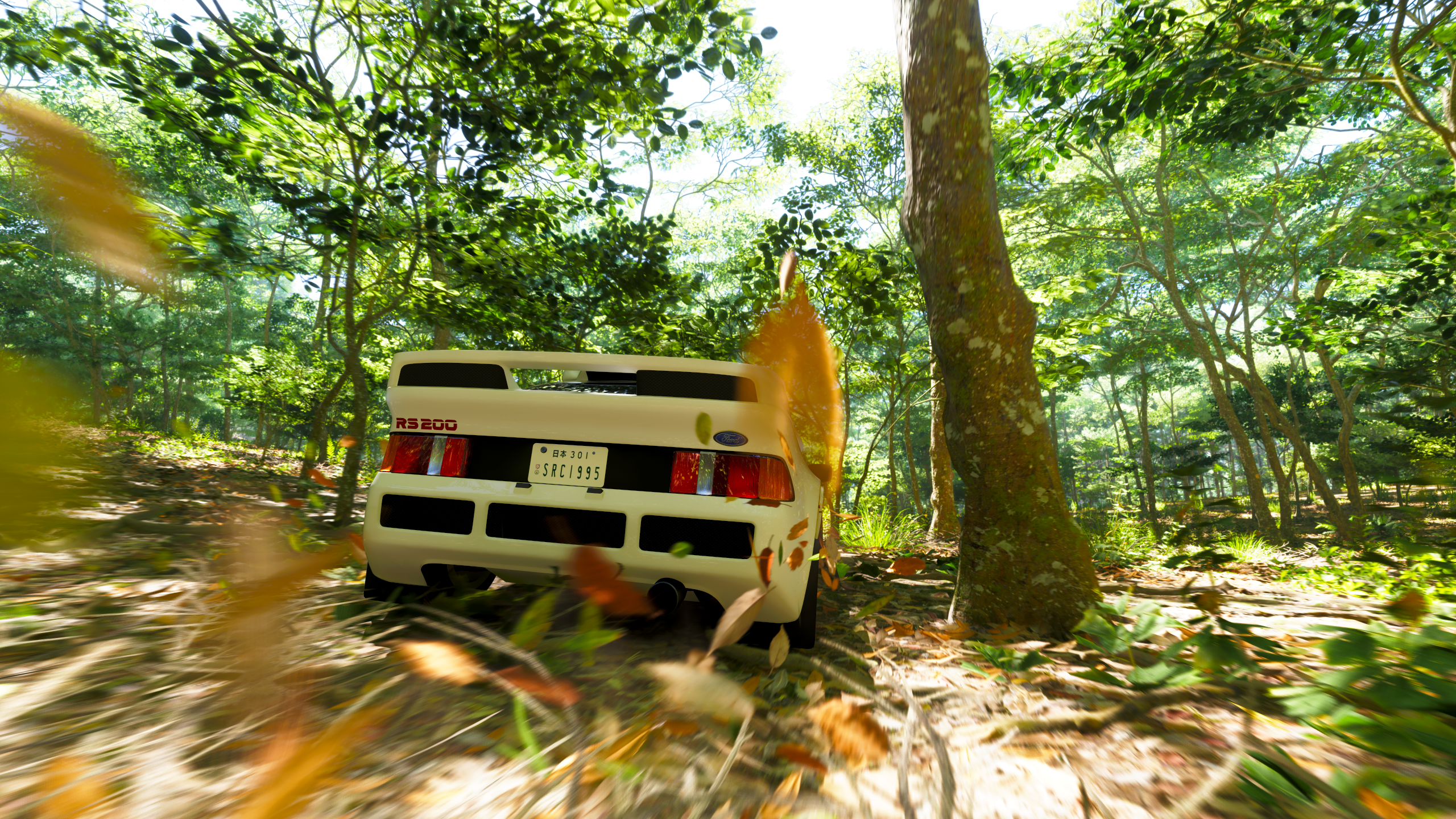
If you can spare the frames and have the kit for it, though, I highly recommend leaving behind screen-space GI and opting for raytracing there, too, so you get that gorgeous bounce lighting of the treetops down onto sheet metal. FH6 definitely looks best with that setting on at least medium.
This is encouraging performance for relatively modest hardware, and should ensure the game scales well across builds. The only real problem was stuttering and occasionally lengthy hangs over the first 10 hours of gameplay, as shaders decompiled. The frequency and duration of these hiccups diminished as I explored more of the map, but any PC gamer knows these problems all too well. The only way to really overcome them is to play, and ideally by the time the FH6 is public, this process will be a little smoother for the day-one crowd. Of course, console players won’t have to worry about any of this.
The Verdict
Playground Games has delivered another open-world driving paradise in Forza Horizon 6, further cementing the series as a true model of consistency in its genre. Anyone who enjoyed the franchise’s past journeys would love this one all the same, particularly if they’re fans of Japanese car culture. This series has a definite formula, one that Playground has seemed able to repeat wherever it chooses.
Inherent in that observation, though, are some limitations. If it wasn’t clear before, Forza Horizon will never be a series that offers an old-school, solitary sense of challenge and achievement. Those side-story quests are always guaranteed to be different narrative window dressings on time trials. The characters and their stories feel disposable, like they merely exist to put you into the next car, a sense confirmed by the fact that the camera in any cutscene is always fixed on what you’re driving, never who’s talking. And Horizon established its physics language long ago, and isn’t daring to upset what has worked before. The cars in this series are meant to facilitate exploration of the world, not necessarily contain a depth to explore in and of themselves.
Forza Horizon 6 doesn’t surprise, but it is the largest and richest journey of its kind, in a place that’s hallowed ground for enthusiasts. And, hey, that’s probably enough.
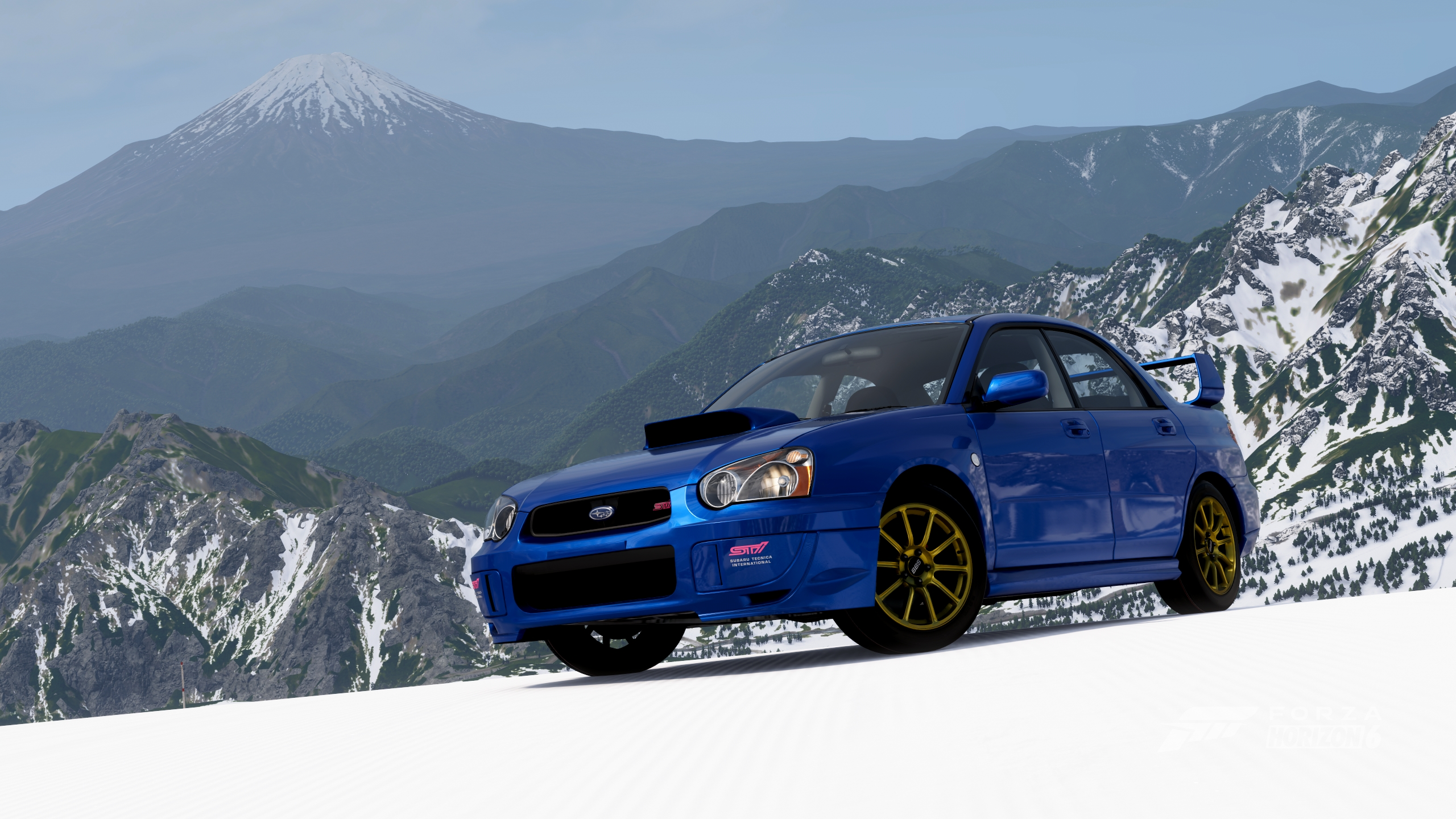

Quick Take
It’s the prettiest and biggest Forza Horizon yet, just as you’d expect, but the series’ long-awaited journey to Japan feels content to settle into the comfortable formula of its predecessors.
Forza Horizon 6 Specs
| Price | $69.99 ($99.99 for Deluxe Edition, $119.99 for Premium Edition) |
| Release Date | May 19, 2026 (Premium Edition available May 15) |
| Platforms | Xbox Series X and S | PC via Xbox app and Steam | PS5 later in 2026 |
| Cars | ~550 at launch |
| Multiplayer | Up to 64 players in session | Up to 12 players in convoys | Cross-platform |
| Score | 8.5/10 |
Microsoft provided The Drive with an advance copy of Forza Horizon 6 for the purposes of reviewing the game.
www.thedrive.com
#Forza #Horizon #Review #Beautiful #Familiar #Adventure


