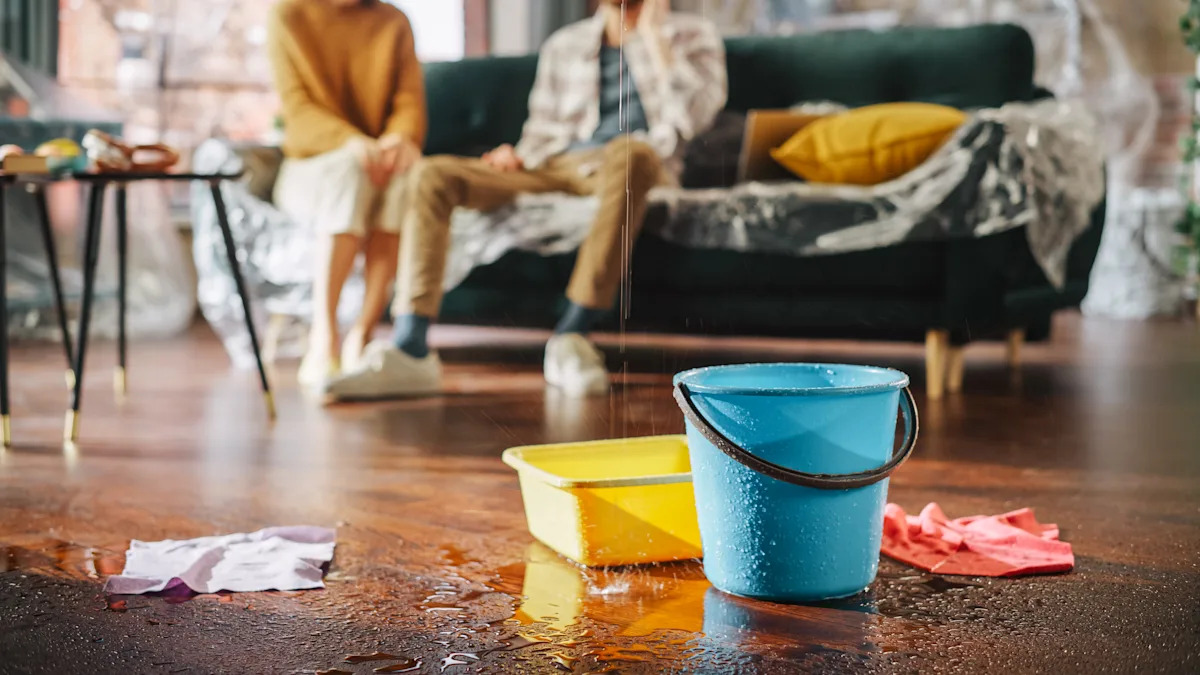
Your standard homeowners insurance policy typically covers water damage from sudden or accidental leaks inside the home, including a burst pipe or an overflowing appliance. It may also cover water damage from wind, hail, ice, or snow — for example, if your roof collapses under the weight of ice.
However, your policy likely won’t cover floods or gradual leaks without additional coverage.
Auto
When does homeowners insurance cover water damage?
In general, homeowners insurance will cover sudden, unexpected, or accidental water damage, especially if it comes from inside your home. This could include water damage from the following:
Burst pipes
Home system malfunctions
Overflowing toilets or water heaters
Roof collapse from snow or ice
Ruptured water heater
Water that’s used to put out a home fire
It’s essential that you take quick action to mitigate further water damage (as long as it’s safe), and that you contact your insurer and follow their instructions for a successful claim.
Read more: What does homeowners insurance cover?
When does homeowners insurance not cover water damage?
Your homeowners insurance may not cover water damage if:
You delay repairs
It’s a gradual leak from a faucet, a leaky foundation, or something similar
It’s caused by a flood
It’s a result of a sewer or drain backup
Your roof or another part of your home is leaking because of neglect
Read more: What does homeowners insurance not cover?
What does water damage coverage include?
Dwelling coverage
This part of your homeowners insurance reimburses for damage to the structure of your home, such as repairs if a covered water peril has damaged your floors, walls, or ceilings.
Personal property coverage
While dwelling coverage is for your actual home, this coverage is for any personal property that’s damaged by a covered water peril. For example, this coverage may help pay for a damaged laptop or piece of furniture.
Temporary housing coverage
In the event that you aren’t able to stay in your home because of extensive water damage and the need for repairs, this coverage can help cover expenses for short-term lodging. Certain other costs may also be included in this coverage, such as moving fees, storage costs, parking fees, and increased food expenses.
How much does a water damage repair cost?
While prices can vary by location and specific circumstances, Thumbtack data shows that the average national cost for water damage restoration is $1,536, with a range of $721 to $3,526.
For a specific region, Angi shows that the typical price range for water damage restoration in the New York tristate area is $1,440 to $6,516. However, it again depends on the circumstances, as it may range from $500 to $18,000 on the low and high ends.
The large ranges make sense, since the costs depend on the type of repairs needed. For instance, an upstairs laundry room flooding could cause much more damage than a basement toilet overflowing, though it depends on the details.
Does homeowners insurance cover mold from water damage?
Yes, many standard homeowners insurance policies include coverage for mold if it results from a covered water damage peril, such as a burst pipe. However, it’s worth noting that it’s routine for insurers to set a cap on mold coverage, with $5,000 to $10,000 a common limit.
How to expand your water damage coverage
Consider these options to increase your water damage coverage:
Increased coverage limits: You may be able to increase your overall coverage limits, including dwelling coverage, to better protect against water damage.
Flood insurance: Standard homeowners insurance policies don’t include flood coverage, so it may make sense to consider this insurance if it’s available and seems necessary where you live.
Water backup coverage: Your policy may not cover water backup issues from sewers or sump pumps, so this add-on coverage could be worth considering.
Read more: How to shop for homeowners insurance
How to file a water damage insurance claim
You can typically file a homeowners insurance claim for water damage by following these steps:
Prevent further damage: If it’s safe to do so, do your best to prevent additional water damage. For example, if there’s a burst pipe, shut off the water main.
Document the damage: Take plenty of pictures and videos, and note any damaged items.
Call your insurance company: Call your insurance provider as soon as you can to explain the situation and get your claim started.
Follow your insurer’s instructions: Your insurance company will give you details on next steps and instructions for what they will need from you. They will likely request any documentation you have of the event and the damage, and send a claims adjuster to inspect the property.
Quickly respond to further inquiries: Your adjuster and/or insurer may request additional information throughout the claims process. To ensure the review is as speedy as possible, respond to your insurance companies promptly and include all required details.
Review your estimate and schedule repairs: You will receive a payment estimate from your provider if your claim is successful. Be sure to review the estimate to ensure everything is accurate, then accept it and use the money to cover your home repairs.
9 tips to prevent water damage
1. Frequently inspect your home
Taking simple steps, such as checking bathroom and kitchen cupboards for wet spots, could prevent a catastrophe before it occurs. The same goes for ensuring that roof, siding, and other home materials are in acceptable, leak-free condition.
2. Slope your yard away
Having rain and irrigation water drain away from your home can help prevent moisture from getting into your foundation and, perhaps eventually, into your home.
3. Install gutter guards
If necessary, consider installing gutter guards to prevent debris and water from building up on your roof.
4. Replace window seals
Caulking and resealing windows can give you the peace of mind you need to know your windows aren’t going to cause water damage.
5. Store belongings off the ground
Especially in the basement, having valuable items off the ground can help you avoid higher costs if your home were to sustain water damage. For example, if a burst pipe were to flood your basement, you may be able to avoid having to replace any items that weren’t stored lower to the ground.
6. Consider water leak sensors and automatic shut-off devices
Water damage can occur suddenly and unexpectedly, so having automatic leak sensors and shut-off devices is one way to ensure you can shut off the water in your home before more damage occurs.
7. Locate your water shut-off valve
If you don’t know where your home’s indoor water shut-off valve is, find it now so you don’t waste time if a leak occurs. The basement is a common location, though it depends on your home. Knowing where the valve is can help you mitigate further damage if you can quickly get to it during an emergency situation.
8. Only run appliances when you’re home
Running any water-related appliance, such as a dishwasher or washing machine, can cause water damage. That risk (like a part inside the appliance failing) doesn’t go down just because you’re home, but you’ll be able to react sooner to prevent further damage.
9. Keep the heat on when you’re away
Keeping your home at a suitable temperature while you’re away can help prevent your pipes from freezing and bursting.
Homeowners insurance and water damage FAQs
Does homeowners insurance cover water damage in a basement?
If the water damage results from a covered event or peril, such as a burst pipe, you should be covered. However, it depends on your policy and the specific details of the situation.
How do I file a water damage claim with homeowners insurance?
You can typically file a claim by calling your insurer or going through an online claims process, often on the insurance company’s website or through its app.
Is it worth going through insurance for water damage?
It’s likely worth it if the damage results from a covered peril and the estimated costs exceed any potential deductible you may have to pay. It may not be worth pursuing if you don’t think insurance will cover the damage, such as in the case of neglect or floods.
finance.yahoo.com
#homeowners #insurance #cover #water #damage