By Michael S. Derby
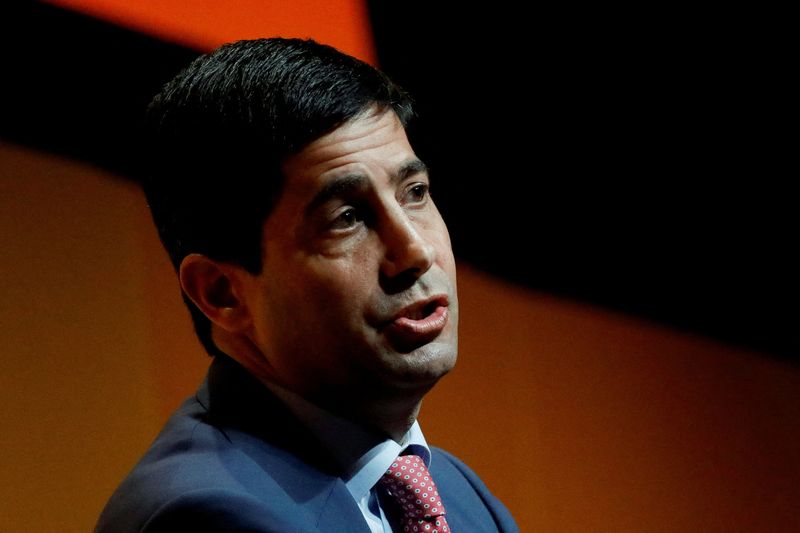
April 21 (Reuters) – Kevin Warsh would like to see the Federal Reserve slash its vast bond holdings, but has yet to flesh out just how he would do that if confirmed to be the next head of the U.S. central bank, a matter likely to come up in his confirmation hearing on Tuesday before the Senate Banking Committee.
Meanwhile, in the absence of specifics from Warsh, an effort is underway both in and outside the Fed to provide some intellectual heft for that goal.
The academic work largely agrees that if the central bank wants a smaller footprint in financial markets, the key is reducing financial institutions’ need to hold large amounts of cash. Academics and some Fed officials say regulatory changes allowing banks to hold less in the form of reserves are the primary path toward getting the balance sheet down, adding that changes in how the Fed uses its rate-control toolkit could also help.
Some modifications could in theory allow the Fed to pursue an easier stance of monetary policy than would otherwise be the case, although it remains unclear how that would play out.
But easing rules inducing financial institutions to hoard cash also could create other risks for the broader financial system.
“We have been encouraged by the evolution of the (Federal Open Market Committee) debate on the size of the balance sheet over the past couple of months” and there is “widespread agreement that there are regulatory opportunities to reduce that basic level of reserve demand,” analysts at Wrightson ICAP said in a note to clients last weekend.
REGULATION REVIEW
Fed Governor Stephen Miran in a research paper last month argued that the central bank’s $6.68 trillion in assets could be cut by as much as $2 trillion by loosening liquidity regulations, making adjustments to bank stress testing and working to bolster usage of existing Fed liquidity tools.
Dallas Fed President Lorie Logan, who was a key architect of the central bank’s monetary policy mechanics at the New York Fed, agreed early this month that rule changes around liquidity, among other options, could lower reserves and pave the way to a smaller Fed balance sheet.
Reserves, a proxy for market liquidity, loom large in the debate over the Fed’s balance sheet, as the central bank manages their levels to achieve its interest rate target. If reserves get tight, money market rates can start to rise and threaten the central bank’s control over that target. If there’s too much cash in the system, the Fed reduces its bond holdings to siphon funds out of the system.
finance.yahoo.com
#Warsh #faces #hearing #framework #smaller #Fed #balance #sheet #emerges