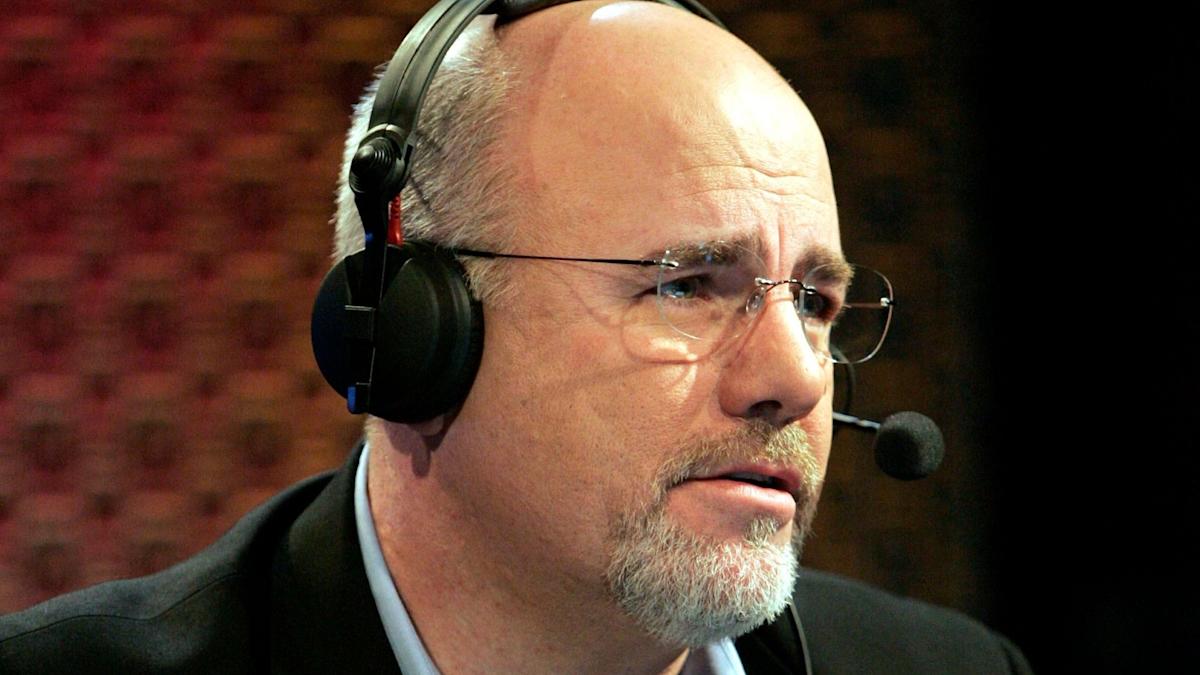
Dave Ramsey is famous for his 7 Baby Steps, which focus on building a solid financial foundation, getting rid of debt and growing wealth. This plan isn’t without controversy, though, as some people view Ramsey’s recommendations as outdated or disagree with how Ramsey prioritizes certain money moves.
Dave Ramsey Warns: This Common Habit Can Ruin Your Retirement
Trending Now: Clever Ways To Save Money That Actually Work in 2025
However, Ramsey personality George Kamel attributes the 7 Baby Steps to helping him become a millionaire, and believes they’re still useful in 2025. In a recent YouTube video, he addressed some common criticisms, and explained the benefits of following each step.
While $1,000 might seem like too little for emergency savings, a Federal Reserve report showed 37% of American adults didn’t even have enough cash for a $400 unexpected expense in 2024. So, it’s still a better safety net than many others have.
Kamel also explained that saving this small initial amount lets you move on to tackling your debt sooner. It’s an early success that helps motivate you, and you’ll build up a bigger cushion later.
Find Out: 4 Secrets of the Truly Wealthy, According To Dave Ramsey
Eliminating your consumer debt will free you from the related interest charges, monthly payments and dent in your net worth. This step includes tackling things like credit cards, auto loans and student loans, but excludes your home’s mortgage for now.
“The reason you can hold off on paying your mortgage loan is because real estate is an asset that will reliably grow in value over time,” said Kamel. “Plus, it’s a mountain to pay off that giant loan.”
Ramsey’s approach also involves the debt snowball method, which can seem counterintuitive since it ignores interest rates and focuses only on the debt size. However, Kamel explained that the key is momentum that keeps you moving with your financial plan.
Being free of consumer debt should free your budget so you can return to filling up your emergency fund with the suggested three to six months of your usual expenses.
Kamel explained that this step works since the larger financial cushion helps you avoid taking on future debt and being in crisis mode when unexpected expenses do arise. Plus, if you use a high-yield savings account, you can begin growing this cash at a modest rate.
According to Fidelity’s Q2 2025 retirement analysis, American employees contributed 9.5% of their pay to 401(k) accounts. Ramsey’s plan involves contributing 15% of your pre-tax income to a tax-advantaged retirement account, and there’s a good reason behind this target rate.
finance.yahoo.com
#Dave #Ramseys #Baby #Steps #Building #Wealth #Outdated #George #Kamel