


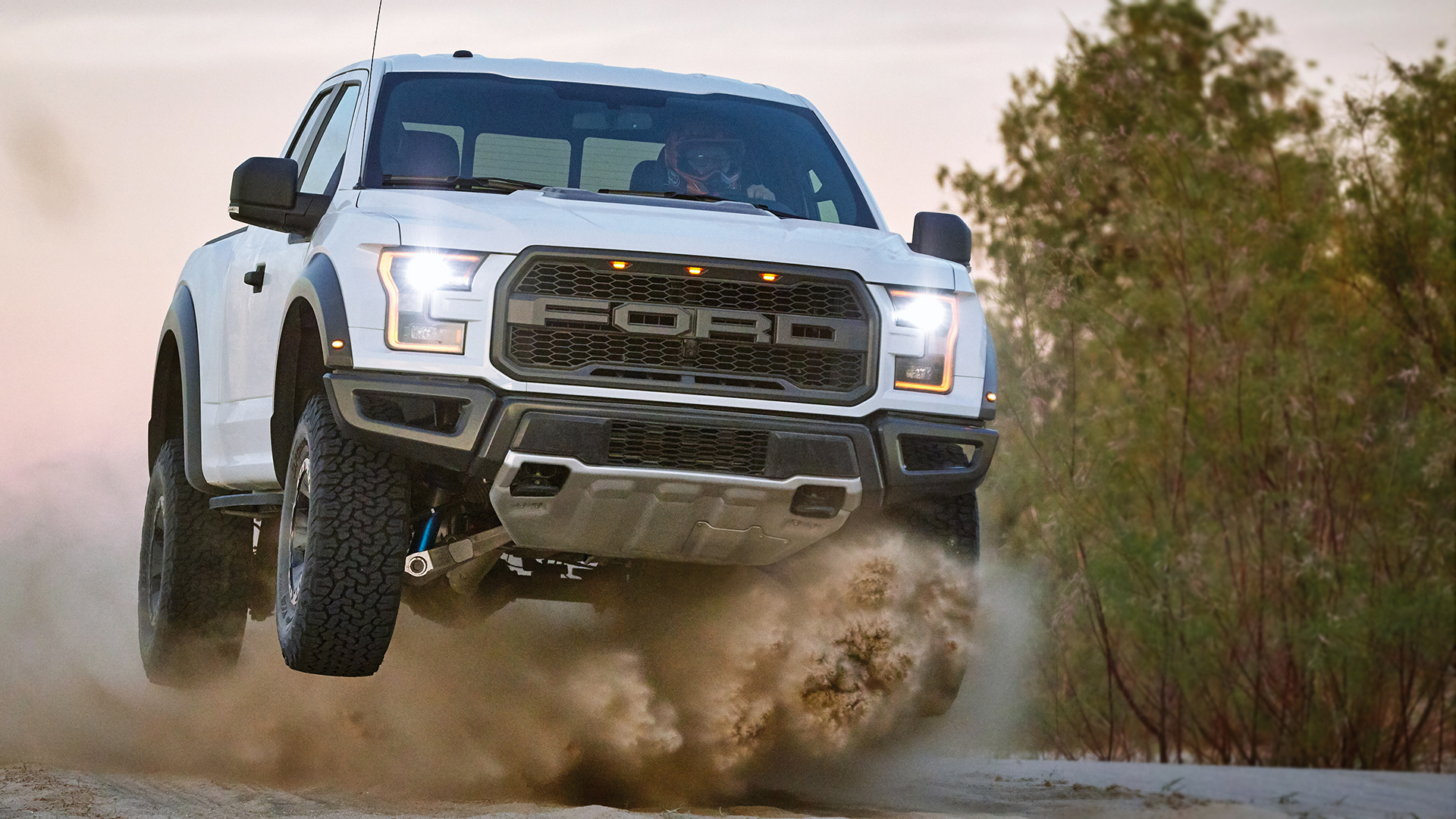
America’s cars and trucks may be getting bigger and less performance-oriented on balance, but you wouldn’t know it from the way we drive ’em. Reckless driving reach epidemic proportions during the pandemic and has only somewhat abated since. And despite the fact that the number of accessible enthusiast cars in the market has plummeted in recent years, performance-oriented advertising has actually increased, signalling that this shift in purchasing habits has done nothing to curb what IIHS President David Harkey called America’s “cultural obsession with speed.”
Are you familiar with IIHS? That’s the Insurance Institute for Highway Safety. You probably know them as the crash test people (not to be confused with those crash test people) but, more broadly, IIHS is a watchdog group that was put together to study ways to make cars safer. Why? Because safer cars reduce accident frequency and severity—two things you want less of when you’re in the insurance business.
“Showing a stunt driver zooming around a tight turn in the rain might seem harmless,” Harkey said. “The fine print may caution that it’s a professional driver on a closed course, but the message they convey is that you can drive this way too.”
This pervasive tendency to lean into the performance advantages of modern powertrains and driver aids is sending the wrong message, IIHS argues, which may actually contribute to aggressive driving and, ultimately, to more-frequent crashes and speeding infractions. Because they’d prefer you do less of both, IIHS’s analysts keep a close eye on everything that influences driver safety, from the cars themselves (hence the crash tests) to human factors and societal trends. That’s how the Institute’s latest study came to be.
“From 1950s hot-rod songs to action-film franchises like The Fast and the Furious, speed has long been a celebrated part of U.S. car culture,” the summary said. “Vehicle advertisements — unlike movies or music — are designed specifically to persuade. Many of them present high-performance driving as something consumers can purchase and experience.”
Heh, yeah. And plenty of them are pretty good at it. We’ve even seen examples of automakers and Hollywood blurring those lines. As IIHS itself pointed out, this is nothing new. The watchdog cites the 1990 Nissan 300ZX Super Bowl “Dream” spot as a prime example; sticking with that same theme, Chevy had to ditch a commercial for the C6 Corvette over similar outcry.
After analyzing more than 2500 television, internet and social media car advertisements, IIHS says that modern marketing strategies lean even more on performance than they did in the past.
“Across the full study period, performance was the most common theme, appearing in 43% of ads,” the summary said. “About 16% included speed or speeding, and 28% emphasized traction.”
“By comparison, only 8% of ads highlighted safety,” IIHS added.
Statistically speaking, this trend is being driven at least partially by the rise in performance-based marketing of trucks and SUVs—something that used to be the domain of sedans and coupes.
“The probability that an ad for an SUV would be themed around performance rose from 28% in 2018 to 45% in 2022,” IIHS’s summary said. “Depictions of speed or speeding were much more common in sedan advertising than in ads for pickups and SUVs. In 2020, speed or speeding themes appeared in 47% of sedan ads, compared with 11% of SUV ads and 5% of pickup ads.”
IIHS says there’s at least some evidence to suggest that this marketing strategy influences driver behavior. The uptick in speed-centric advertising correlated with an uptick in crash-related road fatalities during the same period. Coincidence or causation? IIHS argues it’s the latter.
“Almost 90% of respondents in the most recent survey of speeding attitudes and behaviors agreed or strongly agreed that everyone should obey the speed limit,” IIHS said in the study, “and over 70% agreed or strongly agreed that driving at or near the speed limit reduces the chances of a crash (Cosby et al., 2024, December).”
“Meanwhile, 61% of those respondents classified themselves as either ‘speeders’ or ‘sometimes speeders’ and 91% agreed or strongly agreed that people should keep pace with the flow of traffic,” the study continued. “Speeding does not carry the same social stigma as impaired driving and therefore is often legitimized as normal behavior.”
But even if social acceptance of speeding remains the same, vehicles are still getting bigger and heavier—and they’re shipping with powertrains that allow them to keep up with traffic just fine. As time goes on, the inevitable consequences only become more amplified.
Got a news tip? Let us know at tips@thedrive.com!
www.thedrive.com
#Americas #Cultural #Obsession #Speed #Fueled #Advertising #IIHS


