


Ours is an era defined by the never-ending war between analog engagement and digital refinement. Few automakers find themselves in the epicenter of this debate more often than BMW. In the same year the U.S. finally got a long-roof M5 of our own, it also happened to be the M5 that weighs as much as a dwarf planet. This is a brand that promises to offer enthusiasts the freedom of working an clutch and shifting their own gears, without entirely grasping why they’d want to. It’s this confluence of conflicting values that also leaves me feeling quite conflicted about the BMW 550e xDrive, the electrified pinnacle of the company’s non-M-badged midsize sedans.
This is objectively a very refined and very well-engineered luxury sedan; the kind of executive German four-door bred to run long distances on the Autobahn in relative—though I wouldn’t say unsurpassed—comfort. I like this car, but I wanted to like it more. And maybe I would’ve, but it seemed intent to frustrate at every turn. You settle in for a nice backroad or a stress-free highway shuttle, and then you have to tweak or fiddle with something, as you would when driving anything. These are the moments that can make or break any car. In the 550e, they’re almost always best referred to as “pain points.”
The Basics
The 550e xDrive starts at $73,400, sitting above the entry-level 530i and mid-grade 540i in BMW’s pecking order. The 530i has a 2.0-liter four-cylinder while the 540i contains BMW’s revered 3.0-liter B58 inline-six, both turbocharged and linked to eight-speed transmissions. The 550e supplements the straight-six’s 309 horsepower with an electric motor, for a sum of 483 hp and 516 lb-ft of torque. It’s a plug-in hybrid, too, and while BMW estimates an all-electric range of 33 miles, I found my loaner to outperform that well into the mid-40s.
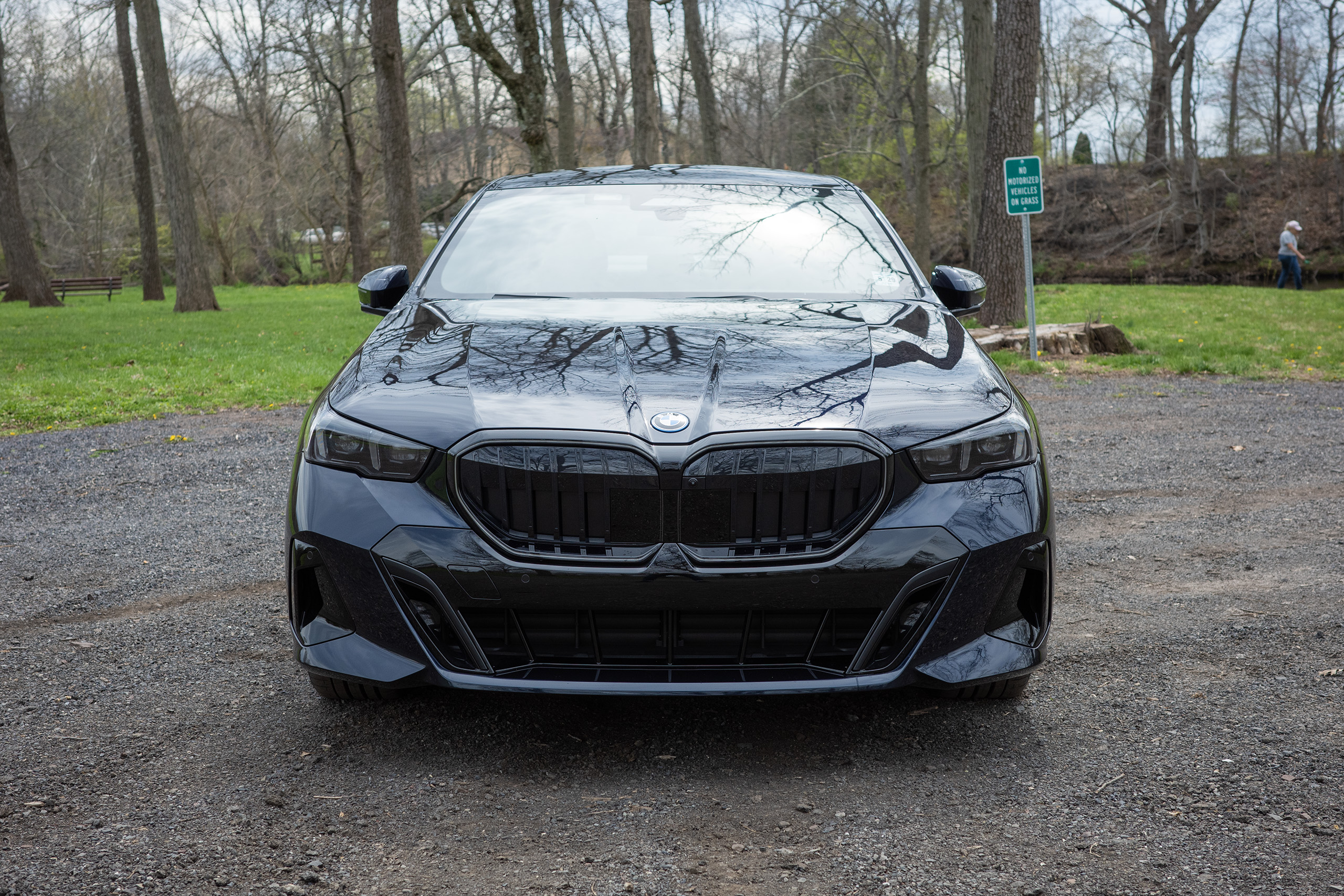
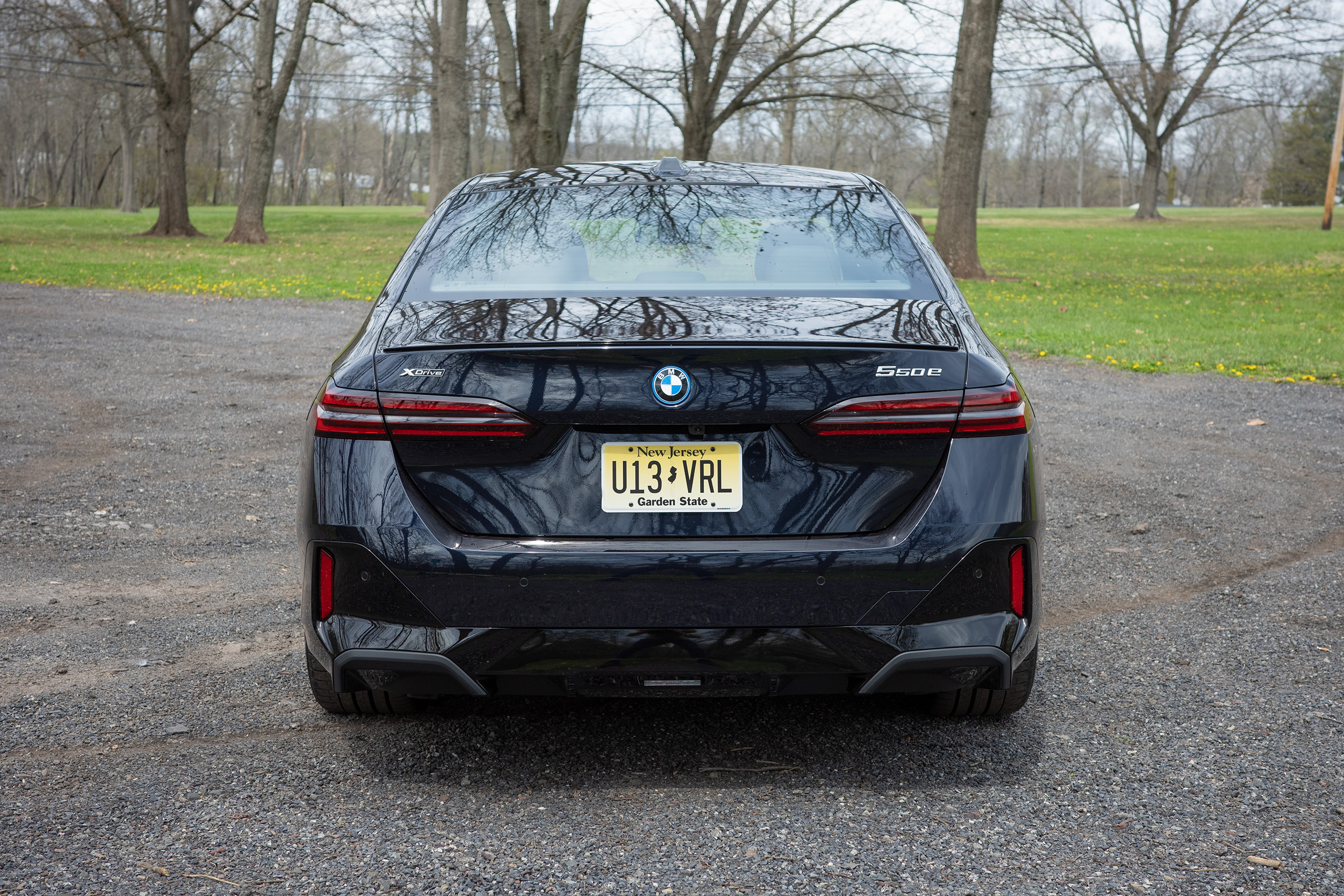
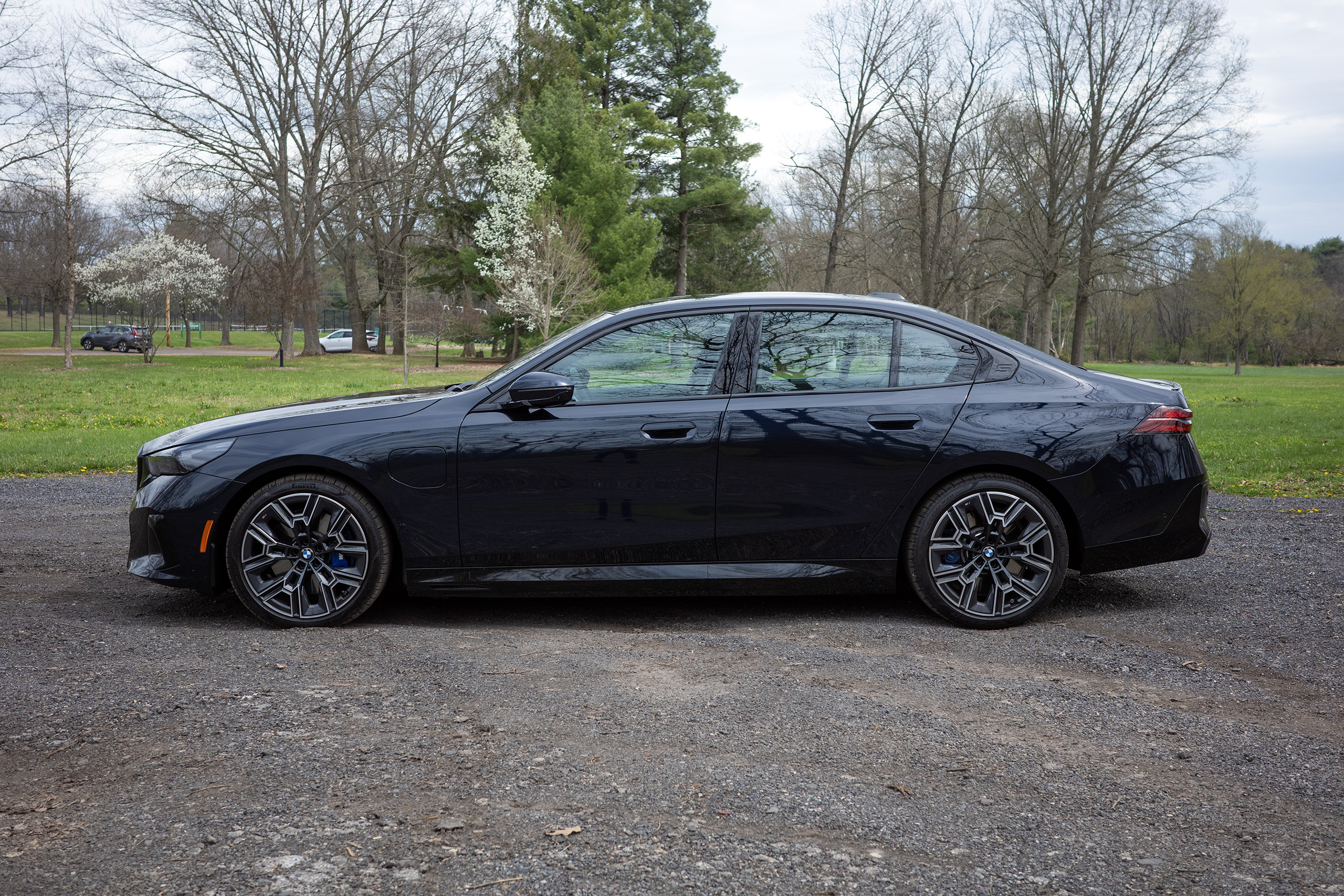
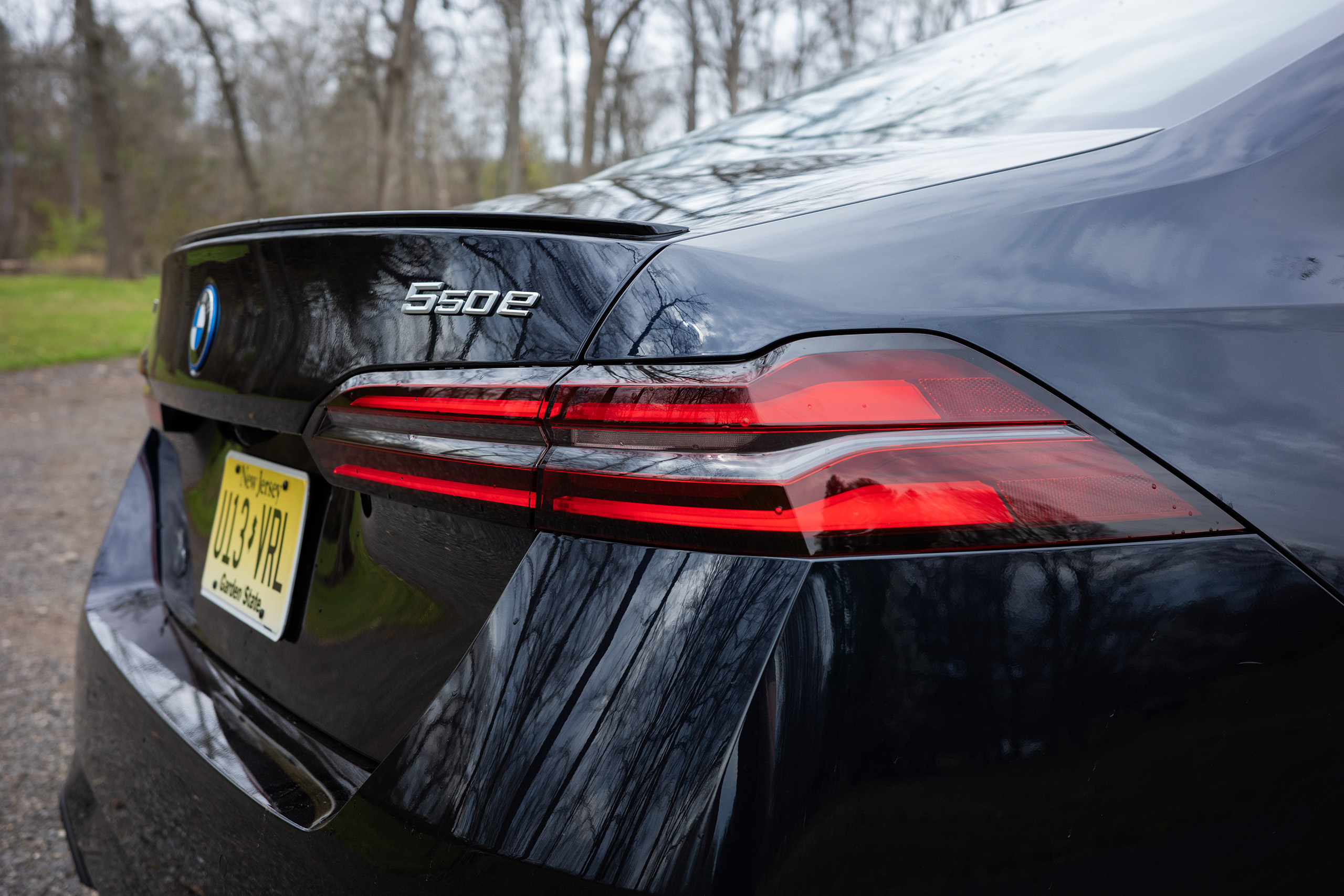
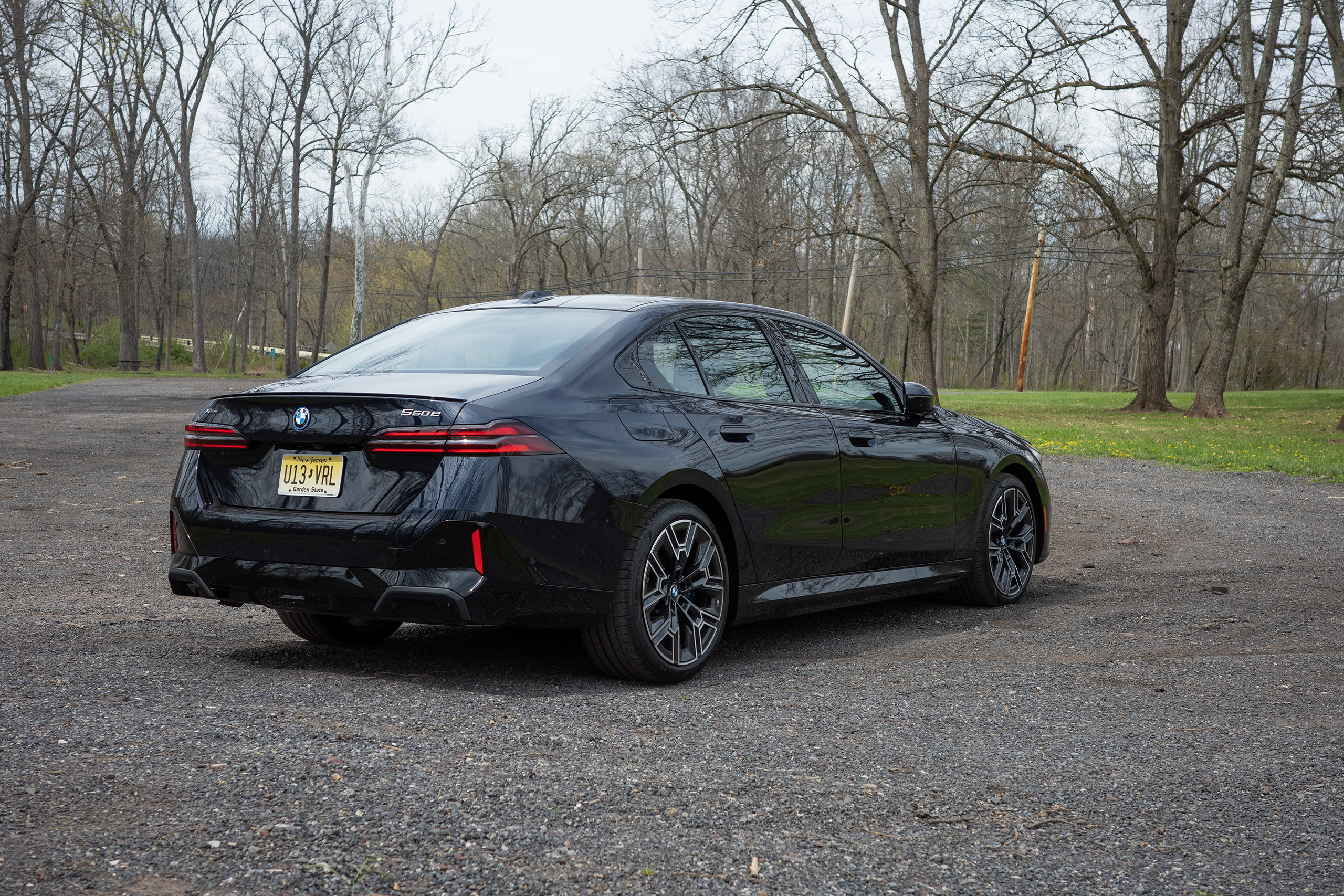
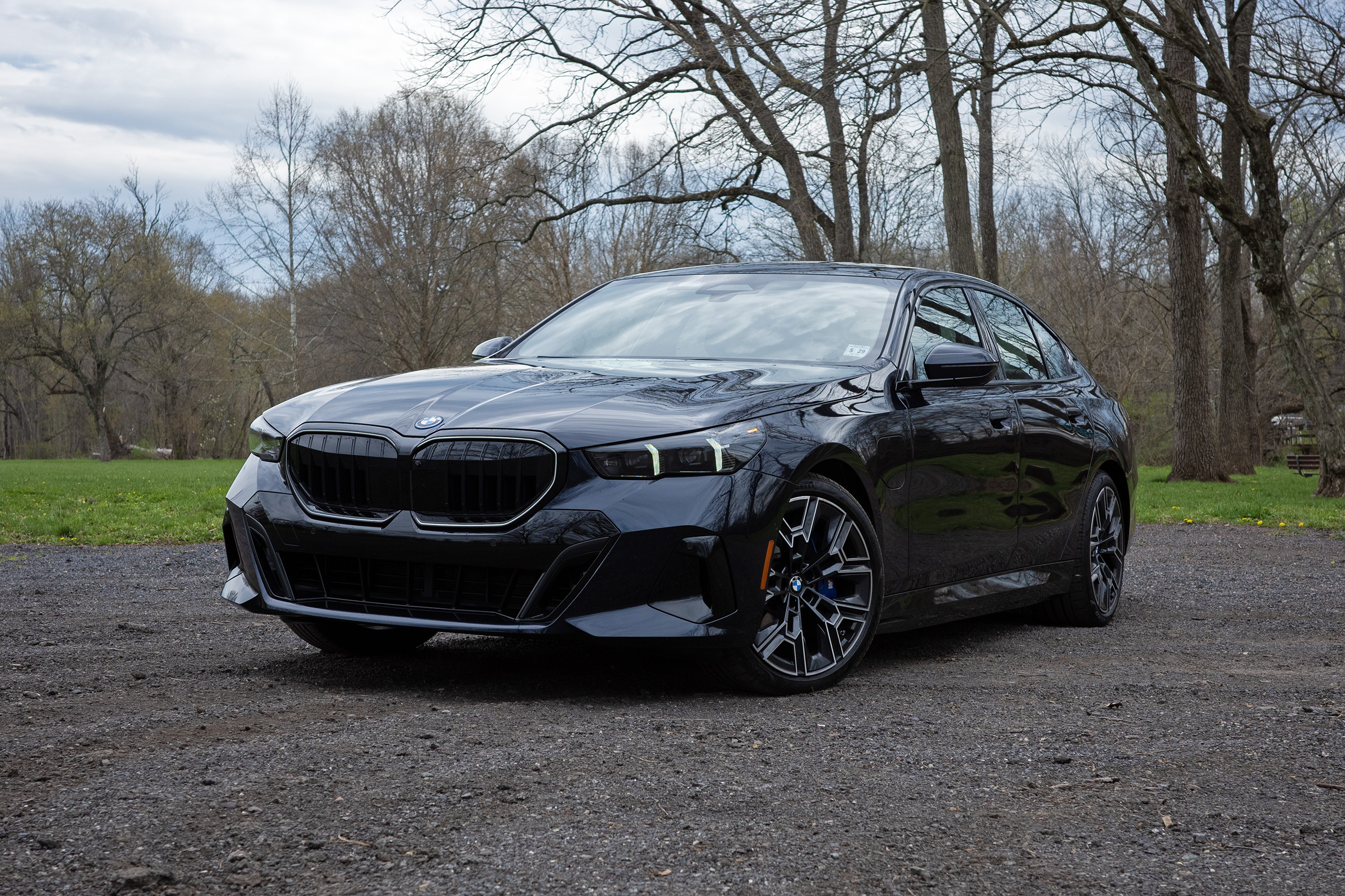
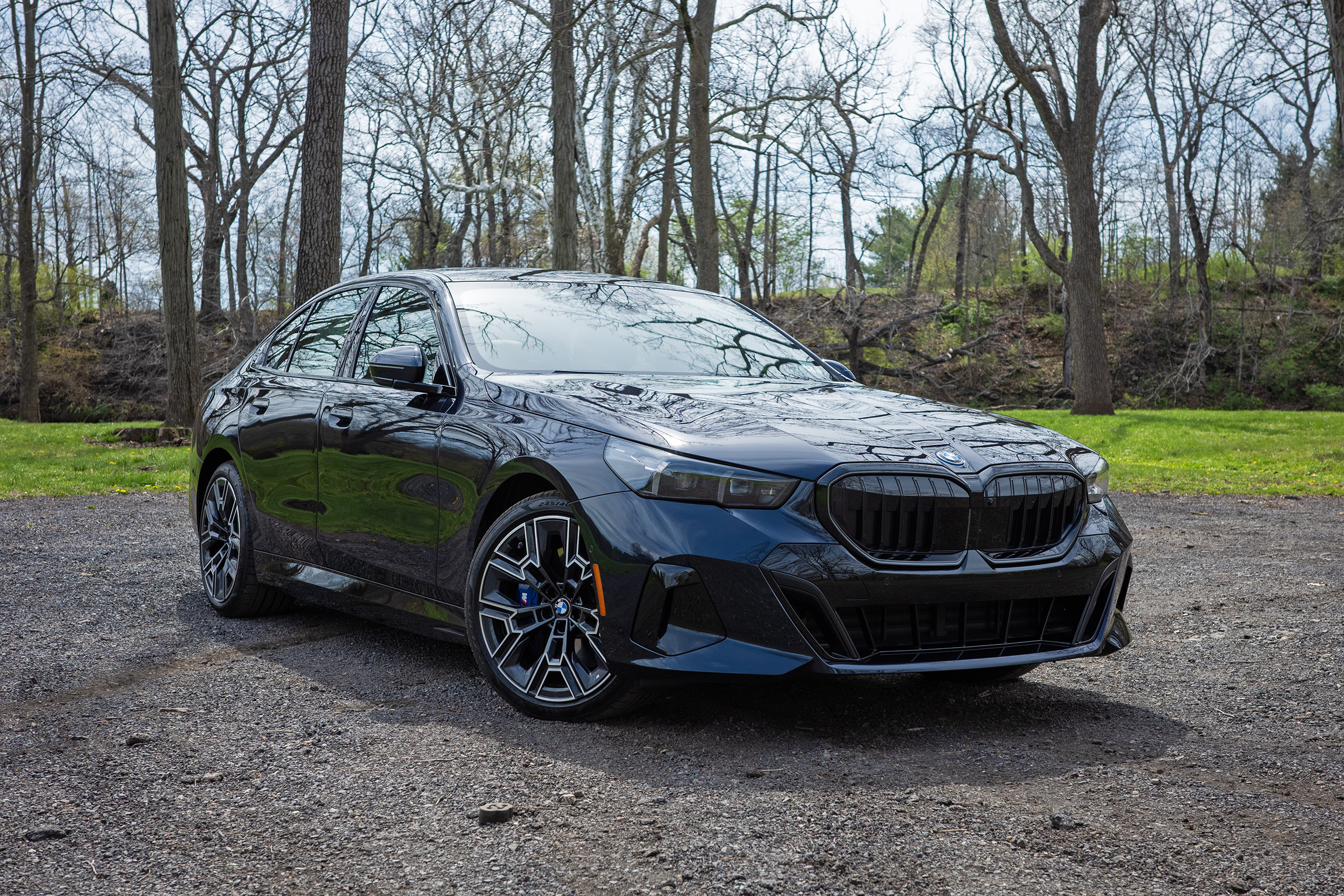
We’ll start with the exterior, which, despite this G60-generation 5 Series only having spent around three years on the market, already strikes me as a little dated. Mostly, that’s because the G60 arrived just as the brand was on the cusp of a thorough aesthetic overhaul. And look—while I don’t think the Neue Klasse design language has made the journey to production as well as I’d hoped, I’m ready to see how it’ll manifest on the next 5er, because this just isn’t it.
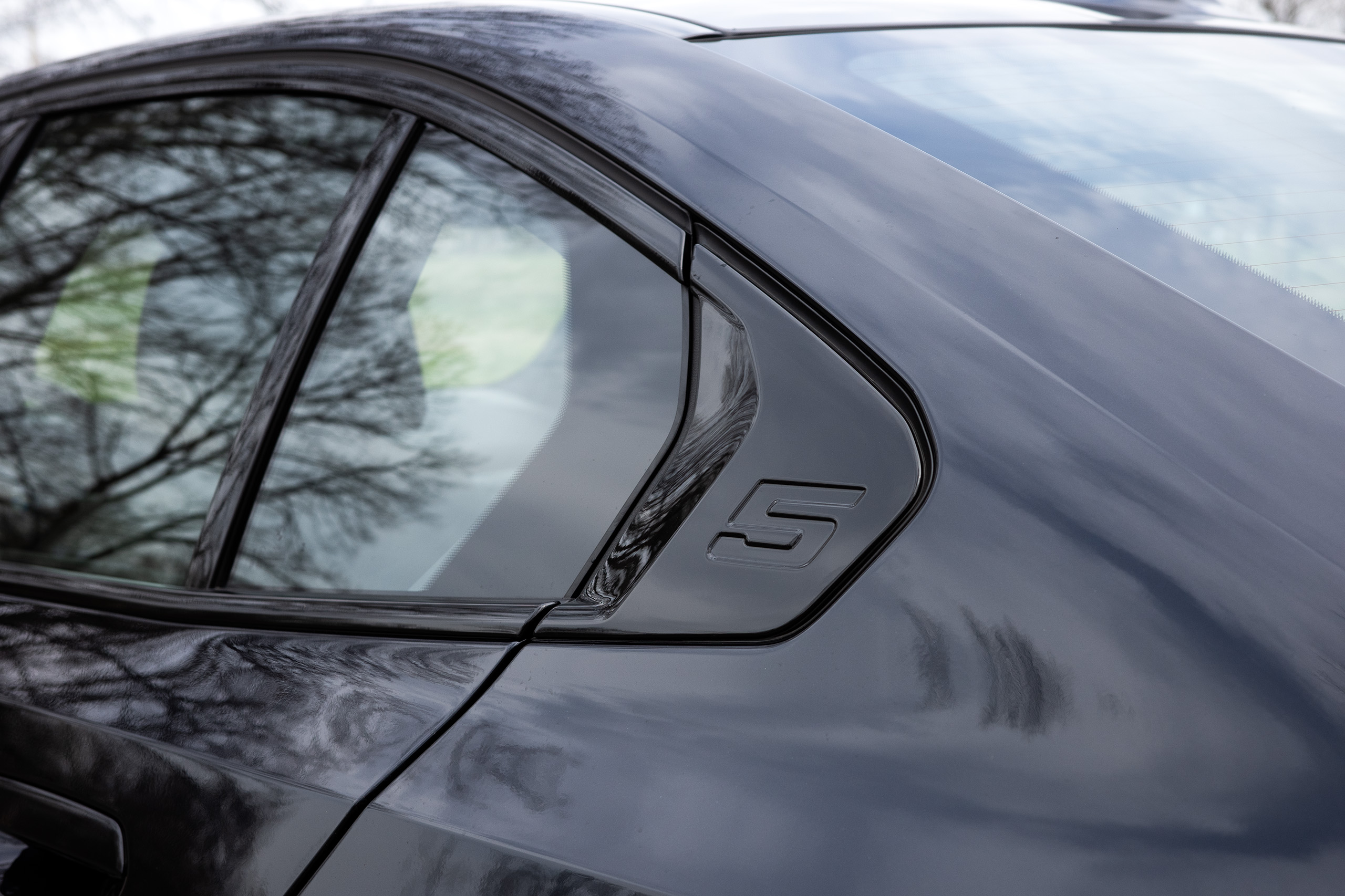
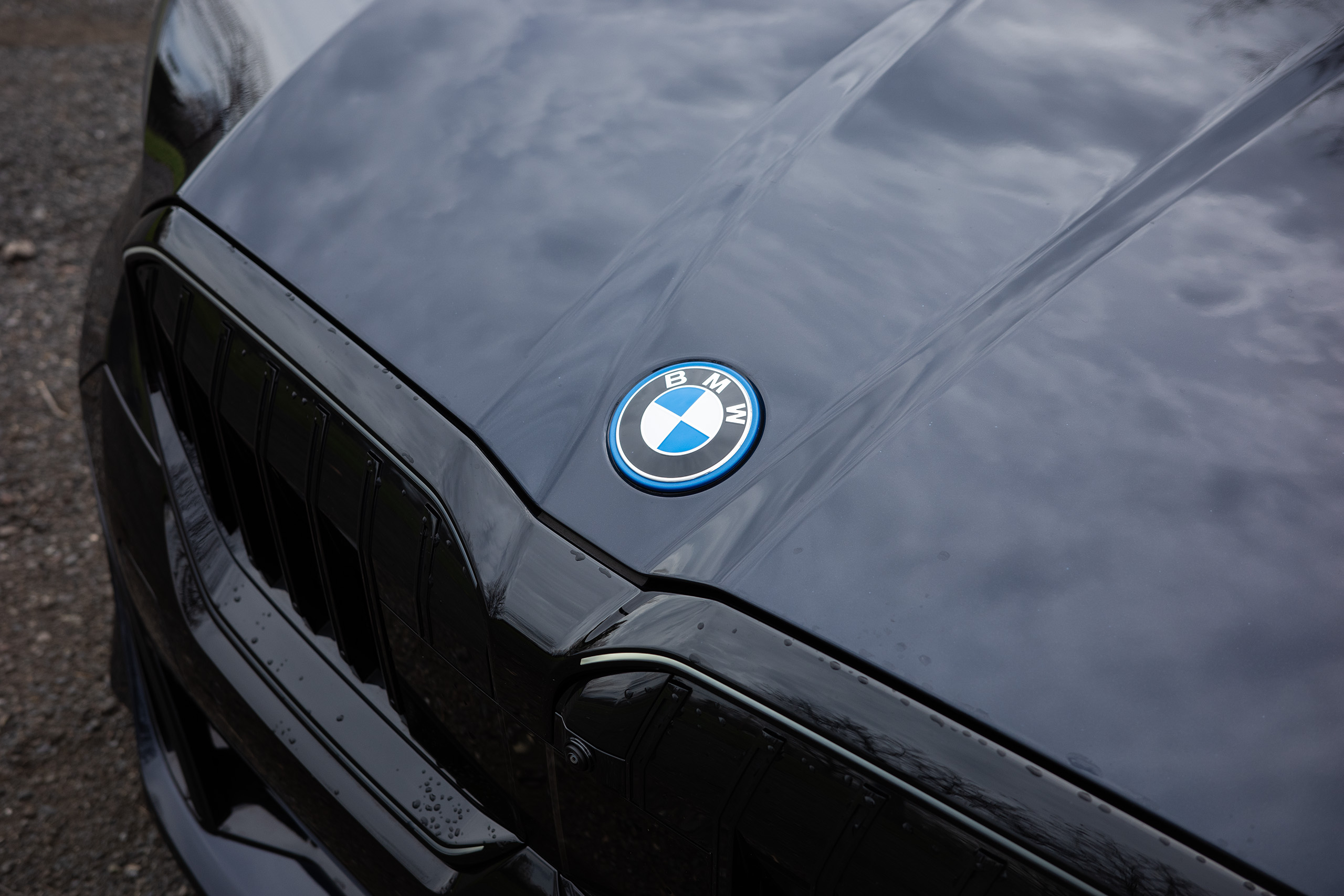
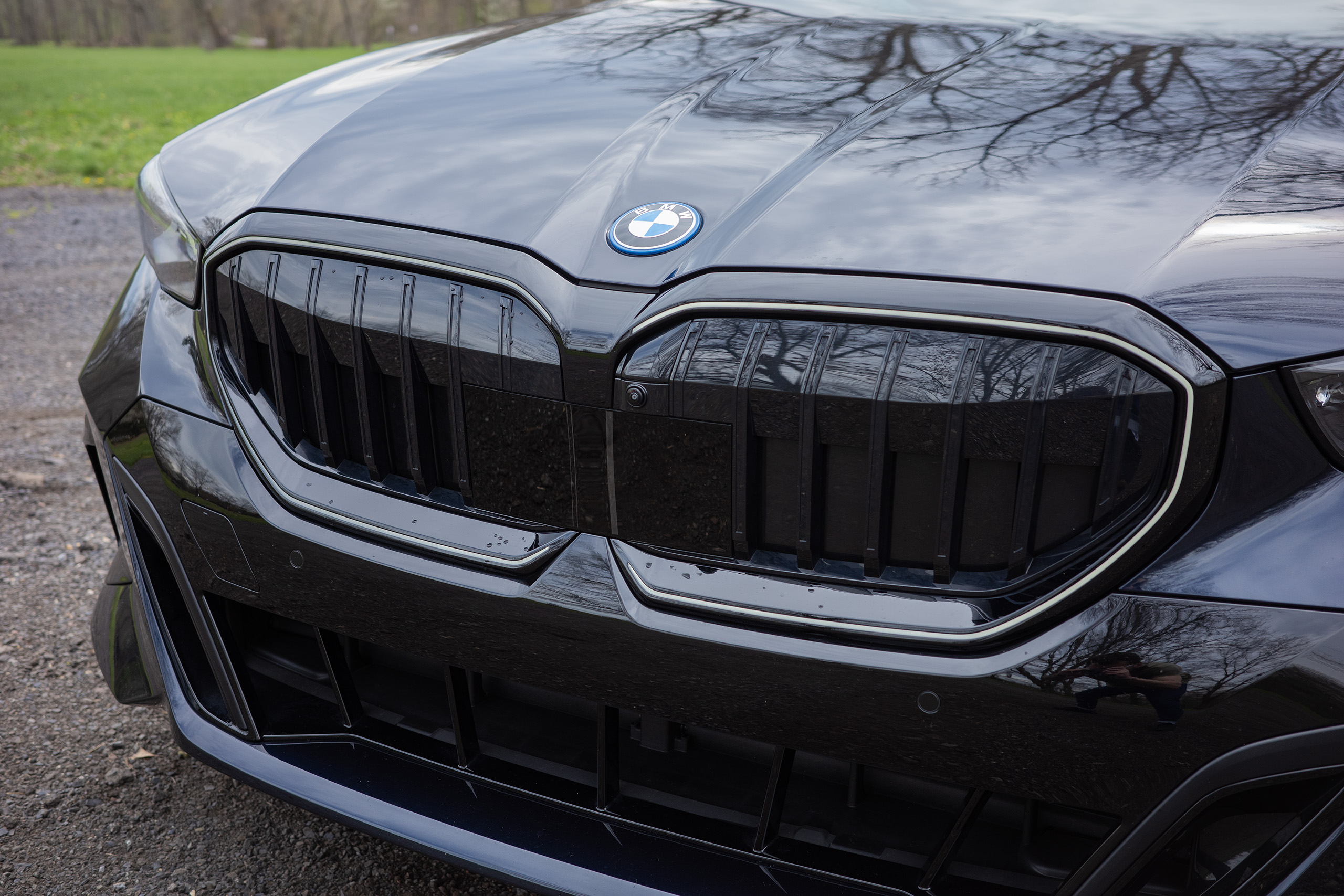
OK, there’s no hated 3 Series nasal-cavity grille, and we can all agree that’s great. But the schnozz on this one’s still too big, with the Zac Efron jaw that BMW seems so desperate to give all its cars. The long hood and C-pillar-to-decklid treatment looks decent, but everything about the current-gen 5’s exterior strikes as too thick, too bloated. Sure, the car itself is quantifiably thick, but there are visual tricks to distract from that, not that BMW’s designers seemed willing to employ any of them here. The interior’s a more dire story, but we’ll cover that a bit later on.
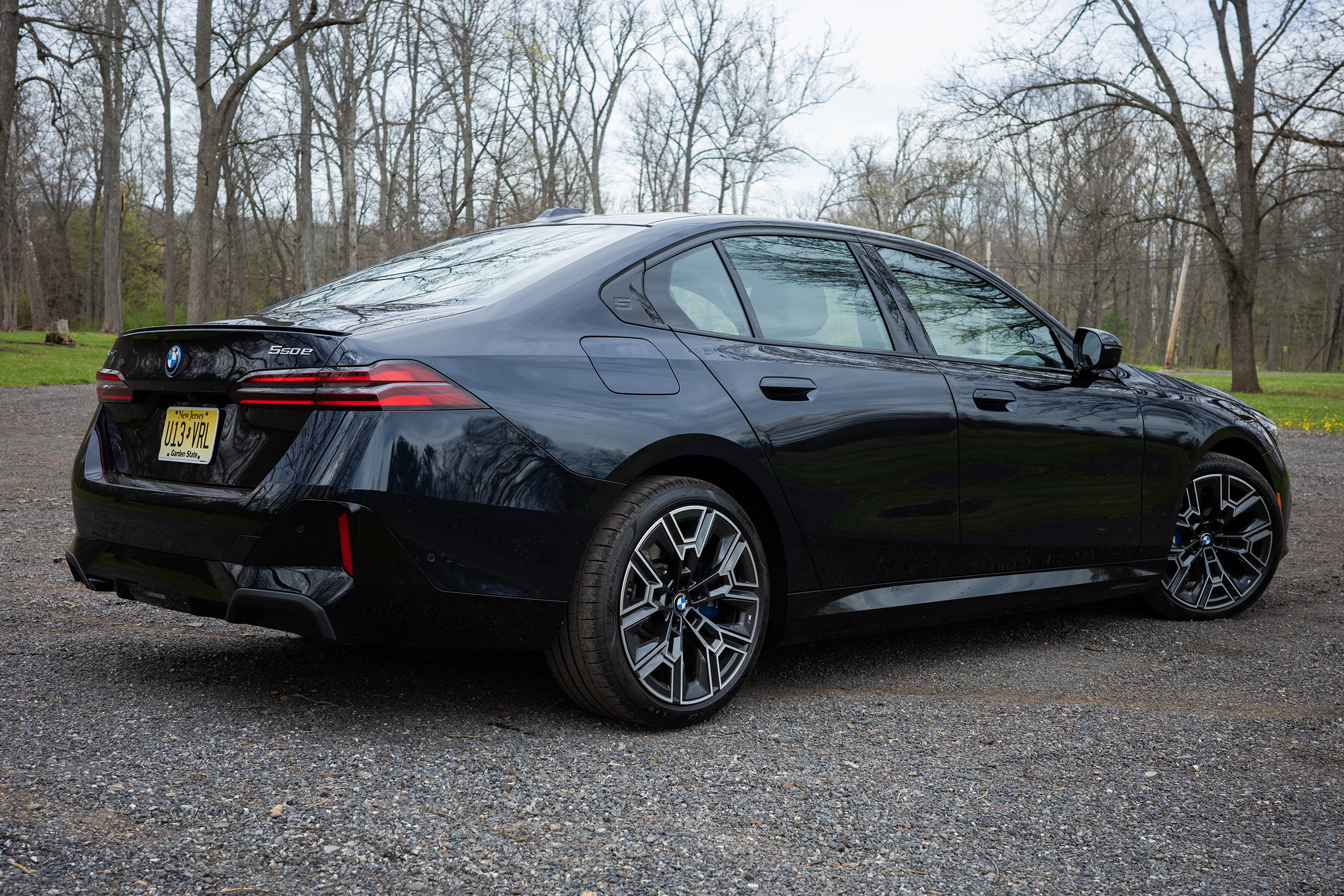
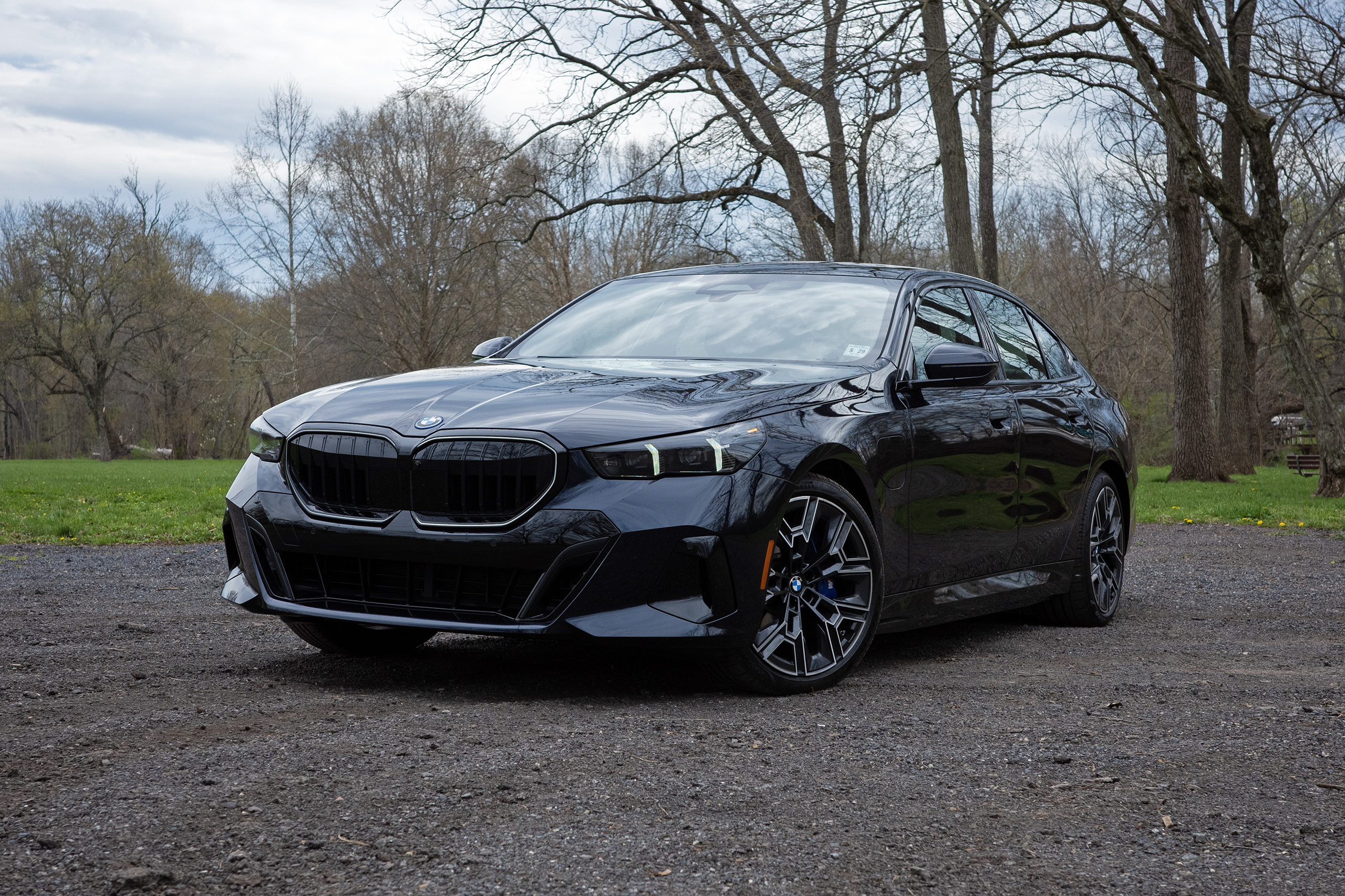
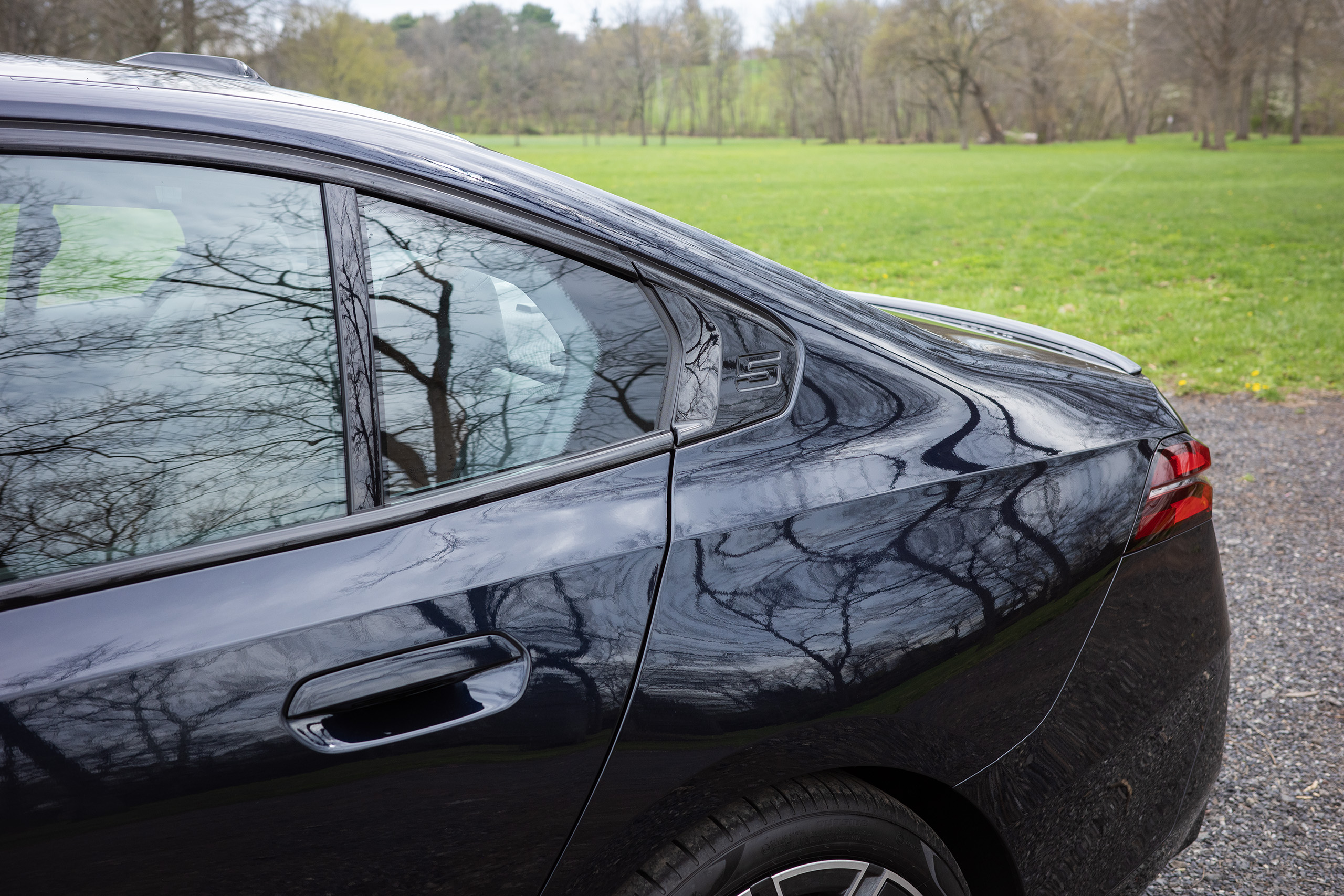
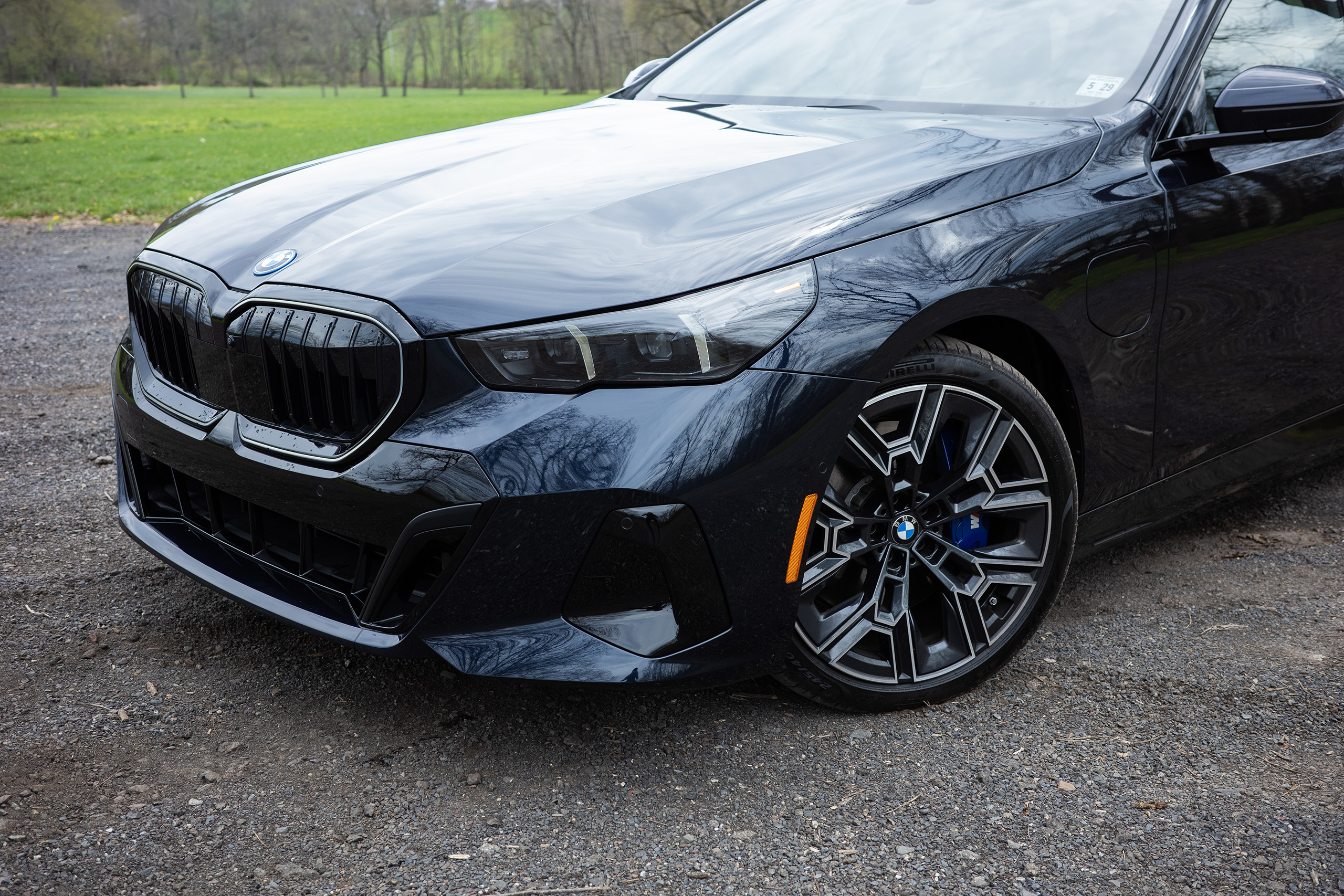
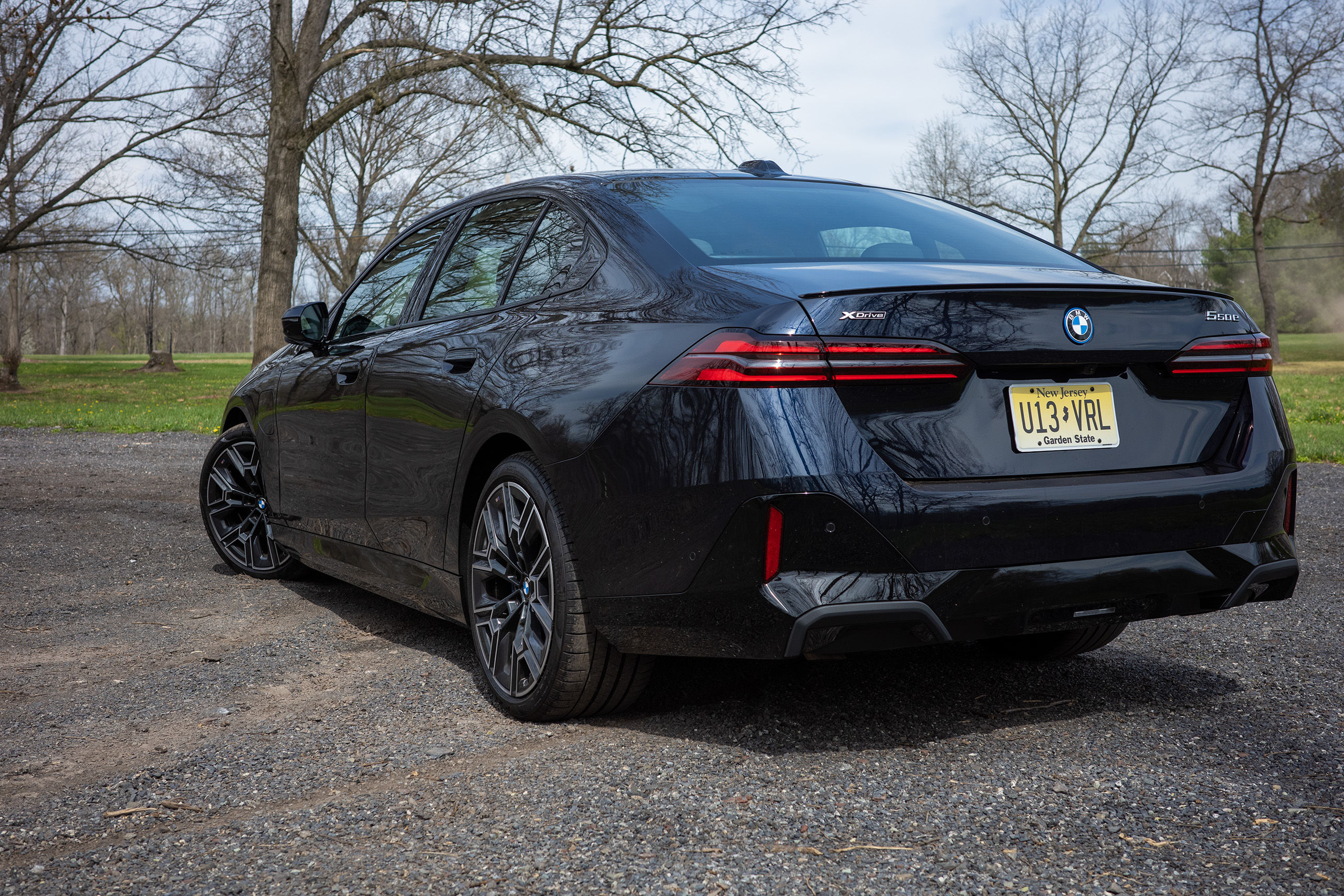
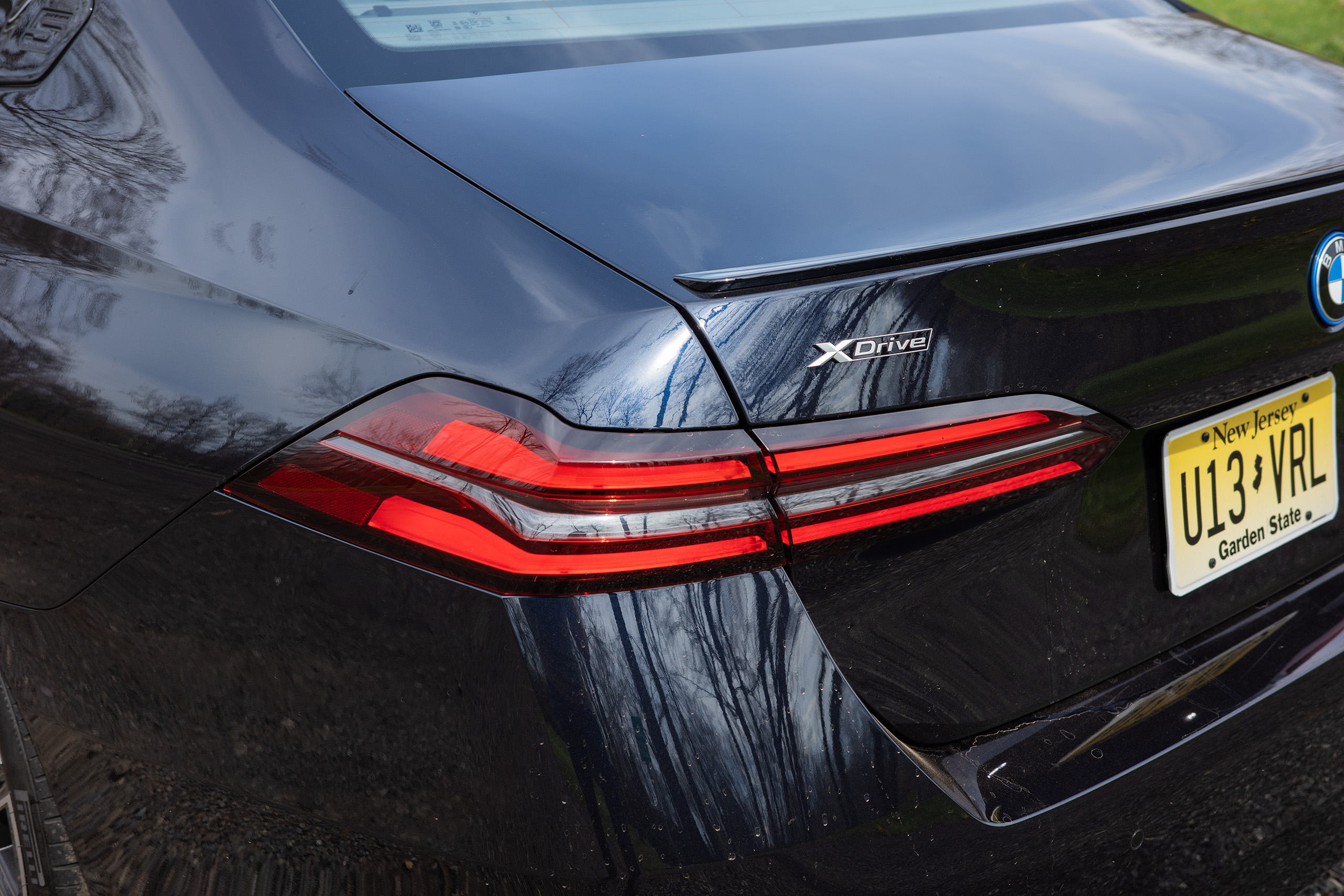
To be fair, I do think this is one of those cars that can look acceptable or entirely forgettable depending on the color you choose, and I wouldn’t have gone for the Carbon Black Metallic of my tester. It does have subtle navy tones that emerge in direct sunlight, but most of the time, black just leaves this sedan looking like a 5,000-pound hunk of slate. Totally missable, and not in the sophisticated, sleeper way; in the desperate-to-be-cool-but-hoping-nobody-can-tell way.
Driving the BMW 550e xDrive
I have absolutely nothing negative to say about this car’s powertrain. Yes, this sedan is a touch under 4,900 pounds, but 483 hp is nevertheless a healthy figure, and 516 lb-ft of total torque—a chunk of it electric and therefore instant, filling in any gaps—is more than enough to make the 550e feel genuinely rapid. The B58 is smooth as ever and doesn’t sound half-bad, either. Not much in this car can be easily turned off, but purists need only toggle one setting to disable the manufactured engine noises of Dynamic mode.
Speaking of Dynamic mode, I particularly like how aggressively it keeps the stout and snappy ZF eight-speed in lower gears. With some cars, a “sporty” powertrain map feels like a missed opportunity. Here, it plays the part. My colleague Andrew called the M5 Touring he drove months ago “too fast for public roads.” The 550e, then, strikes a power quota more like the more manageable, usable M5s of my youth. But it’s also very good at transitioning from a silent, all-electric cruiser to a slightly raucous highway charger. Aside from hearing the straight-six perk up, there’s little in the way of jarring vibrations or palpable power delivery hiccups to call attention to a change in the flow of energy.
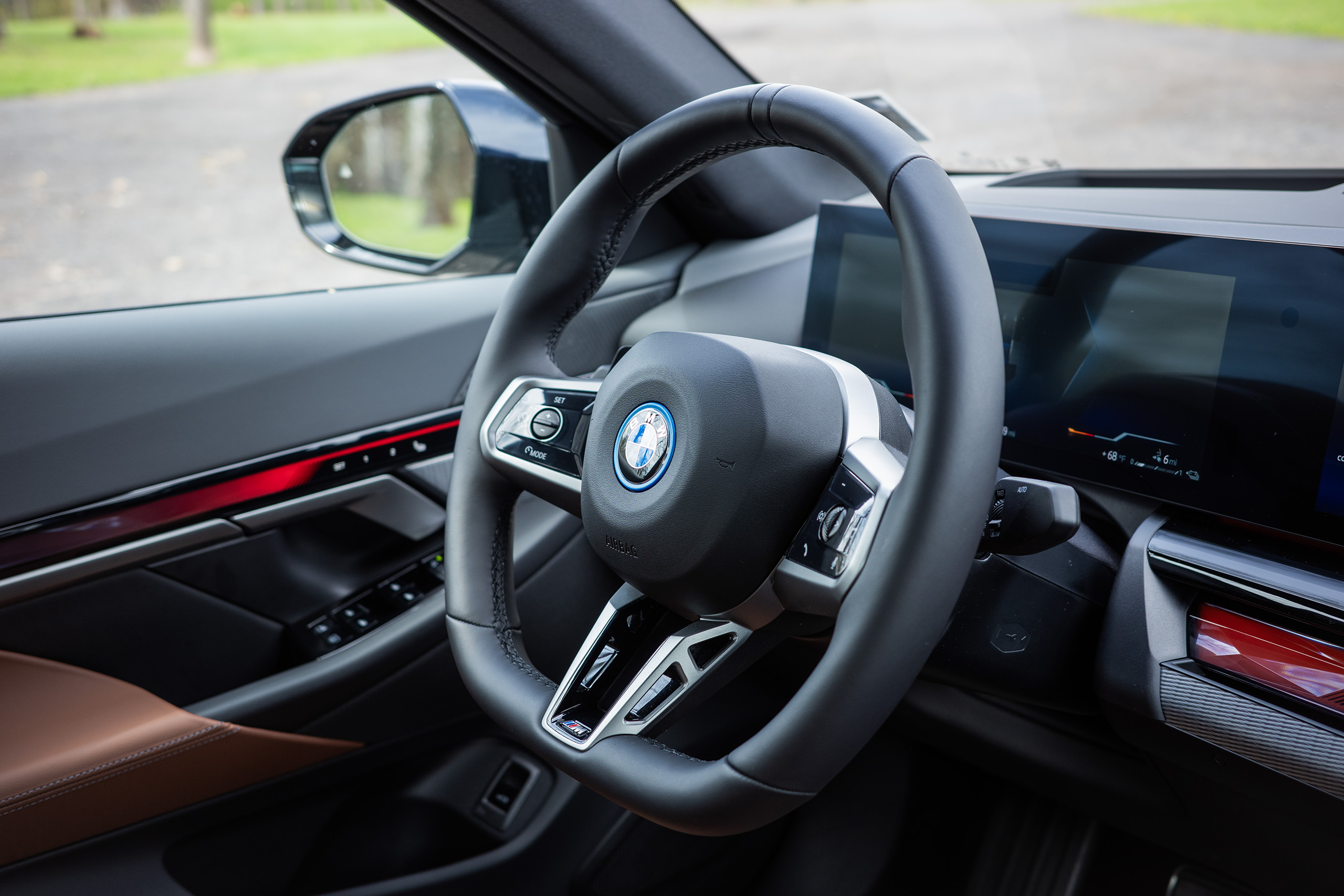
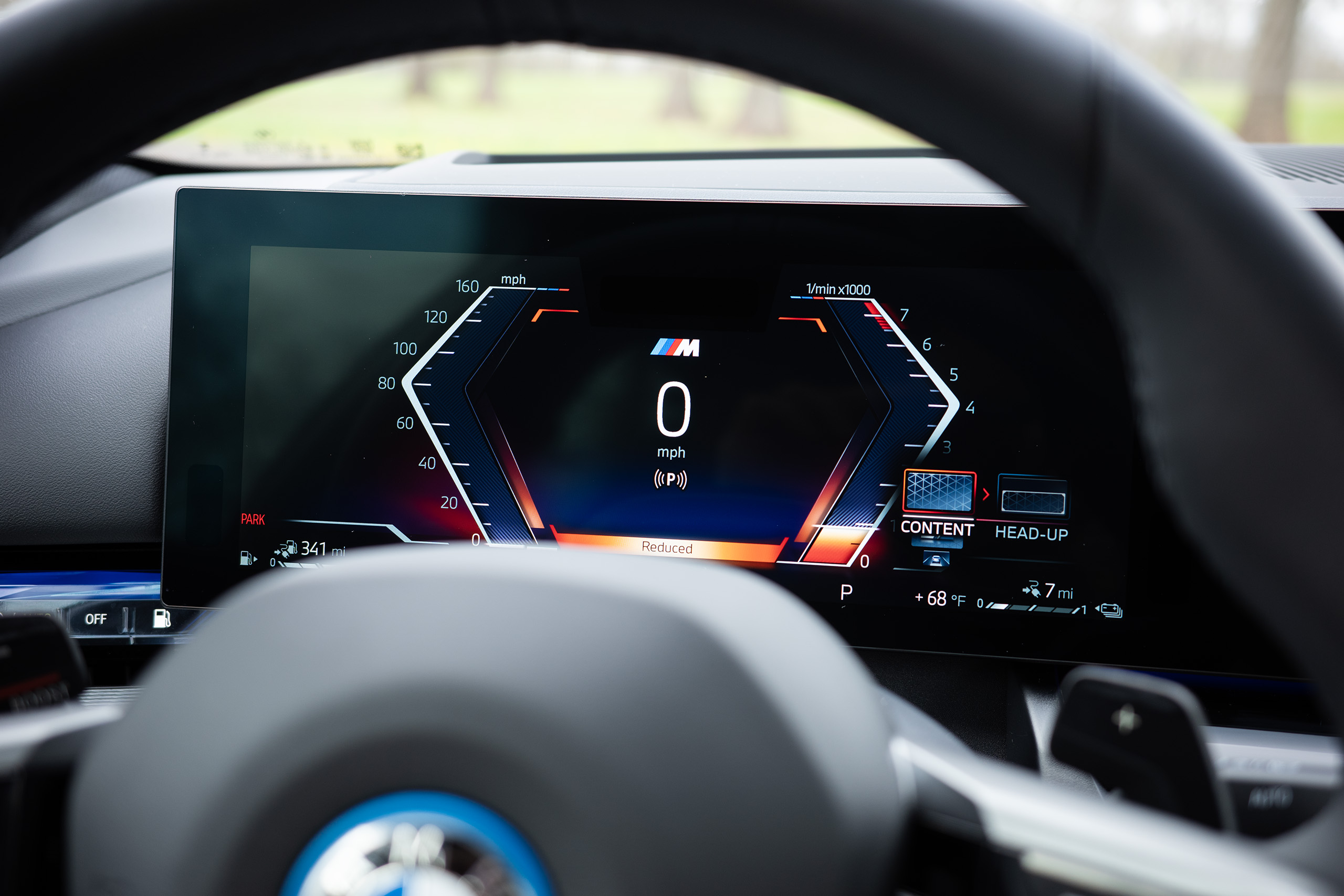
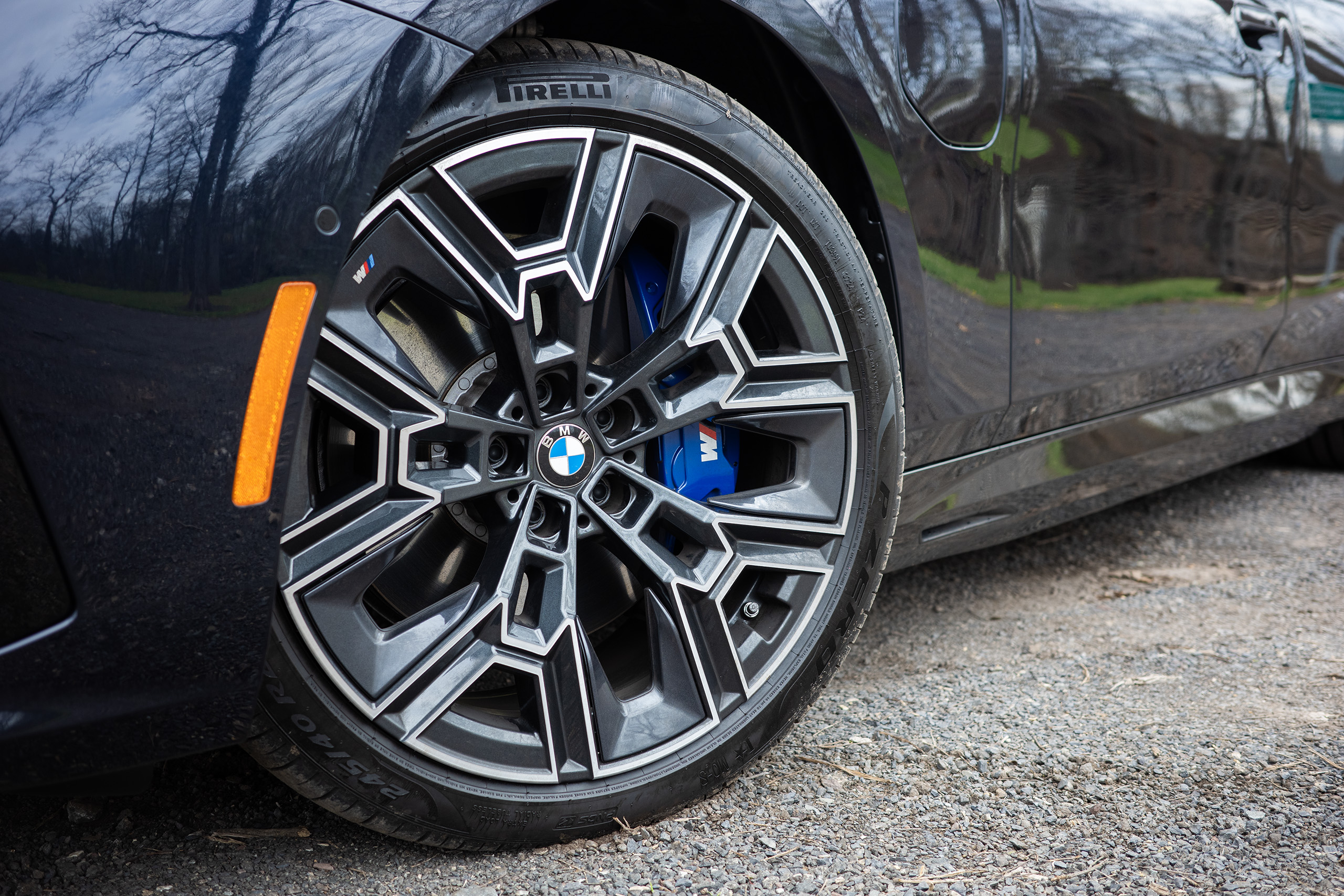
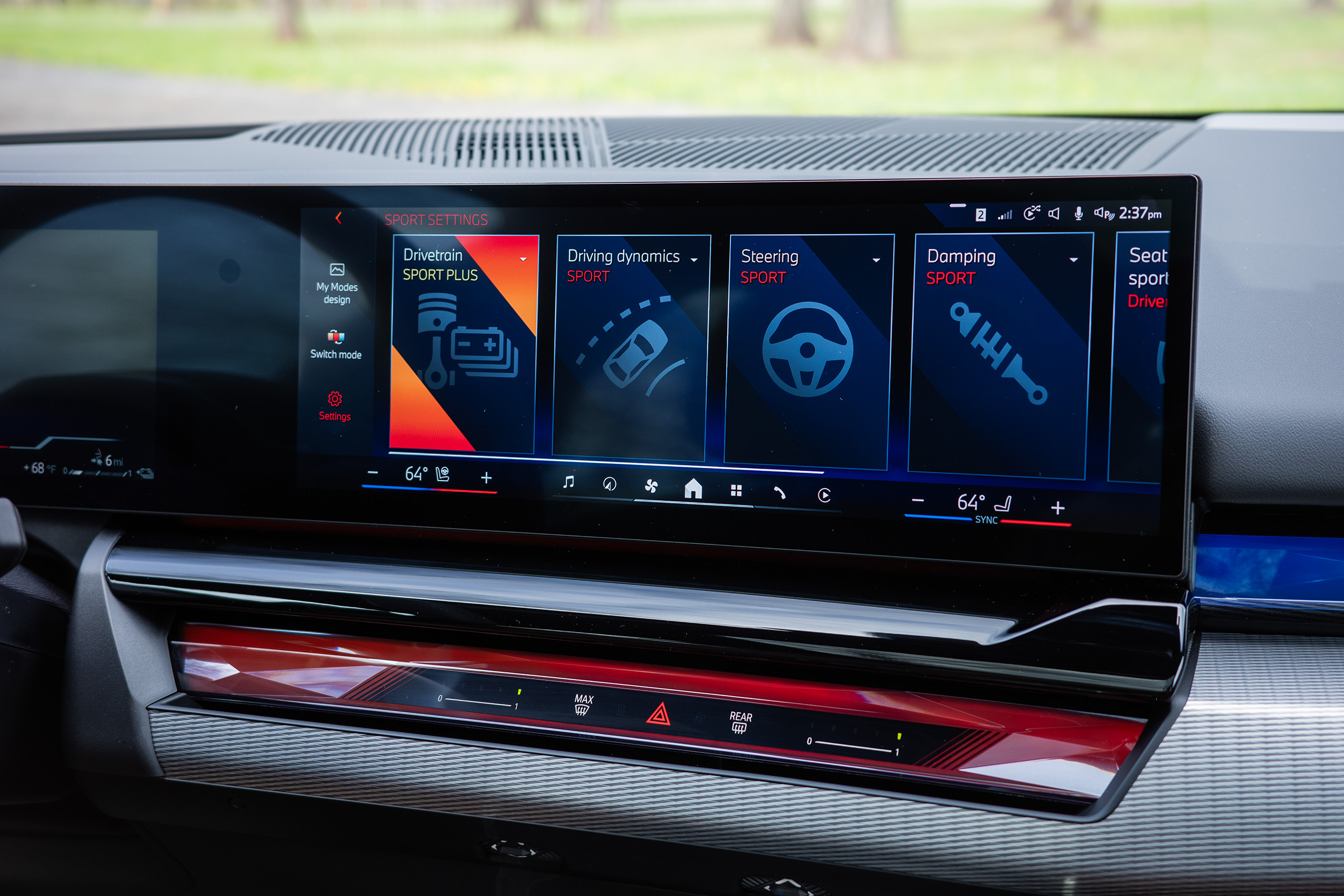
Where the driving experience begins to falter a bit is in the steering and ride. This particular sedan, with its optioned rear-wheel steering and M sport brakes, can change direction and stop like a vehicle two-thirds its size in every dimension. And yet, the electric power steering can’t help feeling a little detached in any of its modes. I knew I had all the grip I could desire, and yet, I always felt like I was hovering just above the surface. Grasping the unnecessarily large, chunky wheel, there’s just something missing viscerally. The 550e might be able to boogie in the way you wouldn’t expect a big car to, but, well, it still feels like a big, isolating car.
As for the road manners, my tester’s optional dynamic suspension could be toggled between comfort and sport tuning, a $2,200 option. While there was certainly a difference between them, the 550e never reaches Mercedes Airmatic levels of cushiness, even in the former, more docile setting—let alone capable of the brain-breaking, physics-warping feats that you find in an electrified Panamera or Taycan with Porsche Active Ride. I haven’t driven the current M5, but I hear it’s harsh. You’d hope that a 550e with some optional, M-derived extras would strike a proper balance between a super sedan like that and something more basic and inoffensive, but it isn’t as adept at the soft end of the spectrum as it could be.
The Interior
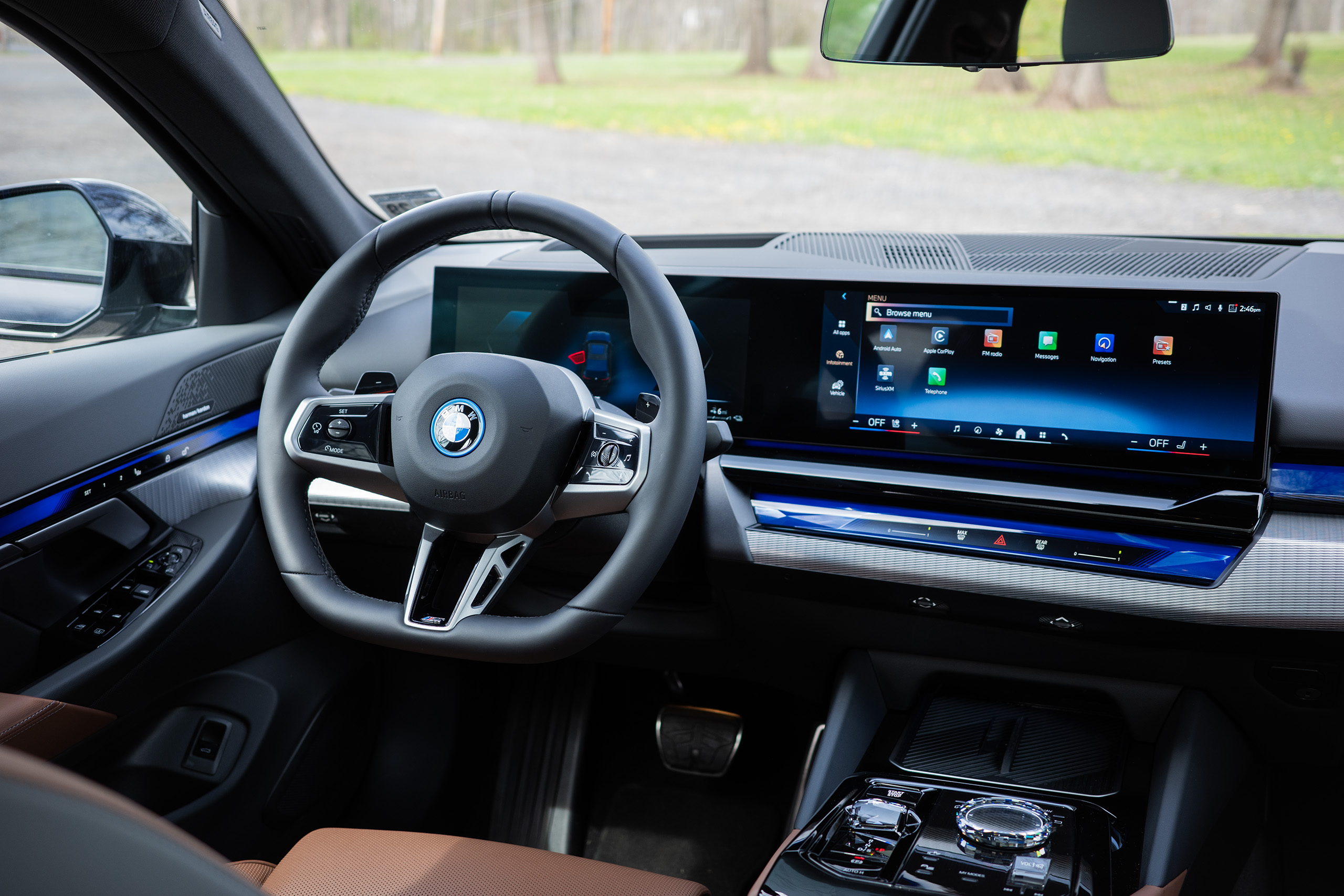
Industry-wide, excusing some laggards, we’re beginning to see a rejection of screens alone as a defining symbol of luxury. A return to buttons, switches, surfaces, and materials that invite physical interaction. The current 5 Series, though, feels born from a committee completely bought into the unrelenting march of digitization.
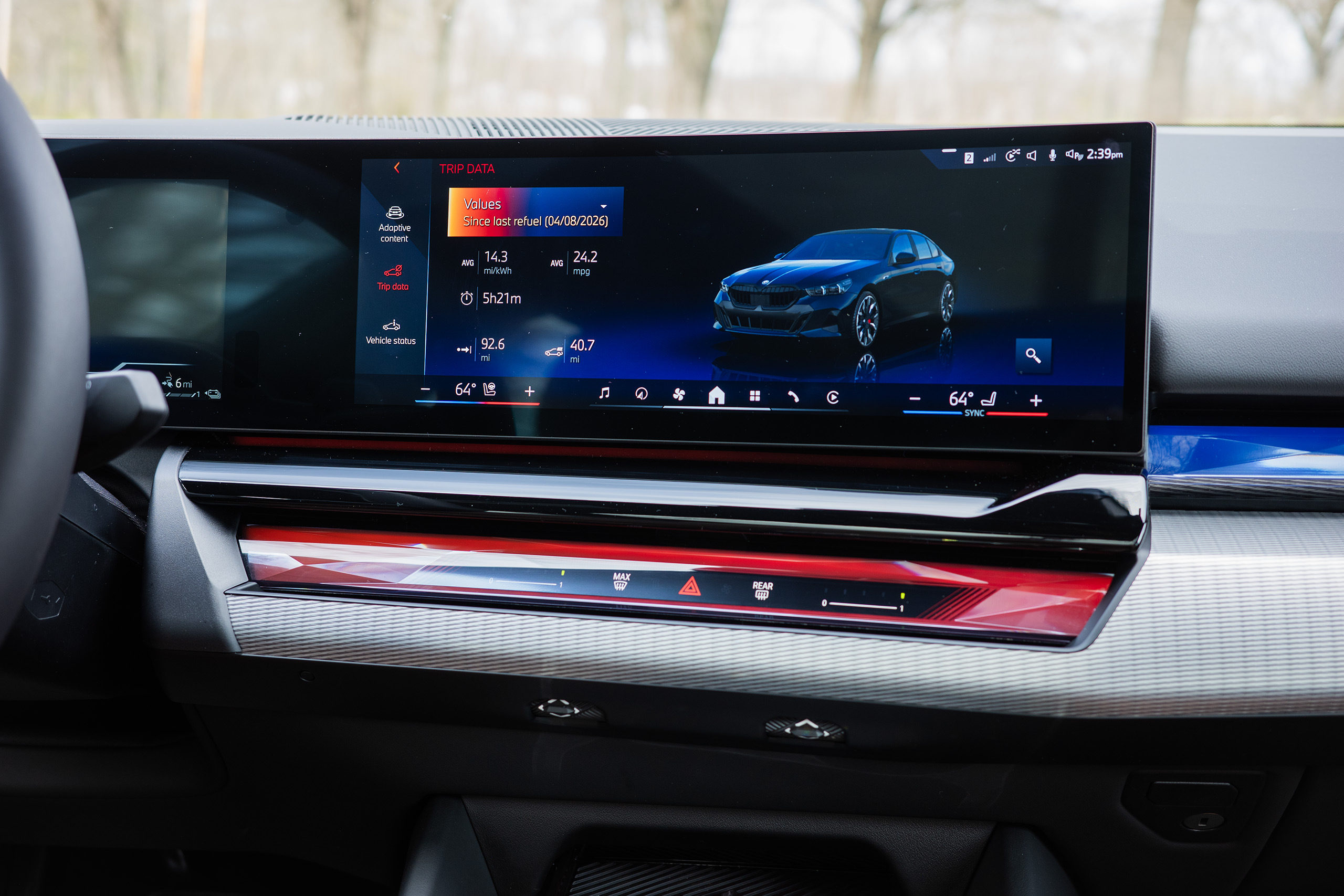
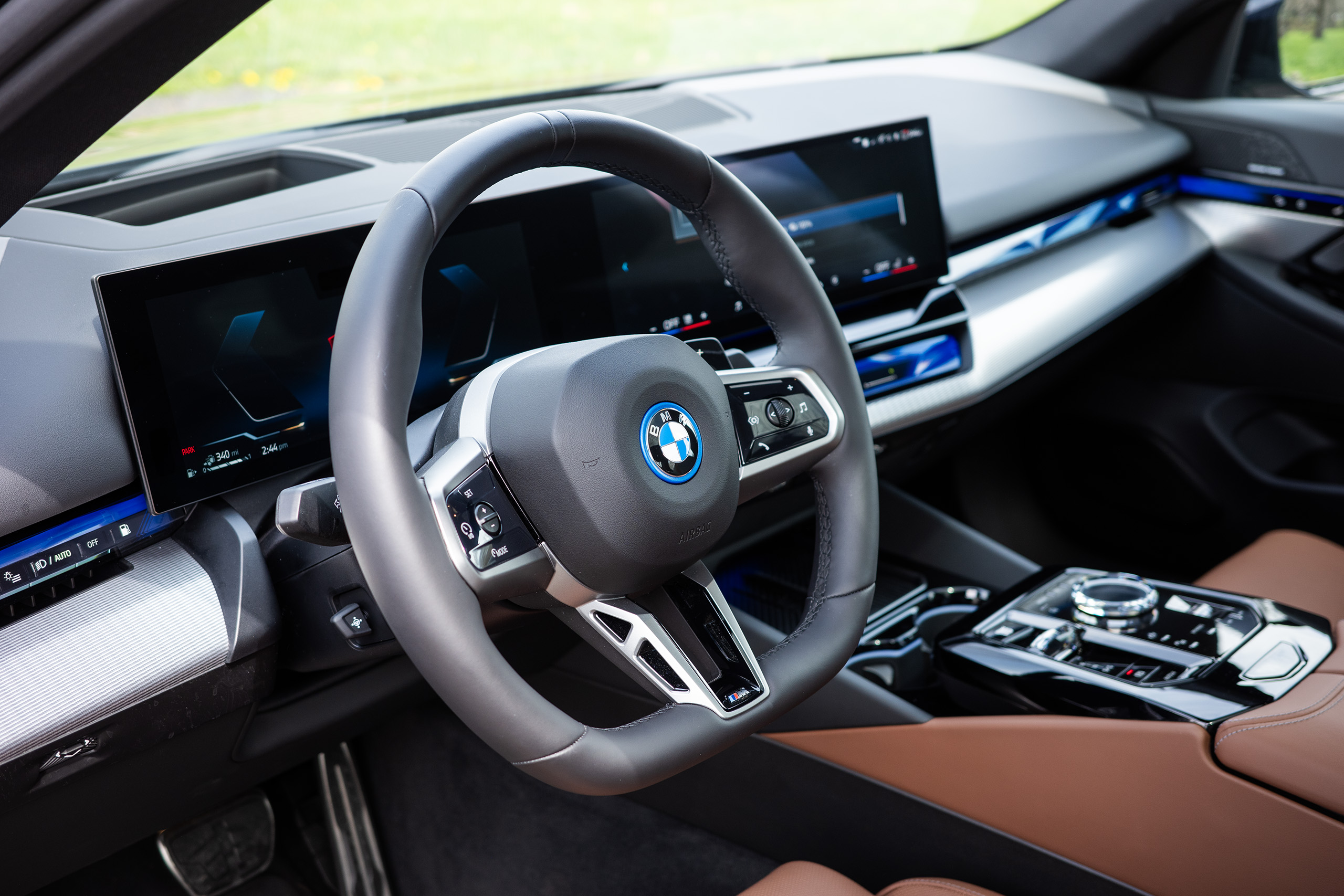
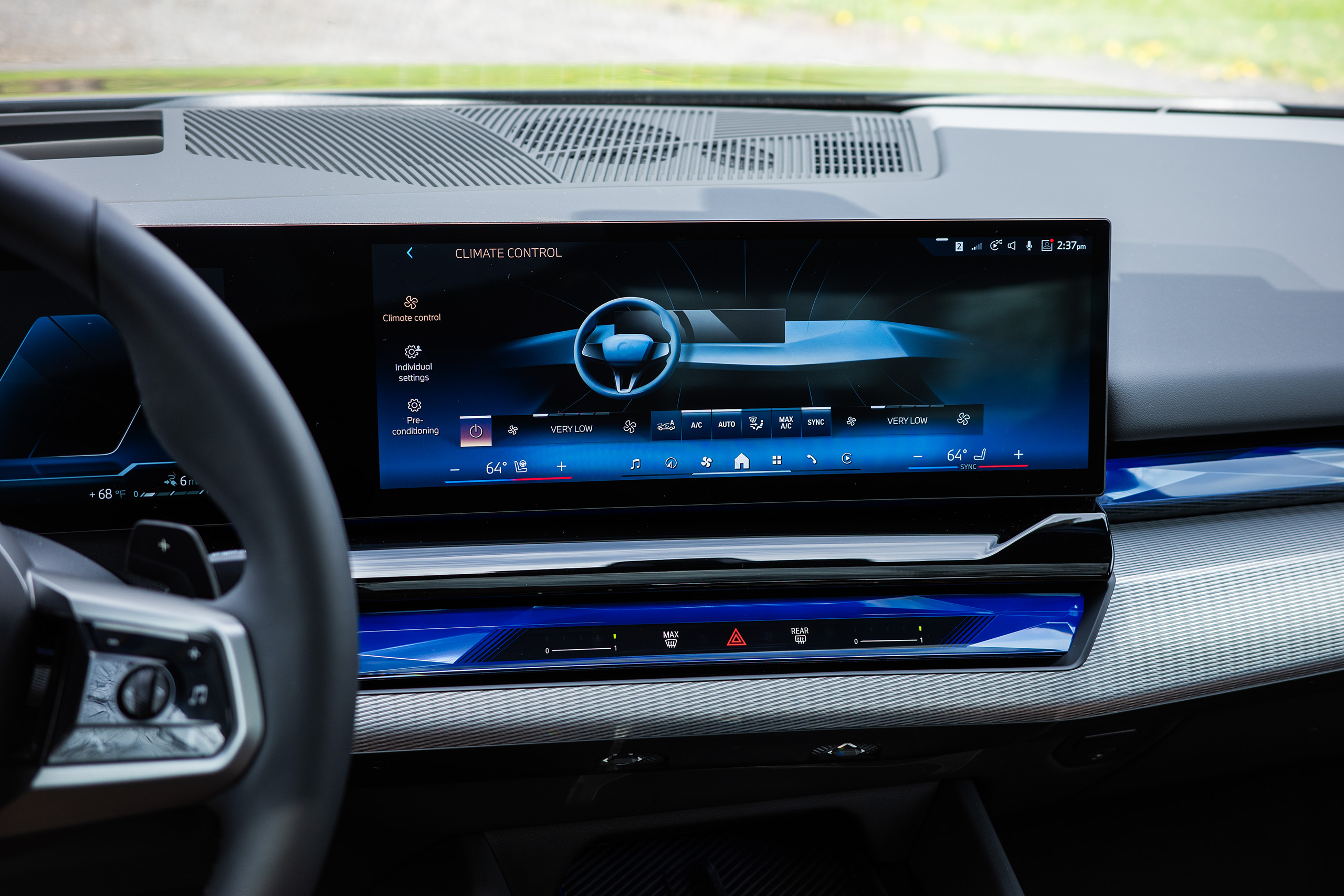
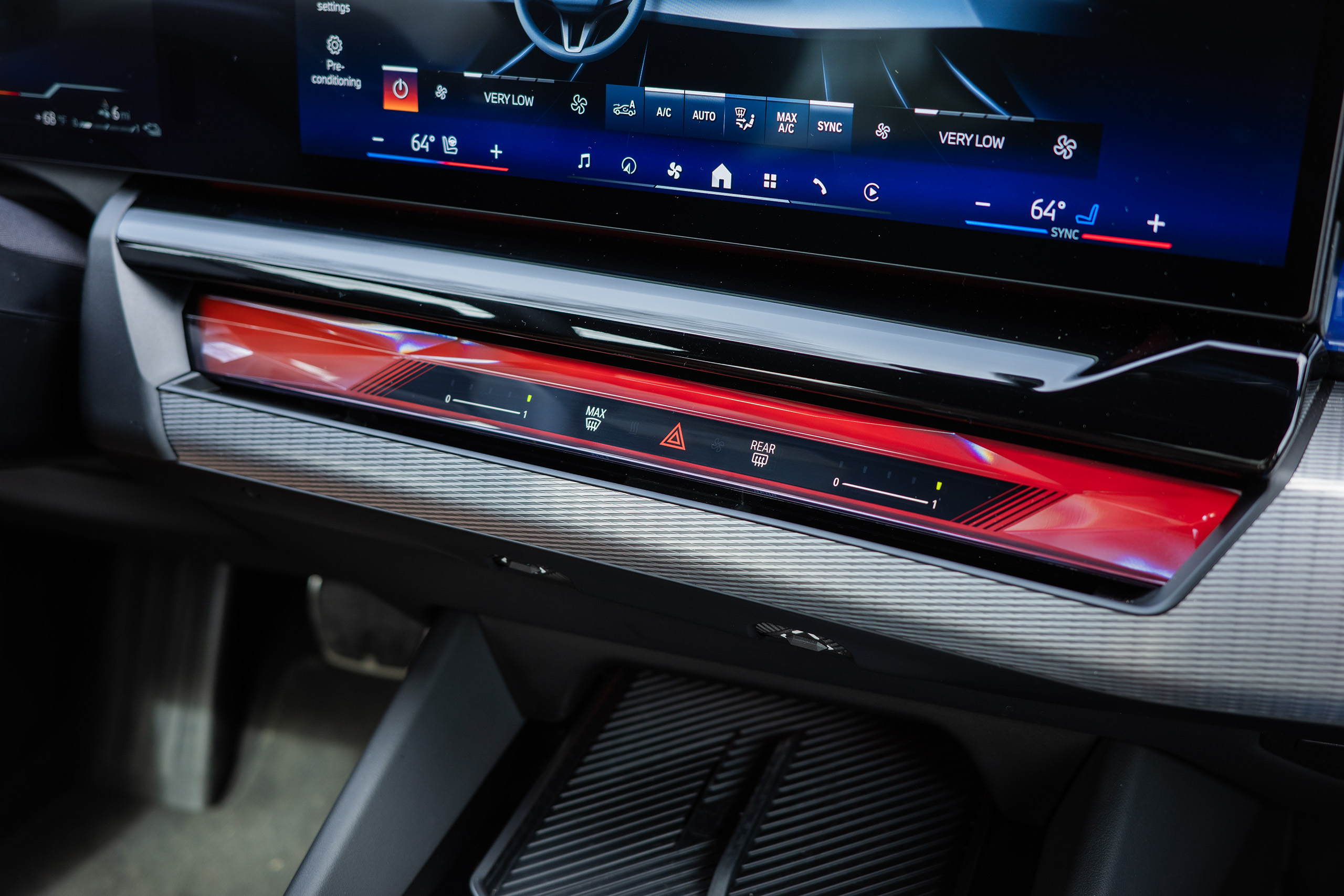
Almost all of the buttons are capacitive. There’s no separate climate stack—heating and cooling adjustments all appear as tiny icons at the bottom of a large touchscreen. You open and close the vents by running your finger along a glossy plastic slider, but paradoxically choose their direction with an old-fashioned knob. And the huge crystalline dial right of the gear selector can be used to scroll through an absolute deluge of apps and menu options, if you’re patient (and frankly, unsafe) enough to try. The top of it is a touchpad, which I would’ve actually preferred to use at times, but BMW has weirdly constrained its use to drawing letters instead of typing and pretty much nothing else.
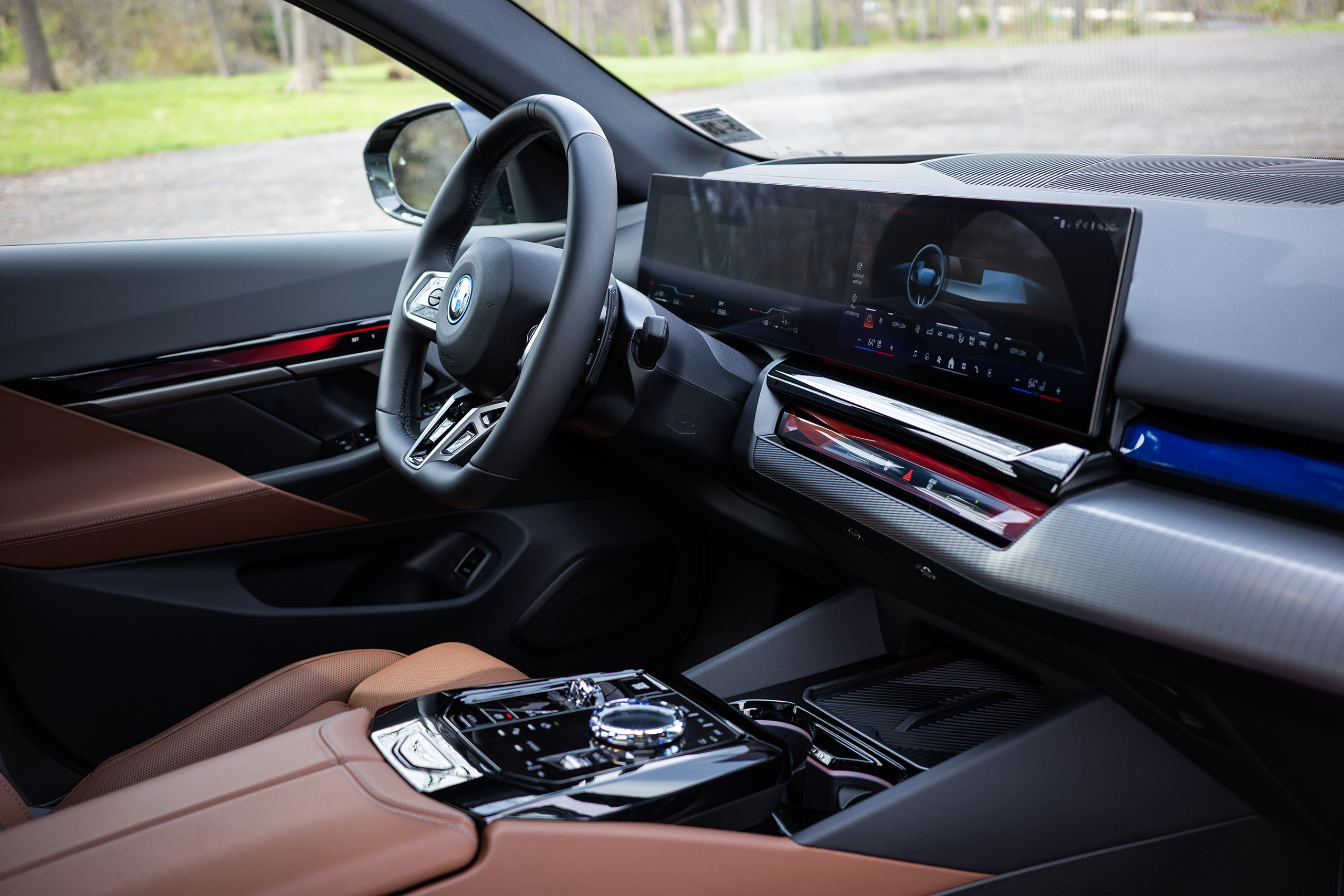
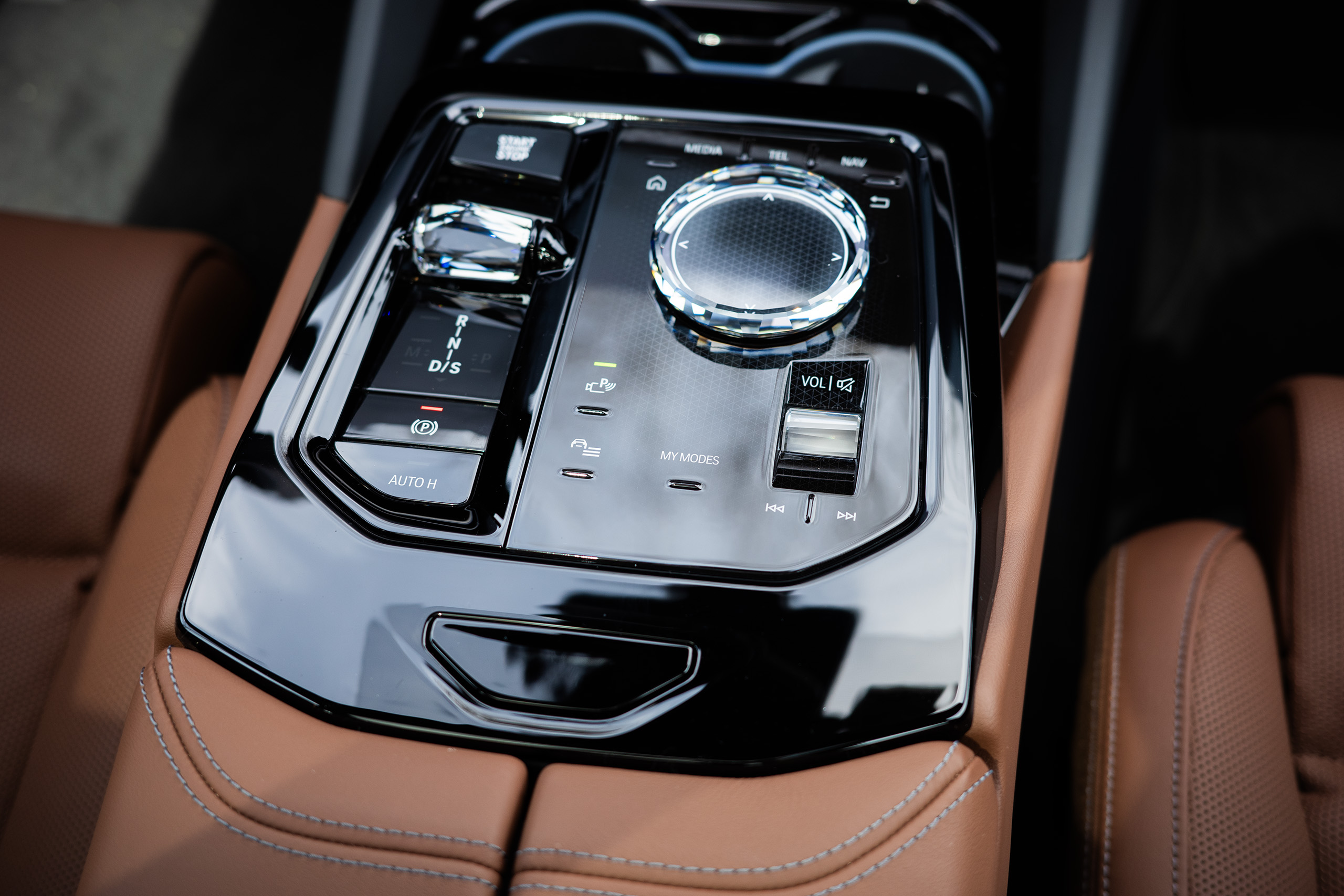
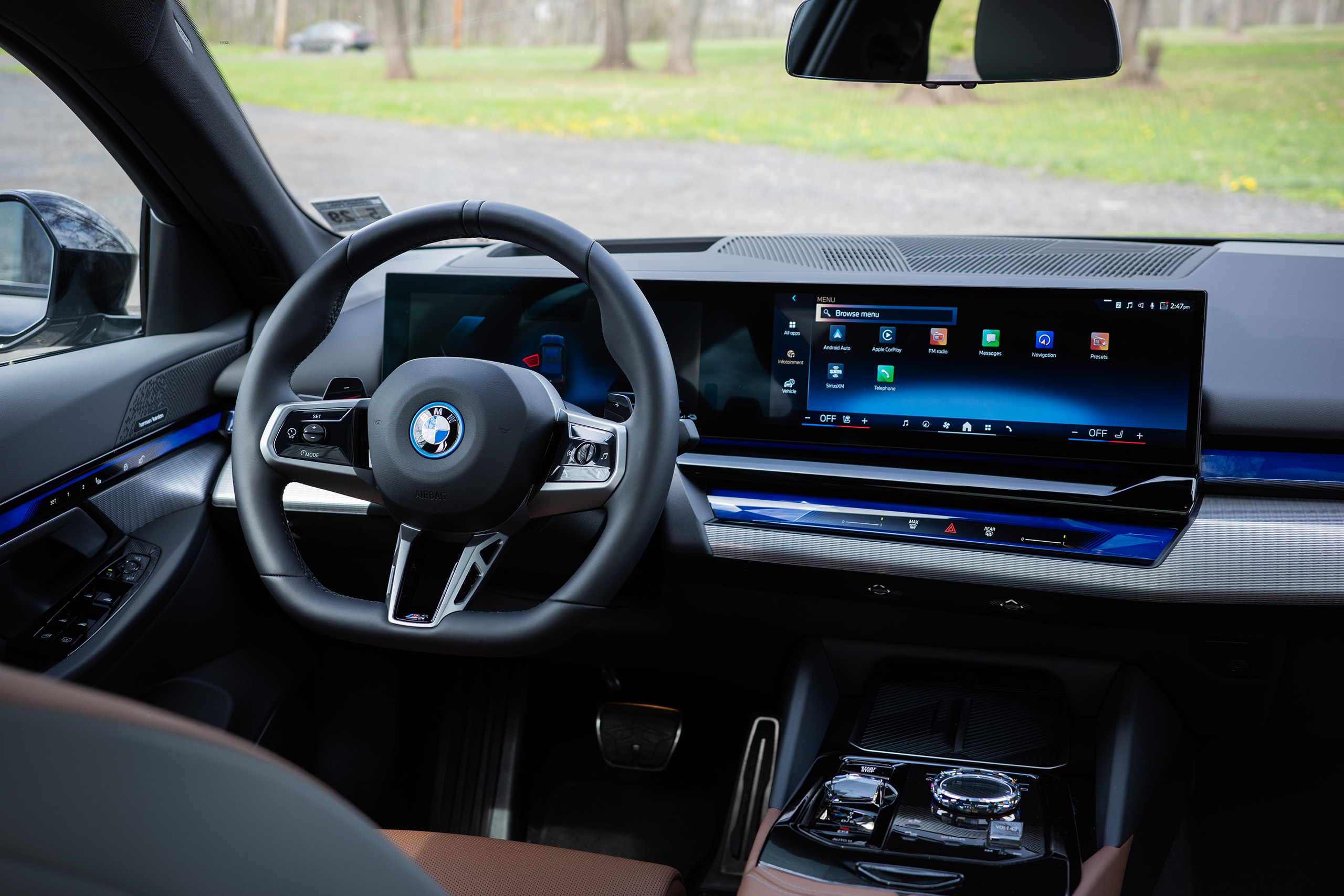
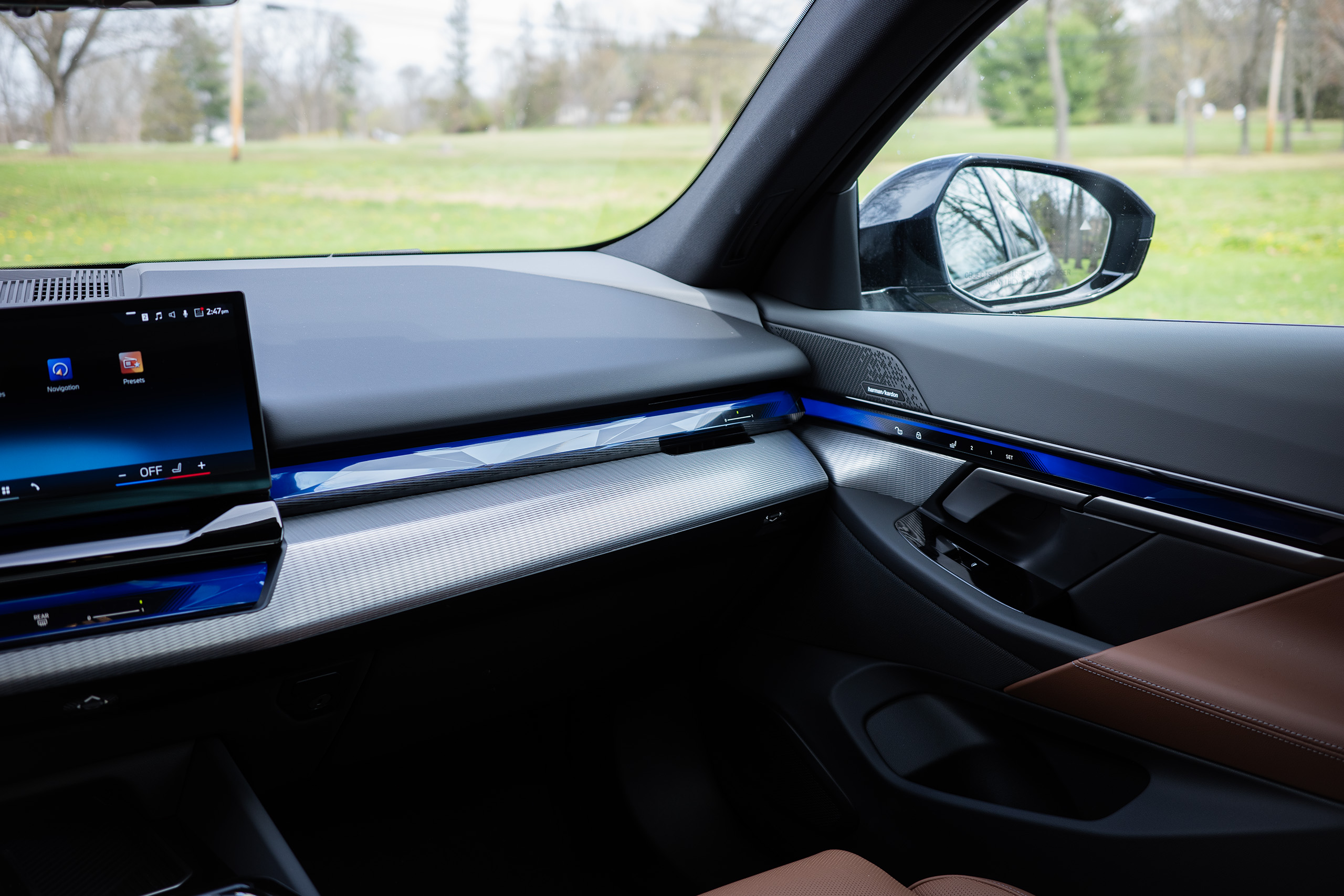
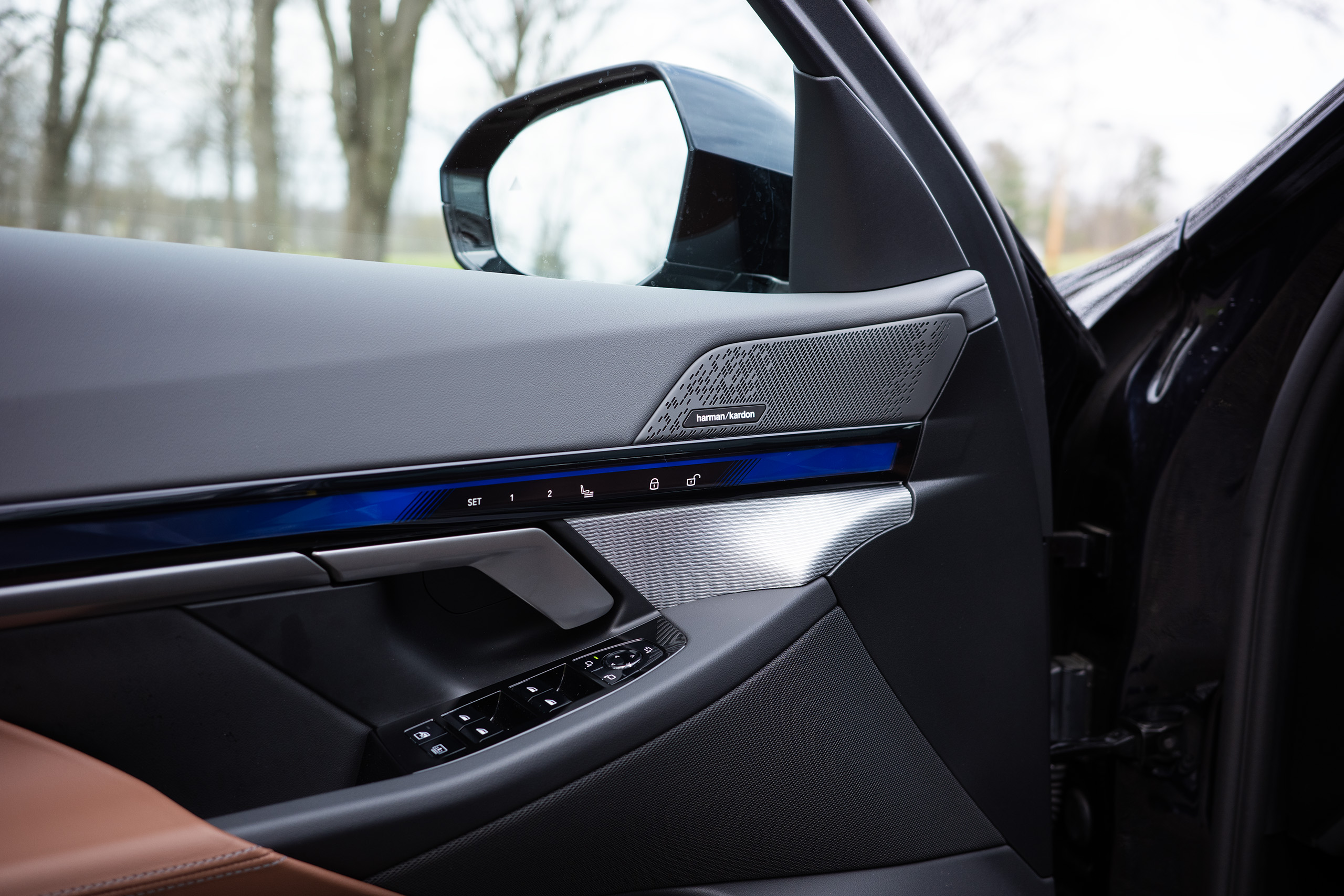
It’s a weird place to be. With a dash draped in different permutations of plastic—some piano black, some translucent, some ribbed silver—it doesn’t feel luxurious, or at least like $87,000. The RGB-lit panels ringing the dashboard, which I initially scoffed at, do catch light in a neat way, and I like how they go all M-branded when switching into Dynamic mode. But it’s not impressive enough to make me forget about wood, or leather, or something that feels like it. Today, a low-end Kia can give you changeable accent lighting; it’s not exactly the flex these higher-end brands think it is.
And then there’s BMW’s infotainment UI, which is so unintuitive it almost feels like trolling. What does “Adaptive” mean in the context of the power meter, and why does half of the meter appear lit when I’m not moving? Why does changing drive modes require at least three presses: once on the capacitive button to pull up the selector screen, a tap on the screen itself, and then another tap or press to return to whatever the display was showing me before? For some reason, after you make your selection, the drive mode page just leaves you with an empty wallpaper.
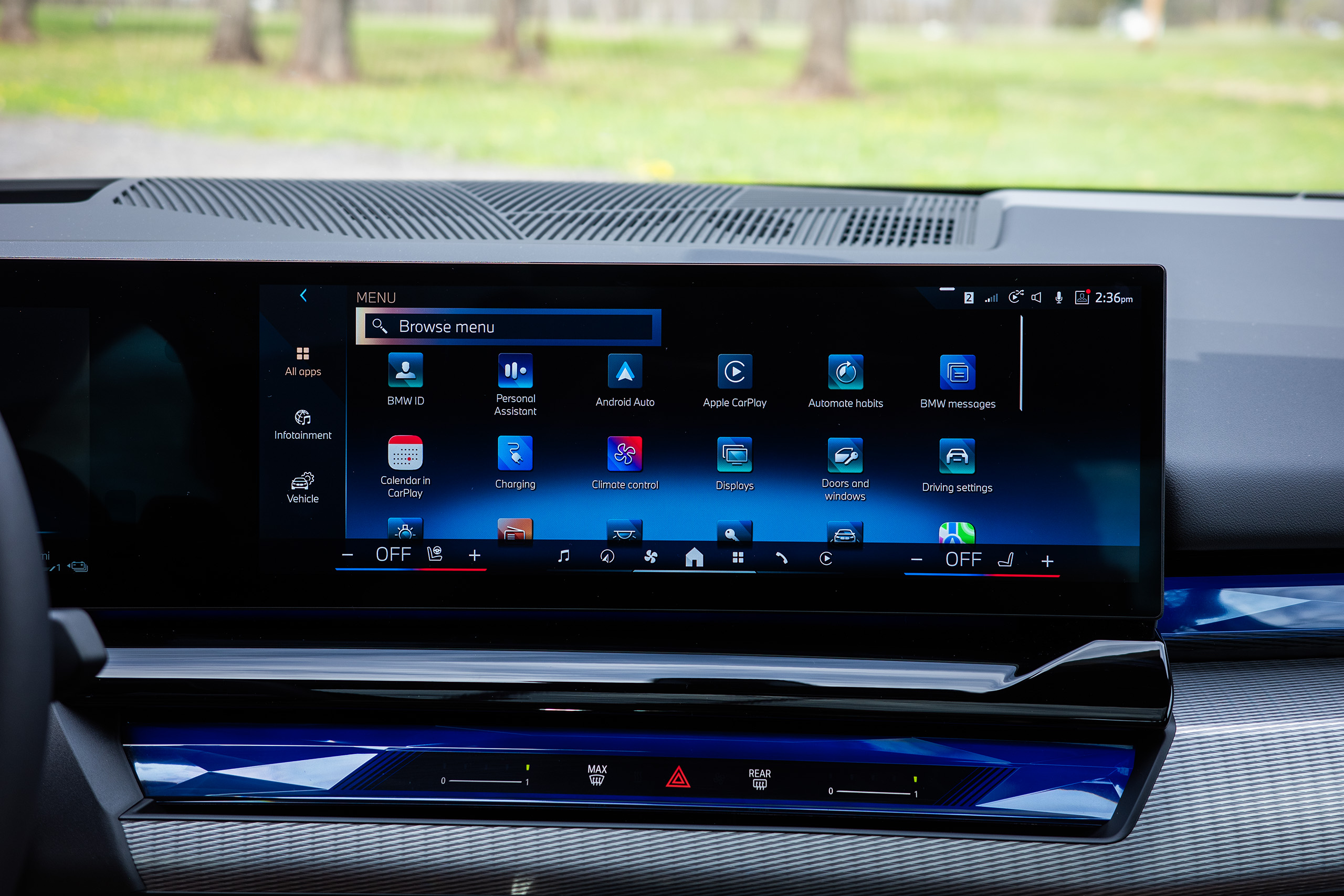
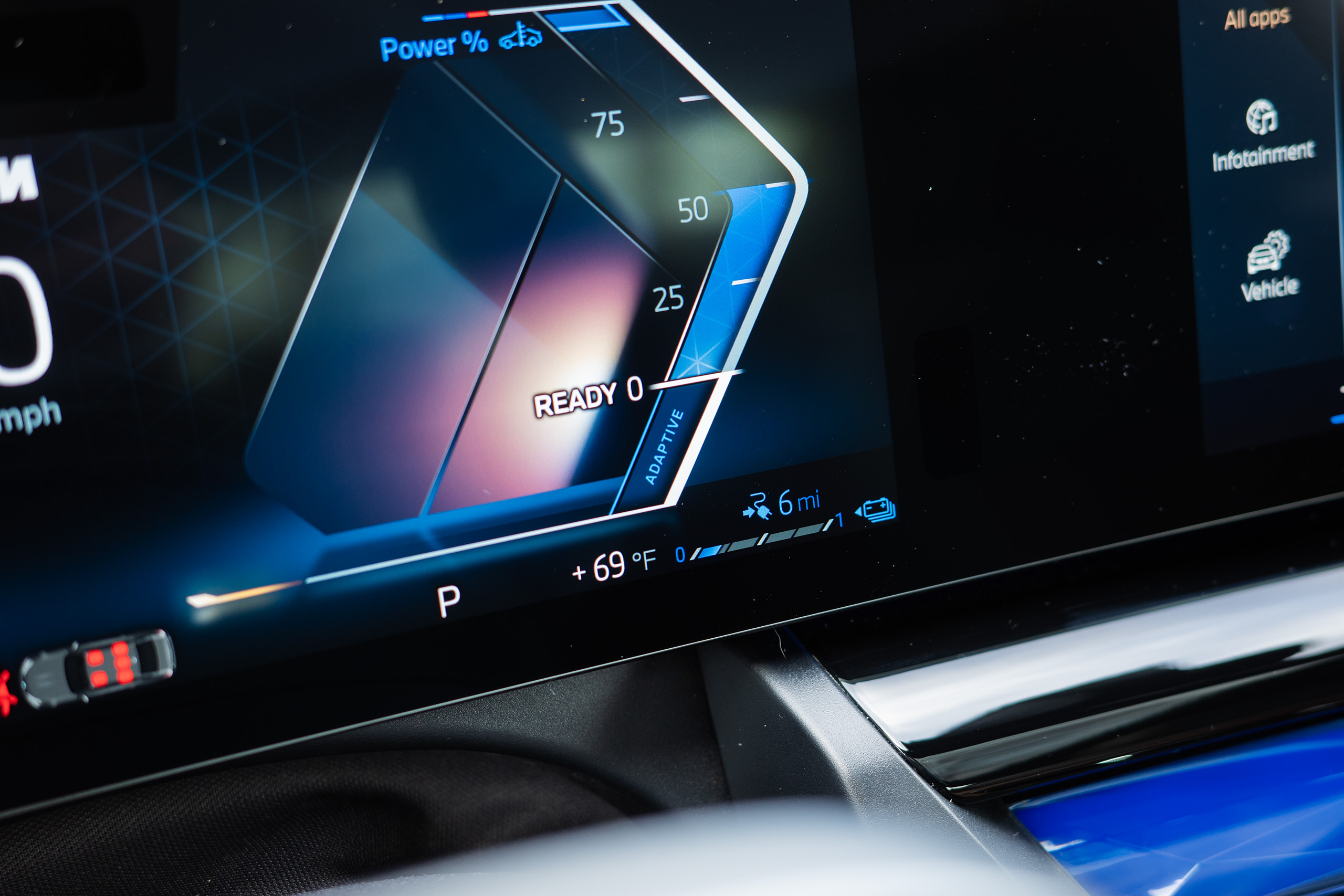
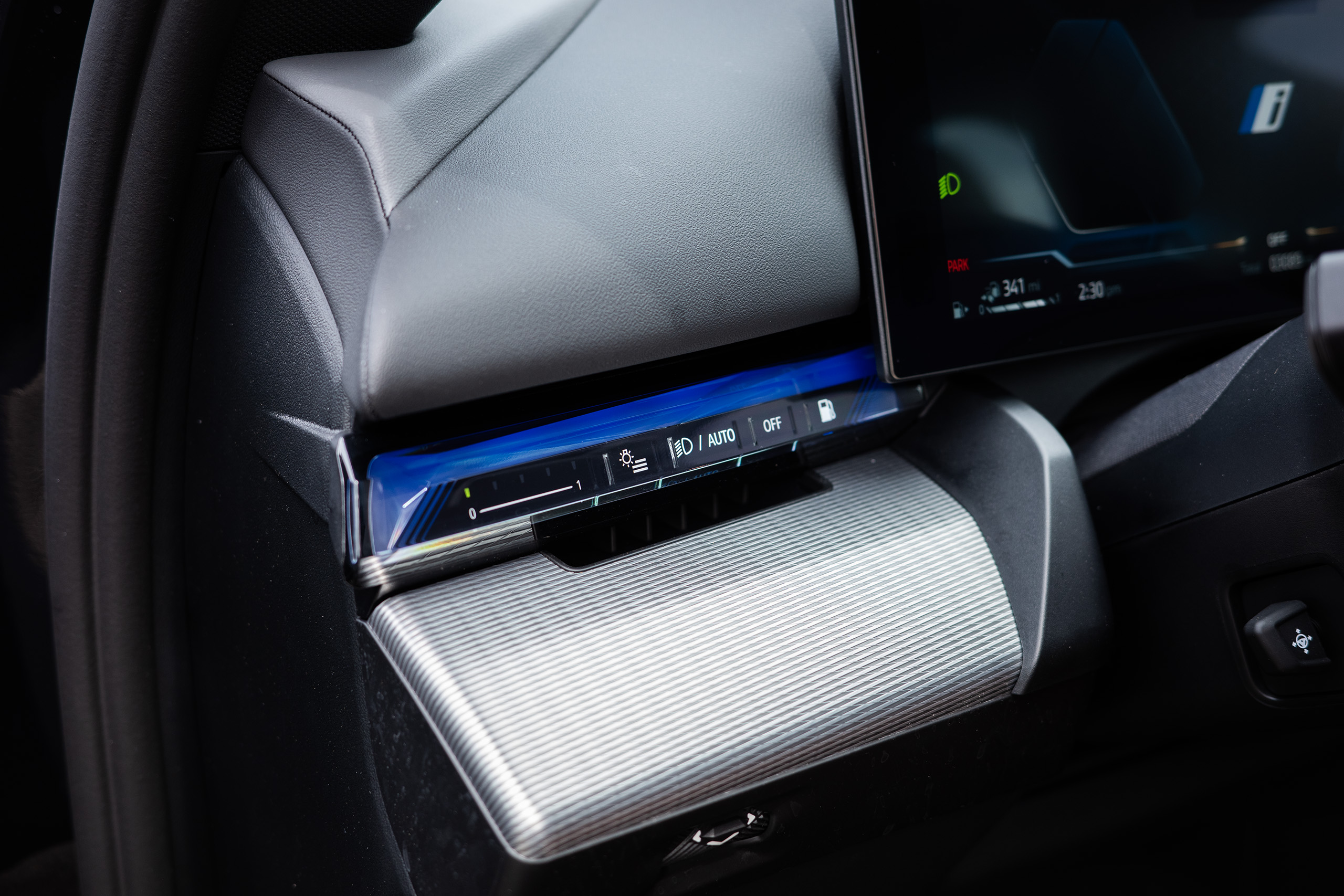
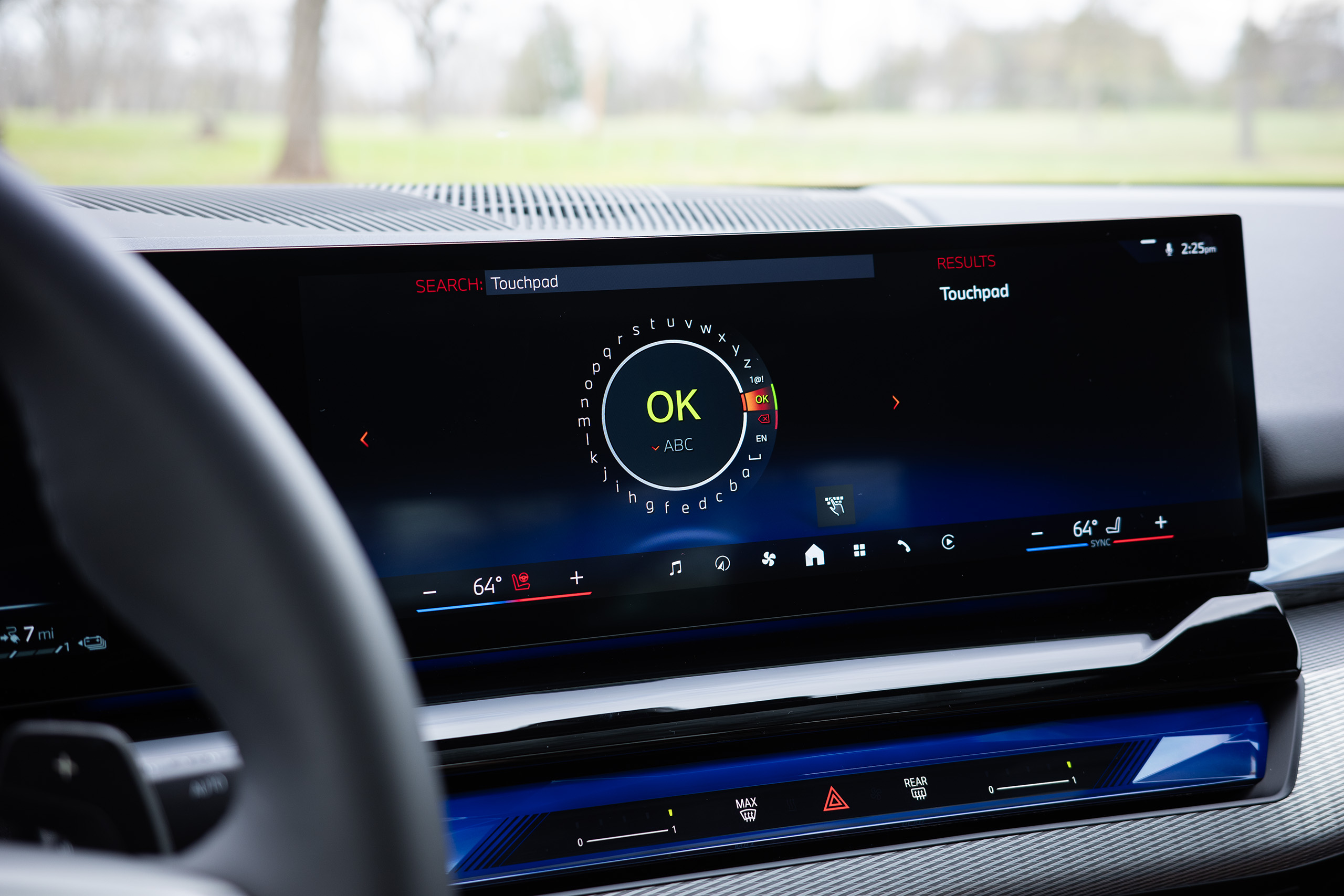
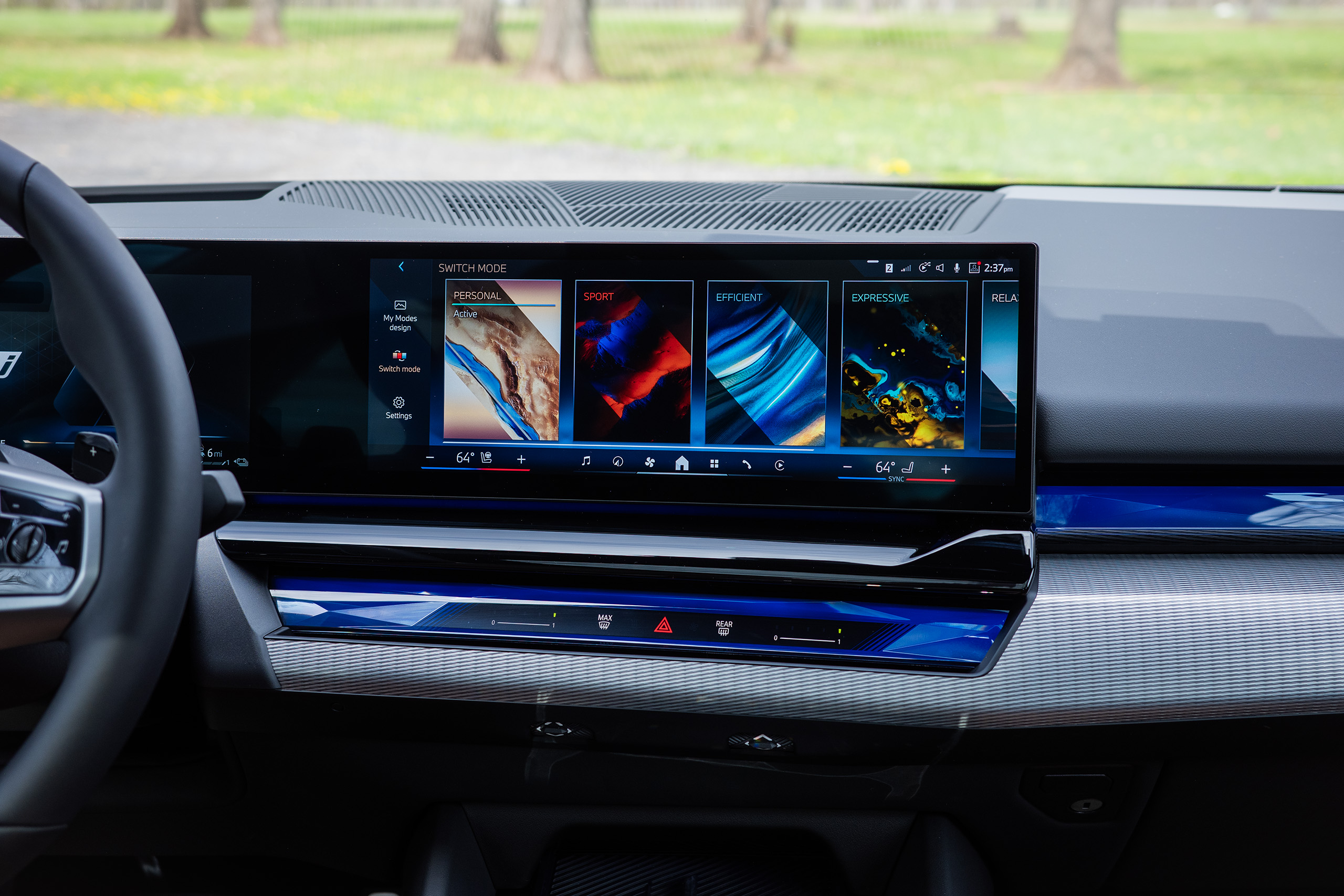
The frustrations continue. Rather than a comprehensive settings menu, BMW has chosen to break up all relevant functions into different mini apps, throw in a bunch of apps from your phone to take up space in the grid, and then alphabetize that chaos. I know owners sometimes roll their eyes at journalists whining about hard-to-use infotainment systems because, in most cases, if you live with a vehicle for more than a week, you eventually get the hang of things. This system is so busy, though, that I honestly don’t think I would in this case. You get the sense that BMW expects you to search for everything via text and voice. To be fair, that was the only way I could figure out how to locate the audio equalizer sliders.
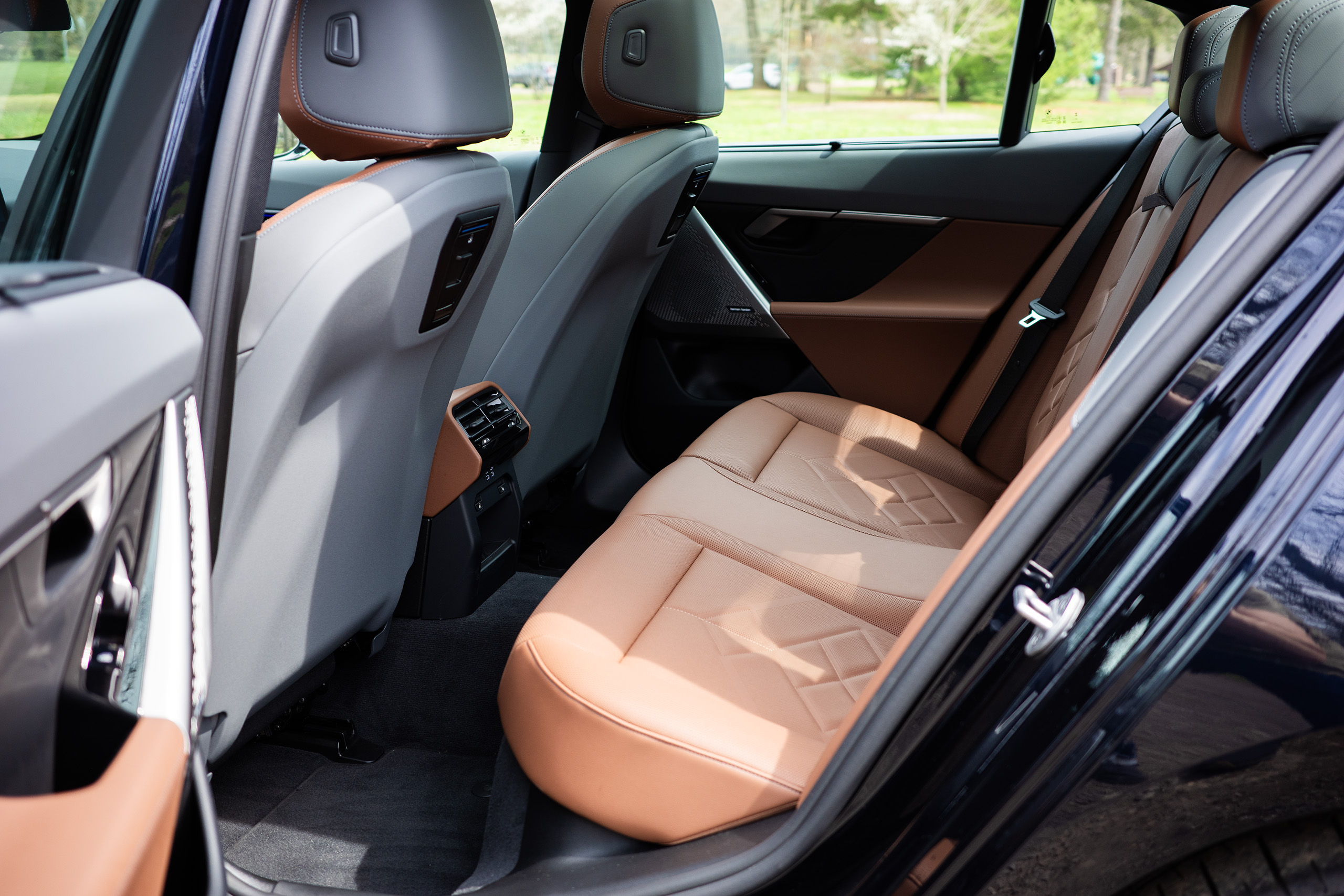
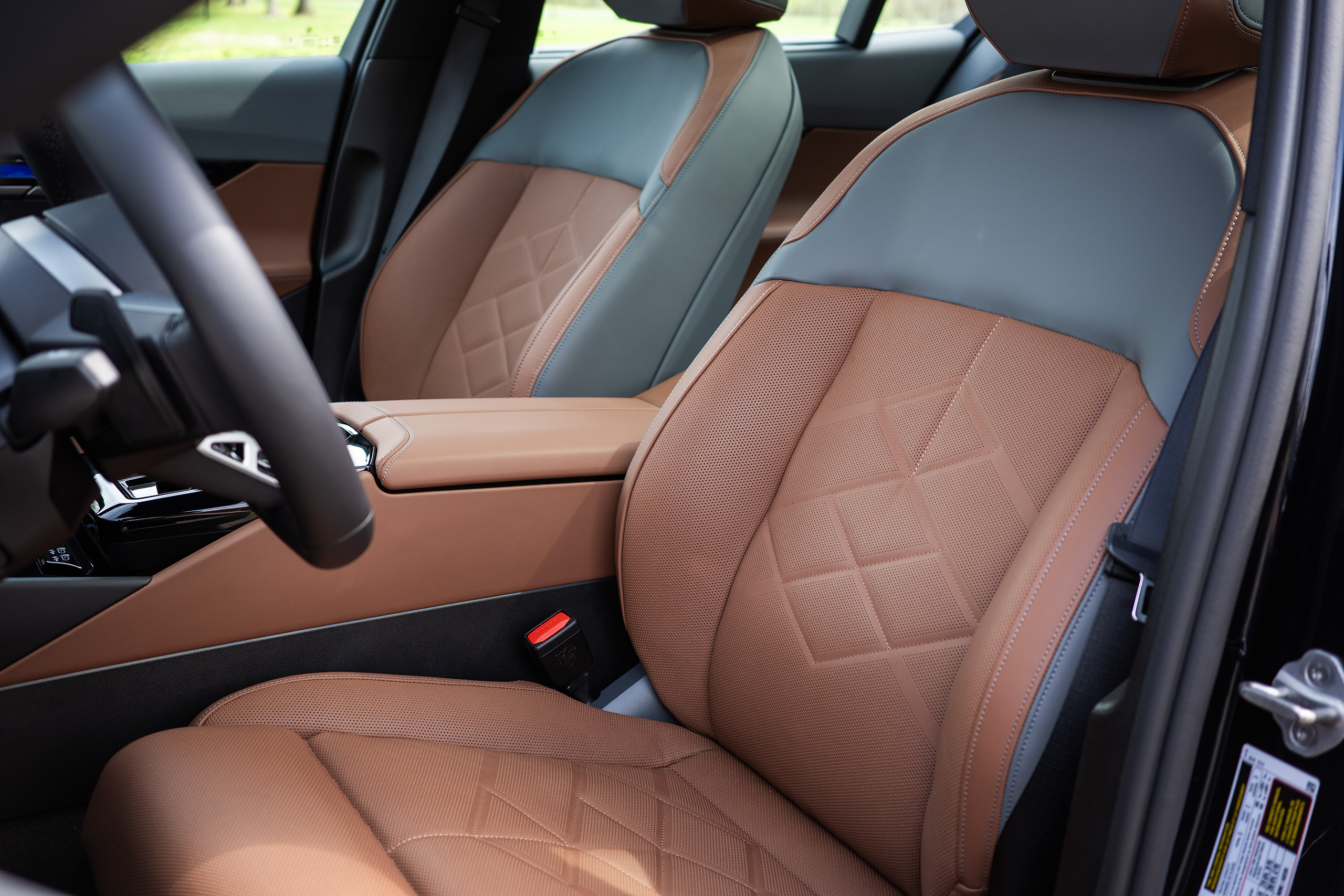
It’s a shame, because it’s not a total loss in here. I loved the seats—they’re wonderfully supportive yet supple. Granted, I wish the armrests heated up like they can on the X5. And, as versatile as this powertrain is, it resists letting you choose precisely how you want it to deliver thrust, whether via the batteries or engine, or some mix of both. Funny, considering the default drive mode is called “Personal” and has practically no configurable settings.
Fuel Economy, Range, and Charging
If you plan to actually plug in your 550e at every opportunity—which, data has shown, most people don’t do—you could probably get through most daily commutes without tapping into the sedan’s 16-gallon gas tank. BMW’s estimate of 34 miles of all-electric range is conservative; I found myself getting around 45 miles before needing to recharge, which, fortunately, can be done in just two hours via a 240-volt system. That’s thanks to an improved on-board charger for this model year.
Indeed, this powertrain isn’t merely strong in terms of performance; it’s efficient, too. The EPA-estimated 25 miles per gallon on the gas engine alone isn’t too bad when the battery is depleted, and you can’t reach the advertised 68 mpge. And, until you get to that charger, the 550e is pretty adept at recapturing energy. In about an hour of gas-only highway and city driving, I was able to earn back about 7 miles of EV range.
While the 5 Series’ competitive set is a roster of the usual suspects—Mercedes E-Class, Audi A6, Genesis G80, you get the idea—the 550e sort of has the plug-in hybrid niche all to itself. Those cars are available as mild hybrids at best, though the E-Class kind of gets on the Bimmer’s level, via the AMG E53. The only trouble with that comparison is that the E53 costs about $16,000 more than the 550e. It’s a more powerful, less forgiving sport sedan, with similar all-electric range on paper but slower Level 2 charging than the 550e. However, it does allow for DC fast charging, something BMW does not.
The Verdict
The 550e is one of those cars that leaves you impressed, but also a little disappointed. The bones here are unquestionably good; yeah, the steering is a little anemic, but it is in many vehicles like this, and the plug-in hybrid powertrain’s tremendous versatility and efficiency give it a unique appeal.
On paper, it’s a good luxury sedan. The real test for any potential buyer is going to be how they get on with the interior. Does it feel intuitive? How about special? Half the time with this car, I was amazed at its potential; the other half, I was scratching my head, asking, “Why have they done it that way?” You shouldn’t have to compromise when dropping $80,000 on a car like this, but I would understand deciding to anyway, provided you get what you pay for. Besides, if you’re smitten with the powertrain, it’s not like you have many alternatives.
BMW provided The Drive with a seven-day loan of this vehicle for the purpose of writing this review.
2026 BMW 550e xDrive Specs
| 2025 BMW 550e xDrive | |
|---|---|
| Base Price (as tested) | $73,400 ($87,050) |
| Powertrain | 3.0-liter turbocharged inline-6 with electric motor and 19.4-kWh battery | 8-speed auto | all-wheel drive |
| Horsepower | 483 @ 5,000-6,500 |
| Torque | 516 lb-ft @ 1,750-4,700 |
| Seating Capacity | 5 |
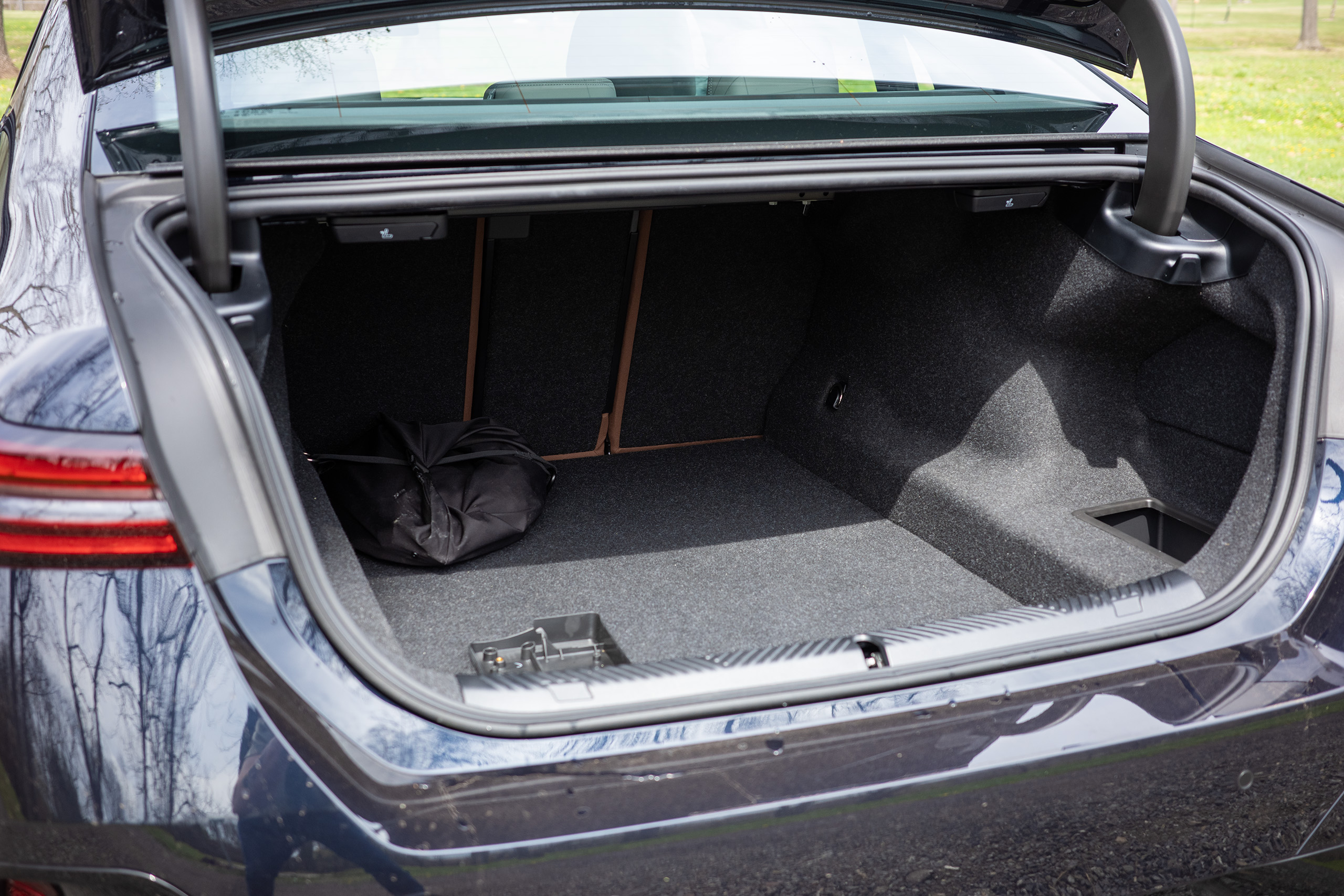
| Cargo Volume | 18.4 cubic-feet |
| Curb Weight | 4,894 pounds |
| 0-60 | 4.1 seconds |
| Top Speed | 155 mph (limited) |
| EPA Fuel Economy | 68 mpge combined, 25 mpg combined gasoline-only |
| Score | 7/10 |

Quick Take
The BMW 550e is a fantastic plug-in hybrid, wrapped in a detached luxury sport sedan with ill-conceived priorities.
www.thedrive.com
#PlugIn #Marvel #Common #Sense


