


Like a pack of wolves patiently waiting outside the kitchen door, lots full of Chinese-made cars sit in Ciudad Juárez, Mexico, just across the US border. Chinese cars, which sport sticker prices far lower than anything you’ll find on a US car lot, aren’t allowed to be sold in the US at the moment, and lawmakers from both parties are taking hurried (not to say “panicky”) measures to make sure they remain so.
“If [these cars] were allowed to be sold in the United States, they would destroy the American car market,” Luis Hernandez, a Geely salesman in Ciudad Juárez, told the Wall Street Journal.
At Hernandez’s dealership, a Geely EX2, a compact BEV, starts at around $20,000, cheaper than any new car sold in the US, and less than half the average automobile price. Mexican buyers are deserting Ford and Chevrolet for Chinese brands, Hernandez says.
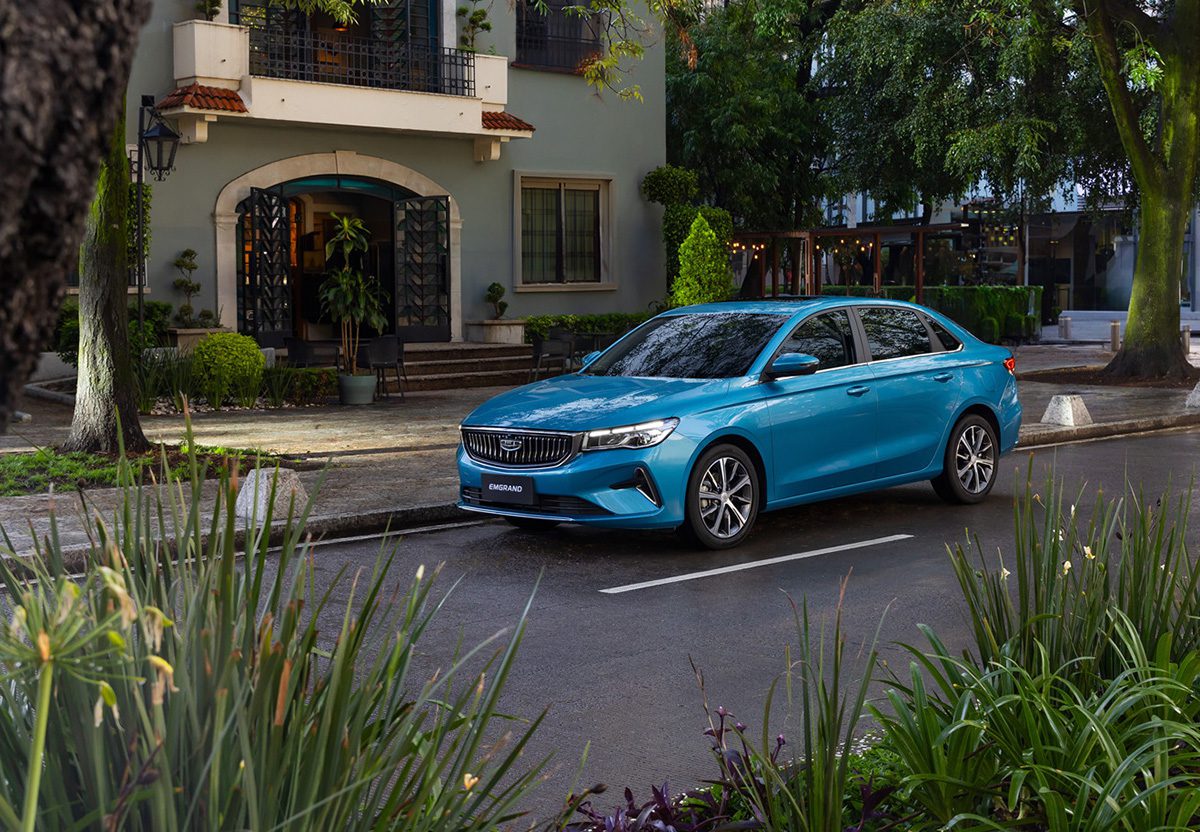
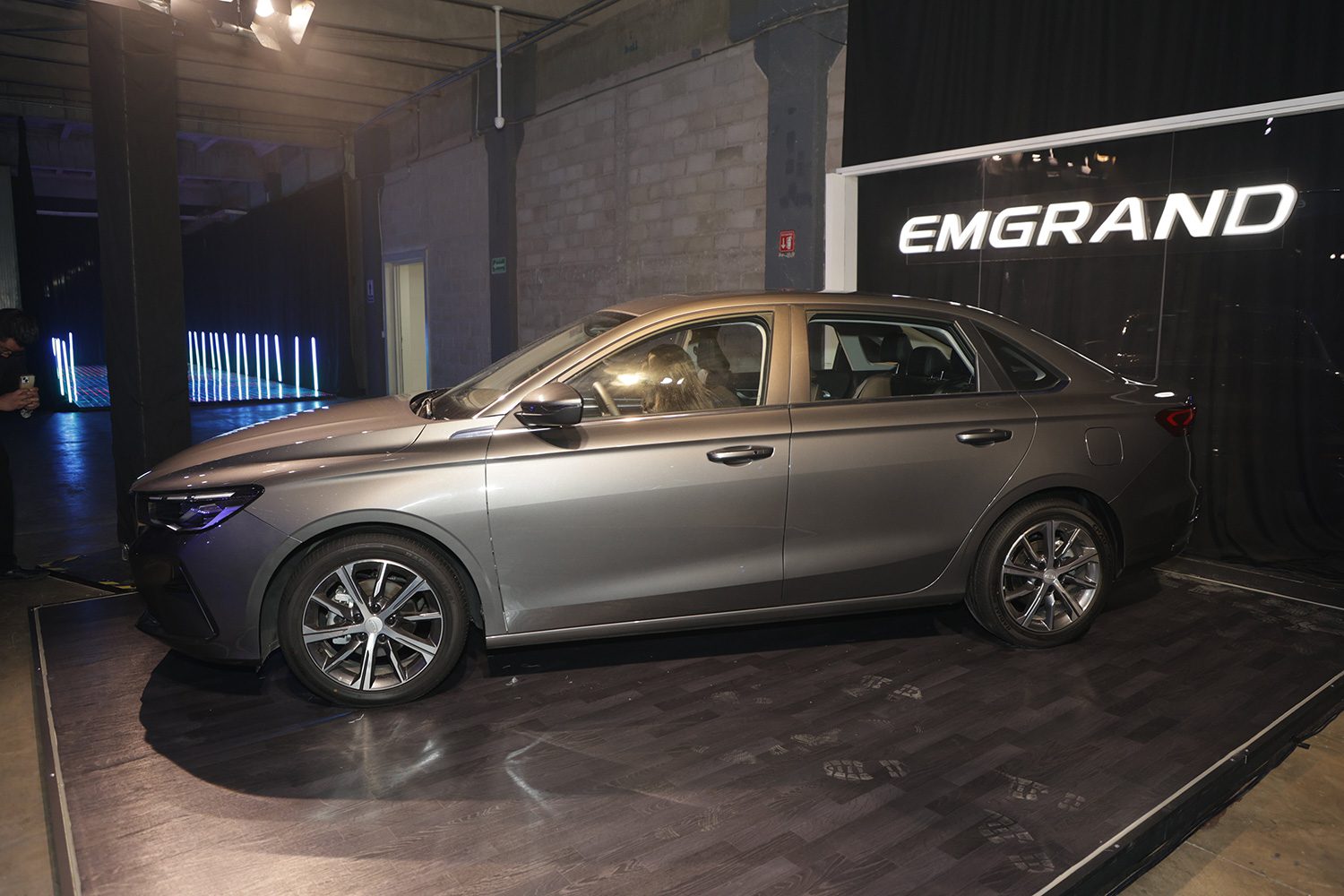
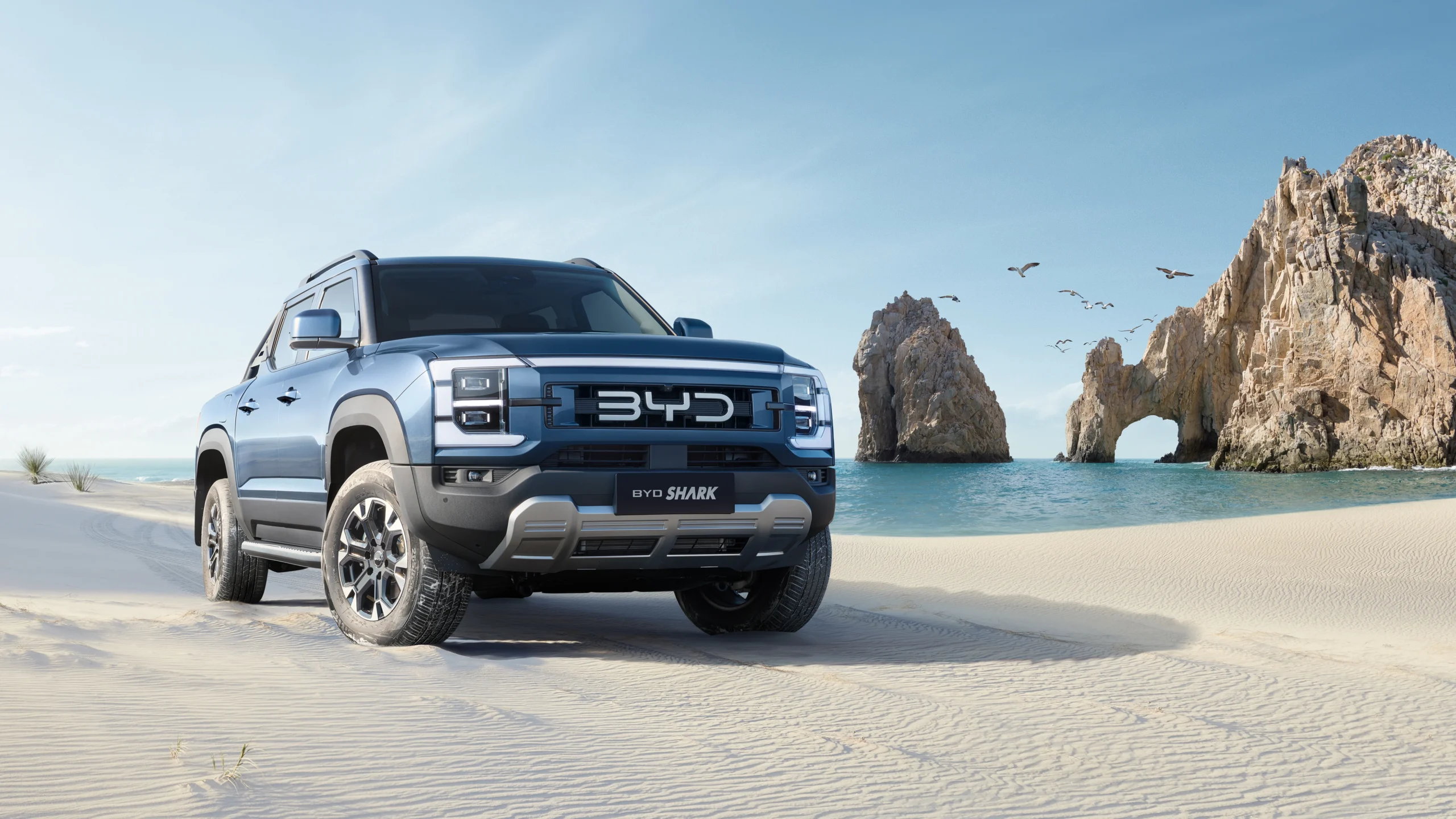
We read a lot about Chinese EVs these days, but one point that many, at least in the EV media, fail to mention is that China is exporting lots of fossil-burners too. In Ciudad Juárez, the WSJ saw beefy BYD pickup trucks and gas-guzzling Great Wall SUVs for sale alongside hybrids and EVs. The top seller at Geely’s dealership is the gas-powered Emgrand, comparable to entry-level compacts like the Nissan Sentra or Hyundai Elantra.
Auto execs in the US (and Europe, Japan and Korea) are well aware of the existential threat that the Dragon represents. “It is very difficult—not to say impossible—to compete,” Hyundai Motor Chief Executive José Muñoz told the WSJ. “We cannot compete at the same price as the Chinese in the markets where we operate.”
Europe and Canada appear to be moving towards a pragmatic strategy, enticing Chinese automakers to establish factories in their countries. The US is pursuing a “lock ‘em out” approach. Chinese automakers are mostly excluded from the US, thanks to a combination of high tariffs and bans on certain foreign-made technologies. (Chinese commercial EVs are already here—BYD builds electric buses in California, and Windrose just started selling its electric trucks in the US.)
US consumers are curious. Bloomberg reports that a recent survey found that a third of US new-vehicle buyers said they’d consider buying a vehicle built in China. EV journalists and car guy influencers are test-driving the cars and singing their praises to their readers.
In January, our current president told a group of business leaders in Detroit that he would be open to allowing Chinese automakers to produce vehicles here in the US (as they’re already doing in Mexico, and may soon do in Canada). Lawmakers from both parties, and US auto industry groups, have strongly urged him to abandon this idea.
Some US lawmakers want to go even further. Senators Bernie Moreno (R-Ohio) and Elissa Slotkin (D-Michigan) have introduced a bill that would “hermetically seal” the country, making it illegal even to drive Chinese cars from Canada or Mexico into the US. Joint ventures with Chinese automakers would be forbidden, and Chinese companies would have to divest US brands that they own, such as Volvo and Polestar.
However, the history of government prohibition of things consumers want to buy (see alcohol, drugs, immigration, software, etc, etc, etc) isn’t encouraging to the protectionists.
The WSJ also spoke to salespeople at an El Paso car dealer network, and learned that customers are asking why US car dealers can’t offer inexpensive cars like the ones being sold a few miles away in Mexico. “When manufacturers don’t have an interest in affordability, and they do have a financial interest—I will say, short-term financial interest—in producing higher-dollar vehicles, I think it’s a slow death,” said Ronnie Lowenfield, Chief Executive of Casa Auto Group.
Apologists for the “Western” auto industry say that China has unfairly subsidized its automakers. Sure they have, but they’re not likely to stop doing so, nor are the Chinese automakers simply going to forget about the world’s third-largest auto market.
“Whenever there are market challenges, reality is, we’ll need to find a way to adapt to it,” Brian Gu, Vice Chairman of Xpeng, told the WSJ. “Our long-term goal is to make our products available to as many customers as possible, including the US customers.”
Source: Wall Street Journal

chargedevs.com
#Charged #EVs #border #Mexico #Chinese #cars #sit #waiting #day #find #homes


