


Support CleanTechnica’s work through a Substack subscription or on Stripe.
Potholes are super annoying. Especially driving a sedan like our 2019 Tesla Model 3, they are not something I want to accidentally run into. And they seem to form constantly in Florida.
Well, Waymo and Waze are apparently teaming up to help get rid of them faster. Announced yesterday, they have launched a pilot program on this — initially in the San Francisco Bay Area, Los Angeles, Phoenix, Austin, and Atlanta. “The pilot program uses Waymo’s perception and physical feedback systems to detect and provide up-to-date information on potholes where Waymo operates. The data will be available to cities and state Departments of Transportation through the free-to-use Waze for Cities platform alongside user-reported pothole information, giving officials an additional view of surface street and highway conditions that enables them to more efficiently and effectively fill potholes. The data will also be visible to Waze users in the cities where Waymo operates, keeping road users safe by alerting them as they approach a pothole. Like other on-road features reportable in the Waze app, users will be able to verify the Waymo-identified potholes, increasing the data’s accuracy.”
Nice.
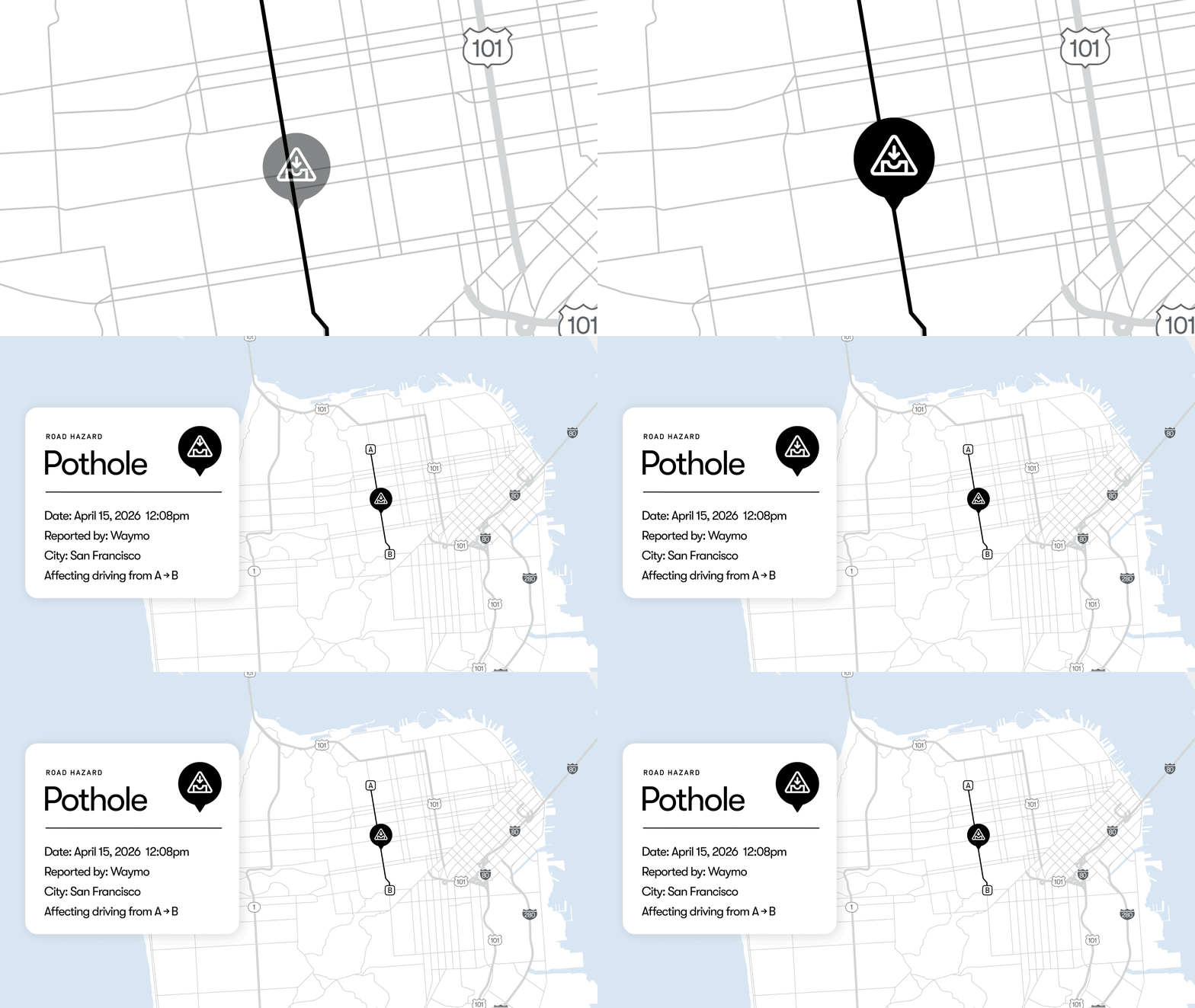
In those first 5 cities, Waymo has already identified 500 potholes! “Over time, we’ll expand this partnership to more cities we serve, including those with winter weather and harsh freeze-thaw cycles that exacerbate the pothole problem,” the company adds.
“Potholes can cause significant vehicle damage and contribute to crashes. Today, many cities rely on non-emergency 311 reports from residents and manual inspections to address their pothole problems. This constituent-driven model of road maintenance provides cities with an incomplete picture of road health that can make it difficult to allocate maintenance resources equitably. This pilot program, based on feedback gathered from city officials over the years, is intended to help fill reporting gaps and support cities’ efforts to maintain safer streets.”
I love this. Also, though, let’s be frank: Waymo vehicles probably hit potholes much more than human drivers do, and it’s not a good experience for paying passengers when they bounce up and down from a pothole. Also, hitting potholes, as mentioned, can damage your car — and hitting them repeatedly is bound to accelerate wear and tear even when there isn’t obvious, acute damage.
“We’re always looking for innovative ways to deliver better services for residents, including our own work using object detection through cameras on City vehicles,” said San Jose Mayor Matt Mahan. “As Waymo’s autonomous fleet travels across San Jose, we appreciate the collaboration with Waymo and Waze as we explore how technology can help identify issues like potholes faster so we can respond more efficiently.”
“Waymo is showing the good neighbor principle in action: sharing data that helps cities fix problems faster and make streets safer for everyone,” said Sarah Kaufman, Director of the New York University Rudin Center for Transportation. “It’s a simple step, but it reflects a broader principle of responsibility, that companies operating on public streets can help improve them.”
Sign up for CleanTechnica’s Weekly Substack for Zach and Scott’s in-depth analyses and high level summaries, sign up for our daily newsletter, and follow us on Google News!
Have a tip for CleanTechnica? Want to advertise? Want to suggest a guest for our CleanTech Talk podcast? Contact us here.
Sign up for our daily newsletter for 15 new cleantech stories a day. Or sign up for our weekly one on top stories of the week if daily is too frequent.
CleanTechnica uses affiliate links. See our policy here.
CleanTechnica’s Comment Policy
cleantechnica.com
#Waymo #Waze #Fight #Potholes


