Your truck isn’t just a piece of equipment. It’s your office. Your income. Your schedule. Your leverage.
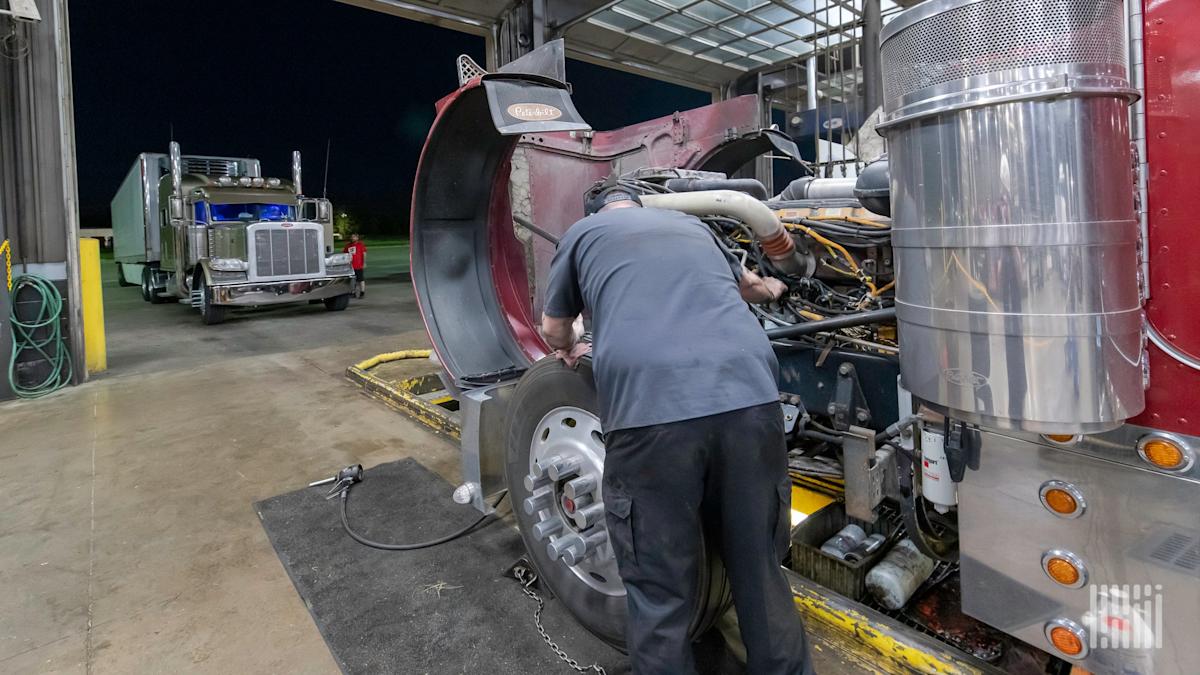
And the moment a DPF light or engine fault shows up on the dash, all of that can grind to a halt.
That reality is exactly why this recent episode of The Long Haul hit home for so many owner-operators. I sat down with Tyler Robertson, founder of Diesel Laptops, to talk about something most small carriers don’t think about until it’s too late: diagnostics, downtime, and who actually controls the repair process when your truck breaks.
What came out of that conversation was simple, but uncomfortable:
Waiting on shops to tell you what’s wrong with your truck is one of the most expensive habits in trucking.
Tyler didn’t come from Silicon Valley or a corporate R&D lab. He came from a truck dealership.
After getting kicked out of college for bad grades, he went to work for his family’s truck dealership and learned every side of the business — parts, service, sales, accounting. That’s where the ideas started forming. Day after day, he watched trucks come in broken and watched drivers wait. And wait. And pay.
Later, while working another job and buried under the same kind of debt most people carry — credit cards, loans, vehicles — Tyler started a side hustle. He found a diagnostic software out of Canada that could read every computer on a commercial truck, something that wasn’t common at the time. OEM software was locked down, fragmented, and expensive.
He bundled that software with a laptop and a cable, listed it on eBay, and sold his first unit in 24 hours.
That was the start of Diesel Laptops.
One of the biggest takeaways from the conversation was this: Most breakdown costs aren’t caused by parts. They’re caused by uncertainty.
When a truck goes into derate or throws emissions codes, the first question isn’t “what part do I need?” It’s “how serious is this?”
Without that answer, everything stops. Drivers sit. Loads get rescheduled. Shops start guessing. Tyler calls it the “parts cannon” — throwing parts at a problem until something works.
And that gets expensive fast.
According to Tyler, North America spends tens of billions of dollars every year fixing commercial trucks. Off-highway equipment — construction, agriculture, generators — multiplies that number even further. Yet, unlike automotive, there is still no true right-to-repair framework for commercial trucks.
That means information stays locked behind OEM walls, and small carriers pay the price.
Most owner-operators don’t want to rebuild engines or replace harnesses on the shoulder of the road. They just want to know enough to make a decision.
That’s where Diesel Laptops’ Diesel Decoder comes in.
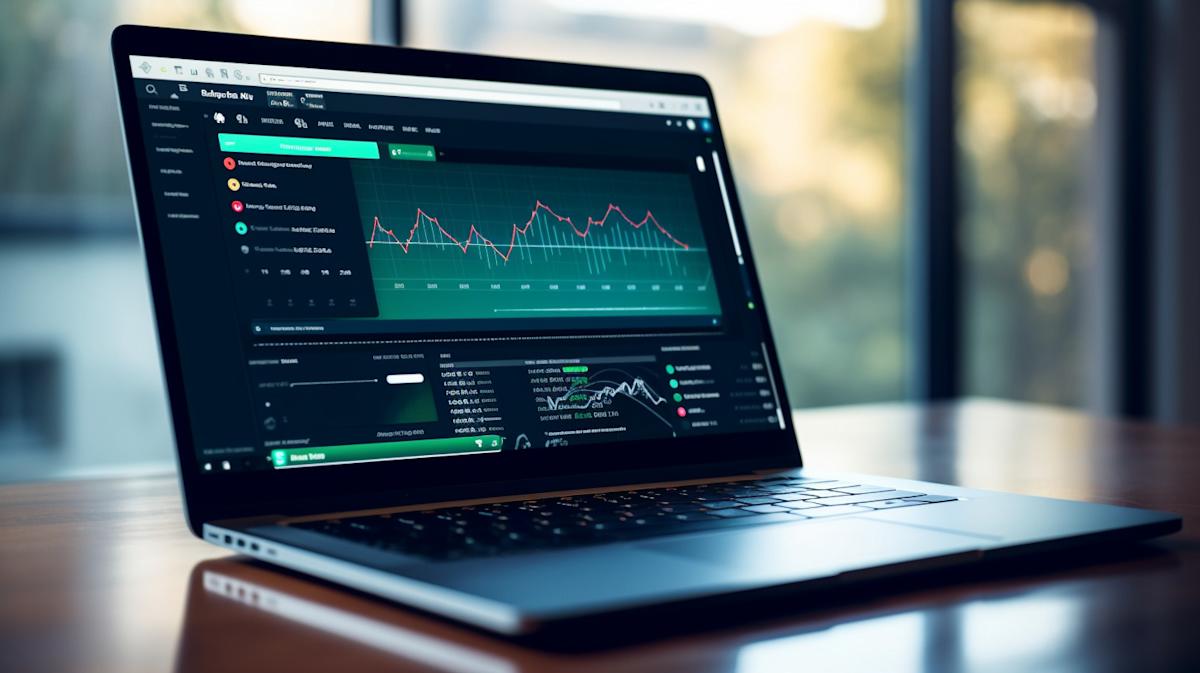
It’s a small, affordable device that plugs into the diagnostic port and pairs with your phone. With it, drivers can:
Read and clear fault codes
View live engine data
Force a regen when safe to do so
Pull a truck out of derate mode to limp to a shop
See step-by-step troubleshooting guidance
Identify exact part numbers, including aftermarket alternatives
The point isn’t to turn drivers into master technicians. It’s to give them situational awareness.
As Tyler put it, saving just one tow bill can pay for the tool. But the real value is avoiding days of downtime caused by not knowing what’s wrong.
One of the most important parts of the interview was Tyler’s honesty about repair shops.
Most shops aren’t trying to rip drivers off. They’re often under-trained, under-resourced, and missing the same information drivers are. Even OEM dealerships struggle. Tyler ran service departments himself and described situations where technicians spent dozens of hours chasing a problem without answers.
When you walk into a shop, you don’t know if your truck is being handed to a 20-year veteran or someone fresh out of tech school. And once the clock starts, you’re paying — whether progress is being made or not.
Owning diagnostics changes that dynamic. It allows drivers and fleet owners to ask better questions, verify what they’re being told, and understand whether a repair recommendation makes sense.
The conversation also went deep into aftertreatment systems — DPFs, regens, emissions logic — and why so many carriers were hurt when those systems rolled out.
Tyler shared a real story of a driver who spent weeks and thousands of dollars chasing DPF issues that turned out to be caused by an oil leak upstream. The aftertreatment system wasn’t the problem — it was just where the symptoms showed up.
That kind of misdiagnosis has put operators out of business. Not because they refused to maintain equipment, but because the industry failed to provide training and tools when the technology changed.
And to be clear: deleting emissions systems is illegal. Tyler didn’t mince words on that. But understanding how the system works — and what’s actually causing faults — can prevent unnecessary repairs and downtime.
One of the most forward-looking parts of the discussion focused on AI and predictive diagnostics.
Diesel Laptops is already monitoring transit fleets in real time, using AI and human technicians to flag problems before drivers notice symptoms. The long-term vision is clear: trucks that tell you what’s about to fail, not just what already has.
But Tyler was also honest about AI’s limits. Without accurate, VIN-specific data — much of which is still locked behind OEM paywalls — AI can only guess. That’s why Diesel Laptops has spent years building its own repair databases and training systems.
AI will get better. But it won’t replace understanding. It will amplify it.
The biggest lesson from this episode isn’t about gadgets or software. It’s about control.
When you don’t own diagnostics, you don’t own your time. You don’t control downtime. You don’t know if a problem is minor or catastrophic. And in today’s market, that uncertainty can be the difference between surviving a bad month or shutting the doors.
Diagnostics are no longer a luxury tool for big fleets. They’re part of doing business.
If you’re running one truck or ten, this episode of The Long Haul is worth your time. We barely scratched the surface in this article — from labor time guides to technician shortages to what’s coming next in truck technology.
If you want the full conversation with Tyler Robertson, including stories, examples, and deeper breakdowns, listen to the complete episode of The Long Haul. It’s one of those conversations that makes you rethink how exposed your business really is when that check engine light comes on.
And once you hear it, you’ll probably look at diagnostics a little differently and hopefully, it will help you in 2026.
The post The Most Expensive Part of a Breakdown Is Not Knowing What’s Wrong appeared first on FreightWaves.