


Audi might be the brand of the four rings and Quattro all-wheel drive, but the number five also has an important place in its lore.
In 2026, Audi will celebrate the 50th anniversary of its five-cylinder engines. These inline engines with odd numbers of cylinders propelled Audi from mediocrity to motorsports dominance, powered the first RS road car, and give today’s Audi RS 3 a distinctive character. But fun wasn’t on the engineers’ minds when they began developing the first Audi inline-five.
The first of these engines debuted in 1976 in the C2-generation Audi 100, which was badged 5000 in the United States. Known as the Type 43, its five-cylinder configuration was chosen because it provided more power than an inline-four in a smaller package than an inline-six. As if that wasn’t sensible enough, it was essentially a stretched version of the EA 827 inline-four that powered various Volkswagen Group models at the time.
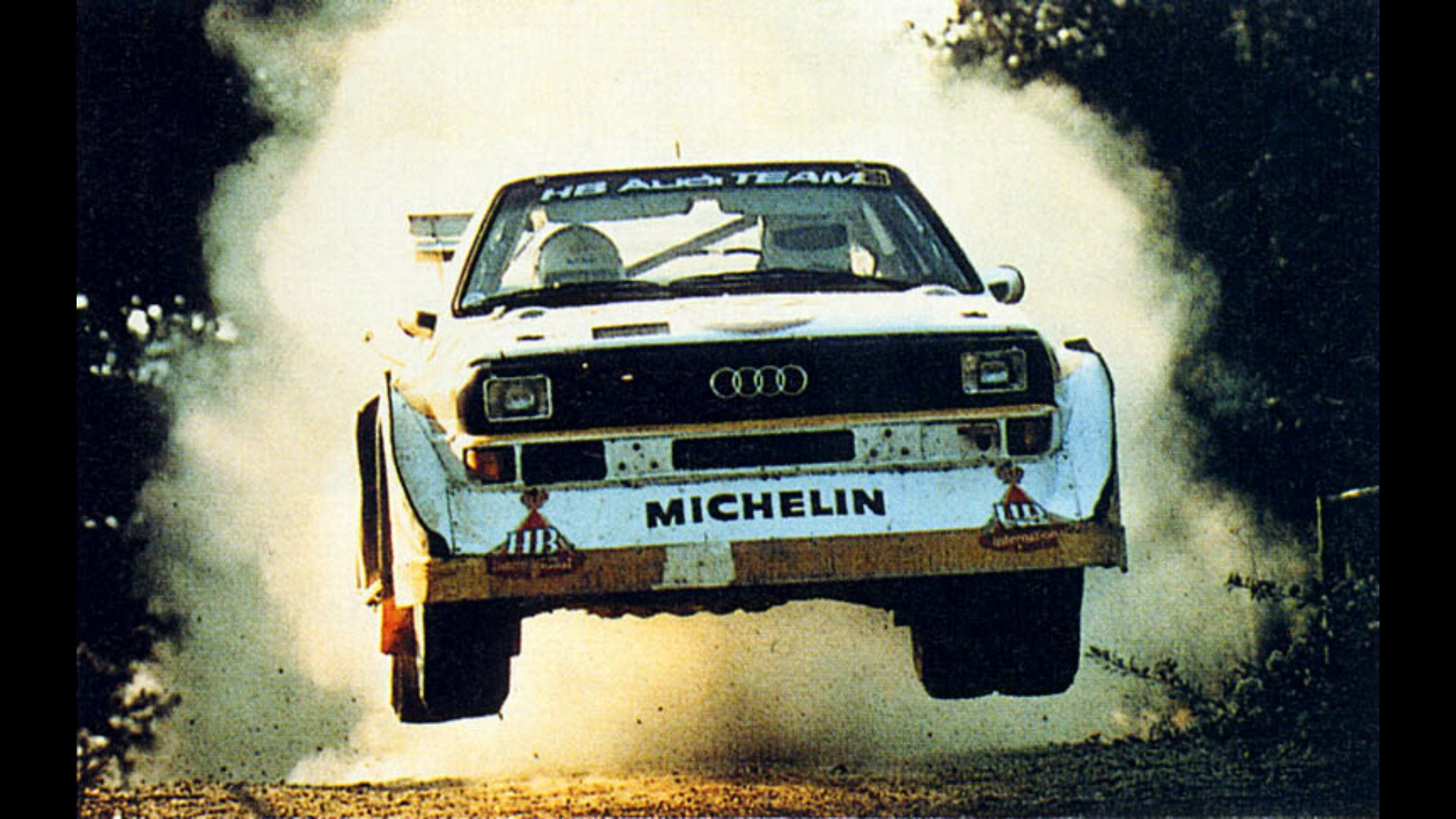
This first fiver displaced 2.1 liters and developed 134 horsepower. A 2.0-liter diesel version followed in 1978 with a mere 68 hp, followed by a turbocharged version the next year that made 167 hp in the European-spec Audi 200 5T. In 1980, Audi combined an uprated (197 hp) turbo-five with all-wheel drive and a coupe body shell in the original Quattro, which went on to World Rally Championship glory during the fearsome Group B era.
In 1983, Audi chopped the wheelbase and further increased power to create the Sport Quattro, a homologation special that formed the basis for the WRC title-winning Quattro A2 and Pikes Peak-winning S1 E2 rally cars. Audi then switched to sports-car racing, campaigning five-cylinder all-wheel drive sedans first in Trans-Am and then, after rule changes effectively forced the German cars out, IMSA.
As the 1980s drew to a close, Audi refocused on road-car applications. The Audi 100 TDI debuted at the 1989 Frankfurt Motor Show, adding the turbocharged direct injection moniker that later became infamous in the VW “Dieselgate” emissions-cheating scandal. In 1994, the Audi RS 2 Avant launched the RS performance badge with turbo-five power. But the original Audi five wouldn’t last much longer, ending production in 1997 with a 2.5-liter TDI in the European-market C4 A6 and a 2.0-liter gasoline turbo in that generation’s S6.
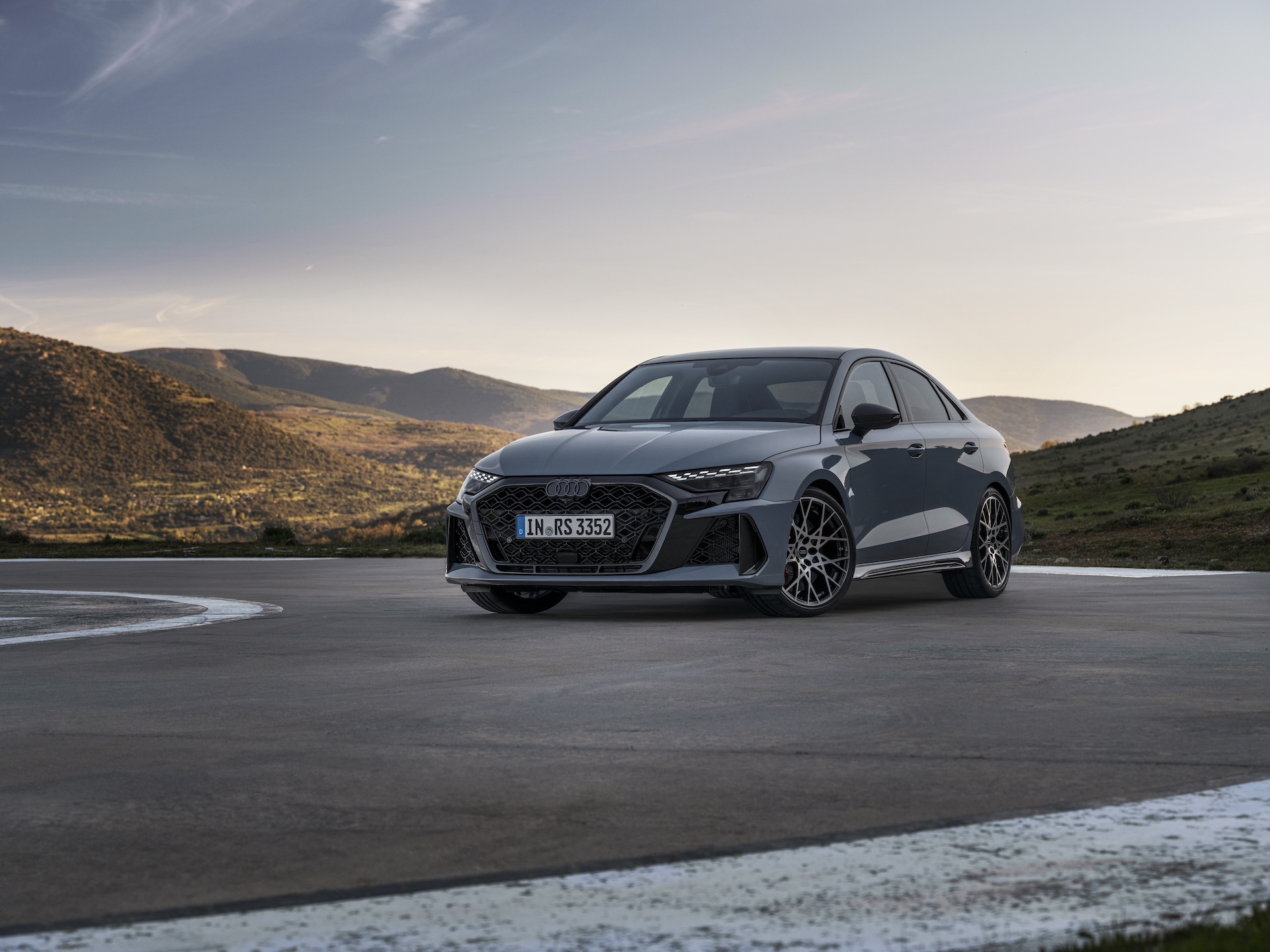
Audi brought back the five-cylinder for the TT RS in 2009, this time drawing on nostalgia. Because while other automakers—including General Motors, Honda, and Volvo—have experimented with five-cylinder engines, they’re integral to Audi’s story. The sight of an Audi badge and the unique warble of a five-cylinder go together like schnitzel and lukewarm potato salad. That legacy lives on in today’s Audi RS 3, which extracts 394 hp from 2.5 liters and gets to 60 mph in a claimed 3.6 seconds. That definitely deserves a high five.
Got a tip? Send it in: tips@thedrive.com
www.thedrive.com
#Audi #FiveCylinder #Turns #Year #Reason #Celebrate


