Standard Chartered is targeting the growing number of Chinese individuals living, working and starting businesses in the United Arab Emirates (UAE) as part of a push to expand its wealth-management business.
“We now bank an increasing number of Asian clients, specifically Chinese families, in the UAE,” said Judy Hsu, the bank’s CEO of wealth and retail banking, in an exclusive interview. “It has become a growing hub for people who come and work, set up family offices and start their businesses.”
The bank did not disclose the number or percentage growth of its Chinese clients in the UAE. The overall population of Chinese citizens in the country was estimated at 400,000 at the end of 2022, twice the level in 2019, while about 6,000 Chinese enterprises were operating there, China’s ambassador to the country, Zhang Yiming, told local media at the time.
Do you have questions about the biggest topics and trends from around the world? Get the answers with SCMP Knowledge, our new platform of curated content with explainers, FAQs, analyses and infographics brought to you by our award-winning team.
Standard Chartered ramped up investments in the country’s affluent private-banking business over the past four years, bolstering its platforms and relationship managers to serve the growing demand for cross-border banking solutions, said Hsu, who was in Dubai last month for the bank’s flagship event for global family offices.
The move aligned with Standard Chartered’s overall strategy to promote wealth management as its growth engine by investing US$1.5 billion over the next five years. Its third-quarter fee and non-interest income increased 7 per cent from a year earlier to US$3.7 billion, after logging a 31 per cent surge in the previous quarter, thanks to product launches and the addition of rich clients.
Warming ties between Asia and the Middle East, as well as the UAE’s preferential immigration and tax policies, propelled the flow of people and capital, Hsu said.
Annual China-Middle East trade volume had grown to more than US$400 billion, according to government data, as countries in the region sought to diversify their economies and insulate against geopolitical shocks.
Chinese state-owned enterprises, including major oil companies, were among the first to establish a presence in the UAE, followed by businesses linked to their supply chains and entrepreneurs setting up operations in the region, Hsu said.

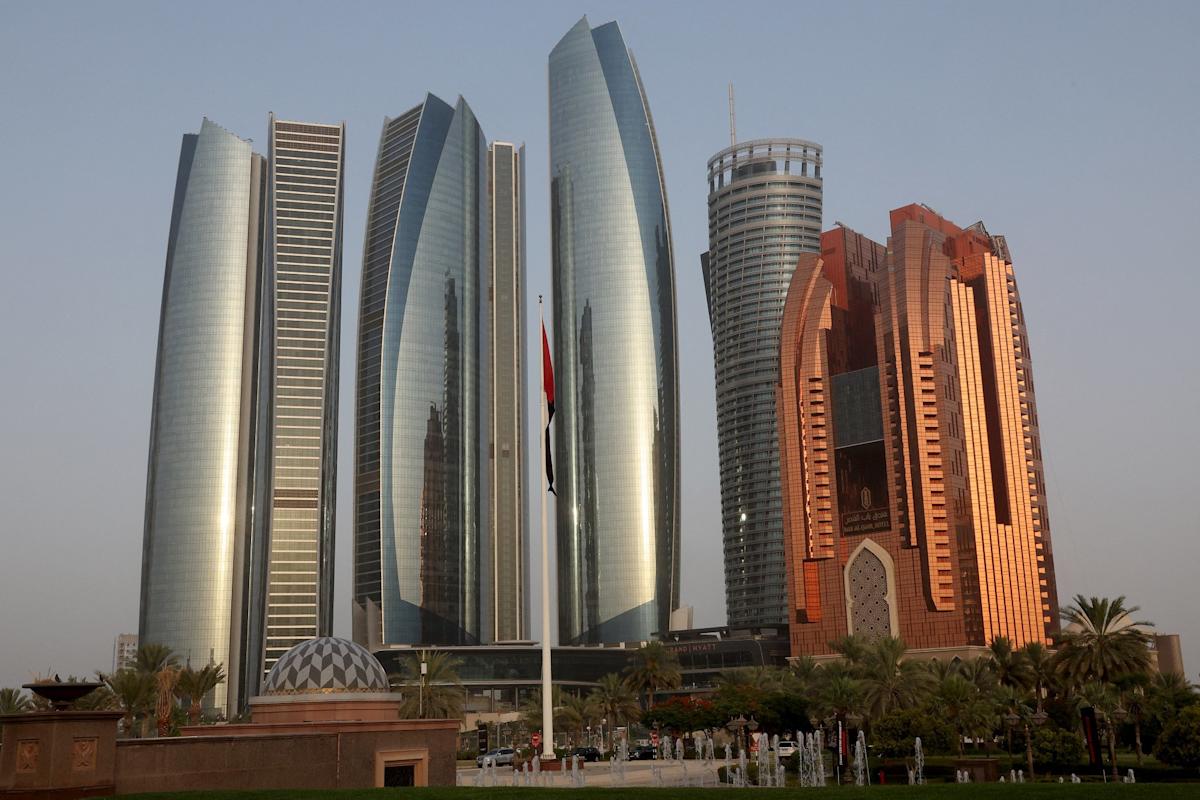
A view of buildings in Abu Dhabi on June 26, 2023. Photo: AFP alt=A view of buildings in Abu Dhabi on June 26, 2023. Photo: AFP>
finance.yahoo.com
#Standard #Chartered #tailors #UAE #offerings #serve #wealthy #Chinese #residents