


Up to one in every three cardiac patients battles unexpected gastrointestinal disturbances after stent insertion, doctors warn, with some severe cases requiring hospital readmission. The condition typically fades within one to two months, yet experts stress that post-angioplasty stomach upset deserves serious attention as it carries potential health risks.
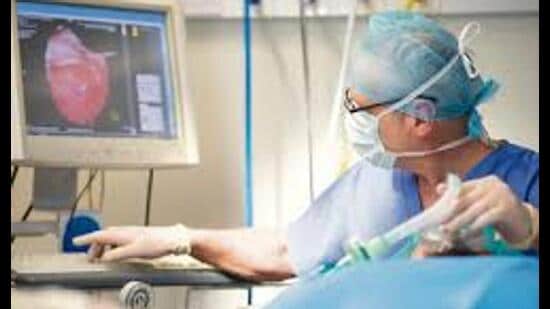
“Cardiac patients often experience gastrointestinal issues following angiography (the procedure involving stent insertion),” said Dr Sharad Chandra of the department of cardiology at King George’s Medical University (KGMU), Lucknow. “If the patient is given proper medication within an appropriate time, there is little cause for concern,” he added.
The remarks came during a three-day conference organised by the National Interventional Council at Atal Bihari Vajpayee Medical University, drawing nearly 1,000 cardiologists from around the world, which began on Thursday. Chief minister Yogi Adityanath will formally inaugurate the conference on April 10, with deputy chief minister Brajesh Pathak in attendance.
Between 25-30% of patients experience stomach upset three to four days post-procedure, often after discharge. The triggers: medications used during treatment or the contrast dye injected to visualise blood vessels, Dr Chandra added.
“This dye can sometimes trigger adverse reactions in certain patients, leading to symptoms such as abdominal pain, gas, indigestion, or vomiting,” explained Dr Gaurav Chaudhary of the cardiology department. Blood-thinning medications prescribed post-stent insertion can also affect the gastrointestinal system, he noted.
Dr Bhuvan Chandra Tiwari, head of cardiology at Ram Manohar Lohia Institute of Medical Sciences (RMLIMS), Lucknow, cautioned that patients with pre-existing digestive issues face a higher risk. “These symptoms are generally temporary with appropriate care,” he said, advising patients to maintain a light diet, hydration, regular medication, and rest, while consulting doctors immediately if symptoms persist.
Additionally, two to three percent of patients experience kidney complications, with contrast dye or medications raising creatinine levels. “The reassuring news is that patients can return to a normal state after undergoing just one or two dialysis sessions,” said Dr Akhil Sharma of the Lari cardiology department.
www.hindustantimes.com
#cardiac #patients #face #stomach #troubles #postangioplasty #Experts


