


I don’t think I’m breaking any news when I say midsize trucks are compromised. Certainly, they’re better performers than ever, with turbo engines and crazy suspension—but why can’t a grown-up fit in the back seat? These are questions that matter to real people, and it seems like Hyundai is paying attention as it prepares its upcoming body-on-frame pickup.
The Drive spoke about this with Olabisi Boyle, Hyundai Motor America’s vice president of product planning and mobility solutions, at the New York International Auto Show. As we talked through what Hyundai learned from its first pickup in the U.S. market—the soon-to-be-gone Santa Cruz—she relayed what the brand has heard from consumers. It’s true that truck buyers want sharp looks and impressive work potential, but that’s not all.
“Some certain things they like are interior comfort in all rows, not just the first row,” Boyle explained. “And it might seem small, but it’s important.”
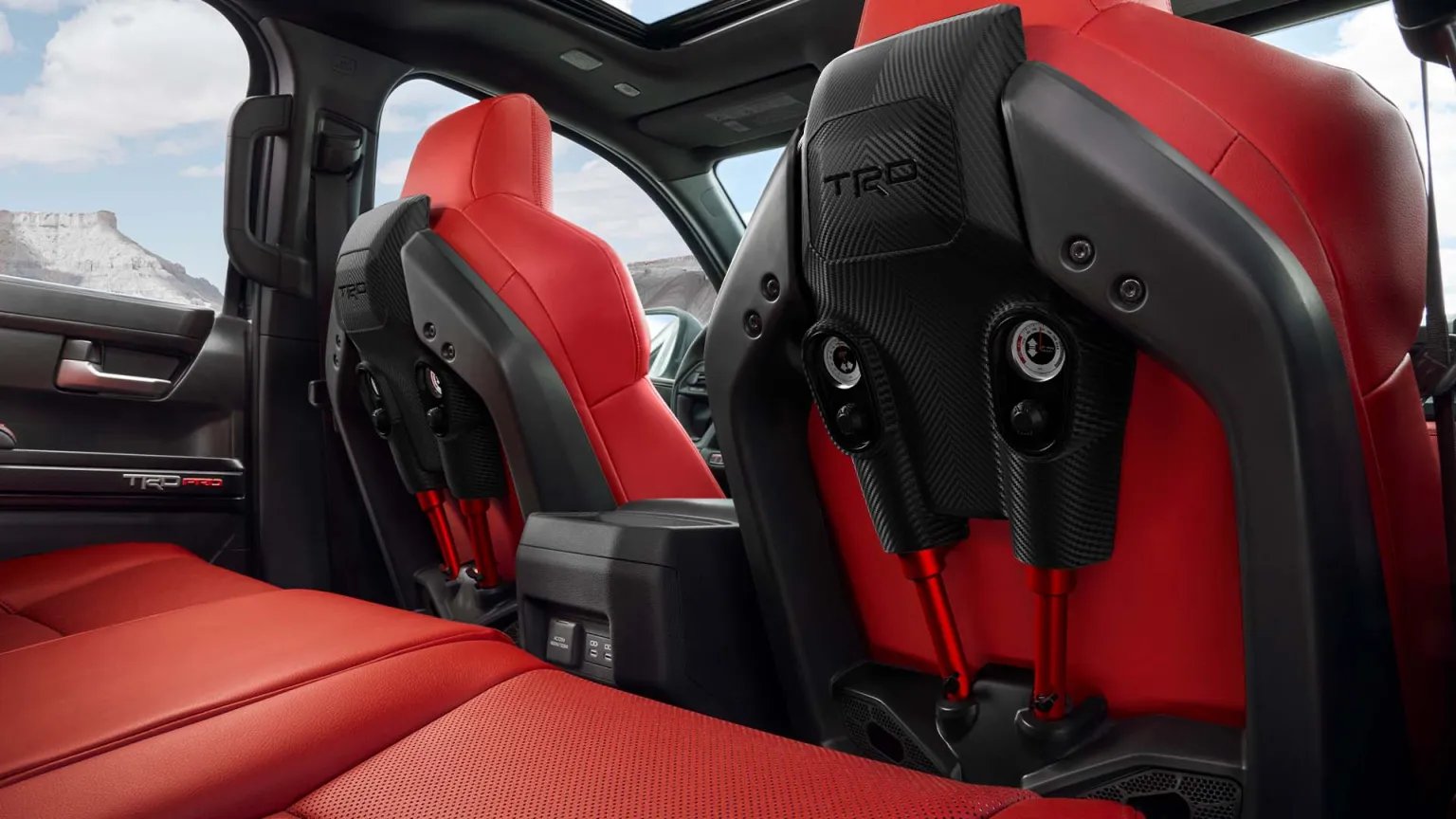
Almost every midsize truck today is a crew cab, with the Chevy Colorado, Ford Ranger, and Jeep Gladiator offering no other configurations. Yet, I’ve seen firsthand that a rear-facing car seat base hangs halfway off the rear bench in a Colorado. And you haven’t fully experienced it until you’ve tried sitting behind someone in a Tacoma TRD Pro with those snazzy IsoDynamic chairs.
“Even in this segment, they care about fuel economy,” Boyle continued.
As it sits, the Tacoma hybrid gets the best combined fuel economy of any midsize truck with 23 mpg. The Ford Ranger is able to hit 21 mpg combined with its turbo four-cylinder, while the Colorado and Frontier are stuck at 19 mpg combined. (I’m comparing 4×4 models, since that’s what you see most in the real world.)
It’s unclear what powertrain(s) Hyundai will offer with its truck, and from the way Boyle talks, it might not be decided yet:
“You have opportunities with HEV [hybrid], EREV [extended-range electric], ICE, and EV. And so we are exploring those options now, all of them to see which would be best. But the idea is to listen to the customer in this mid-size truck market, and do they care about efficiency over towing, over fuel economy, and then make a decision on that trade-off based on that. And what’s good is if you have different powertrains from an HEV standard—or HEV, EV, ICE—optimize that for what this midsize truck buyer wants, especially if it’s something that’ll give us a one-up on the leaders. And so we’re looking at … We’re fortunate enough to have that diversity of powertrain to decide which is best for that. But right now we haven’t said which it’s going to be.”
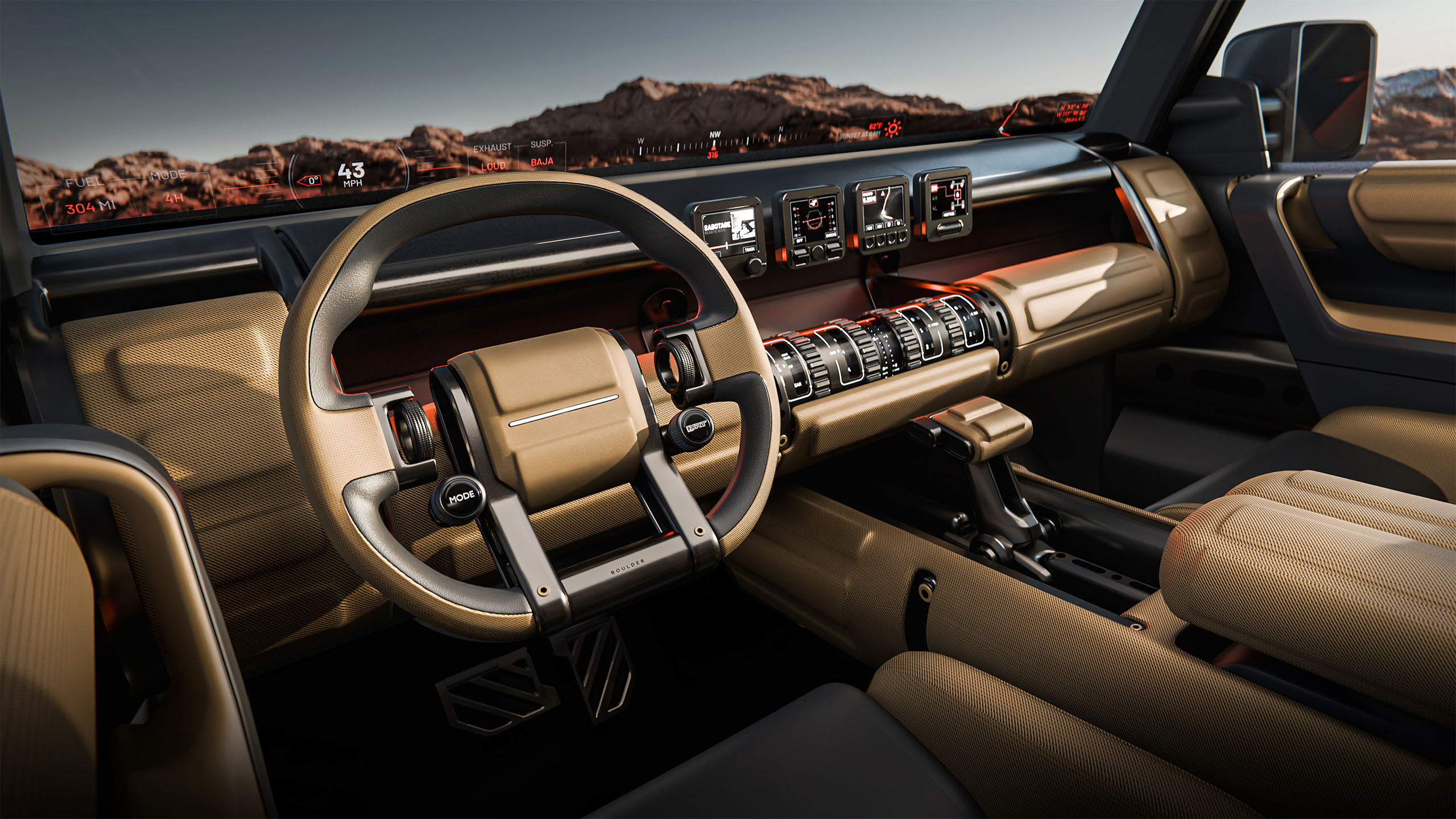
Some other areas that Boyle feels Hyundai can capitalize on include advanced driver assistance systems and the interior user interface. For example, she said that physical controls most definitely have a place inside the truck: “Key things that you have to do repeatedly are going to stay manual knobs. They just are.” And ultimately, Boyle acknowledges that “you’re just not in the game if you don’t have the capability.”
So, it’s a mix of things. People want more room, more intuitive controls, and better fuel economy—all while being able to work hard and wheel on the weekends. Hyundai has its work cut out for it, but if the company can get this right, there’s money to be made in the segment for sure.
Got a tip or question for the author? Contact them directly: caleb@thedrive.com
www.thedrive.com
#Midsize #Trucks #Problems #Hyundai #Thinks #Fix


