Support CleanTechnica’s work through a Substack subscription or on Stripe.
As nobody could have possibly anticipated, Trump’s war on Iran has already backfired spectacularly into a regional conflict pushing up the price of gas. So, there goes Trump’s oft-repeated “I lowered the gas prices” talking point, up in flames. With the law of unintended consequences hard at work, Trump also just made the case for electric vehicles stronger than ever before. The only problem is that electricity prices are also skyrocketing from AI data centers, but a return to the days of the good old-fashioned carpool (or carpooling, as some say) will help offset the extra cost.
Make America Carpool Again
The history of the carpool is just about as long as the history of the car. The US transportation firm TransAction has time-lined the rising activity from the emergence of jitney rides during the recession preceding World War I, through the fuel conservation efforts of World War II, and on into the oil crisis of the 1970s.
“Carpooling rose to popularity again in the 70s as part of the fuel crisis and by 1980 almost 25% of Americans were riding in carpools,” TransAction noted. “When the company assessed the situation more recently, though, carpooling was on its way out.”
“Currently, carpooling has seen its popularity wane,” TransAction observed in 2019. “The most recent data from the U.S. Census shows that only about 9% of the population is willing to share the ride.”
Ouch! By 2019, jitney-type services like Uber and Lyft were competing against carpools on the convenience level. Even so, TransAction was among the transportation stakeholders anticipating a comeback for carpools. They cited the emerging popularity of slugging, a sort of variation on hitch-hiking in which drivers pick up an extra rider in order to travel in HOV (high occupancy vehicle) lanes.
TransAction also took note of another hitch-hiker type service called “Casual Carpool,” which enabled riders to wait in a designated spot in East Bay to catch a ride to San Francisco.
Carpooling On The Rocks
Since 2019, various attempts have been made to ratchet carpooling back into a mainstream mode of transportation. TransAction, for example, launched a carpool matching service called eCommuter. In addition to matching riders, the eCommuter platform also engages interest in carpooling through various challenges and a “Crunch Your Own Costs” feature that enables drivers and riders to calculate their savings compared to hopping in a car by themselves.
Still, carpooling continued to tick downwards, hitting 8.64% in 2024. While TransAction’s eCommuter is still up and running, a number of other attempts have fallen by the wayside. Waze, for example, launched the Waze Carpool app in 2018, only to retire it in 2022. The company cited a change in driver habits from regular pre-COVID commutes to a more dispersed pattern of errands and activities after the lockdown lifted.
Carpooling As An Act Of Resistance
Despite the challenges, signs of a revival have begun to pick up. The original Casual Carpool fell into disuse for several years after the COVID lockdown kickstarted the work-from-home trend, but last year organizers revived it with an eye on expanding the service to new locations.
In some parts of the country, the rising cost of express lanes could help stimulate more interest in carpooling, over and above a rise in the cost of gasoline. In the New York City metro area, bridge and tunnel tolls are also increasing alongside the launch of congestion pricing in Manhattan, adding another dose of motivation.
Resistance is another factor that can lead to a jump in carpooling, though a temporary one. The organizers of the Montgomery, Alabama, bus boycott of 1955, for example, are credited with success through the establishment of the Montgomery Improvement Association, which enlisted volunteer drivers and negotiated with the bus companies.
“The MIA established a carpool for African Americans. Over 200 people volunteered their car for a car pool and roughly 100 pickup stations operated within the city,” the National Parks Service notes. “To help fund the car pool, the MIA held mass gatherings at various African American churches where donations were collected and members heard news about the success of the boycott.”
Carpools have also become a significant factor in community pushback against the illegal actions of Trump’s immigration goon squads, as local businesses seek to protect at-risk employees traveling to and from work.
EVs & Carpooling
In some parts of the US, carpooling never fell out of favor. In Trenton, the capitol city of New Jersey, for example, transportation planners state that 30% of households do not own a car, and 21% rely on carpools for transportation to work.
In 2021, the city began exploring the potential for EVs to improve the carpooling ecosystem for Trenton residents. Through the new GoTrenton! program, the city partnered with the EV charging station startup FLO to put the wheels in motion. The expected outcomes for the new program are are high, including the economic benefits of carpooling in general, as well as the environmental benefits of EVs:
Promote economic revitalization by improving mobility for residents who lack affordable and reliable transportation options.
Increase access to jobs, healthcare, nutritious food, and essential resources through clean, reliable transportation.
Address the disproportionate asthma rates that Trenton residents experience by reducing air pollution in the city.
Support greater access to essential services and resources for residents in need provided by Trenton’s community organizations and local businesses.
Increase workforce opportunities through project hiring and by connecting Trenton residents to other job opportunities.
Reduce dependency on private vehicles.
As of August 2025, FLO recorded an average of 4,000 rides for a total of 40,000 riders served by its fleet of four small vehicles, two passenger vans, and an ADA-compliant van, with plans to double capacity.
The service has been offered free of charge anywhere within Trenton. Last year GoTrenton! was confident that it had the resources to expand. Though, that remains to be seen.
As for the larger world of carpooling, EVs or not, keep an eye on the California firm RidePair. The startup bills itself as an alternative to the legacy ride-sharing platforms provided by Uber and Lyft, which have more similarities to a jitney service than a carpooling experience.
In contrast to the driver-centered rewards system of traditional ride-sharing, RidePair states that its platform incentivizes both the driver and the rider. The company has also generated some buzz by positioning its service as a sort of lowkey dating app on wheels.
“Pair matches drivers and passengers based on professional or social connections, creating a real life social media platform for networking opportunities with other individuals while commuting to and from work,” RidePair states.
Thoughts? If you’ve seen interest in carpooling rising where you live, drop a note in the discussion thread.
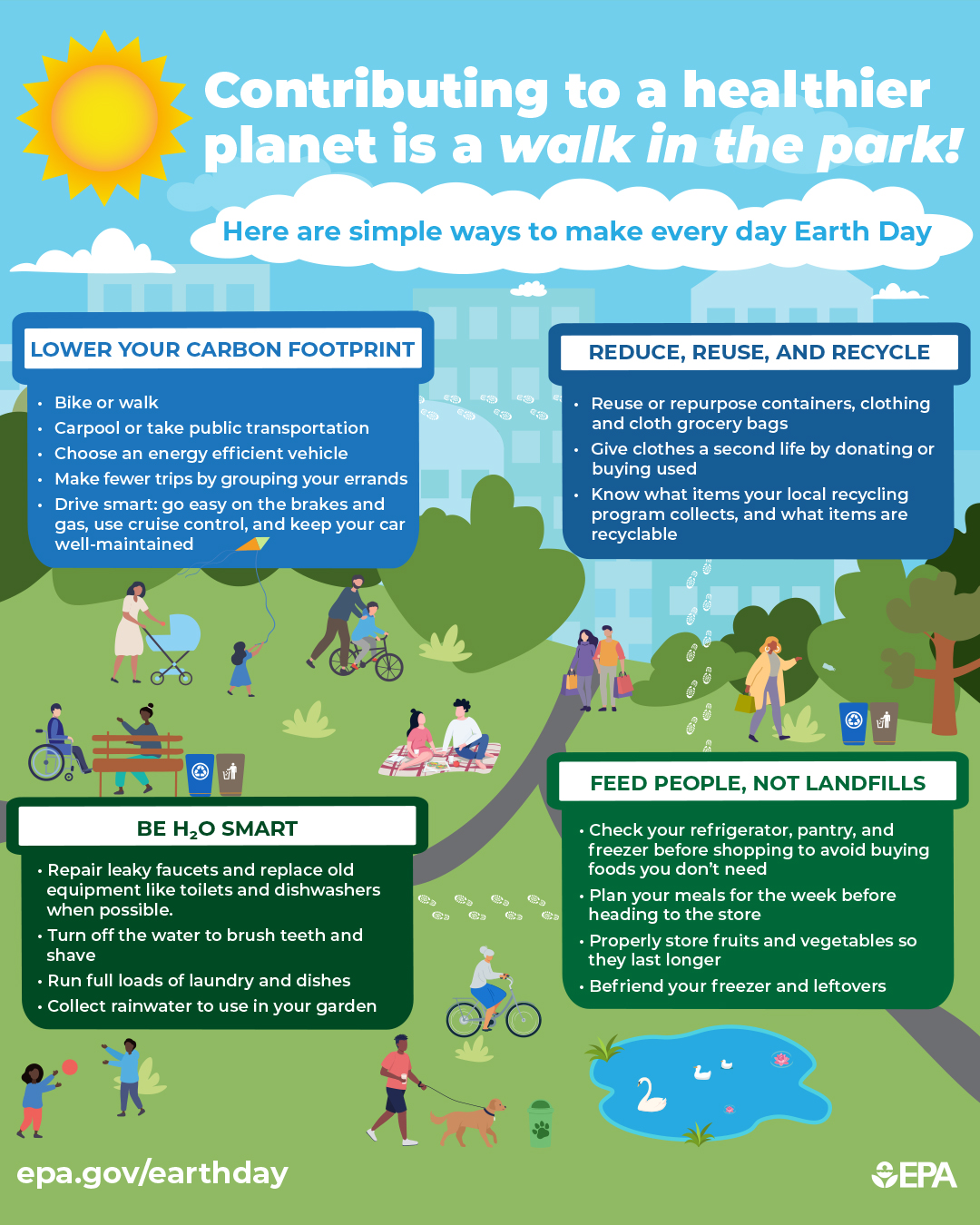
Image: Carpooling is one way to stop feeding petrodollars into the global economy as Trump’s war on Iran rapidly spreads throughout the Middle East (cropped, courtesy of US EPA).
Sign up for CleanTechnica’s Weekly Substack for Zach and Scott’s in-depth analyses and high level summaries, sign up for our daily newsletter, and follow us on Google News!
Have a tip for CleanTechnica? Want to advertise? Want to suggest a guest for our CleanTech Talk podcast? Contact us here.
Sign up for our daily newsletter for 15 new cleantech stories a day. Or sign up for our weekly one on top stories of the week if daily is too frequent.
CleanTechnica uses affiliate links. See our policy here.
CleanTechnica’s Comment Policy
cleantechnica.com
#America #Car #Pool