


It’s said that things go in cycles, and that’s true of the car industry, too. In the wake of the Great Recession, American automakers pledged to heed consumers’ pleas for more small cars and sedans. The Big Three kept up the act for maybe five or six years, then unceremoniously began killing them off again in favor of more profitable SUVs. Fast forward to the present day, and the prices of new vehicles and a great many goods are hitting new heights, so it should come as little surprise that Detroit is once again entertaining sedans. For now.
General Motors President Mark Reuss recently said that he “would kill to have a hybrid-electric sedan,” and that GM is “working on how to do that.” It shouldn’t be complicated, though. Credit to Ford CEO Jim Farley, who recognizes that other companies worked that out long ago; it’s just the Americans who seem to be allergic to the solution.
“The sedan market is very vibrant,” Farley said at the Detroit Auto Show, per the Wall Street Journal. “It’s not that there isn’t a market there. It’s just we couldn’t find a way to compete and be profitable.”
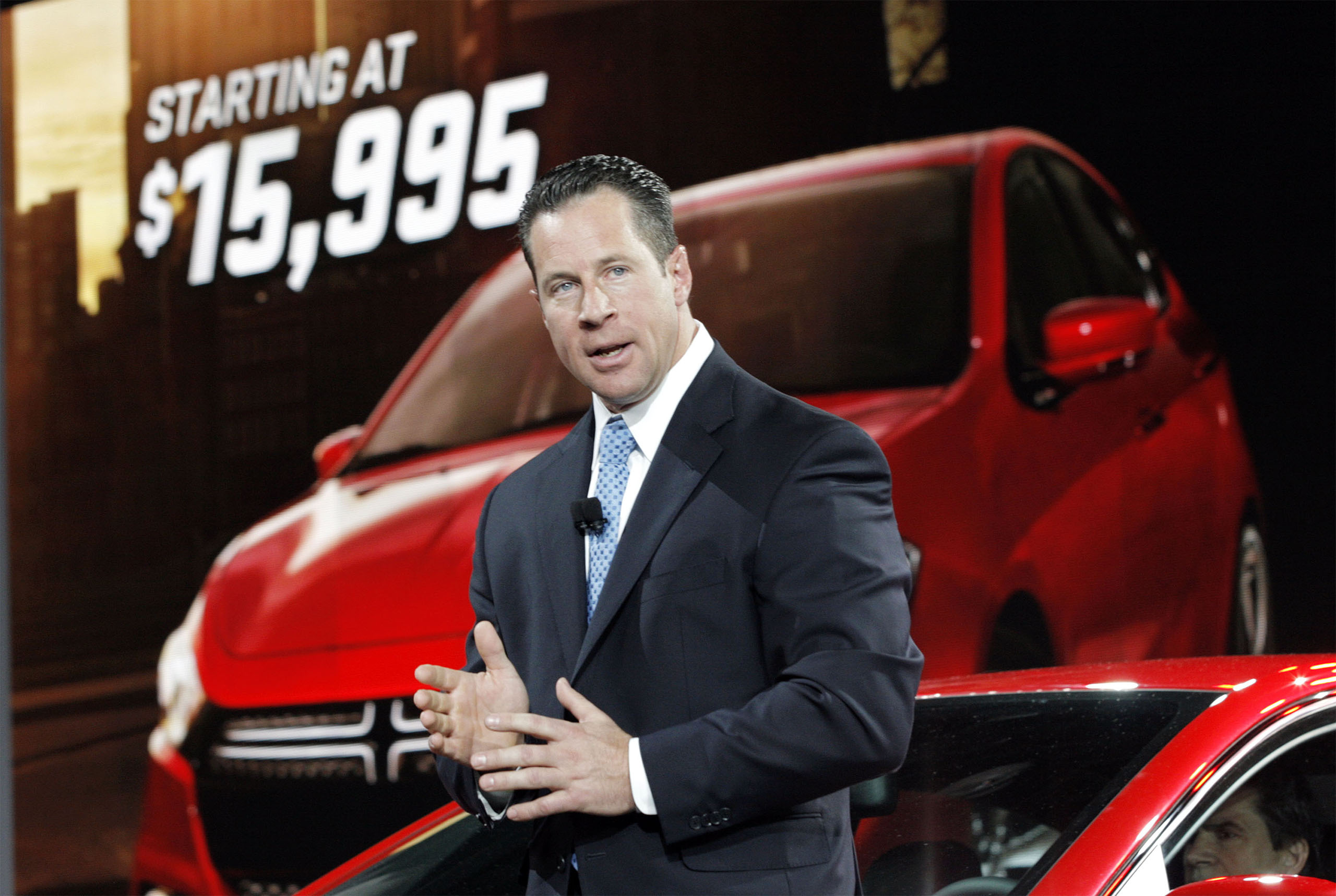
Stellantis is also apparently actively investigating the segment. Almost a decade removed from the Chrysler 200—a sedan that shared a platform with the ill-fated Dodge Dart—Chrysler CEO Chris Feuell teased a sub-$30,000 small car that will be “beautiful and fun to drive and aspirational” last year.
Up until now, Detroit would have you believe that sedans’ slim profit margins make them prohibitive to business. You’ve got to sell a lot of them to make the endeavor worthwhile, as Honda, Toyota, Hyundai, and Kia do. Consider Kia’s sales last month—a record January for the brand. Its second-best-selling vehicle, behind the Sportage, was the K4, rolled in with remaining Forte stock. The same is true for Honda—the Civic and Accord trailed only the CR-V in sales by model in January.
Commit to giving customers what they want—even if it might lack the margins of a King Ranch pickup truck—and you can still make money. Those small car makers wouldn’t be bothering if they didn’t.
Robby DeGraff, manager of product and consumer insights analysis at the firm AutoPacific, told us that more than a third of the some 18,000 consumers it surveyed who plan to buy or lease a new car within the next three years said they’d consider sedans, especially midsize and large ones. In a market overrun by cookie-cutter crossovers, he believes sedans have real potential to stand out.
“The demand is there, and even if an automaker has to bite the bullet and commit to the not-as-profitable sedan segments again, they should,” DeGraff said. “I applaud the Korean and Japanese brands for maintaining a strong presence in the sedan game, as a quick peep at year-over-year sales numbers for models like Kia’s K4 and K5, Toyota’s Corolla and Camry, and the Hyundai Elantra, all saw gains in 2025. Even others—Nissan’s redesigned Sentra and Honda’s Civic, both excellent value-packed cars—were bought in droves last year.”
Scanning that recent story from the Journal, there are two particular quotes that stand out to me. First is a comment by a dealer group owner in New Orleans, who said, “There were a lot of people that bought Ford Focuses and Escorts that ended up buying Explorers and Expeditions and F-Series trucks later. It was an entryway, a gateway product to the brand.”
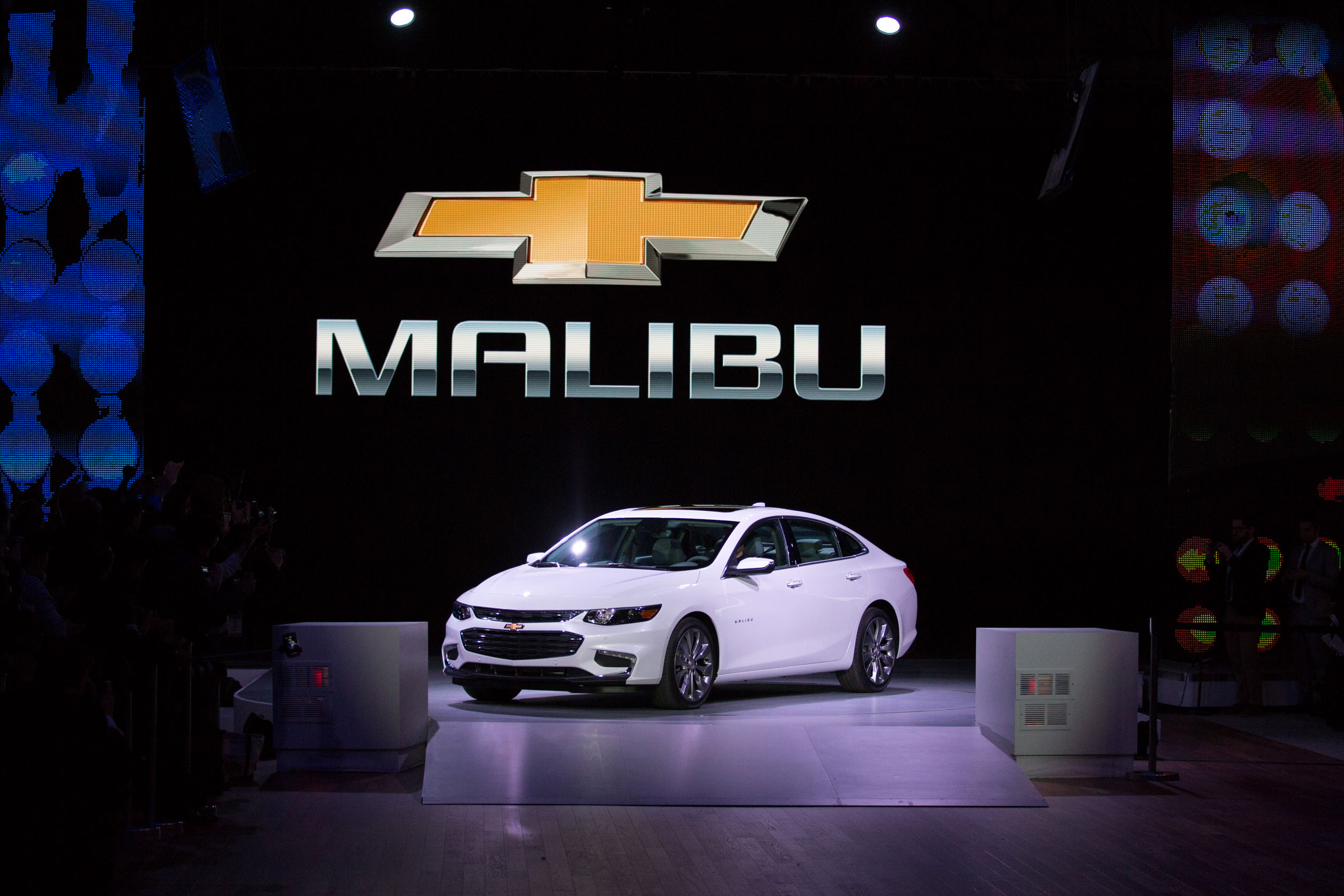
For some, that might’ve been true—particularly for consumers who maybe had a Focus in their twenties, then started a family and needed to move up a few size classes. But you’ll still have those customers who want the car they want, as evidenced by a Ford dealer in Ohio who, per the publication, is “hanging on to his own Fusion as long as he can, since Ford doesn’t offer a new one anymore.”
So, Detroit appears to be entertaining normal cars again, which is wonderful. As a Focus, Fiesta, and (apprehensive) Dart owner at various points, I can attest that American small cars, hatchbacks, and sedans have had redeeming qualities, even when they weren’t the best. But if they don’t sell this time around—and measuring up to Civic and Corolla sales certainly won’t be easy—history gives us every reason to believe this will prove another short-lived flirtation, and we can look forward to the Big Three’s next small car boom in 2045. It seems to be a fad only for them.
Got a tip? Reach out to tips@thedrive.com
www.thedrive.com
#Detroit #Automakers #Bring #Sedans #Time


