


Support CleanTechnica’s work through a Substack subscription or on Stripe.
The proliferation of large, premium SUVs was a major theme of Auto China, also known as the Beijing Auto Show. However, there were also a number of impressive performance cars at the show. While this might not be what many people have traditionally associated with the Chinese market, sports cars and sporty sedans outnumbered budget-focused subcompacts on the show floor.
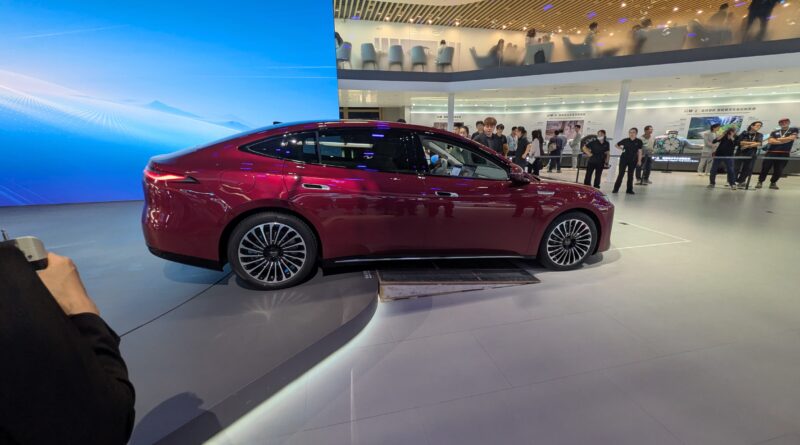
Overall, we are seeing sporty sedans with performance exceeding ’90s supercars starting around the price of a Camry; sports cars with sub-2 second 0–100 km/h for around the average new car price in the US; hypercars with performance that challenges comprehension … and all of them are electrified.
Xiaomi arguably kicked off this trend with the massive success of its SU7 sedan a couple of years ago. A refreshed version of that model was at the show, along with a Vision Gran Turismo concept that might preview a two-door vehicle in the future.
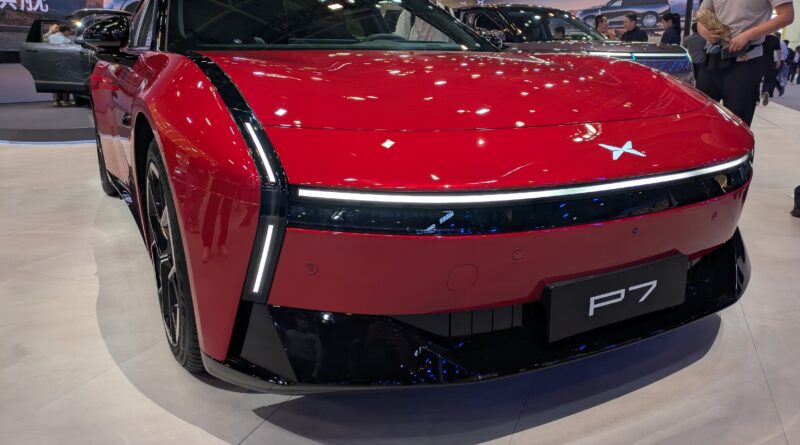
With the next P7, XPENG turned the sportiness up a level. It appeared in a stunning shade of red on the show floor. Having had the opportunity to drive that model recently, I can say that the dynamics live up to its looks. With VLA 2.0, it is also impressively capable of driving itself.


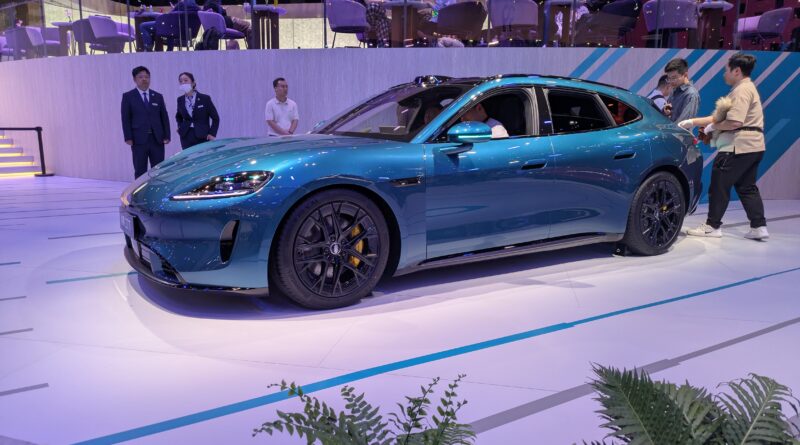
Perhaps the biggest debuts came in the BYD hall. BYD has had the reputation of being the Toyota of China, but the automaker has taken a clear step to move up market recently, particularly with its sub-brands. Denza displayed its new Z sports car in convertible form, while freezing its Z9GT to show off fast charging.
Previously known for its SUVs, Fang Cheng Bao showed off the Formula X sports car and the Formula S and SL sporty sedans. While they are all expected to have three motors combining for over 1000 hp, there are not many details yet. It will be interesting to see what differences there are in tuning and positioning between the Denza and Fang Cheng Bao vehicles.
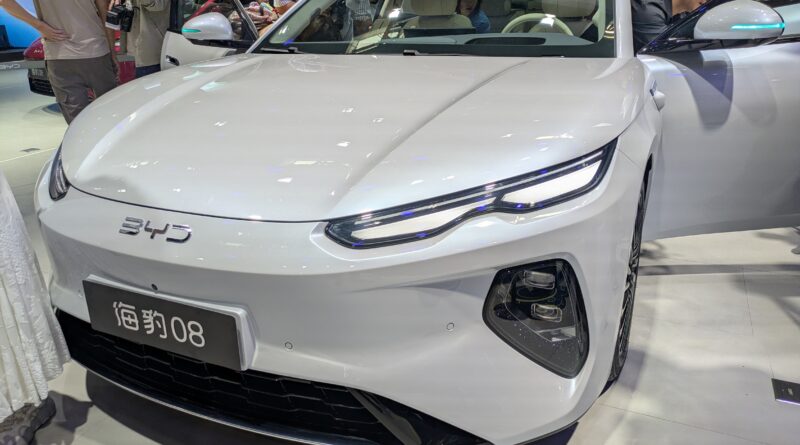
Back at the BYD brand stand, the new Seal 08 has the looks and power of a sporty sedan, but the interior is surprisingly luxurious. We will have to wait to see if they tune it more for luxury or performance. Of note, all new BYD vehicles can charge as fast as gasoline cars refuel on BYD’s new Flash Chargers.

On the hypercar end of the spectrum, Wang Chaunfu made a personal appearance to hand off the U9 Xtreme to a few of the lucky 30 customers worldwide. At 20 million RMB ($2.9 million USD), it is the most expensive Chinese car to date. Under the composite skin is a chassis with heavy use of 3D-printed aluminum, a proprietary battery capable of a 30C discharge rate, and over 3000 horsepower distributed across all four wheels. It currently has the quickest electric Nürburgring lap time and the record for the fastest production car at just shy of 500 km/h (310 mph). However, that record is tire limited and the engineer on hand mentioned that they are developing new tires that can take the car to 530 km/h (329 mph). However, he also said that the car in low drag configuration would be theoretically capable of going to 600 km/h (373 mph) with the right tires. It is hard to imagine going that fast, but the vehicle will likely continue to evolve as a testbed for BYD technology. Also on the Yangwang stand was the updated U7 sedan, which holds the “moose test” record. That car only has a little over 1300 hp and a little over 1000 km of range, yet starts under $100,000, pricing it under German competitors.
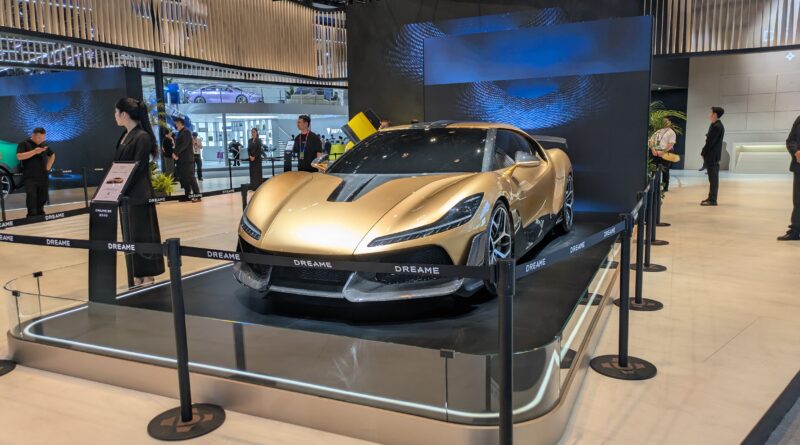
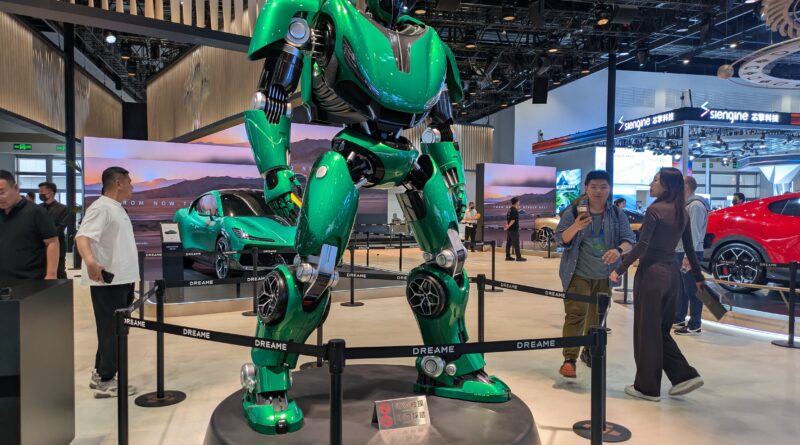
Continuing on the hypercar theme, Dreame showed several concepts in addition to what I saw at CES. I will not go into details about the promises being made, as they are a bit hard to believe. However, if the company can deliver on a fraction of what they promise, it will be exciting to watch.

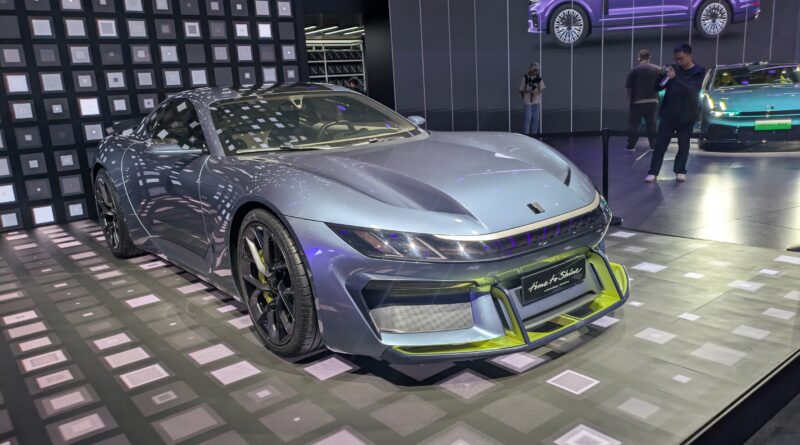
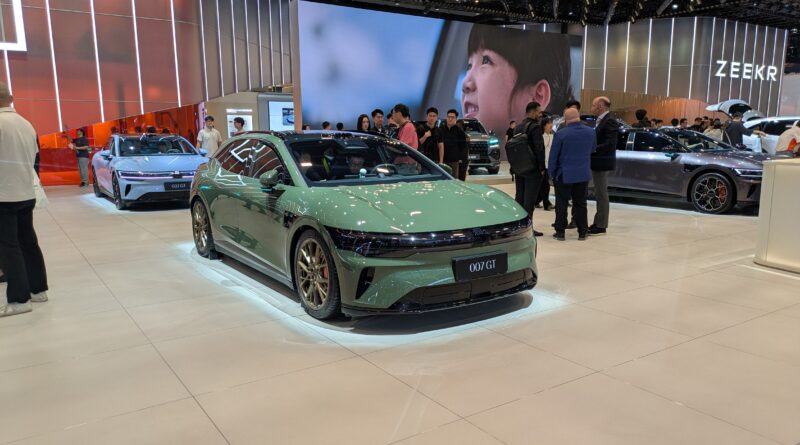
Back down to more realistic vehicles, Geely showed a number of sporty models under its Zeekr and Lynk & Co brands, as well as the Lynk & Co GT Concept, which looks like a production model may not be far off.
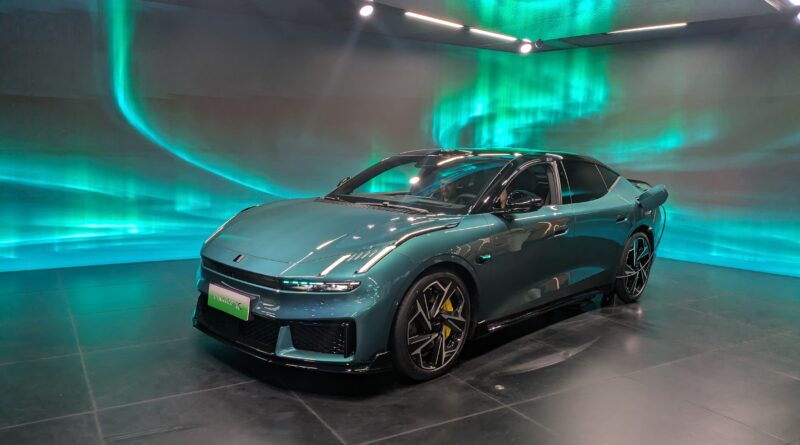
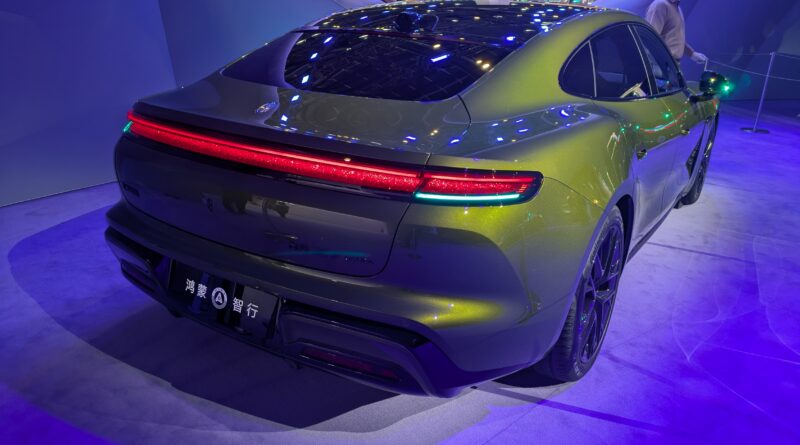
SAIC showed off the Z7 and Z7T, which have similar appearances to the Denza Z9 and Z9GT, as well as to the Porsche Taycan. Performance may not reach the same heights as the top models from those competitors, but pricing is expected to start in the mid $30,000s. However, these models serve as halo vehicles for the Huawei-led Harmony Intelligent Mobility Alliance (HIMA) ecosystem, “aimed at providing high-tech, stylish and practical electric vehicles.” As competition intensifies, these technology partnerships could become increasingly important for many automakers.

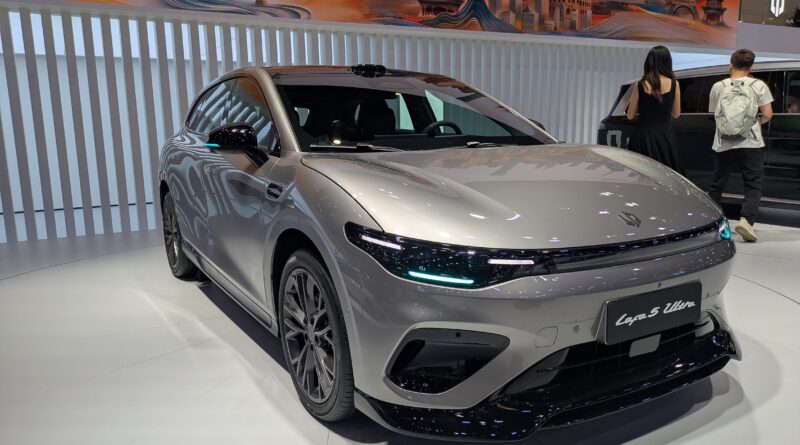
The smaller cars being featured at the show tended to be more on the premium side, like Firefly. While the Leapmotor Lafa5 was on display, it was featured in the sporty Ultra trim.


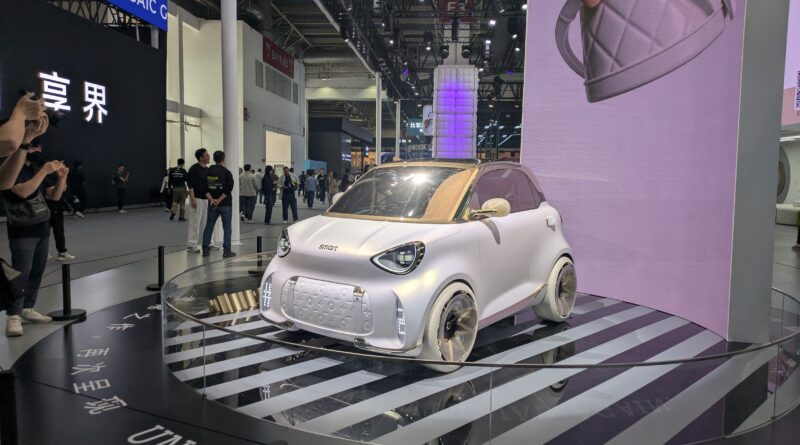
Smart’s 429 hp #6 PHEV (which is arguably a Chinese brand now under Geely with Mercedes styling) had a more premium feel than some luxury cars, with soft touch materials extending to the base of the rear doors. It is not what many would expect. Smart also showed a two-door concept that better fits its traditional form factor but will likely be more premium than its ancestors in execution, based on the overall direction of the brand.


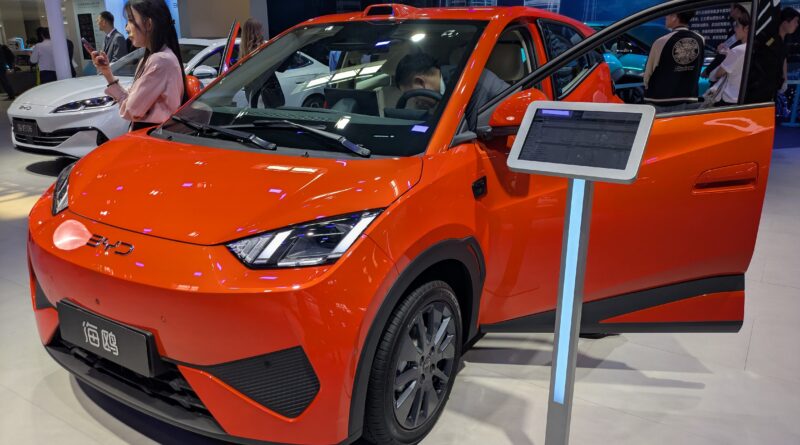
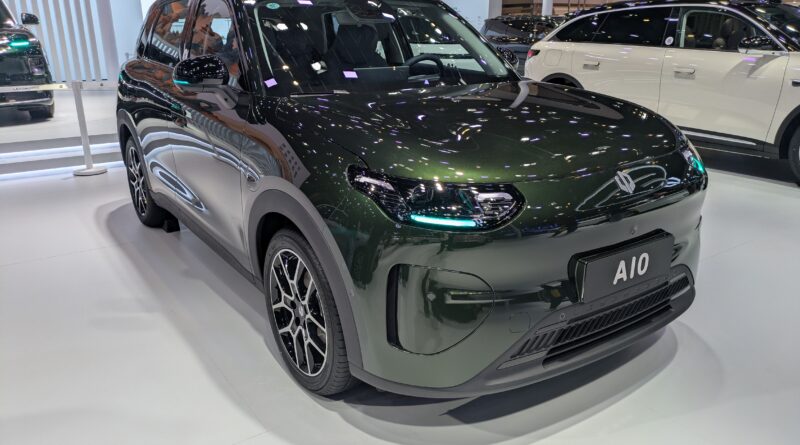
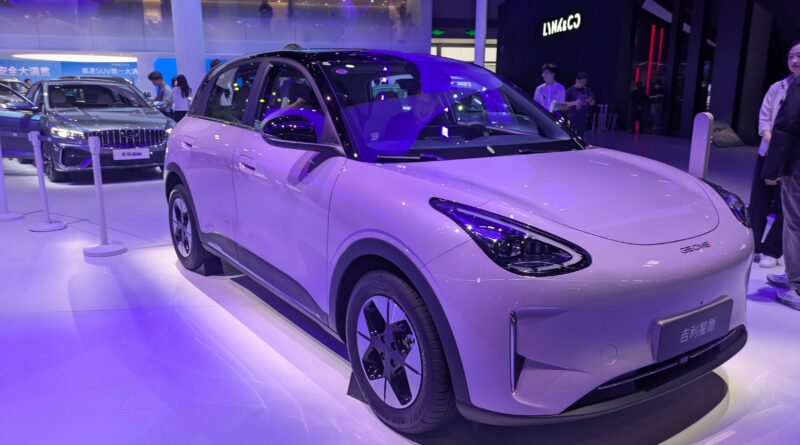
There were not many cars on the low end of the price spectrum, although there were several notable models in the $10,000 range. The updated BYD Seagull now offers LiDAR-based intelligent driving in a car that costs slightly more than what some automakers charge just for the ADAS software. The Leapmotor A10 was also at the show, which was roomier than its price would suggest. The Geely EX2 was also present, which like the other cars mentioned, was more car than you would expect for the price. But all of these are real subcompacts built to global standards and intended for global markets. For comparison, the interiors, build quality, and technology are better than in a Chevy Bolt that costs almost three times the price in the US.
In terms of the mini cars that some people might associate with China, there were only a couple from Wuling. While automakers push for mini car regulations in Europe, these cars do not seem to be getting emphasis in China. It will be interesting to see if this is reflected in sales going forward.

In looking through the images, you will likely notice that color is back. Cars seem to be leaving the grayscale behind. The depth of color and quality of paint is something that my camera can’t do justice. The bright colors add to the sense of optimism and confidence at the Beijing Auto Show.
Overall, as with the full-size, luxury SUVs, people are not buying these vehicles just because they are EVs. People buy them because they are better cars, and electrification makes them better cars. While some people once thought that electrification would suck the fun and soul out of driving, the opposite seems to be happening in China. Electrification is leading to more capable sports cars at more accessible prices with lower operating costs. More people will be able to have fun driving, rather than feeling like they are driving anonymous appliances. Cars that are more enjoyable and cleaner. In the case of convertibles, more enjoyable in the open air because they are cleaner. I am still waiting for something like an electric Miata to be offered, but it may not be far off at this rate. I can also see this new wave of vehicles contributing to the custom car culture in China, but that’s another story.
With such compelling and powerful SUVs and sports cars from Chinese brands, it makes you wonder how legacy brands can compete at much higher prices with less technology and lower performance. Especially legacy brands using legacy powertrains. There is also an obvious trend associated with that, but that will have to wait for a future article.
Sign up for CleanTechnica’s Weekly Substack for Zach and Scott’s in-depth analyses and high level summaries, sign up for our daily newsletter, and follow us on Google News!
Have a tip for CleanTechnica? Want to advertise? Want to suggest a guest for our CleanTech Talk podcast? Contact us here.
Sign up for our daily newsletter for 15 new cleantech stories a day. Or sign up for our weekly one on top stories of the week if daily is too frequent.
CleanTechnica uses affiliate links. See our policy here.
CleanTechnica’s Comment Policy
cleantechnica.com
#Sporty #Cars #Outshine #Subcompacts #Beijing #Auto #Show


