


Support CleanTechnica’s work through a Substack subscription or on Stripe.
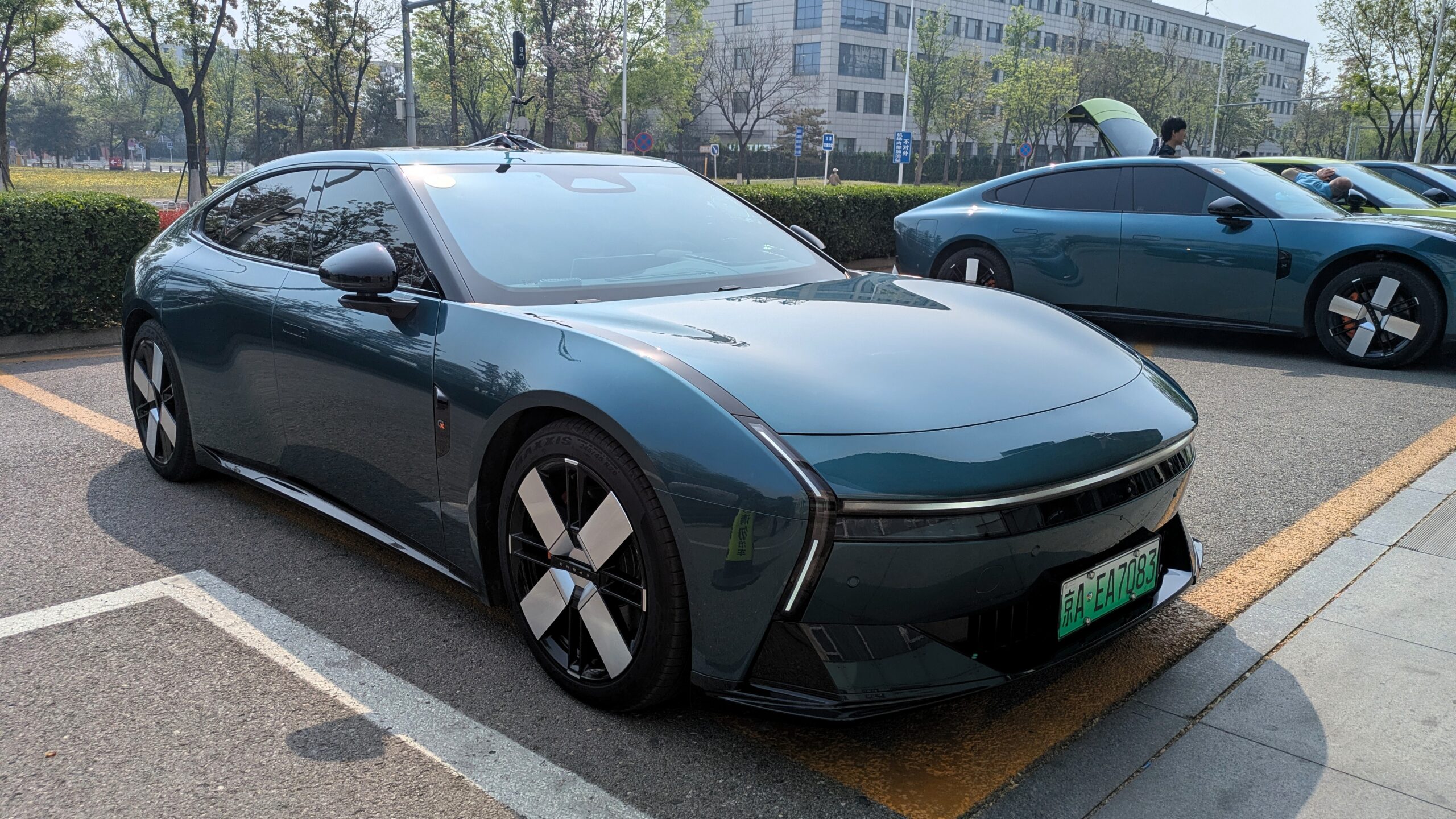
A high point of my recent trip to China was the opportunity to experience XPENG’s VLA 2.0 system on the Next P7 Ultra. I had previously sampled the advanced ADAS system on a P7+ in November, which was already impressive. It can be easy to get caught up in the technical details of these systems. However, what is more important for most of us is how these systems deliver on their technological promise. I came away very impressed with both the self-driving capabilities and the driving dynamics of the P7.
While many journalists at the event had the opportunity to test the system, our shuttle bus was delayed by heavy traffic returning from the Beijing Auto Show. As such, automotive journalist Adam Gray of the Kickin’ Tyres podcast and I showed up at the drive event as other drivers were finishing. XPENG held the test drives open for us, and we were able to drive the cars as it got dark. This worked out for the best, as we were able to experience the vision-based self-driving system in lighting conditions that can make visibility a challenge. After our respective drives, we came away impressed.
Smooth Operator
On the first day, I sat in the back of the car and tried to guess whether the driver was driving or the car was driving. I couldn’t see much, but there were two indicators when the driver was in control: I could hear his jacket when he moved and his braking didn’t seem as smooth.

When I got behind the wheel, that smoothness became even more apparent. When the car saw that it needed to stop or slow down, it happened in one smooth continuous application, down to relaxing the braking force in the last few feet for a “limo stop.” It didn’t brake harder or softer than was needed. No corrections during brake application. Just one smooth, continuous application of braking with no discernible transition between regenerative braking and friction braking.
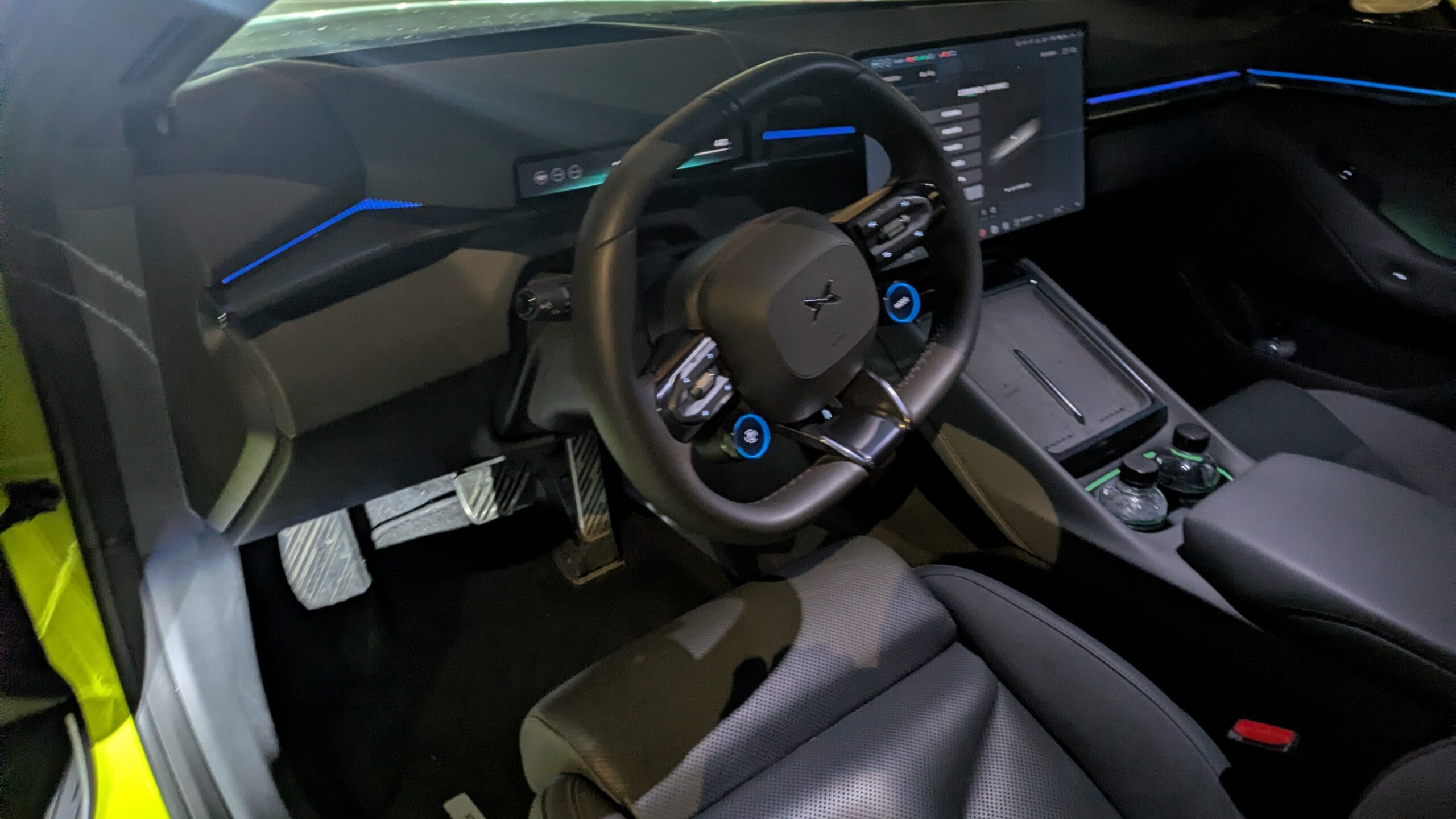
Steering was similarly smooth. The vehicle steered through turns and around obstacles in a continuous arc with no corrections. It went to the desired lane in one motion, rather than having to recenter. If making room for wide vehicles or giving extra space to pedestrians, it gently shifted within its lane. I could see if it was set up for racing that it could probably hit the apex perfectly and carry a lot of momentum through the turns.
On a following day, I had the opportunity at a dealership to experience BYD’s LiDAR-based God’s Eye B on the new Song Ultra. When braking, it tended to slow somewhat, brake harder as it approached the vehicle ahead of it, and then relax slightly to come to a complete stop. When turning, it tended to correct its path at certain points. It didn’t feel dangerous and was far safer than the typical NYC taxi. But it was not as smooth as the XPENG, which drives consistently smoother than most people are capable of.

Confident & Assertive, But Not Overly Aggressive
Another impressive aspect of the system was how confidently it drove. When it needed to change lanes and saw an opening, it took it. It did not force other cars to stop or swerve, but it wasn’t timid. It used its turn signal before turns, unlike many drivers in China, but it was not on excessively long in advance. As someone used to driving in New York City, I could see it effectively managing traffic without leading to honking horns or colorful gestures from surrounding drivers. Some people used to different driving environments might not be used to that assertiveness, but I thought it was at a perfect level.
It also seemed to navigate scooters and pedestrians well. It did not make them have to move out of the way, but it was also able to drive confidently around them. I think it could do well in environments like the crowded Costco parking lots that challenge Tesla FSD. In addition, it tends to move over within its lane to give pedestrians, bikes, and scooters more room. When pedestrians approached a crosswalk, it stopped and let them cross. This is what you are supposed to do in China, but many drivers do not follow that law. Overall, the system seemed to deal with vulnerable road users better than most drivers.
In comparison, the BYD system tended to err on the side of caution. Right of way can be a bit of an abstract concept in China, but there were several times when it stopped to let cars merge in front of it that I personally would not have let go first. It was particularly noticeable at a roundabout. It also felt safe with pedestrians and scooters, but it didn’t feel as confident.
Sees Better Than I Do
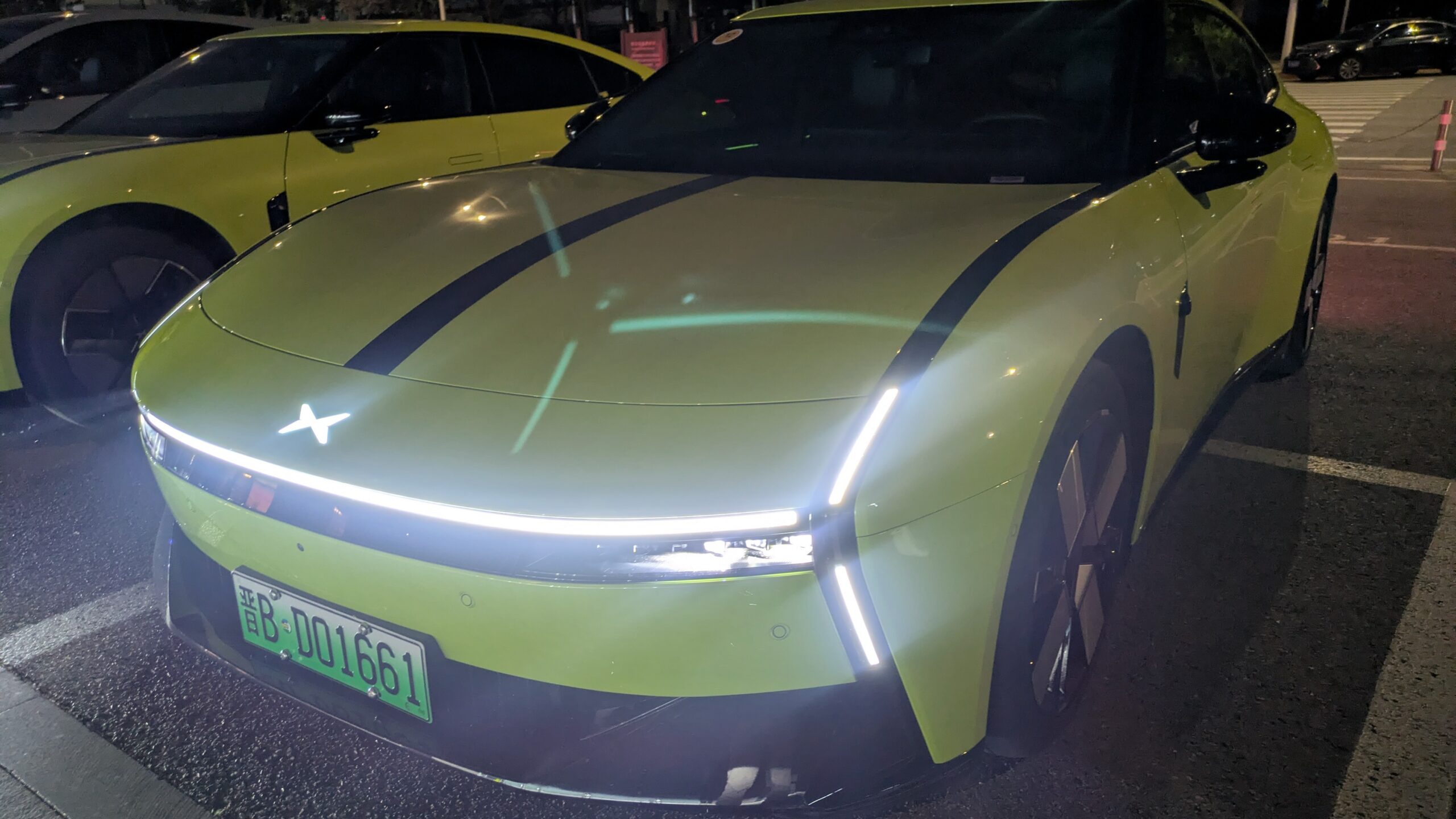
It was dusk during my test drive. As the light changes, contrast gets crushed. Your eyes have a tough time adjusting. In nature, many predators hunt at dusk because their prey can’t see them coming. It can be harder to see when driving at dusk than at the darkest part of the night. Luckily, the vision system on the test vehicle could see better than I could.
The route took us through some unlit sections of road. While I was sometimes blinded by oncoming lights, it didn’t seem to affect the car. In several instances, it saw unlit bicycles and pedestrians wearing dark clothes before I did. I noticed it occasionally switching to high beams when there was no oncoming traffic, which helped with vision farther down the road, but it seemed to see well even without the high beams on. While the system is primarily camera-based, it does have redundancy in the camera views, as well as radar, which likely contributes to its impressive performance.

Compelling to Drive and Capable of Driving for You
Overall, the Next P7 is a great car to drive. It looks like a four-door sports car and lives up to its looks. The steering has good weight and feedback. The suspension is sporty but refined. While headroom is a bit tight in the rear, like many coupe-like sedans, it is far more comfortable and useable than the typical sports car. Cargo space under the hatch is almost SUV-like. Power is more than adequate, but easily manageable, without the aggressive accelerator tip-in that some automakers use to give the perception that their car is more powerful than it is. When you want to accelerate, 0–100 km/h (62 mph) comes in just 3.7s. While I didn’t get to take it on twisty back roads, the handling felt impressive. The ride is still silent and refined, but without the detached feeling that you get in some Chinese cars. It feels overall tuned to European preferences. After our drives, Adam, who has driven more cars than I could ever dream of, said he would trade in his Model 3 Performance for a P7 if he had the chance.
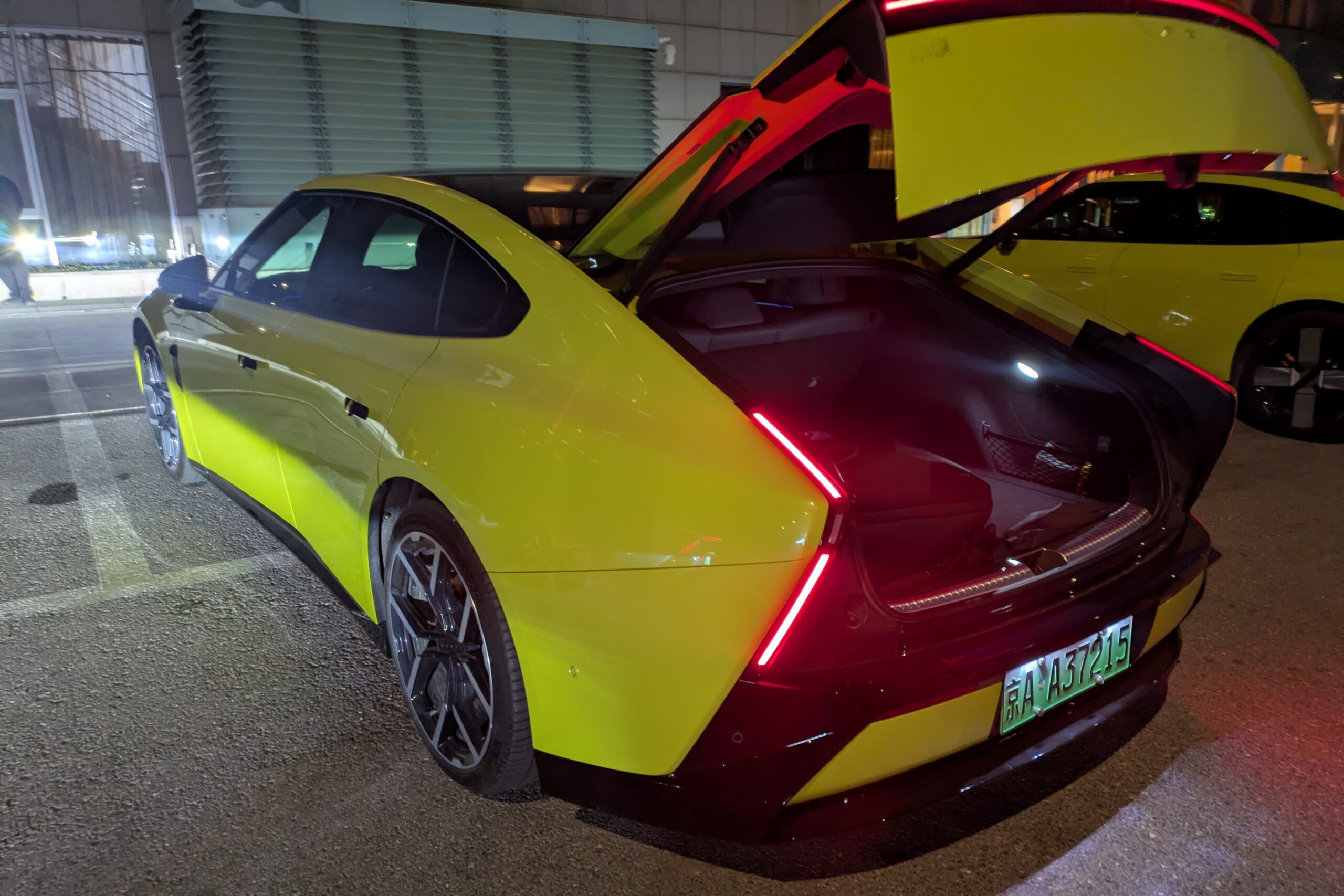
The P7 is also a quick learner. It was noticeably smoother and more confident than the P7+ I sampled in November. It also has significant onboard processing and will learn and adapt to the person driving it. After I took the wheel and subjected the car to some full throttle acceleration and hard cornering, it noticeably accelerated faster and braked harder before settling into a more comfortable driving style.

VLA 2.0 doesn’t have to take the fun out of driving. If I was able to own a P7 here in the US, I would likely choose to drive it regularly, as I like to drive. However, on long, boring drives or in frustrating traffic, it would be great to let it take the wheel. I could also see VLA 2.0 adding a lot of value for large vehicles in narrow, congested roads. I feel grateful to XPENG for flying me out to China and privileged to have had the opportunity to drive the P7. While I wasn’t able to test the system over long distances or at high speeds, I would be excited to try it if an opportunity arises in the future.
Compared to my experience with Tesla FSD, it drives better. Compared to my experience with other human drivers, it also tends to drive better. Some will say that I need to wait for the next FSD update, but VLA 2.0 also seems to learn faster. Based on the improvement since November, I believe that fully automated driving will become a reality for XPENG soon.
Sign up for CleanTechnica’s Weekly Substack for Zach and Scott’s in-depth analyses and high level summaries, sign up for our daily newsletter, and follow us on Google News!
Have a tip for CleanTechnica? Want to advertise? Want to suggest a guest for our CleanTech Talk podcast? Contact us here.
Sign up for our daily newsletter for 15 new cleantech stories a day. Or sign up for our weekly one on top stories of the week if daily is too frequent.
CleanTechnica uses affiliate links. See our policy here.
CleanTechnica’s Comment Policy
cleantechnica.com
#XPENG #VLA #Sporty #Drive #Confidently #Drive


