


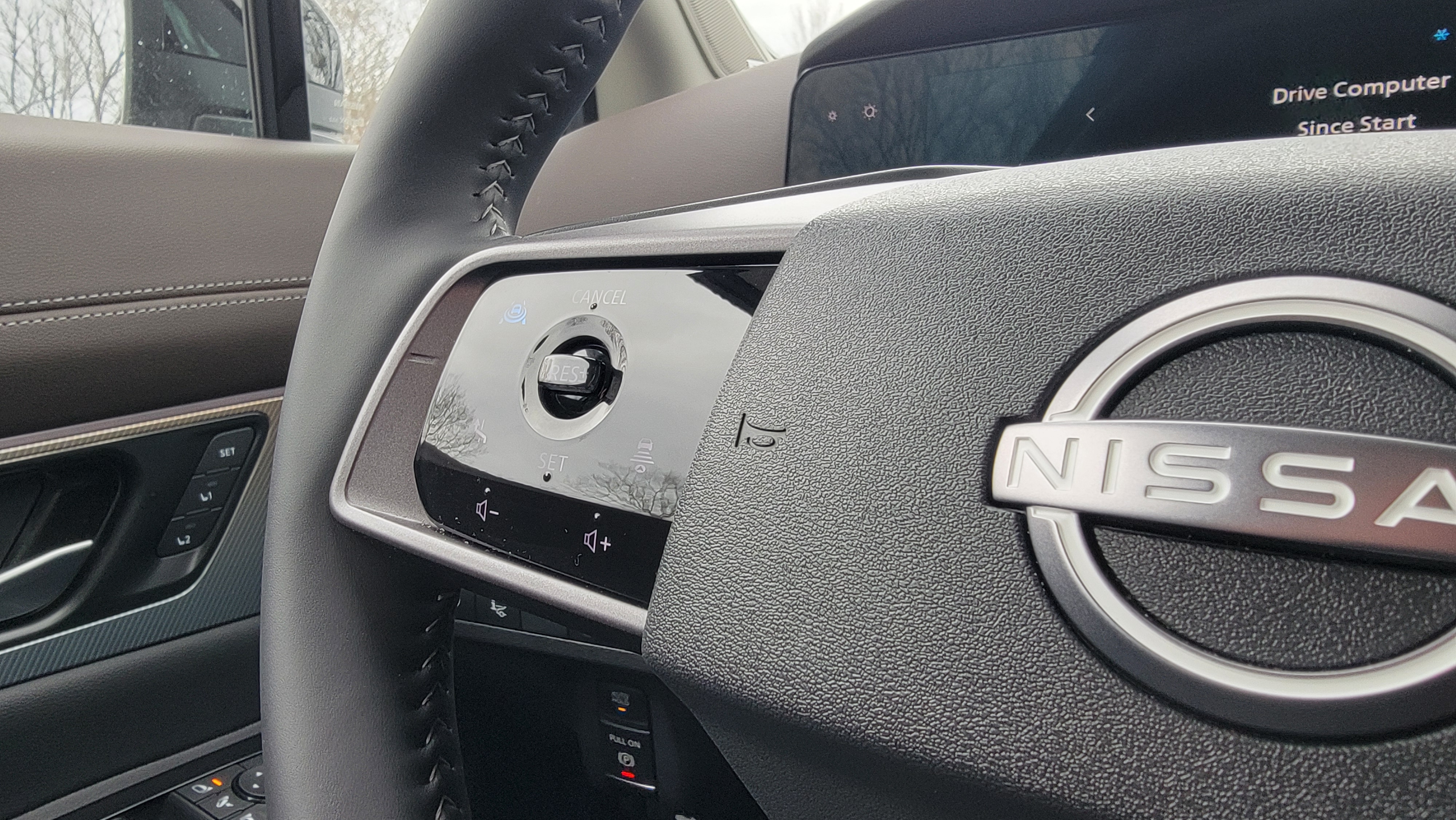
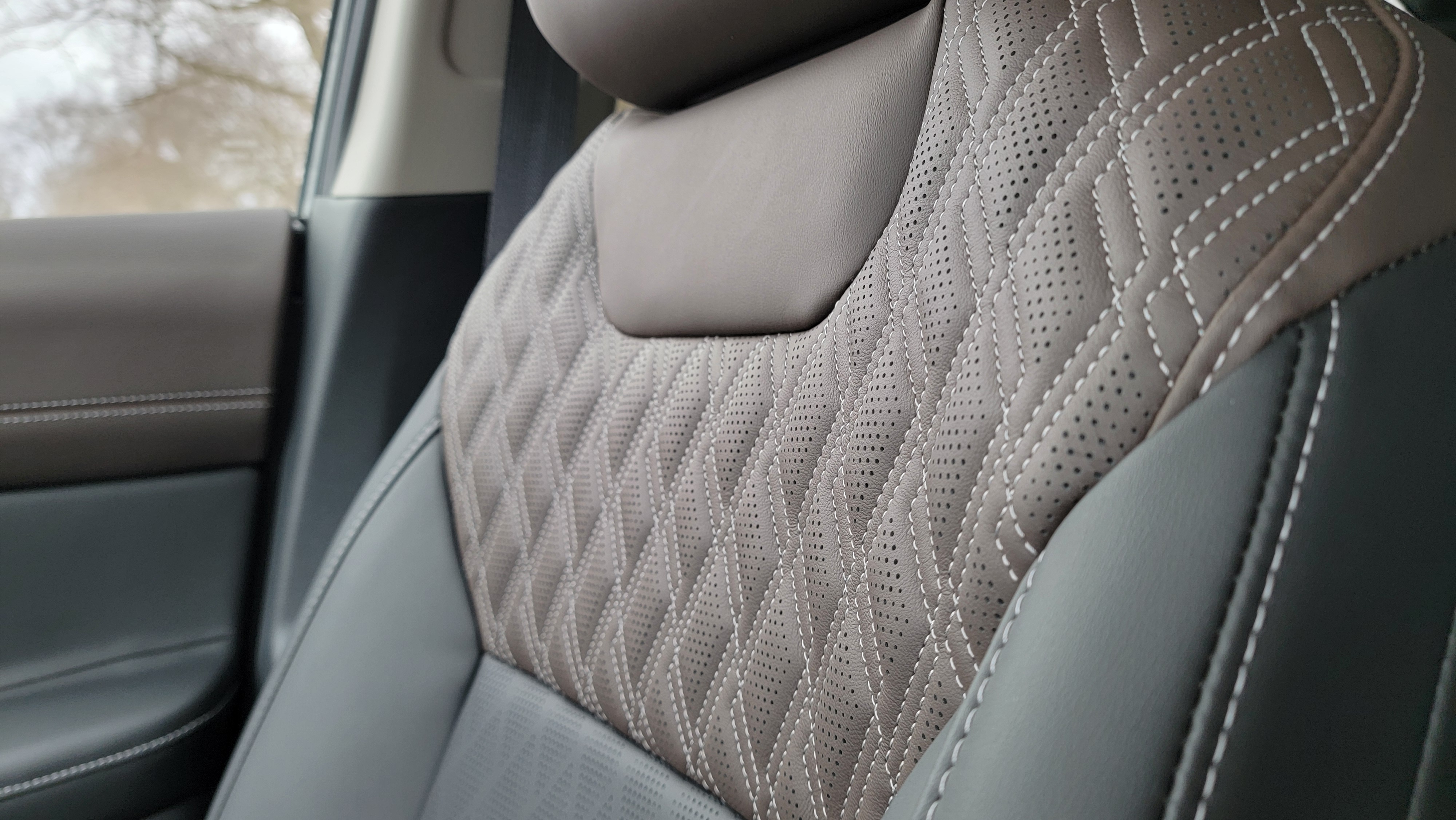
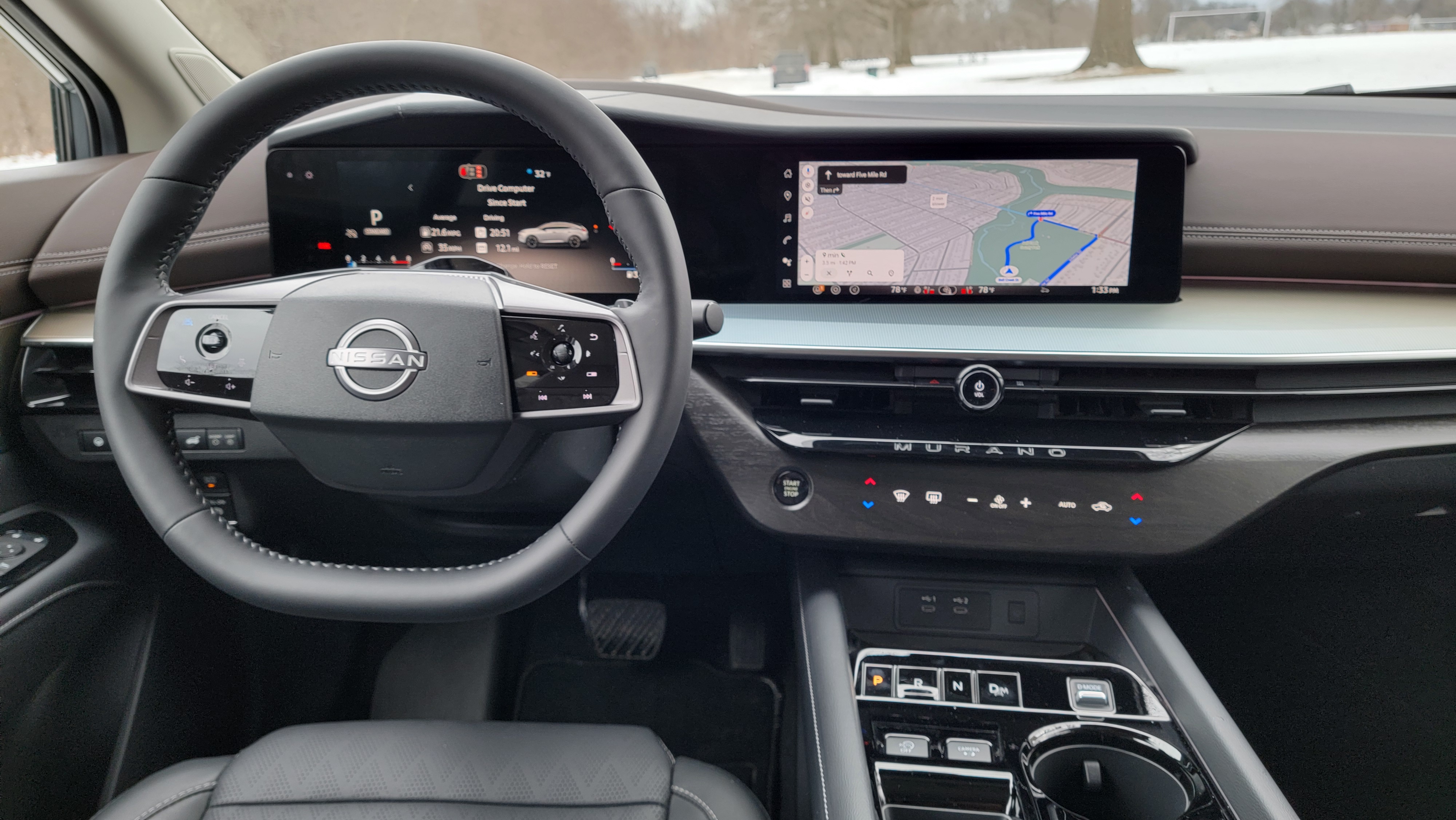
I’m never upset to get a Nissan Murano as a rental car. Beyond that, I don’t really give it much thought. But after test-driving the new 2026 model, I had stronger opinions than I expected to. In fact, I found myself missing the old V6.
I don’t have an issue with four-cylinder engines on spec. There are plenty of turbocharged four-bangers out there that do their jobs well. On top of that, Nissan’s variable-compression turbo design is pretty cool. In today’s heavily homogenized market, it’s rare to find cars that actually do things differently, even if those differences don’t contribute anything tangible to the experience. It’s unique, sure, but I can’t say it’s necessarily better for it.
Hey, I’m no engineer. Maybe this design is a percentage point or two more efficient than a garden-variety turbo-four. And the engine’s variable compression tech certainly made sense in Nissan’s era of sticking a CVT in everything with front-wheel drive. It’s like Algebra II: the more variables, the better. Or something. Middle school was 30 years ago, OK?
But here’s my point: As impressively sophisticated as the variable compression/variable ratio synergy may have been, nothing about that combination actually contributed positively to the driving experience. It was first introduced in the Infiniti QX50 back in 2016—a perfectly fine engine mated to a perfectly “meh” transmission; the smaller version likewise does an OK job in the Rogue.
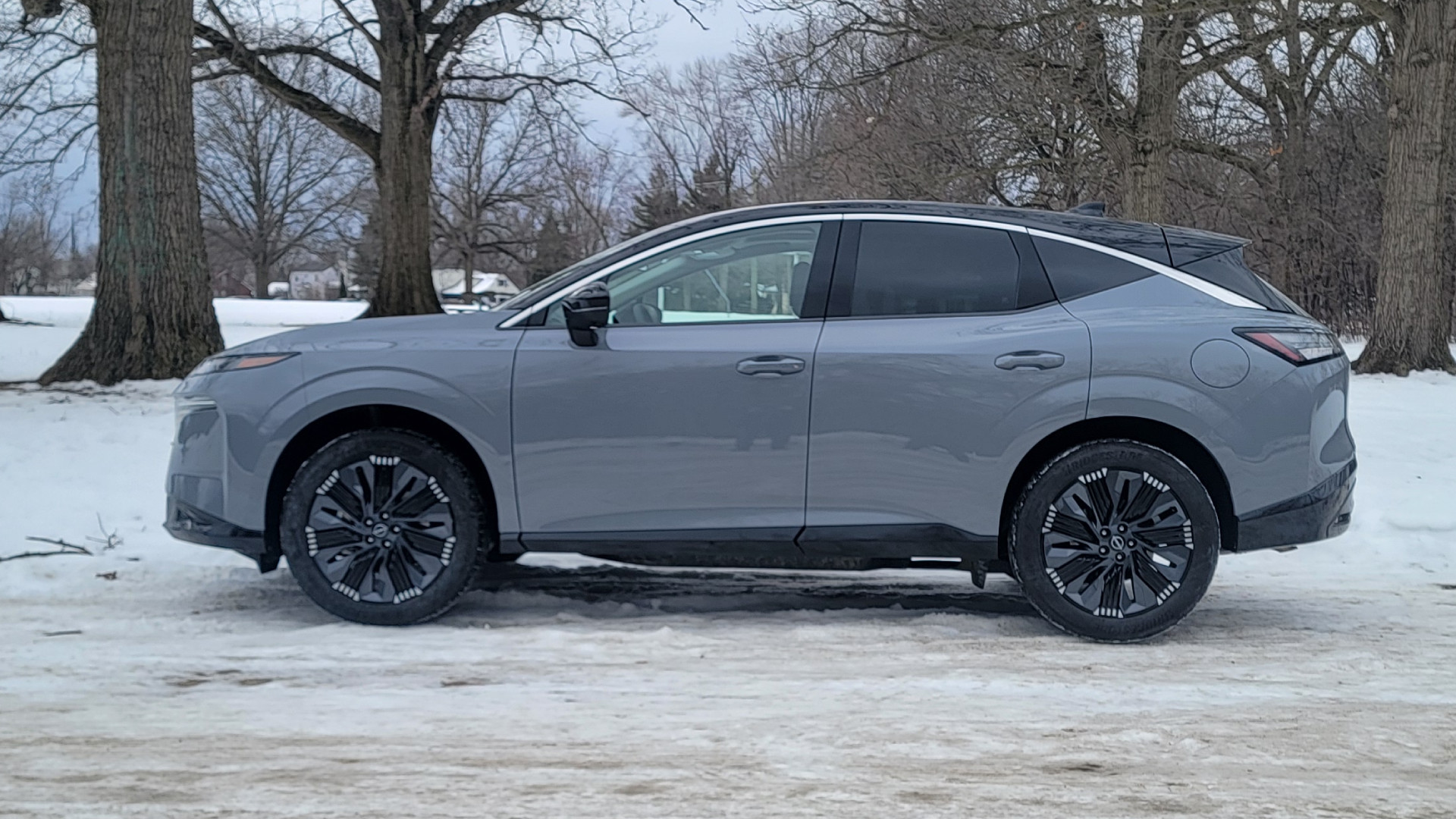
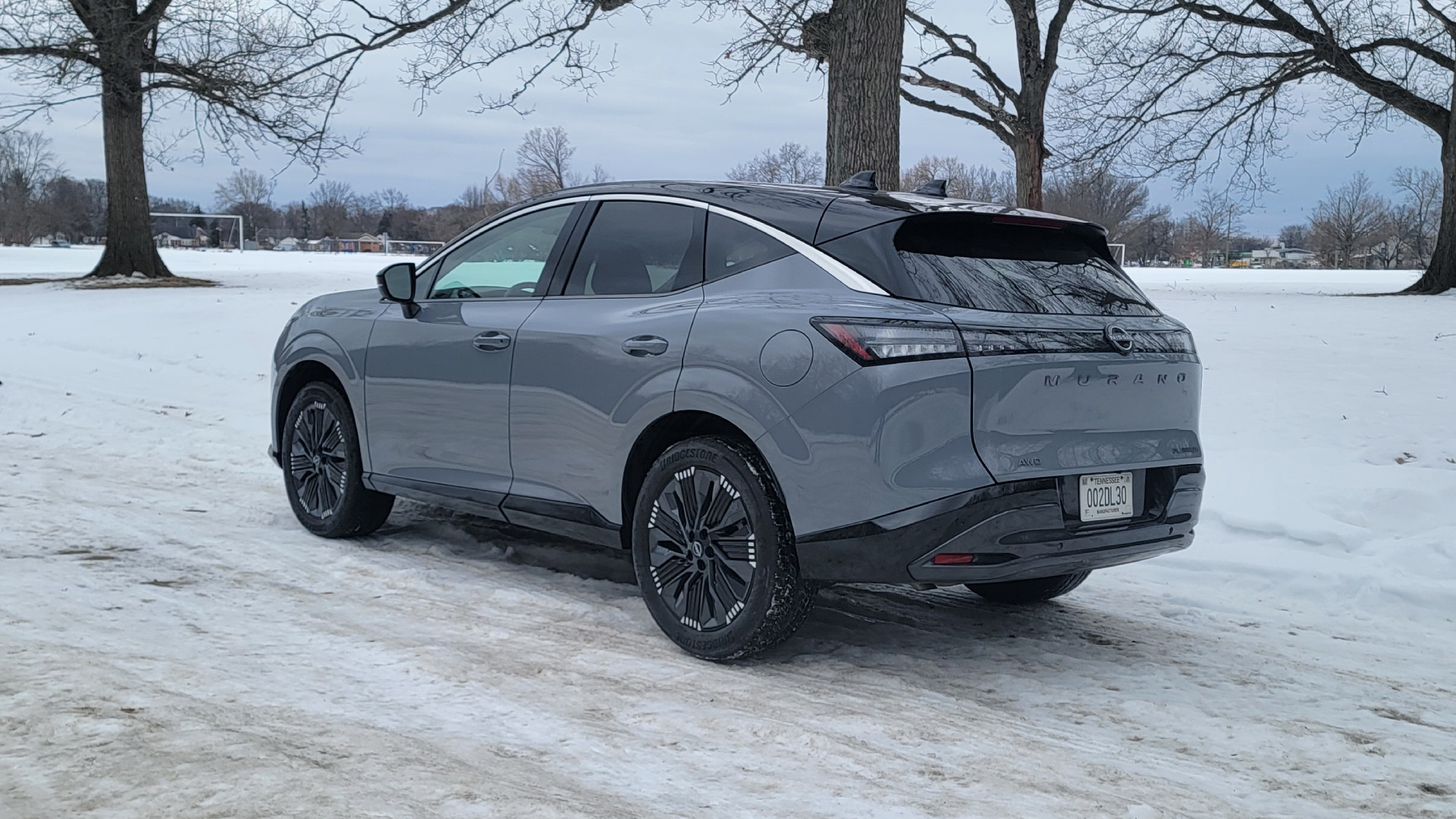
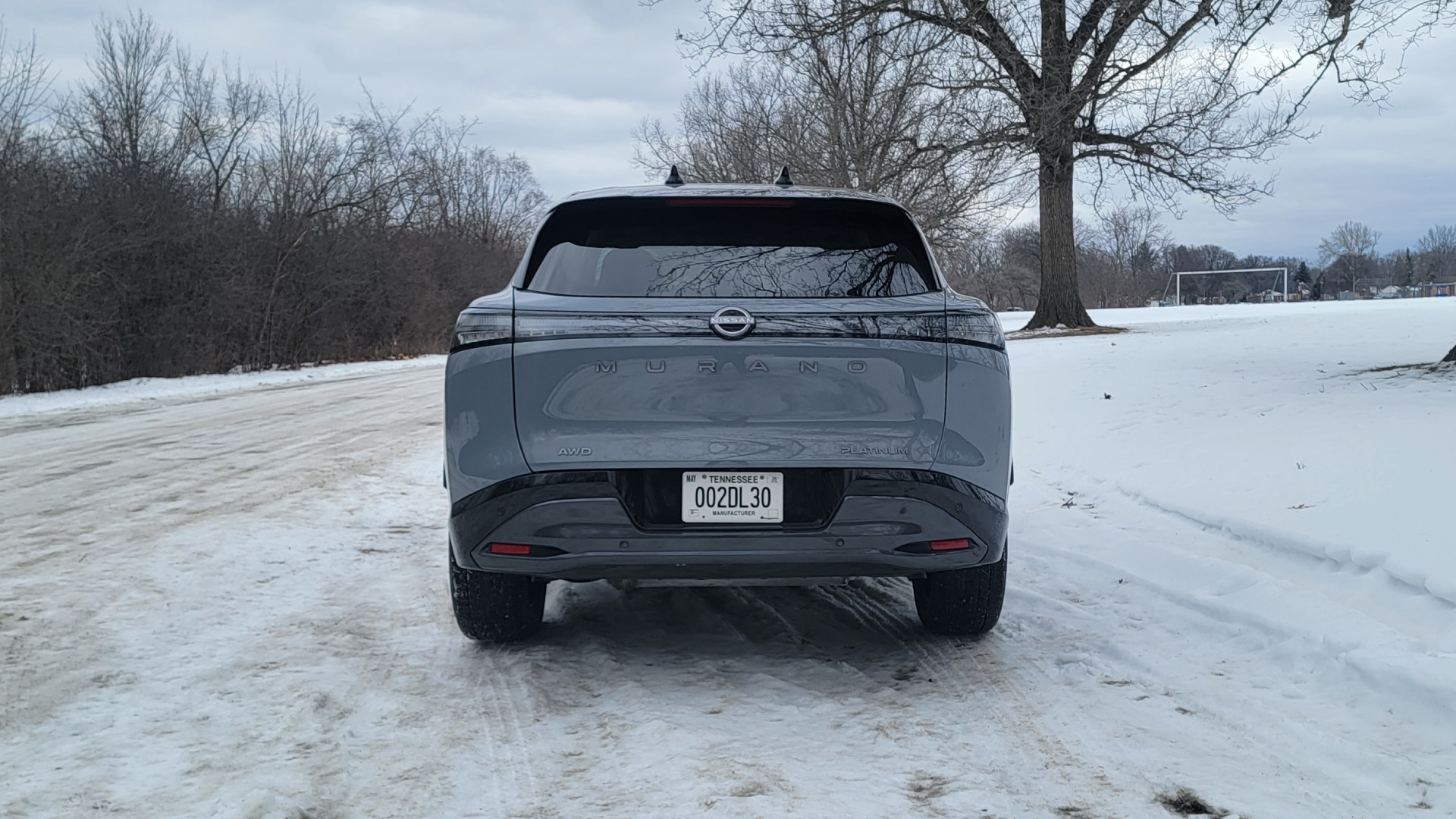
But here’s the thing: the Murano is not a Rogue. Yeah, it’s a two-row, just like the Rogue, but it’s on a wider platform and caters to a buyer looking to spend $40k-plus on a two-row SUV. It’s bulkier than its compact sibling, just like the Honda Passport and Subaru Outback it competes with. That’s why previous iterations easily accommodated the V6; there has always been plenty of room under the hood.
For its part, Honda is still holding on to the V6. Subaru ditched the flat-six in the Outback years ago, and the wagon now ships with a stout, 2.4-liter turbo-4. Despite still being paired with a continuously variable transmission, it feels quite a bit livelier than the 2.0-turbo in the Murano. Our pals over at Car and Driver back up my butt dyno; they clocked the Subaru to 60 mph a full second quicker than the Murano.
The raw speed itself isn’t really the issue here; a Murano has no need to sprint to 60 as quickly as a sport compact. But around town, the Murano’s engine simply feels small in a way its V6 predecessor didn’t. It’s not any faster (or any slower) than the V6 in terms of flat-out-performance (our friends at C/D once again have the receipts); it’s simply better for emissions—at least the way regulators calculate things.
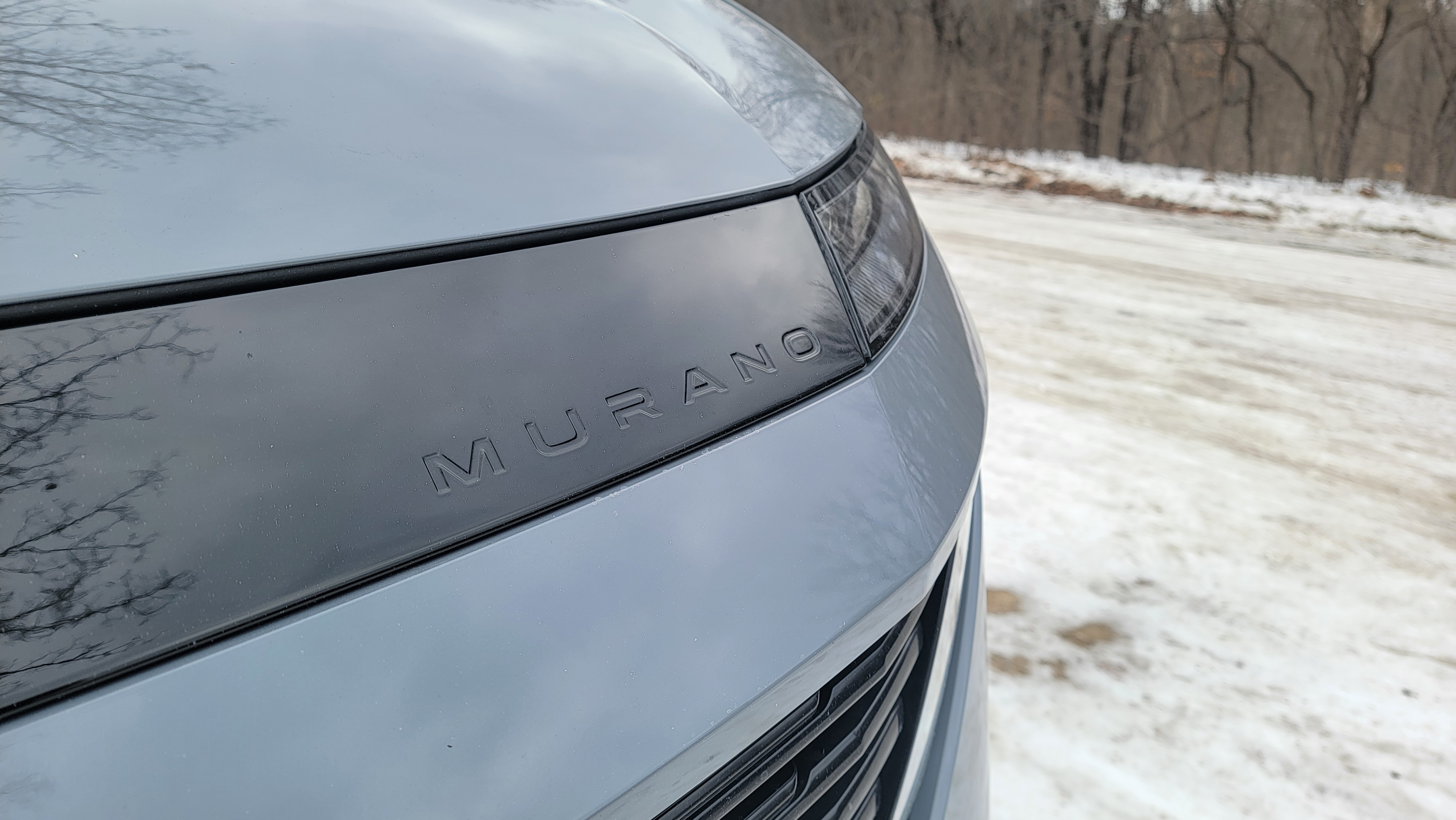
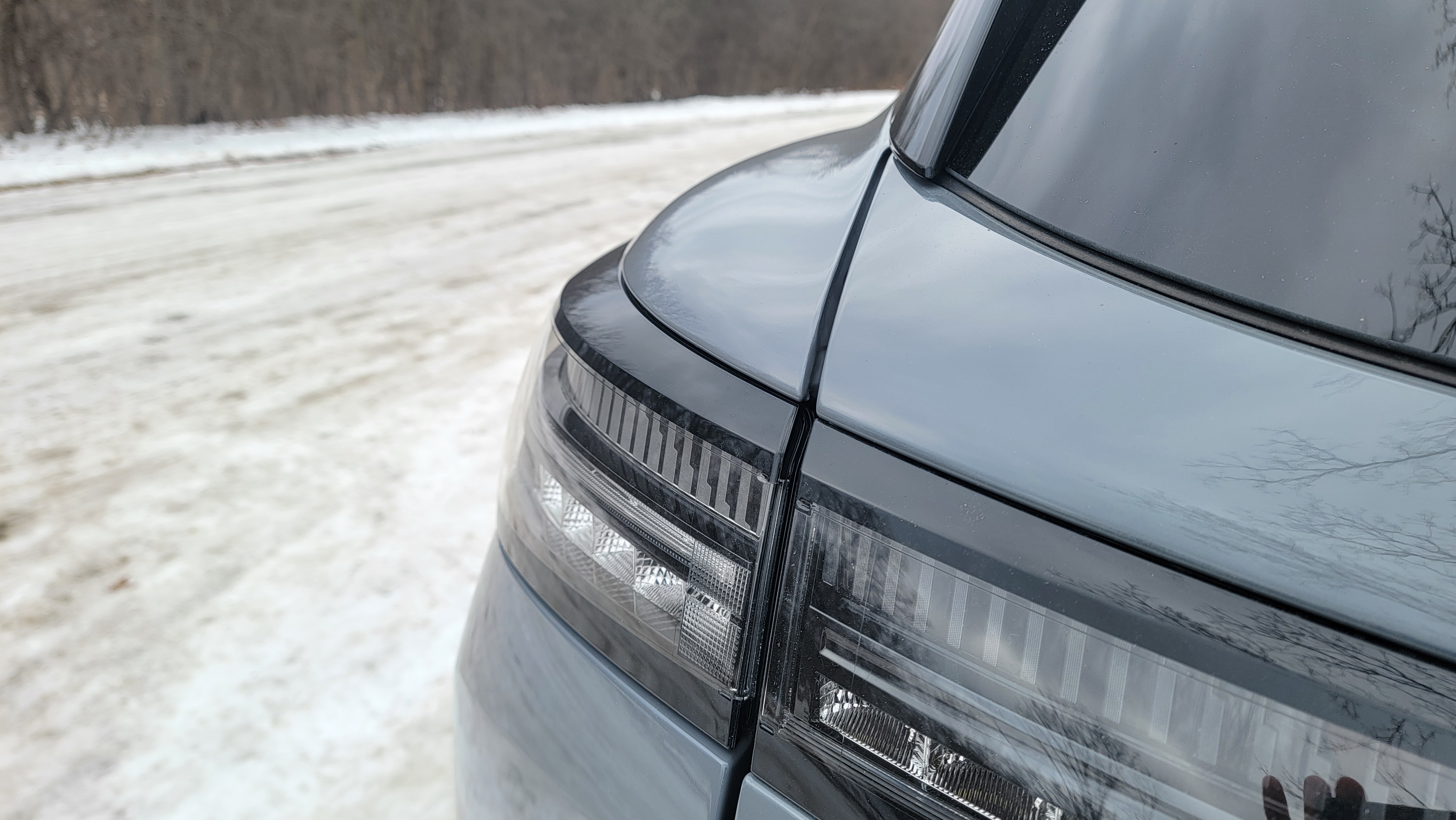
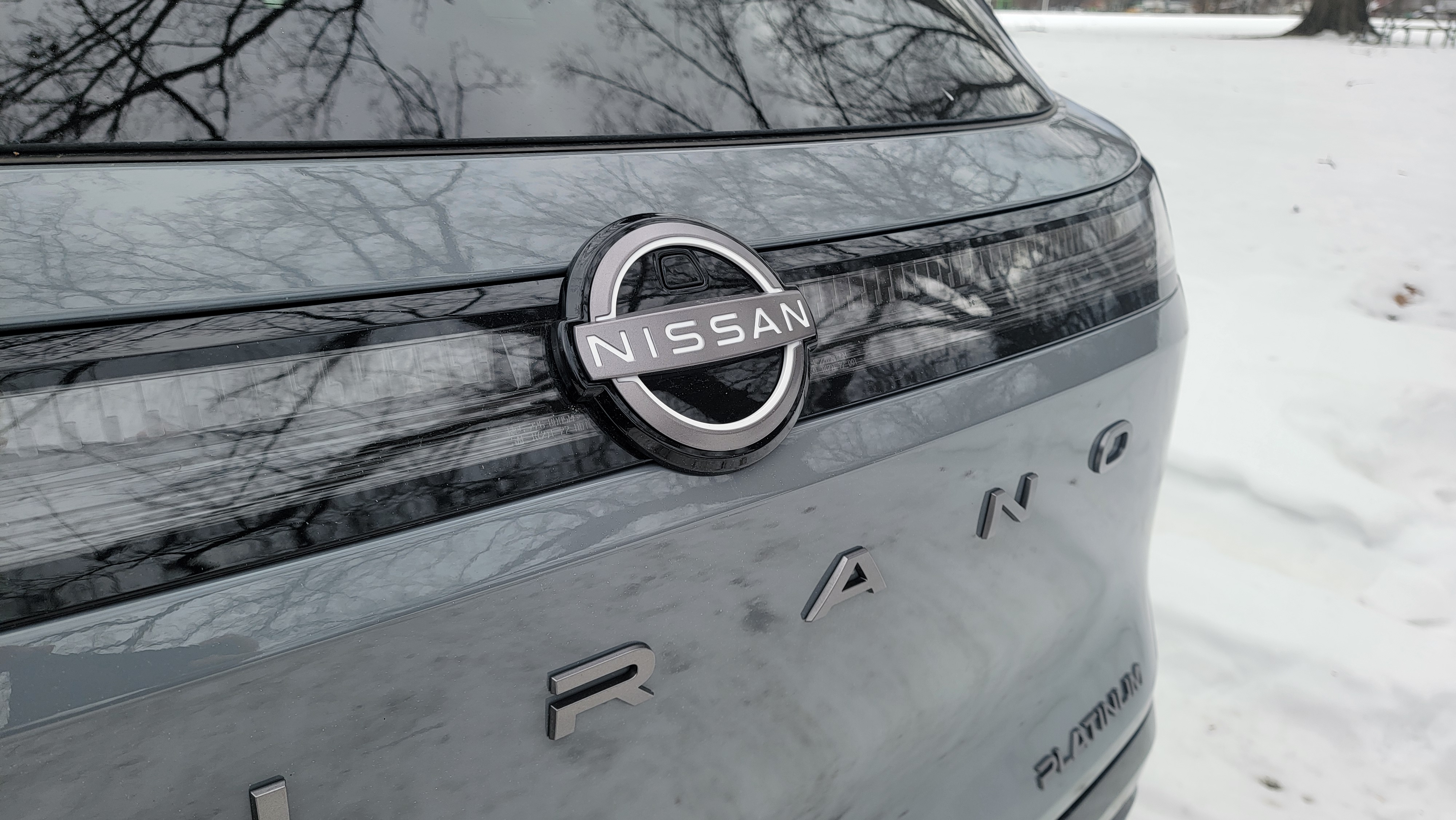
If you ask Nissan, they’ll tell you that the Murano’s target buyer isn’t necessarily clamoring for the V6 back. I’m not surprised; this car has always been more about the package than the performance, and the new one, with its crisp, futuristic styling is every bit as avant-garde as the original was more than 20 years ago.
As the punchy and confidence-inspiring Outback proves, this isn’t simply a matter of cylinder count. Nissan says it’s going to stick to the V6 in its body-on-frame products simply because customers want them. Reading between the lines, one might take that to mean customers don’t want a turbocharged four-cylinder.
Would they still feel that way if Nissan had a better one to offer? I mentioned Subaru already, but it’s not alone. Look at Mopar’s new Hurricane I4, or Toyota’s 2.4-liter turbo. Both have their flaws, but they’re still far better suited to “SUV” duty than the VC-Turbo.
In the context of the Xterra, the situation is made more complicated by the fact that Nissan has no rear-wheel-drive four-cylinder engine at all. The Frontier ditched the I4 with its recent redesign; only the 3.8-liter V6 is offered. Work your way up the ladder to the Armada, and you’re looking at a turbocharged V6 built on the same architecture.
In other words, before Nissan could even consider offering a turbocharged four-cylinder in any of its trucks, it would first have to build one—either from the ground up, or by re-engineering the VC-Turbo to the standards required of Nissan’s trucks. I’m not going to begin to speculate as to which would ultimately cost Nissan more. The V6, on the other hand, is right there.
And look, it works—even if it does sound like an appeal to old fuddy-duddies who are simply afraid of what has become the new normal. And fair warning to that crowd: This isn’t a Stellantis situation. Nissan is laying out plans for hybrid truck powertrains already.
But if you’re cash-strapped Nissan, the pragmatic choice to make in this moment is pretty obvious.
So in the end, maybe I don’t really miss the V6 so much as I miss the days when it felt like Nissan was really having fun. Remember the Supercharged Xterra? How about the 3.5-liter V6 that made the Altima a stoplight menace years before every other midsize caught up?
Nissan’s on a quest to consolidate its lineup and just keep “the good stuff.” That’s a step in the right direction. But let’s not forget about what comes next. There’s still plenty of fun to be had.
Got a news tip? Let us know at tips@thedrive.com!
www.thedrive.com
#Nissans #Turbocharged #4Cylinder #Holding


