


Fans of small cars have it rough these days. Whether you prefer to sit down low or just appreciate the classic proportions of a subcompact sedan or hatchback, well, pull up a chair. I’ve been crying into my beers for a few years now; you might as well join me. For my part, I just got done driving the 2026 Nissan Sentra. It’s a sedan.
The good news: Nissan has a new Sentra. It’s sticking around, unlike the poor Versa, which was unceremoniously booted from the U.S. market at the end of 2025. Meanwhile, Nissan gave the Sentra a top-to-bottom overhaul for 2026. The exterior and interior offer completely new designs, though the eagle-eyed reader has probably already noticed that the Sentra’s silhouette remains strikingly similar. That’s no coincidence. In Nissan’s own words, the new Sentra hasn’t grown an inch.
Mechanically, there’s very little to report. The new Sentra’s entire powertrain is effectively a carryover. The 2.0-liter, four-cylinder engine makes the same 149 horsepower as last year’s, but the 2026 model gets a torque bump: 1 lb-ft, up from 145 to 146 lb-ft. Good stuff. [Ed. note: wow.]
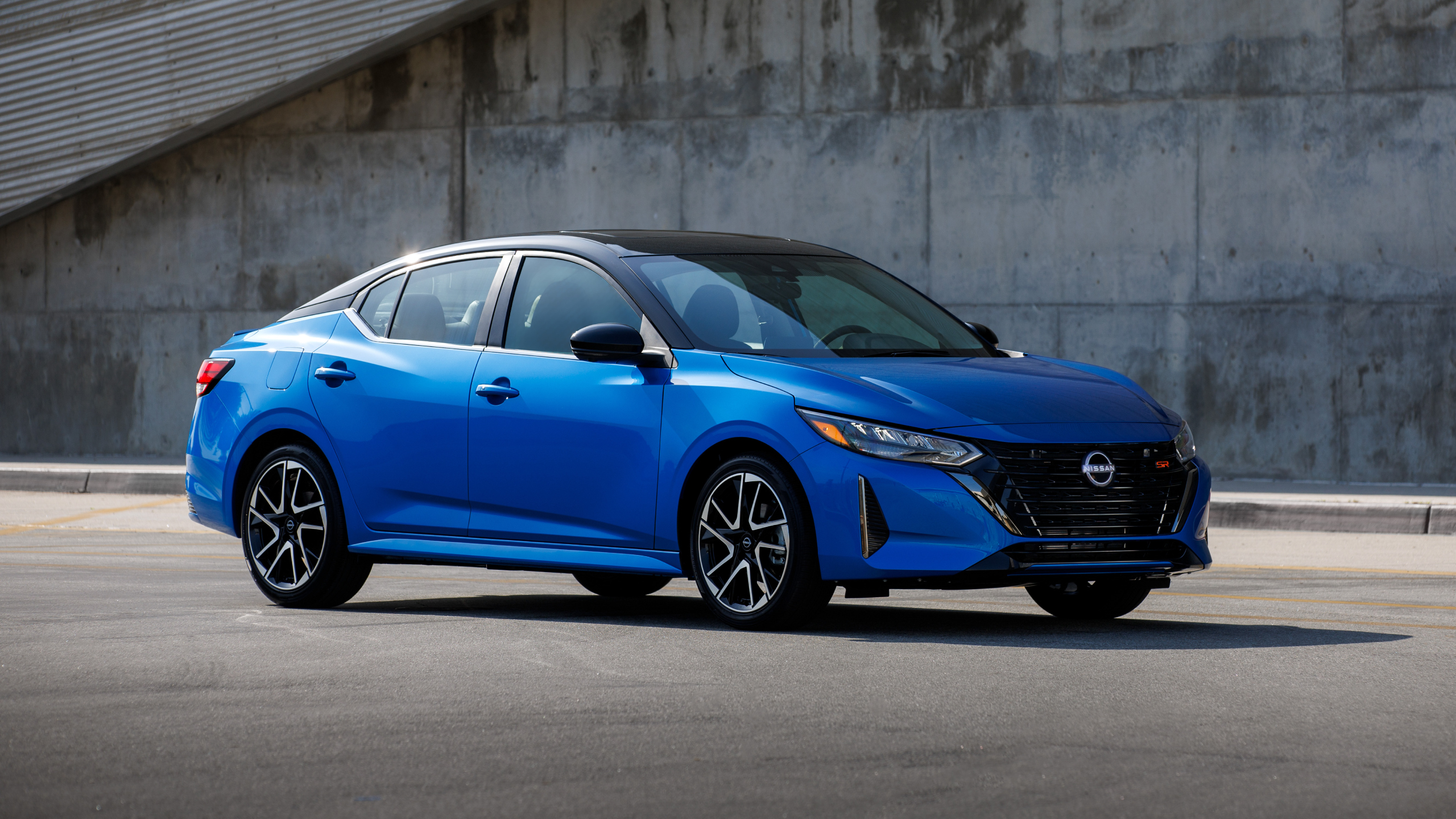
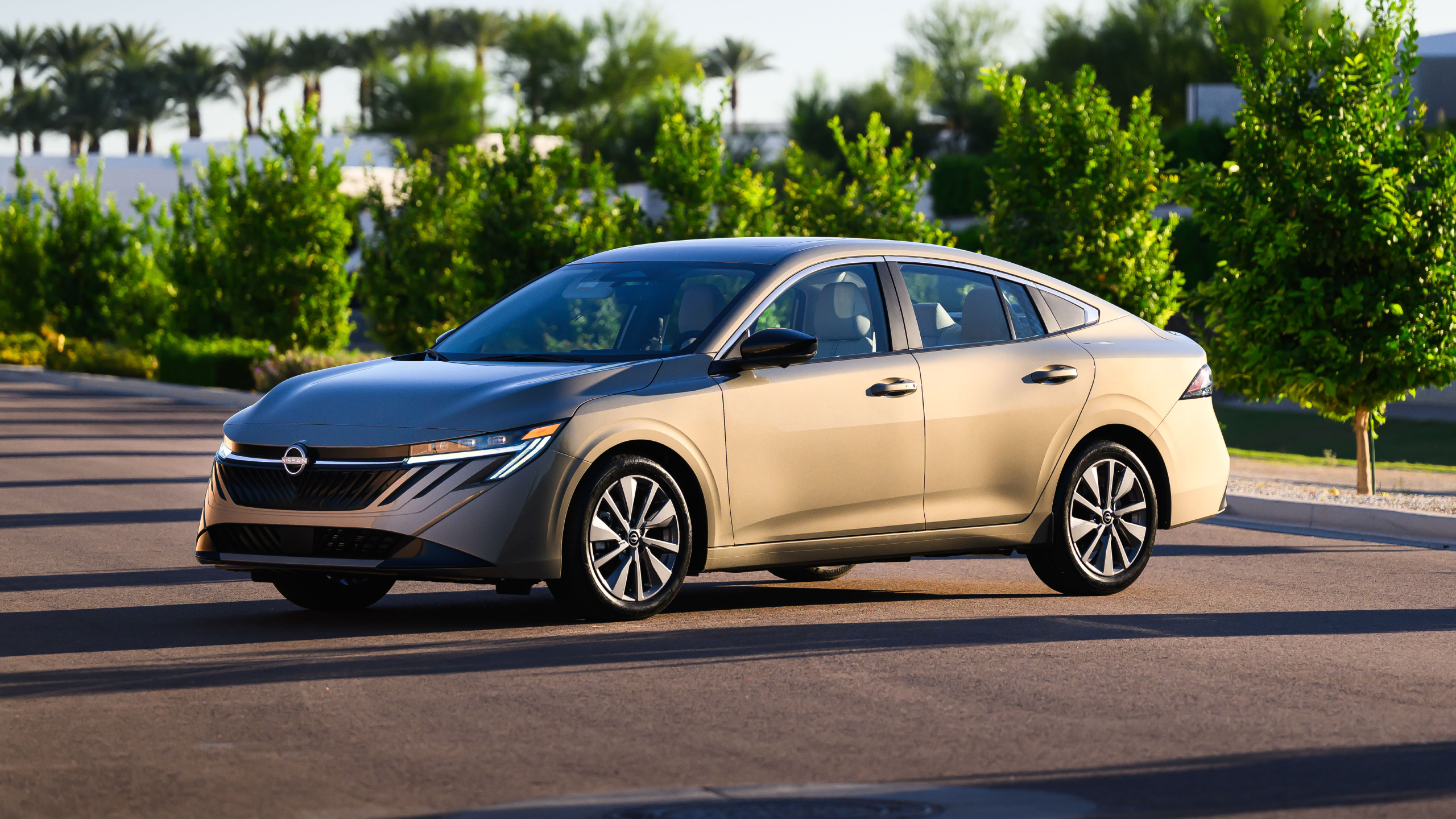
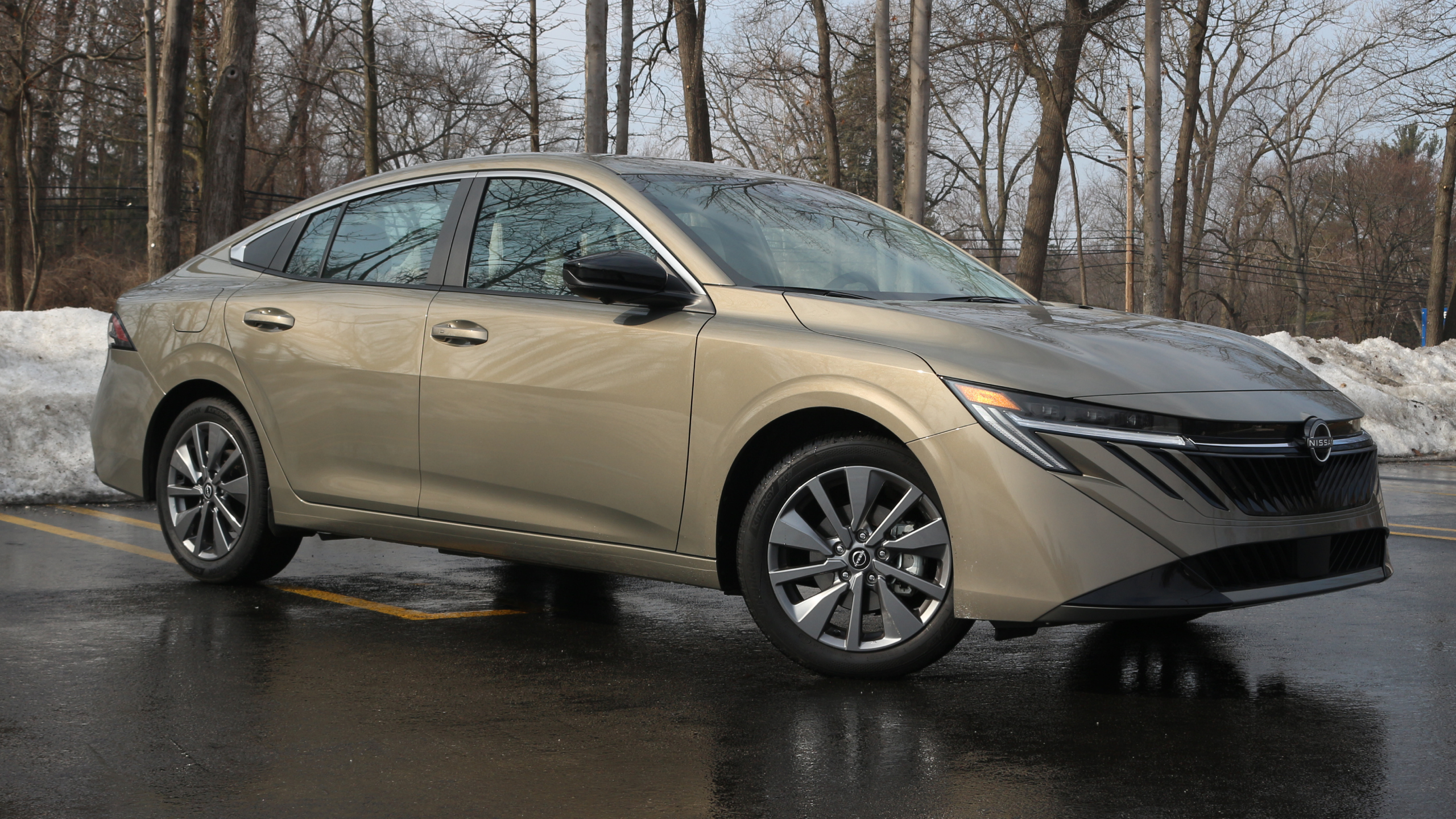
As you can see from the above side-by-side, the broad strokes are indeed pretty much identical, but the 2026 redesign was nonetheless comprehensive. There doesn’t appear to be a single piece of carry-over sheet metal (or plastic, for that matter) between them. The roof, maybe?
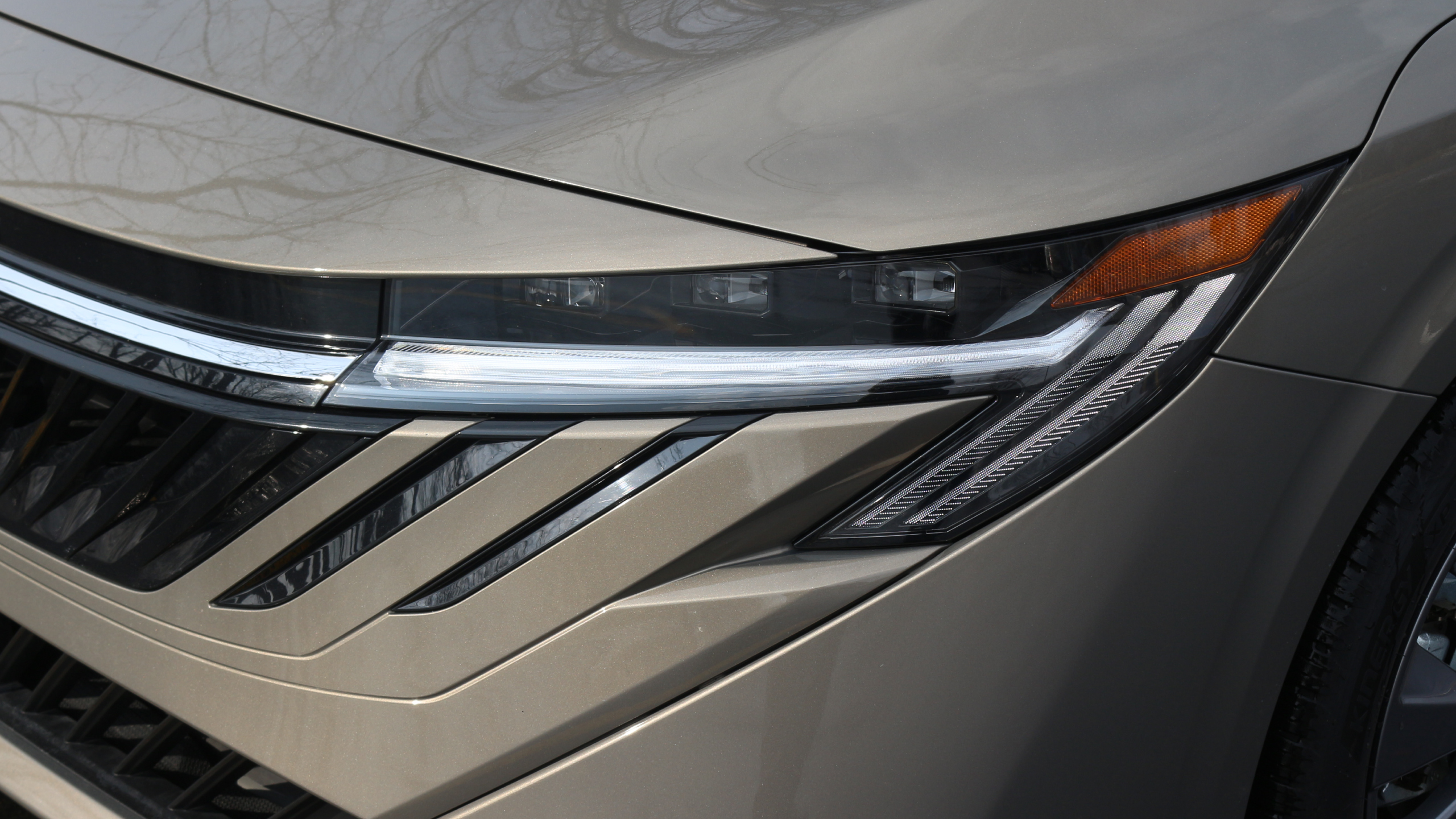
The 2026 model’s assertive jawline and vertical front lighting cues seem at odds with a body that looks like a mix of the last-gen Mazda6 sedan and Nissan’s third- and fourth-gen Altimas. Both are meant as favorable comparisons; not everybody may agree.
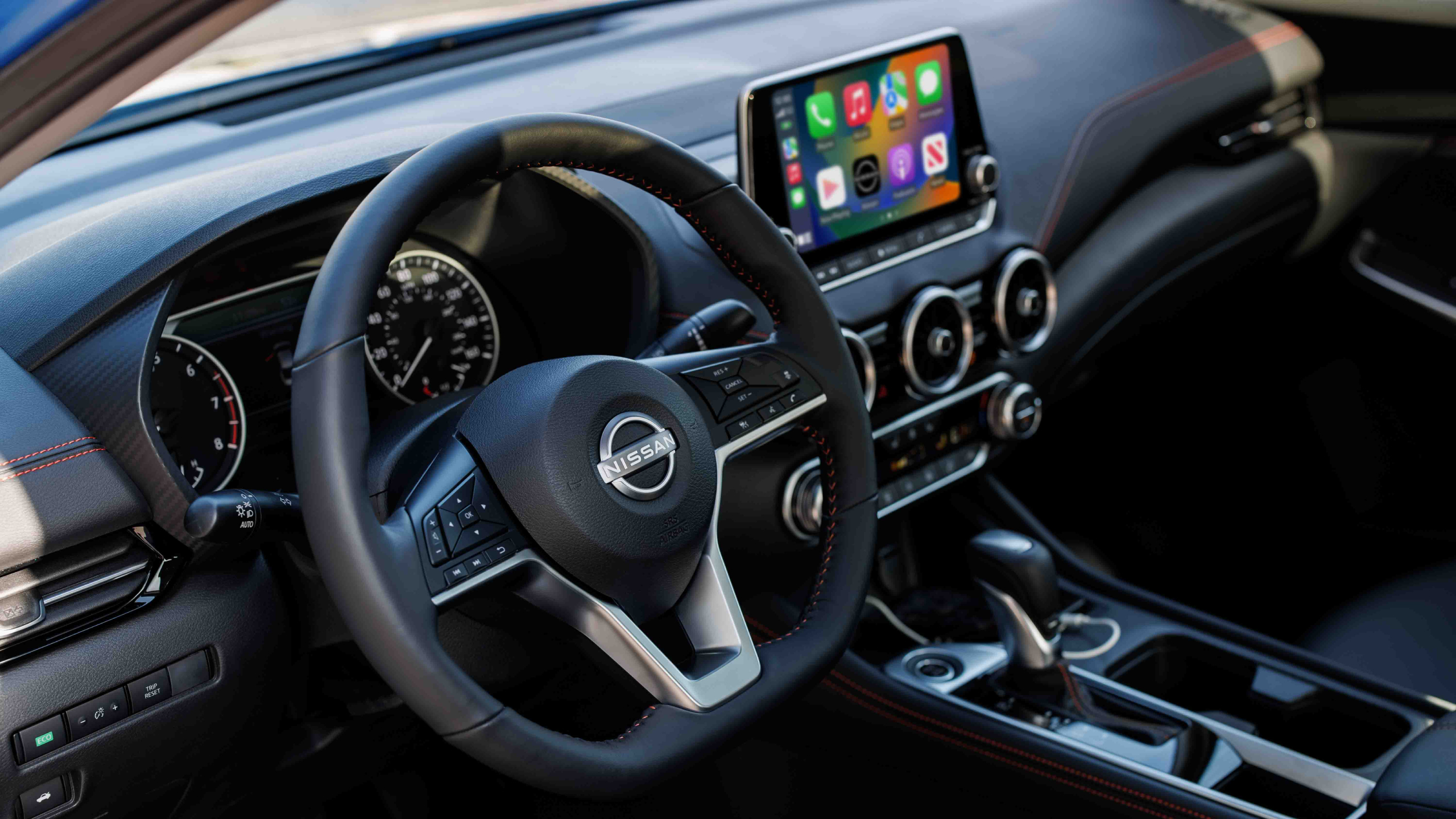
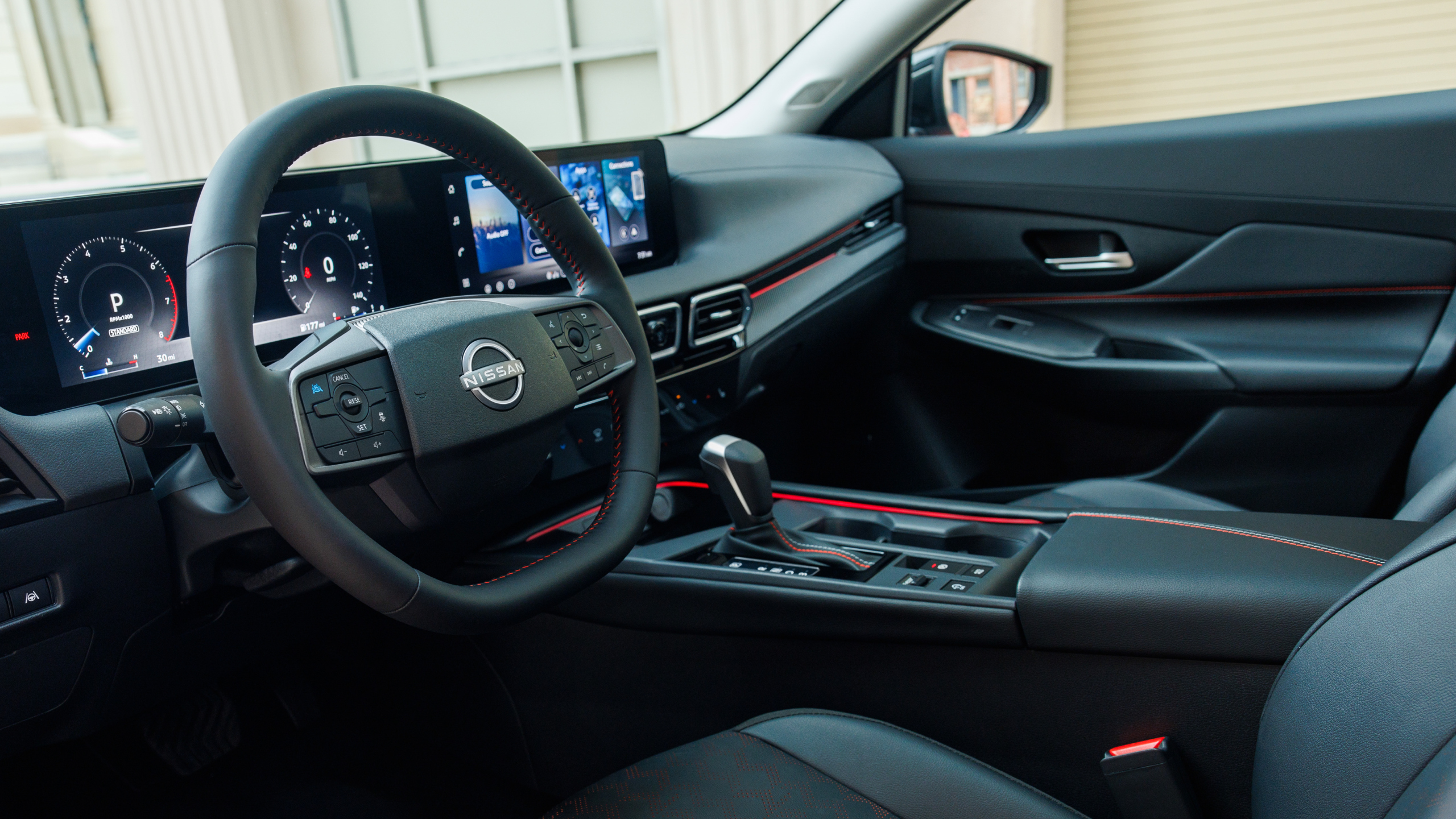
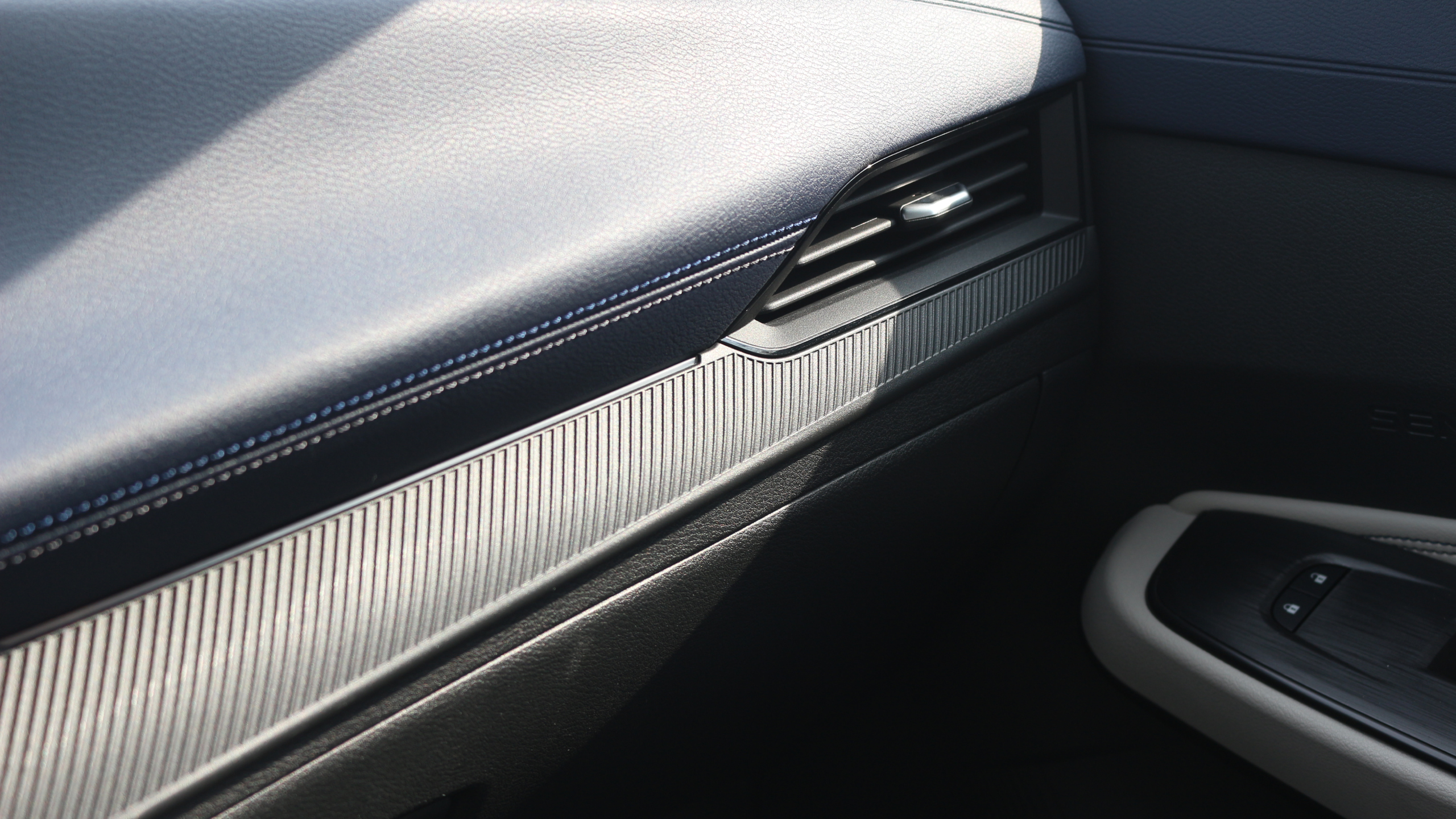
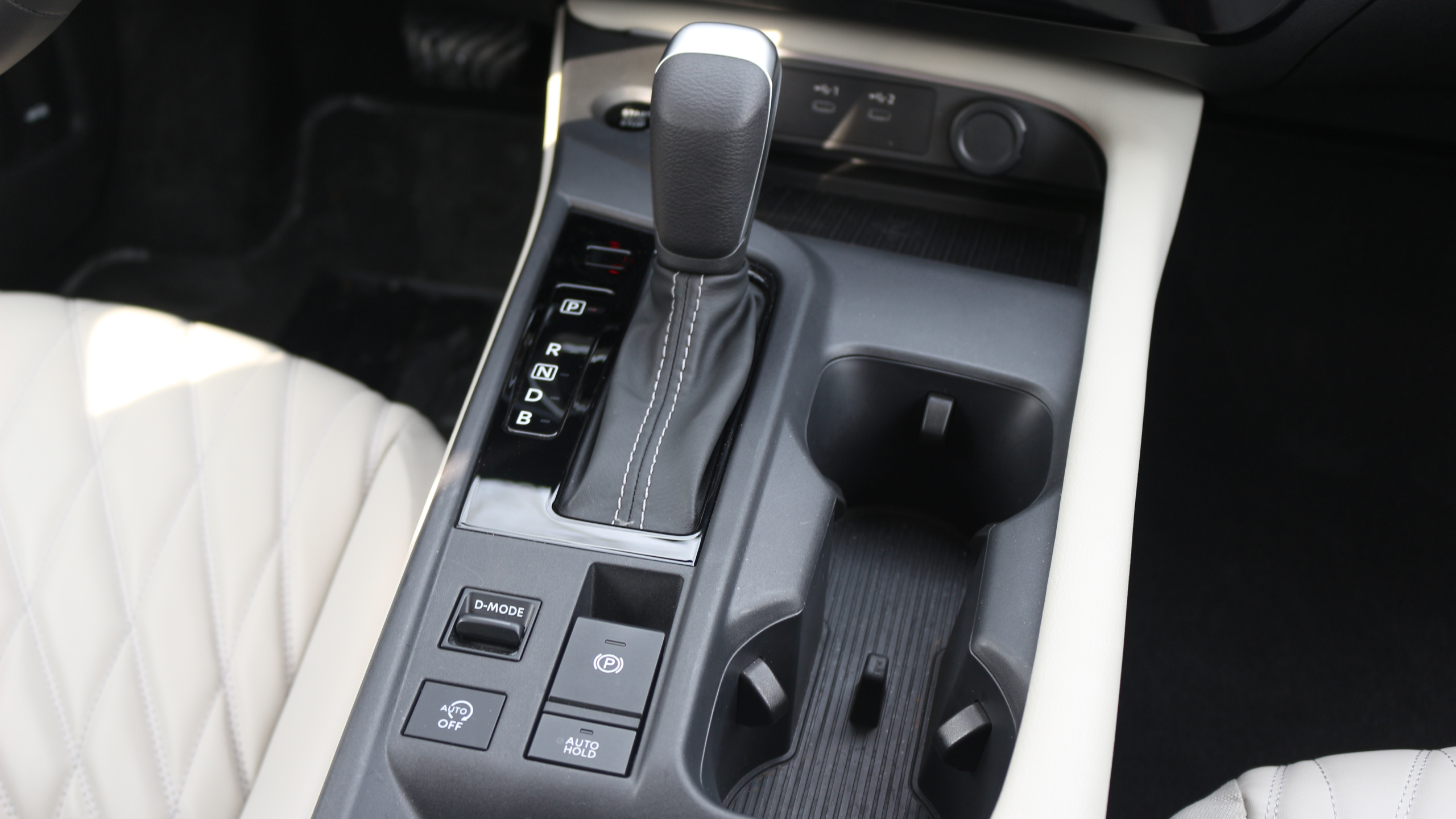
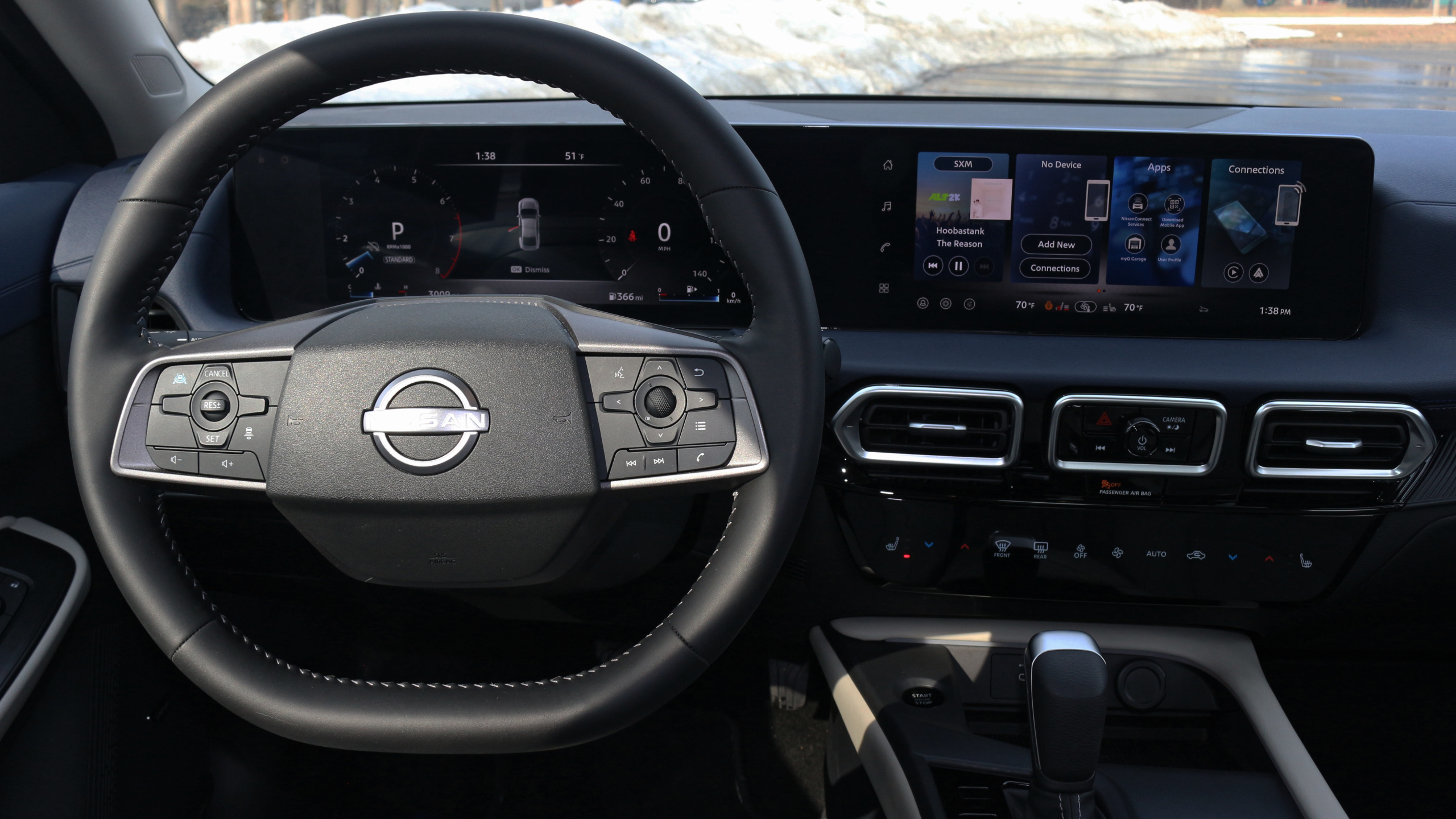
Inside, you get that same general vibe that you’ve been here before, but looking at them side-by-side, only the dimensions and the position of the infotainment screen really drive that home. Everything in the cabin, from the new digital cluster to the redesigned center console, is unique between them.
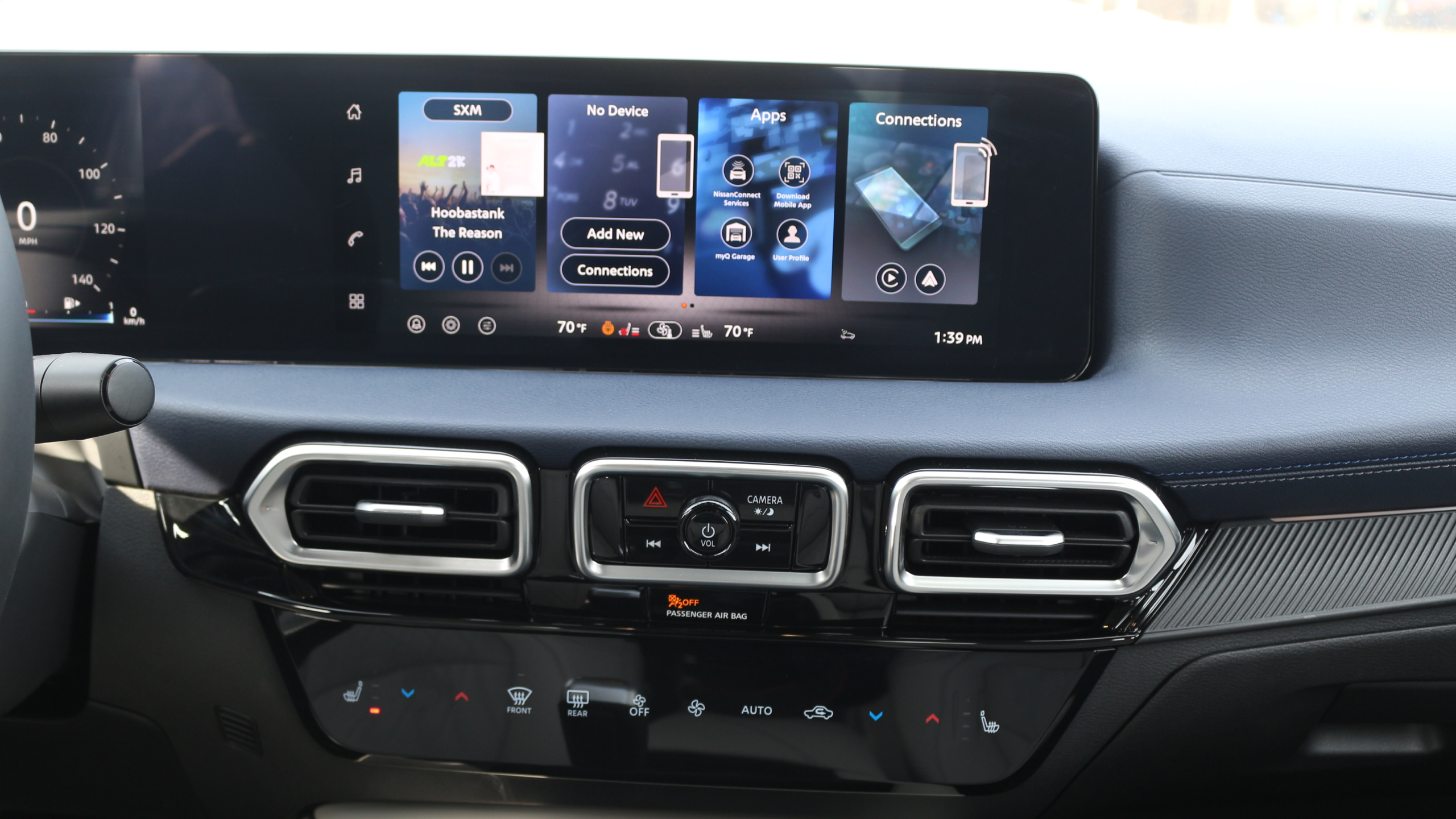
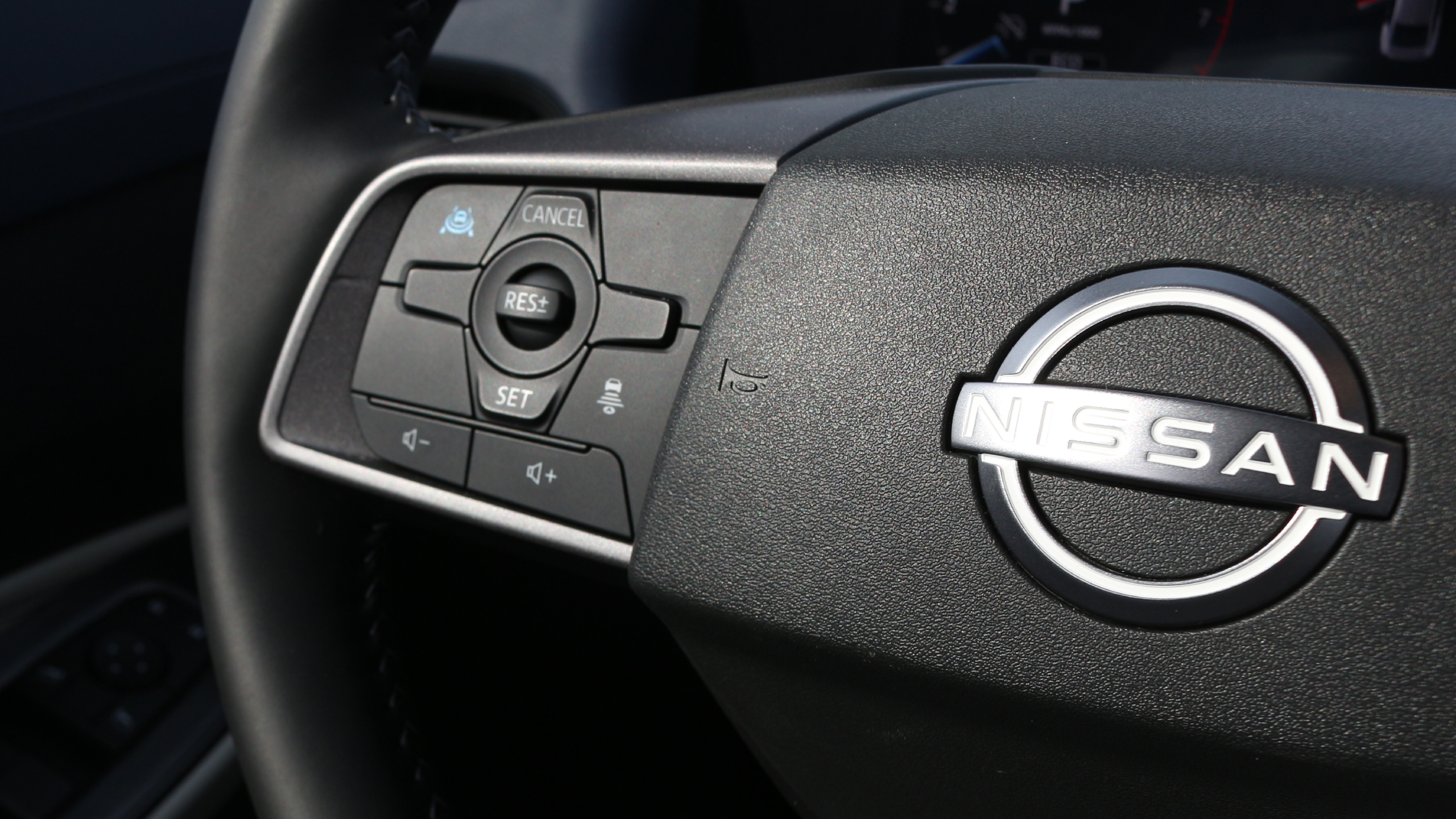
The interior shown above is a well-appointed SL model showing off the Sentra’s available dual 12.3-inch screen setup. That’s the standard screen, no matter which trim you buy, but the value-oriented S model replaces the matching driver information display with a 7.0-inch “multi-information display.” The new interior design is pretty sharp; I’m not sure I’m sold on the Ariya-like wheel, but the rest works fine. My biggest complaint is probably that the old interior held up reasonably well, and Nissan could have skimped here with little ill effect. I would have liked to see that money spent giving the Sentra more of an on-pavement personality, but I understand the Sentra’s demographic likely couldn’t care less about that.
But while Nissan hasn’t shown much bravery in the Sentra’s redesign, the very fact that it’s returning as a sedan still counts for something. After all, look at the current state of America’s traditional four-door family car. Sure, some automakers are threatening to revive the format, but talk is cheap.
Predictably, the new Sentra drives pretty much like the old one did—exactly like the old one did, one might even say. There are virtually no differences between them. The front/rear strut/multi-link suspension from 2025 carried over too. Nissan said it made some tweaks to the suspension tuning, so the part numbers probably don’t all match, but the fundamental architecture remains unchanged.
The Sentra is many things—roomy (for a sedan), reasonably comfortable, and acceptably fuel-efficient for not employing anything particularly interesting under the hood. But one thing it’s not is exciting. This is a perfectly OK cocoon in which to zone out and ignore a daily commute, but it’s not the sort of car that encourages you to take the long way home. This was true before; it’s just as true now.
The good news, however, is that the new infotainment is a genuine upgrade. The tile interface works nicely, and most of the critical features have physical controls; the volume knob sits in the fake vent on the center stack, with the HVAC controls taking up the horizontal space just below. Everything is within easy reach, and the look-down moments are few and far between.
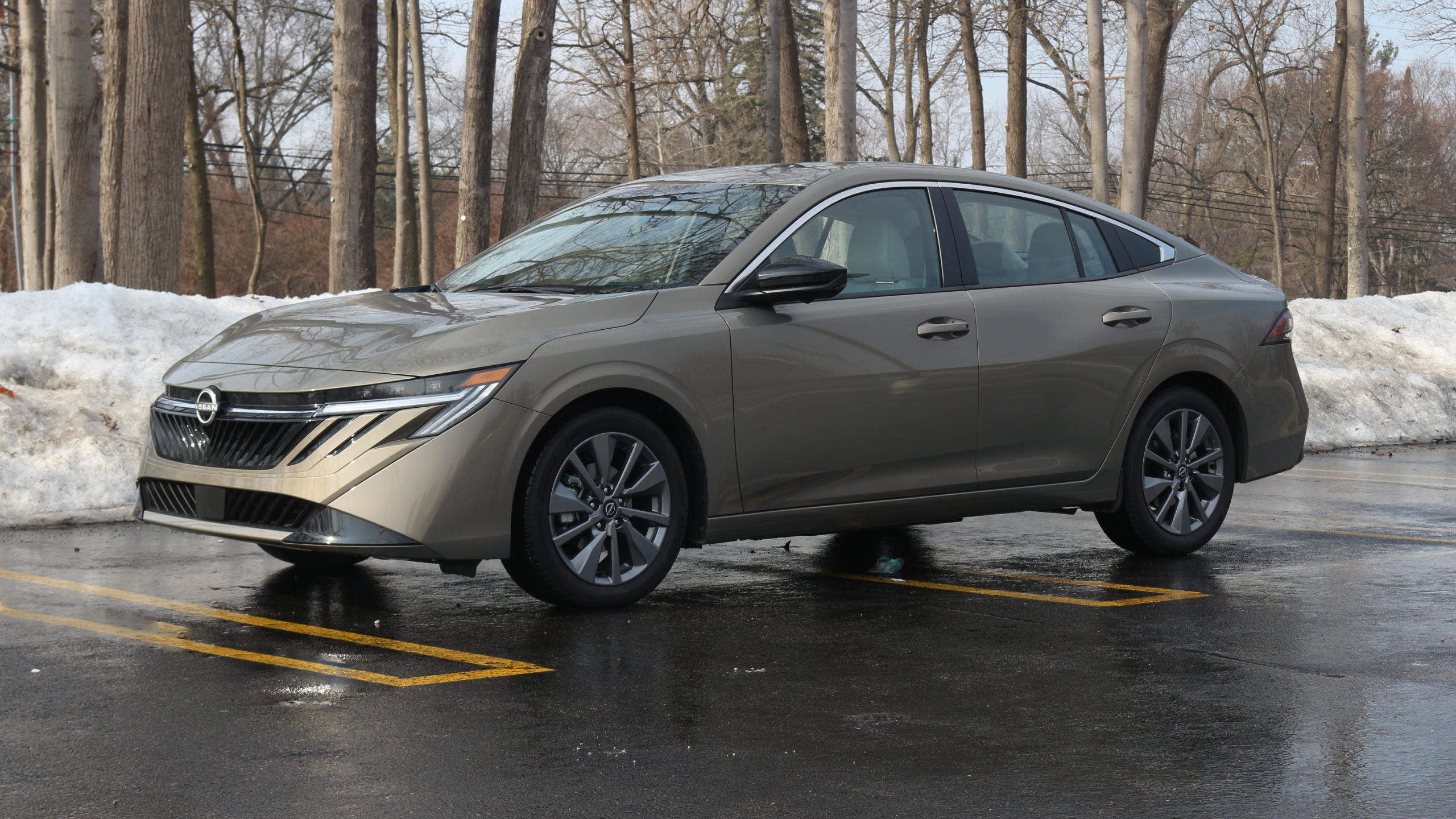
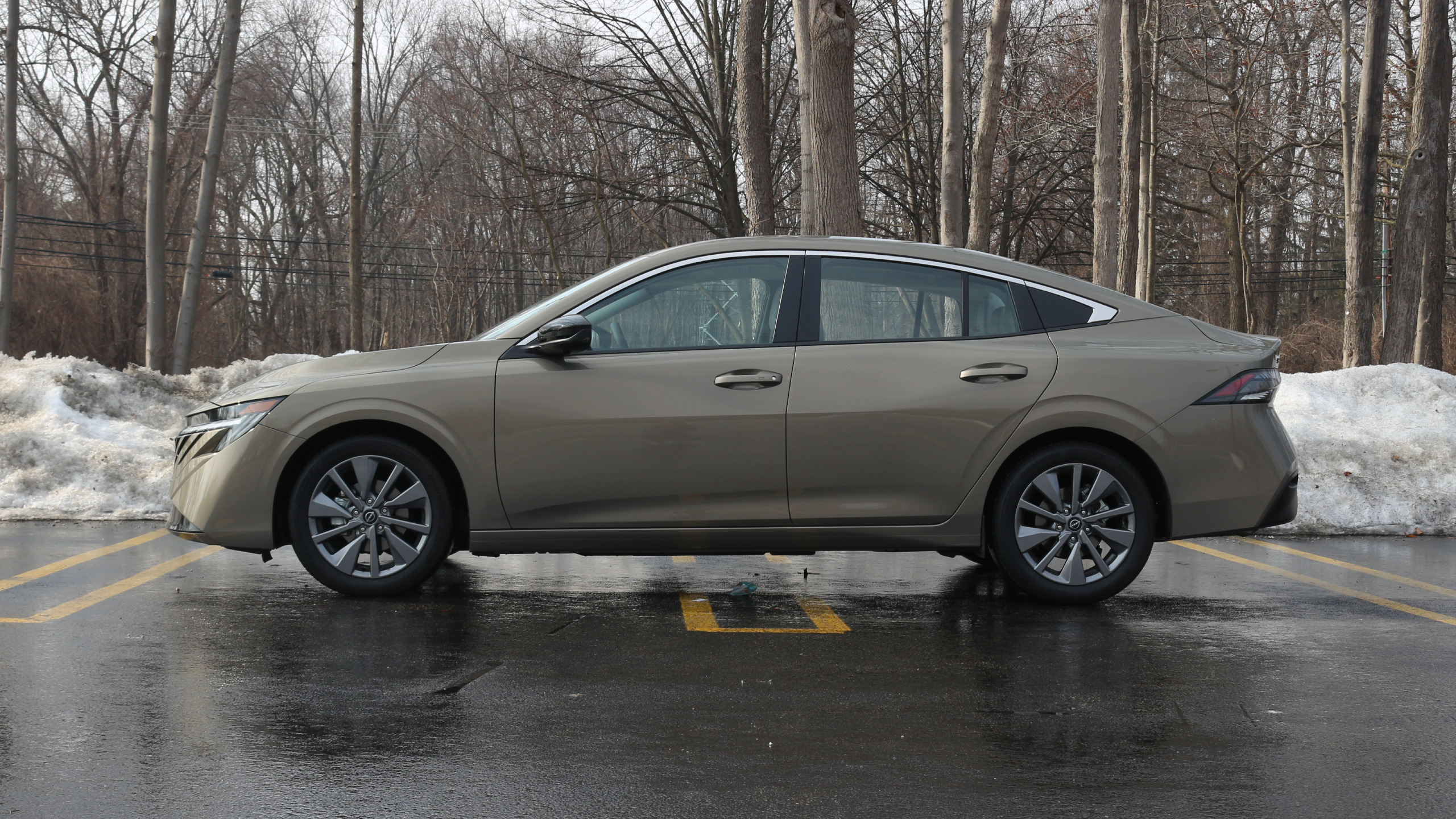
The 2026 Sentra also excels at the one thing that has mattered most to Nissan: the bottom line. With the even-cheaper Versa getting the axe for 2026, the Sentra is now Nissan’s ambassador for four-door affordability. Say that quickly if you dare. At $23,875 (including destination), the base Sentra undercuts the equivalent Hyundai Elantra by a whisker-thin margin; the Kia K4 is slightly cheaper. They’re all a tier less expensive than the Civic, Jetta, or Mazda3, and the latter three are nicer for their respective premiums. The Jetta is practically a limousine in this nominally compact segment. Even the K4’s available hatchback commands enough of an upcharge to put it with the nicer offerings in this group.
If value is your goal, Nissan should fit the bill. Like the Hyundai and Kia, it remains reasonable even once you spring for the popular equipment at the SV and SR trims. That’s where the 12.3-inch driver screen becomes standard. Both also get you remote start, and the sporty-looking SR comes with unique 18-inch wheels. At that point, you’re still only in for $26,245. Our SL tester represents the top of the range, and even that is still just $29,235.
There are buyers who want something frugal and unobtrusive with a warranty. If they also happen to want a sedan, the Sentra fits the bill. It’s competent enough to get the job done, and the new interior is a perfectly decent place to be. Kudos on the new tech.
Nissan provided The Drive with a seven-day loan of this vehicle for the purpose of writing this review.
2026 Nissan Sentra Specs
| Base Price (SL as tested) | $23,875 ($29,235) |
| Powertrain | 2.0-liter, naturally aspirated four-cylinder engine | continuously variable transmission | front-wheel drive |
| Horsepower | 149 @ 6,000 RPM |
| Torque | 146 @ 4,000 RPM |
| Seating Capacity | 5 |
| Curb Weight | 3,097 pounds (S, SV); 3,153 pounds (SR); 3,177 pounds (SL) |
| Cargo Volume | 14.3 cubic feet |
| EPA Fuel Economy | 30 mpg city, 38 mpg highway, 33 mpg combined (S, SV); 29 mpg city, 36 mpg highway, 32 mpg combined (SR, SL) |
| Score | 7/10 |

Quick Take
Fun ain’t on the menu, but the Sentra is frugal enough for a second look.
www.thedrive.com
#NoFrills #Sedan #Warranty


