


Support CleanTechnica’s work through a Substack subscription or on Stripe.
Pony.ai is not the first robotaxi company that comes to mind for most of us, but it’s up there on the list of companies that have been around for a while, progressing consistently, and showing promise. A series of announcements this month really up its profile, though.
Also, let’s keep in mind, Pony.ai was actually the first company to offer completely driverless robotaxi service in Beijing, Shanghai, Guangzhou, and Shenzhen, all four of China’s tier-one cities (the country’s main economic, political, cultural, and technological hubs). So, it has been a leader in some key ways.
Commercial Robotaxi Service in Croatia
The most recent announcement catches the eye for two reasons. It is partnering with Uber and Verne to launch Europe’s first commercial robotaxi service. Naturally, linking up with Uber catches the eye, but every robotaxi company seems to be linking up with Uber, so that’s not a particularly huge deal — still, it does mainstream Pony.ai more. The bigger note is probably that this will be Europe’s first commercial robotaxi service. Among all the robotaxi companies out there, Pony.ai will be the first to launch in Europe? And given Europe’s strong regulations, that’s all the more impressive if true.


The service will launch in Zagreb, Croatia, “with initial deployment work already underway, including public-road validation.” Of course, Uber will be attracting the customers via its app, Verne will be owning and servicing the vehicles, and Pony.ai will be doing the hard work of making the vehicles drive themselves.
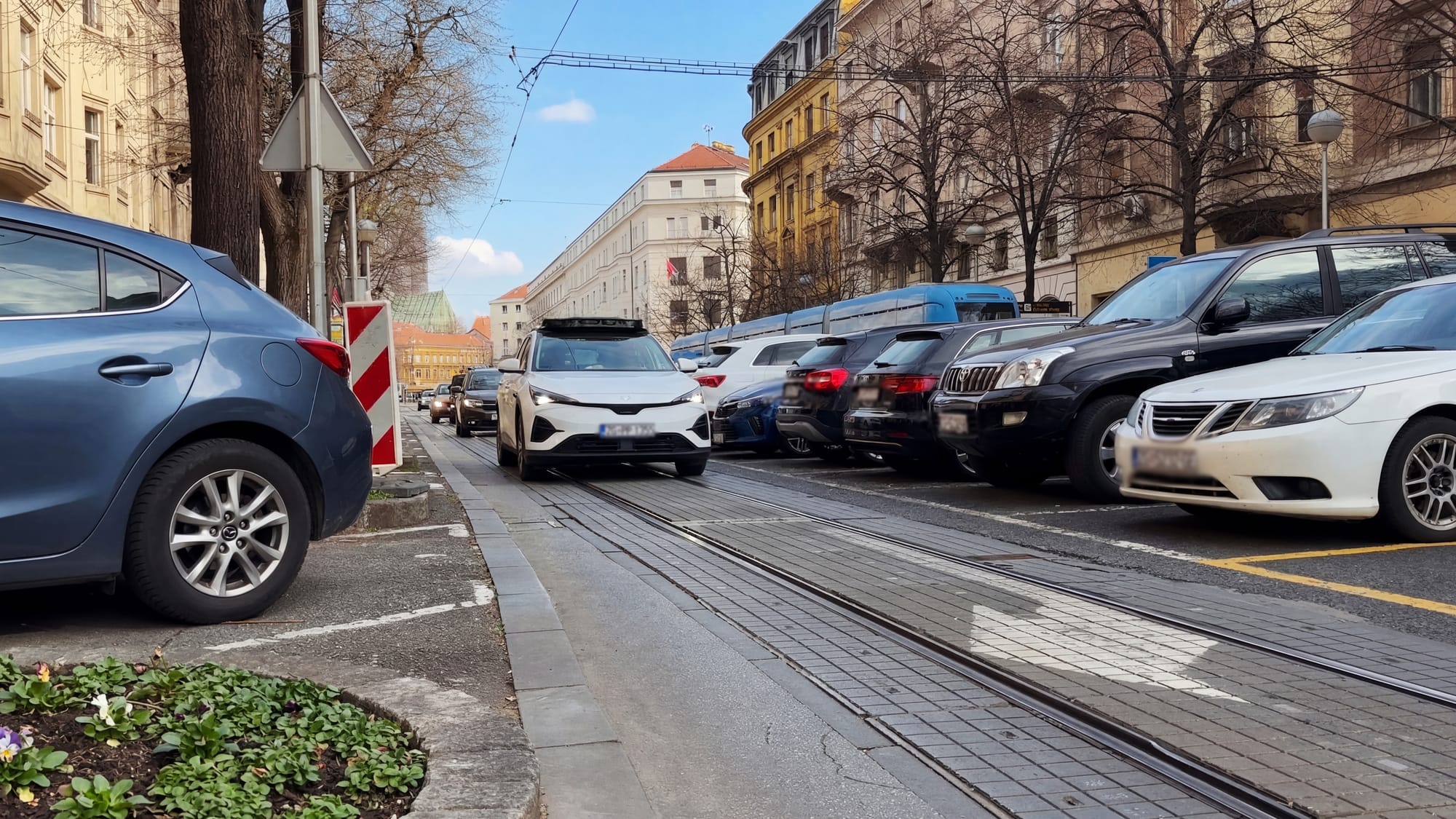
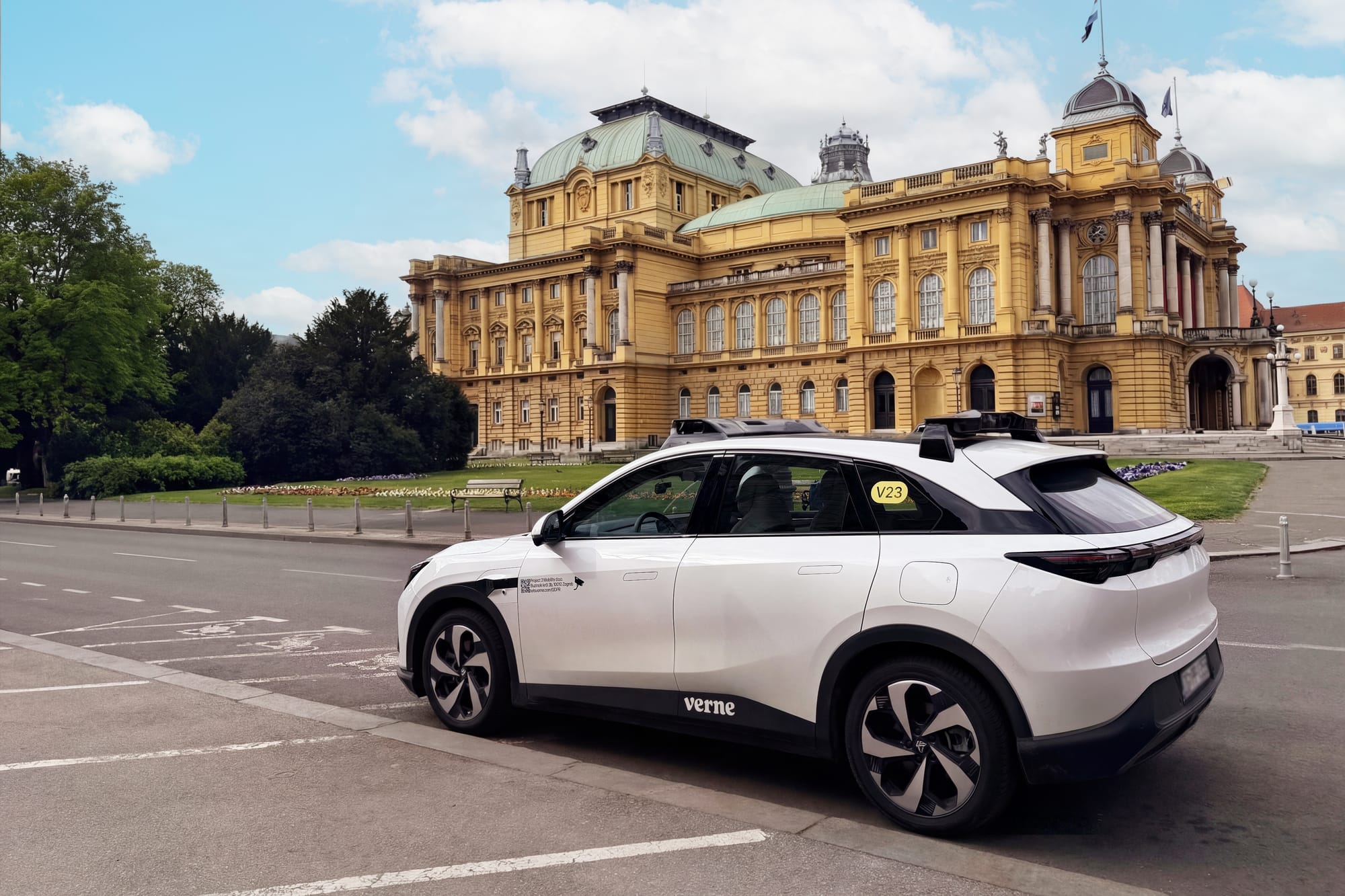
“As part of this collaboration, the companies have already begun on-road testing in Croatia’s capital, Zagreb, using Pony.ai’s Gen-7 autonomous driving system, deployed on the Arcfox Alpha T5 Robotaxi. With preparations for fare-charging services underway, Zagreb is emerging as the first market for commercial robotaxi service in Europe.”
3,000 Robotaxis
More broadly, Pony.ai plans to deploy 3,000 robotaxis in 20 cities … this year.
“2025 marked an amazing year for Pony.ai. We realized scaling-up in top-line, Robotaxi fleet size, operational footprint and user base, while validating our business model by achieving unit economics breakeven in multiple tier-one cities in China,” said Dr. James Peng, Founder and CEO of Pony.ai. “As we look to 2026, it will be a year of accelerating growth. We will accelerate top-line growth at faster speed, scale up fleet size to over 3,000, and expand operational areas to deploy Robotaxis in more than 20 cities globally.”
Overseas, those locations will include Singapore, Qatar, and the UAE as well as Croatia. In China, it is operating in several cities. It also recently joined the Tencent Mobility Service.
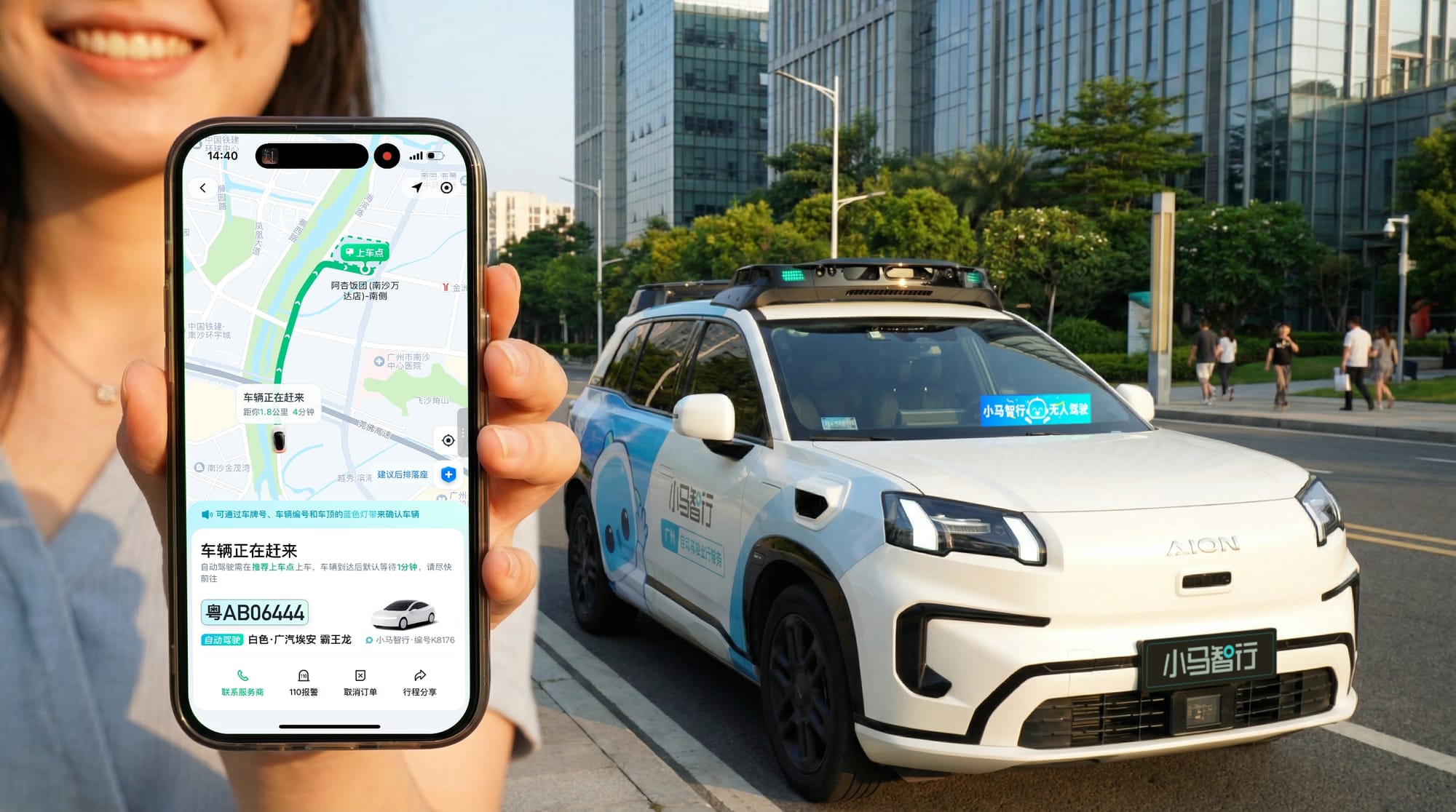
“Users in designated areas of China’s Guangzhou can now book fully driverless rides via Tencent’s WeChat “Mobility Services” portal. After entering their pickup and drop-off locations, users can opt for an autonomous ride if the route falls within Pony.ai’s service coverage. Tencent’s WeChat is one of China’s most widely used consumer apps, with a user base exceeding one billion. The integration further expands Pony.ai’s presence in the WeChat ecosystem, where users previously accessed its service through the company’s Mini Program. The service is also expected to be integrated into Tencent Maps in the near future,” the company shares.
“The rollout builds on the broader collaboration between Pony.ai and Tencent Cloud, which spans cloud computing, mapping, smart cabin, virtual simulation, and AI. Leveraging Tencent’s platform reach and technical infrastructure, Pony.ai aims to further enhance service accessibility while supporting the stable and scalable operation of its autonomous fleet.”
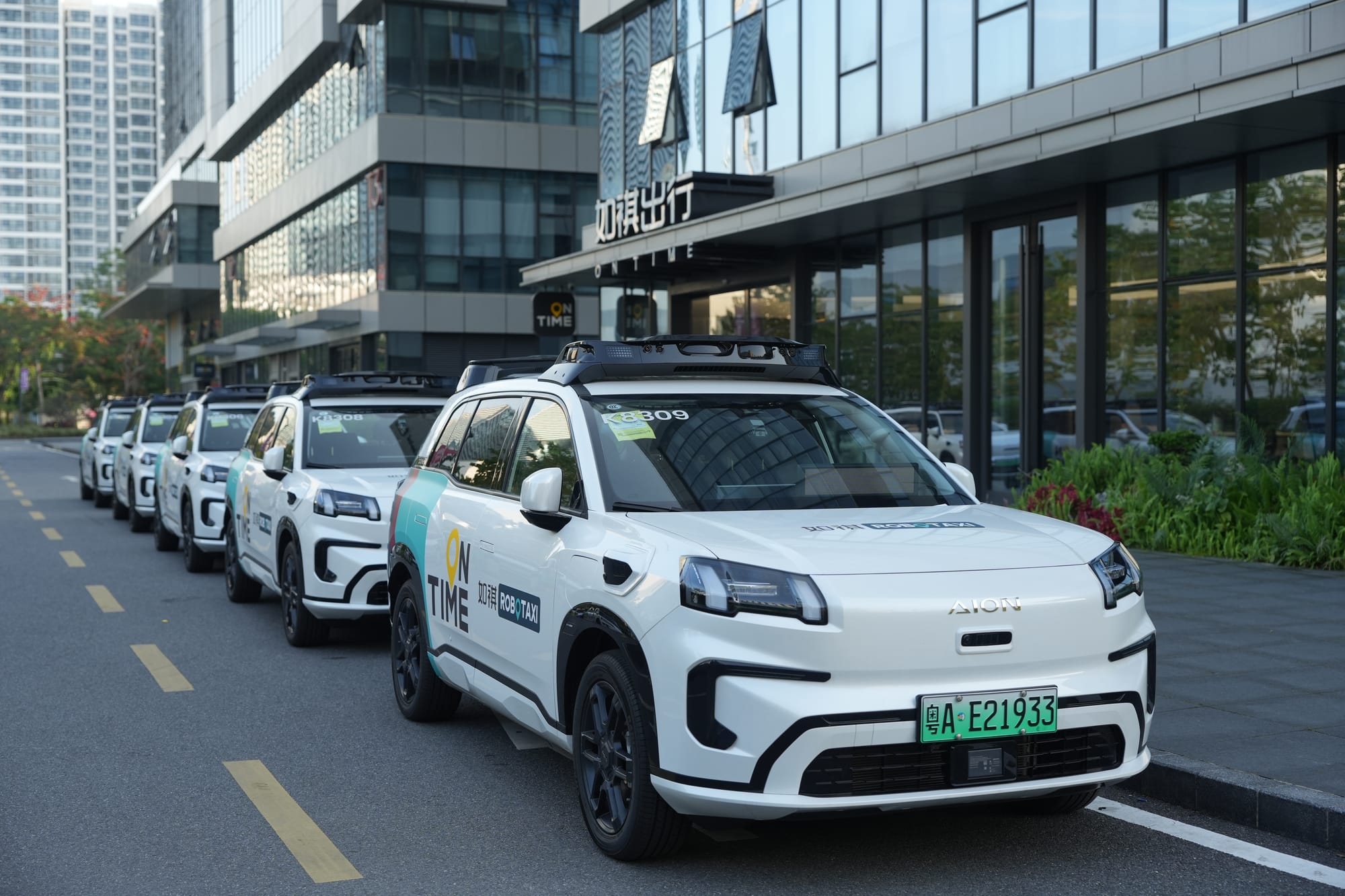
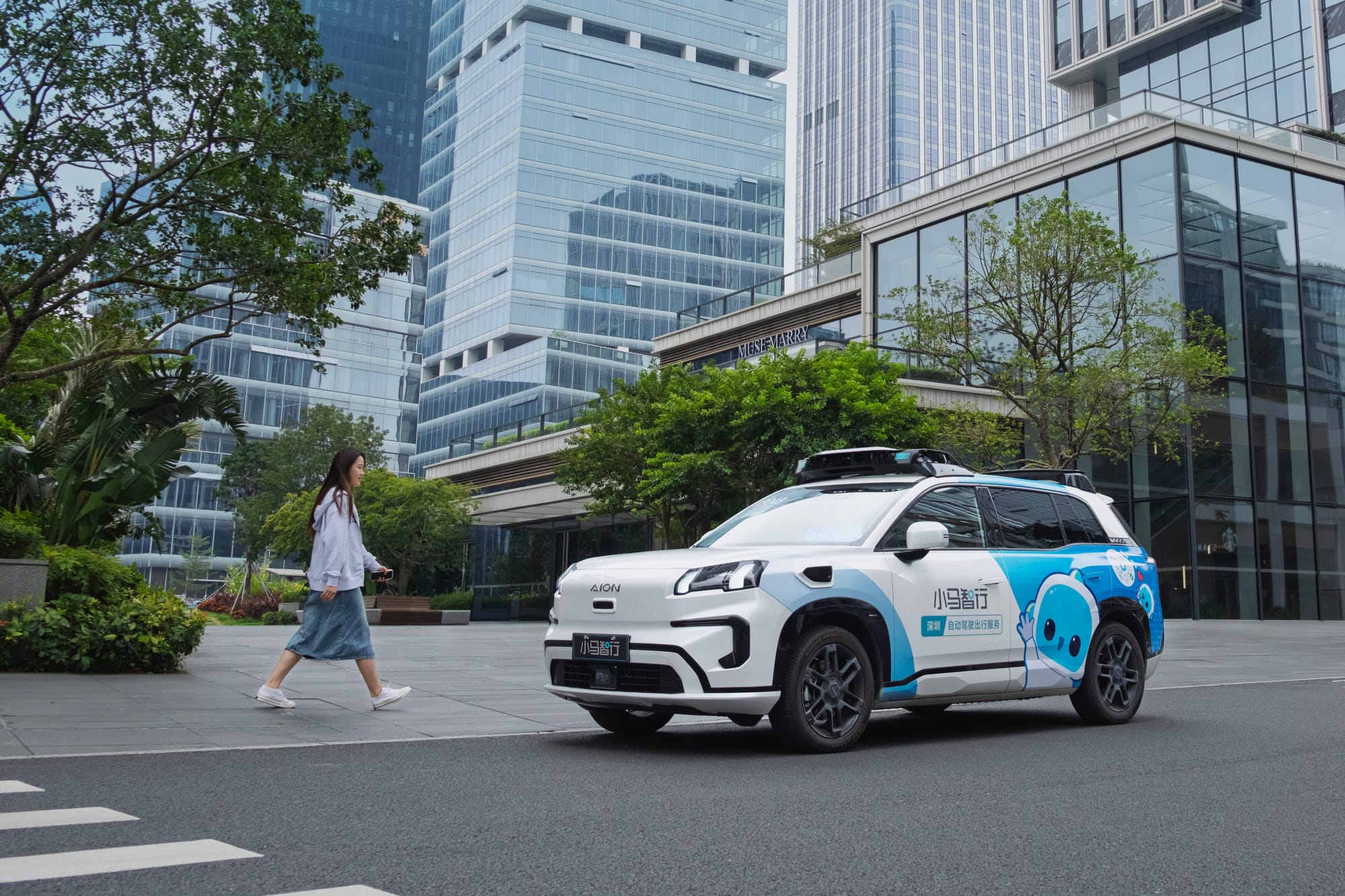
Just over a week ago, Pony.ai launched a joint robotaxi fleet with Guangzhou Chenqi Mobility Technology. The joint fleet includes more than 100 robotaxi vehicles. “The vehicles, based on the GAC AION V model, will join Chenqi’s ride-hailing platform OnTime Mobility and begin commercial operations soon. At the same time, Pony.ai and Chenqi Mobility signed an upgraded strategic cooperation agreement in Guangzhou to jointly build a Robotaxi fleet and expand geographic coverage beyond current operations, marking a new phase in their long-standing partnership,” the company writes.
“The Gen-7 Robotaxi also introduces a range of passenger-focused enhancements, including Bluetooth unlocking, in-vehicle voice interaction, online music, and pre-trip climate control. Improved acceleration and braking control help ensure smoother rides and reduce motion discomfort, further enhancing passenger comfort.”
Breakeven in Shenzhen
But can Pony.ai, and other robotaxi companies, actually make a profit? That’s the lingering question. Many billions of dollars are bet on the idea that they can. Even then, though, the questions are who can do so first and what advantage the early leader can get. Pony.ai is headed in a good direction for leading on this and perhaps being the answer to that second question about who can do so first.
Earlier this month, the company announced that its seventh-generation (“Gen-7”) Robotaxi unit economics reached breakeven status in Shenzhen. This is the second city where this has been achieved, as Pony.ai announced it had done so earlier, in late 2025, in Guangzhou. The Gen-7 Robotaxi provided a 70% cost reduction compared to the previous generation vehicle. “Robust AI algorithms and fleet management capabilities have further supported efficient Robotaxi utilization and a streamlined remote-assistant-to-vehicle ratio.”
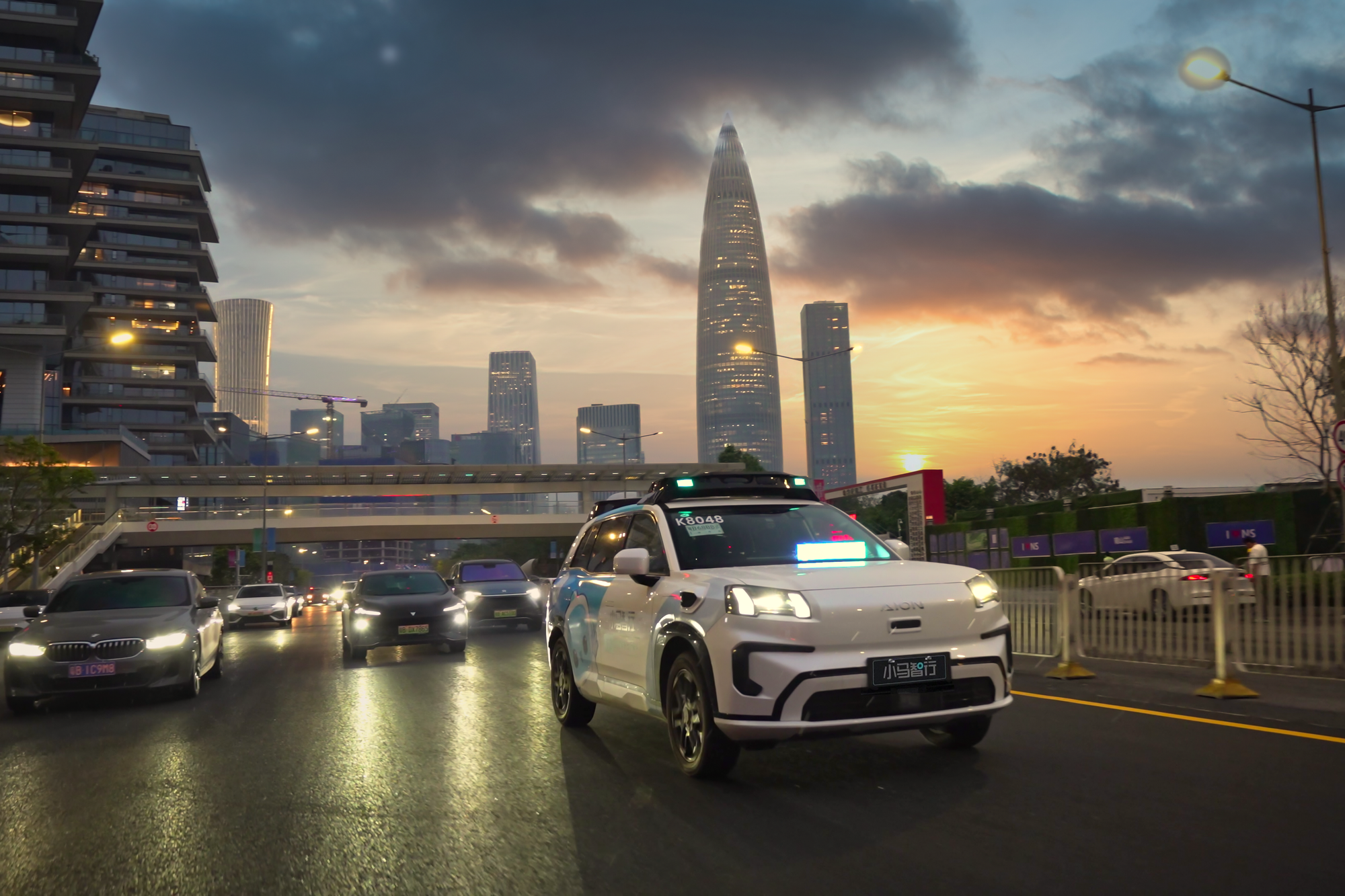
“The latest achievement in Shenzhen marks another important validation of our technology readiness and commercialization strategy,” said Dr. James Peng, Founder and Chief Executive Officer of Pony.ai. “Reaching unit economics breakeven in two Tier-1 Chinese cities demonstrates that autonomous mobility is not only technically viable, but also economically sustainable at scale.”
We’re not talking about net profit yet, but we’re on the way there.


“Beyond user experience improvements, operational efficiencies and structural cost reductions have also contributed directly to stronger unit economics. The company’s unit economics assessment reflects a comprehensive cost structure, encompassing vehicle and autonomous driving kit depreciation, charging expenses, maintenance, remote operations, insurance, labor, as well as parking and network infrastructure costs.”
Pony.ai is now looking to scale up its robotaxi operations in the four Chinese tier-1 cities, while of course expanding geographically as we see with the latest news on the Croatian launch. Baidu’s Apollo Go, Google’s Waymo, and Tesla get a lot of attention for their robotaxi efforts, but is Pony.ai the world’s true leader in this field?
Sign up for CleanTechnica’s Weekly Substack for Zach and Scott’s in-depth analyses and high level summaries, sign up for our daily newsletter, and follow us on Google News!
Have a tip for CleanTechnica? Want to advertise? Want to suggest a guest for our CleanTech Talk podcast? Contact us here.
Sign up for our daily newsletter for 15 new cleantech stories a day. Or sign up for our weekly one on top stories of the week if daily is too frequent.
CleanTechnica uses affiliate links. See our policy here.
CleanTechnica’s Comment Policy
cleantechnica.com
#Pony.ai #Roll #Uber #Collab #Breakeven #Shenzhen #Robotaxi #Target


