There is only one king in the luxury car segment, and the Mercedes-Benz S-Class sets the bar. But there is only one rival that sent Mercedes scrambling back to the drawing board: the Lexus LS.
Thirty-seven years later, 2026 marks the final year for the Lexus LS. However, the current Lexus LS no longer strikes fear in the competition and, over time, lost its focus. While only a limited number of 2026 models are being built in a single configuration, I got my hands on one of the last 2025s produced.
There have been various LS models in my family over the years, so I wanted to spend a week in the latest one to fully understand where Lexus went wrong and how the car that had troubled Mercedes for a moment flamed out.
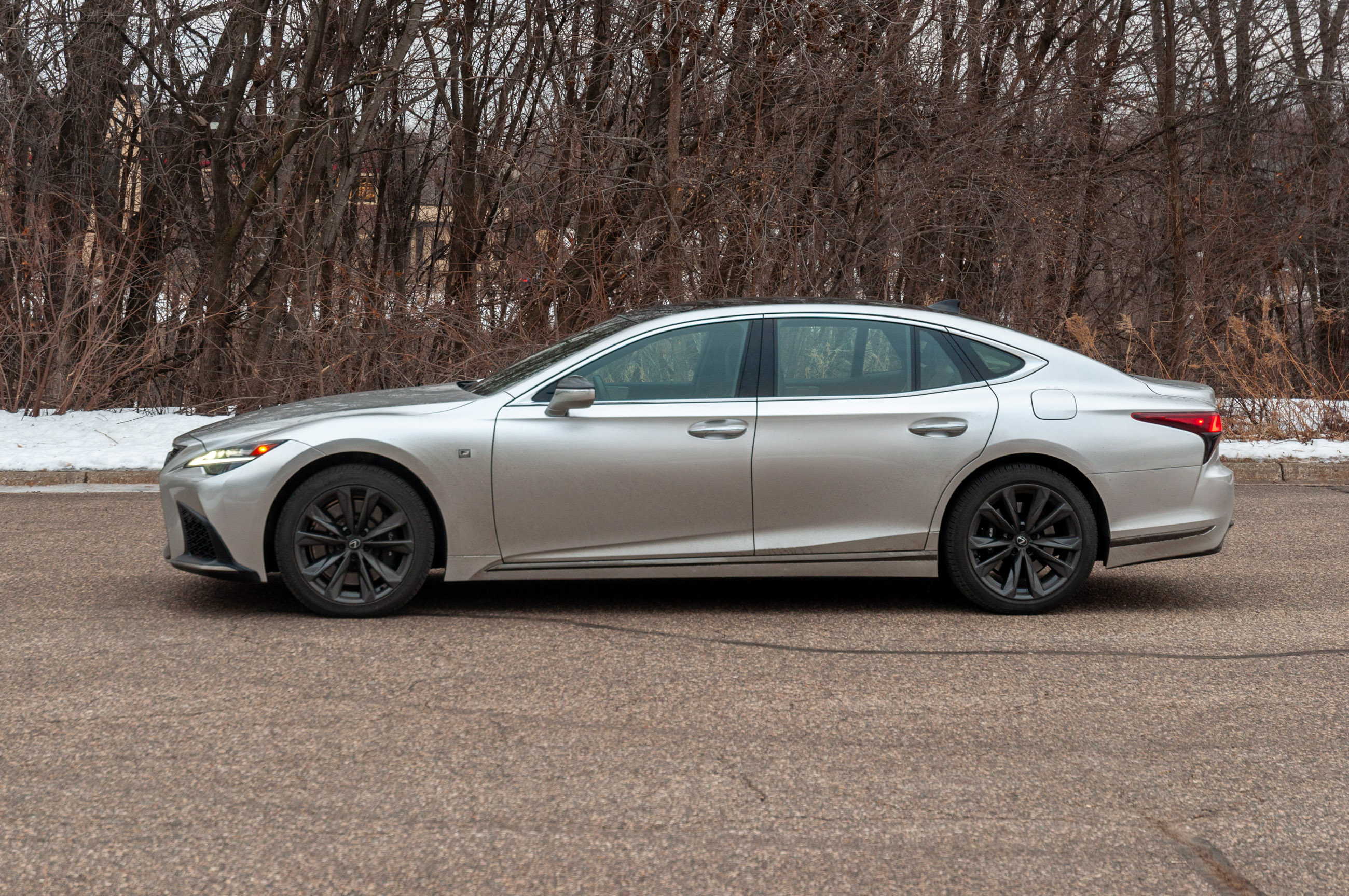
The Basics
The current LS is the fifth generation of the nameplate. While the current car was introduced in 2017 as a 2018 model, it underwent a mild refresh in 2021 and again in 2023. Both updates focused on modernizing the infotainment system and tech. They were band-aids to much larger issues, though.
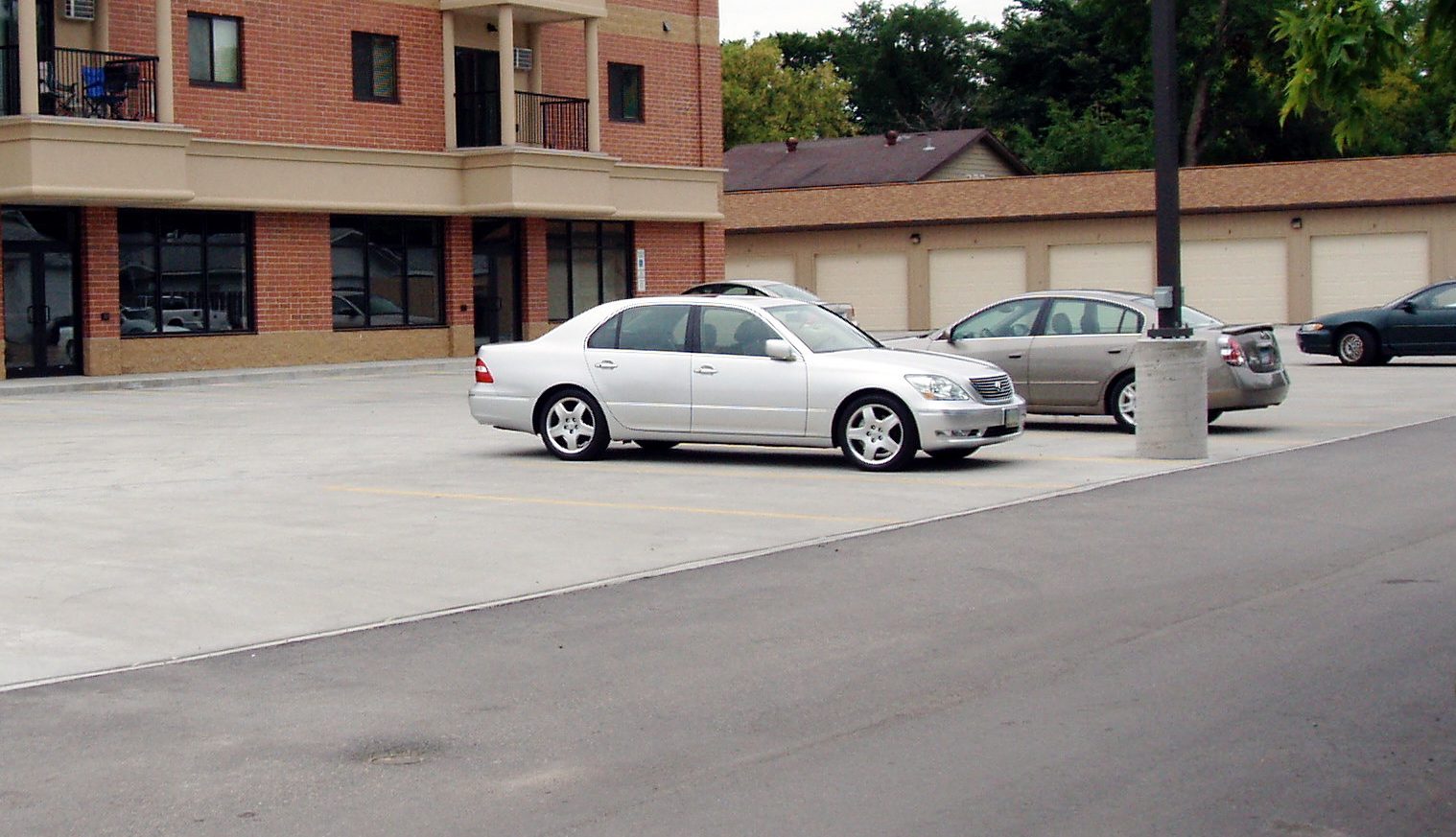
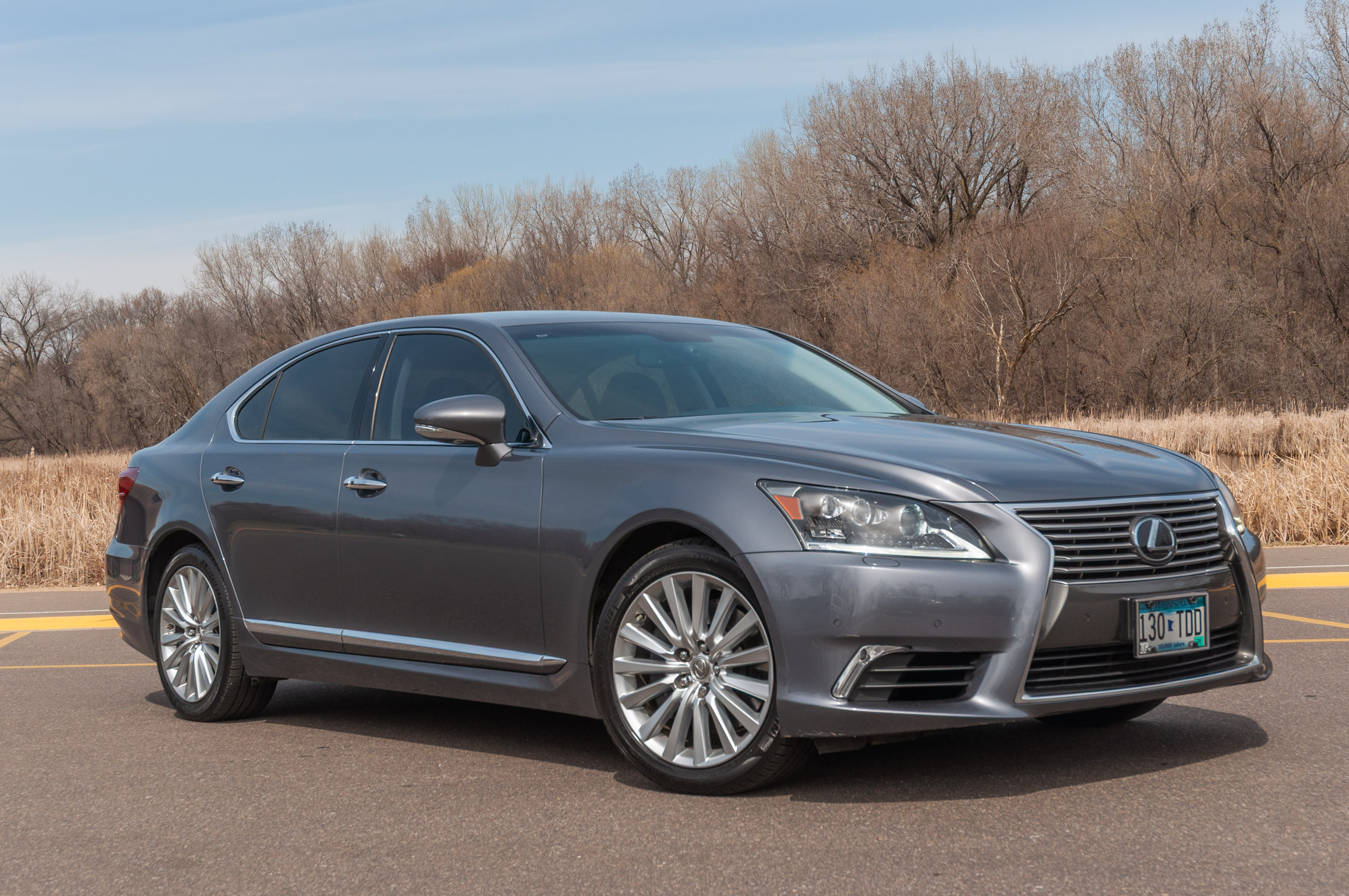
My father nearly bought a second-generation LS in the ‘90s, but he ended up with an Audi instead. Both my father and uncle owned 2006 Lexus LS 430s, which were subsequently traded for 2015 LS 460s. Those first cars, the 430s, were the final year of the third generation, while the 460s were the second to last year of the fourth generation. The differences between those cars are really where we could begin and end this story.
The LS was an instant success for many reasons, but chief among them was the fact that it was about half the price of the Mercedes while being smooth, inoffensive to the point of being boring, and every single bit seemed as if Lexus (Toyota) obsessed over it. Buttons clicked, knobs moved as if greased with Vaseline, and that’s before addressing the fact that the doors shut with a whoosh and the entire world could no longer be heard inside the car.
The cabin was disturbingly quiet. The engine itself, right up through the 430 with its 4.6-liter V8, was a marvel of smoothness and refinement. Remember the champagne flute test? Every model, right up through the third-gen car, looked like evolutions of the original. Then, in 2006, modern Lexus design began to kick in. We started down the path that led to the divisive Predator face, and the cars started getting big, bloated, and completely different from the first three generations that cemented the icon. They were larger, heavier, uglier, clumsier, and had a horrid infotainment system, though it did have split-screen capability, something even modern Lexus vehicles with larger touchscreens don’t have.
Where does all this leave today’s fifth-generation car that is ending the lineage?
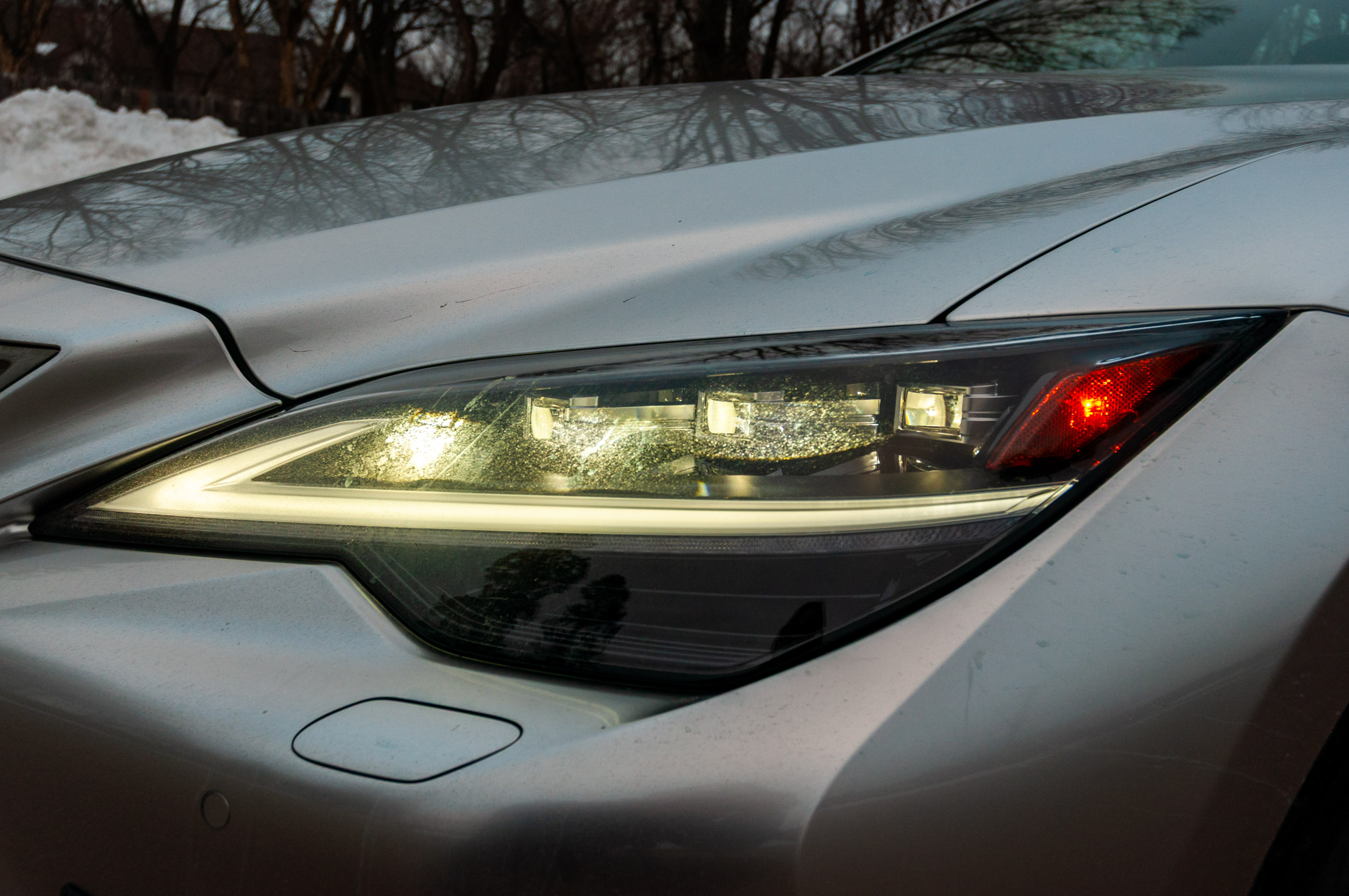
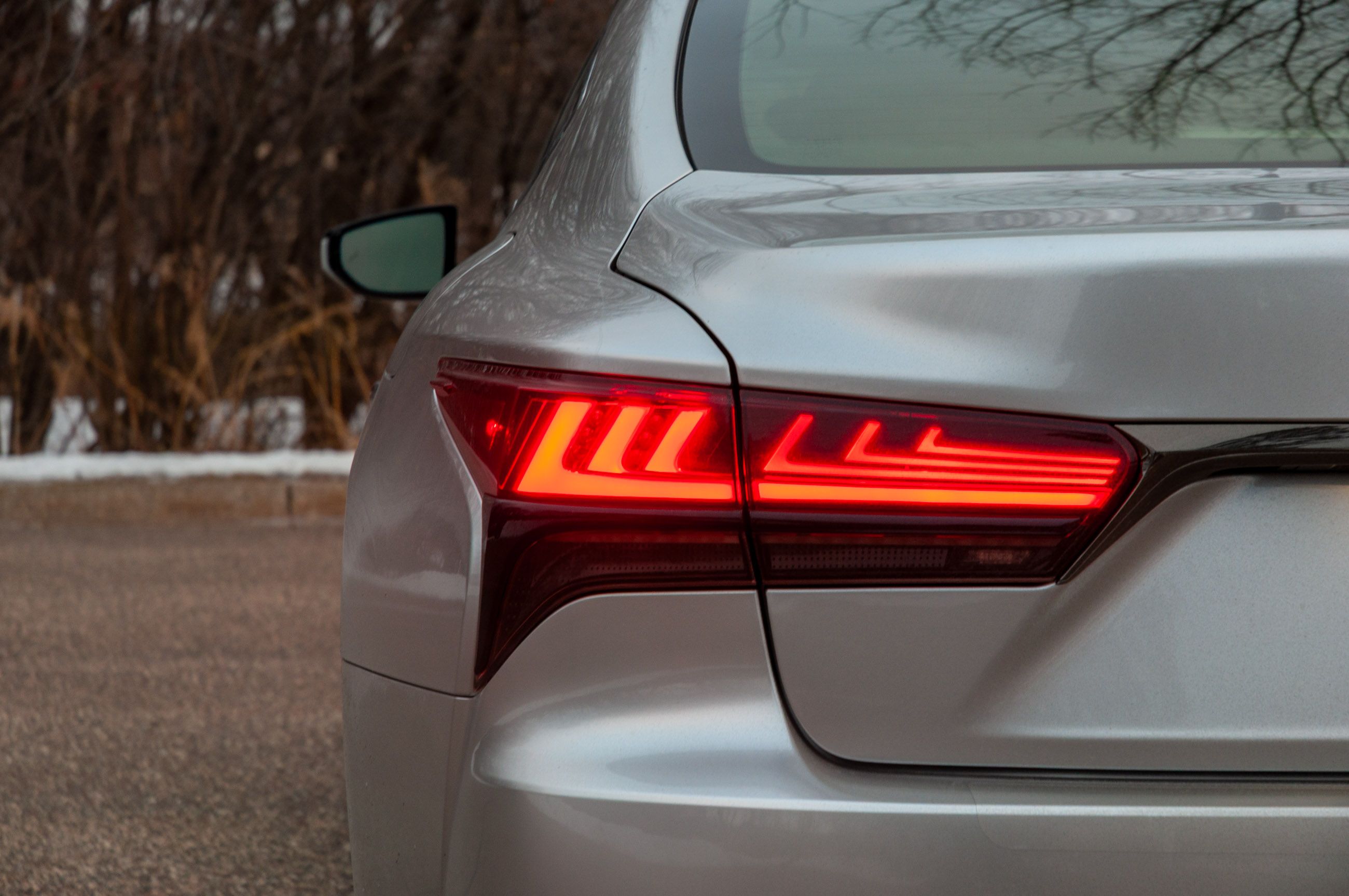
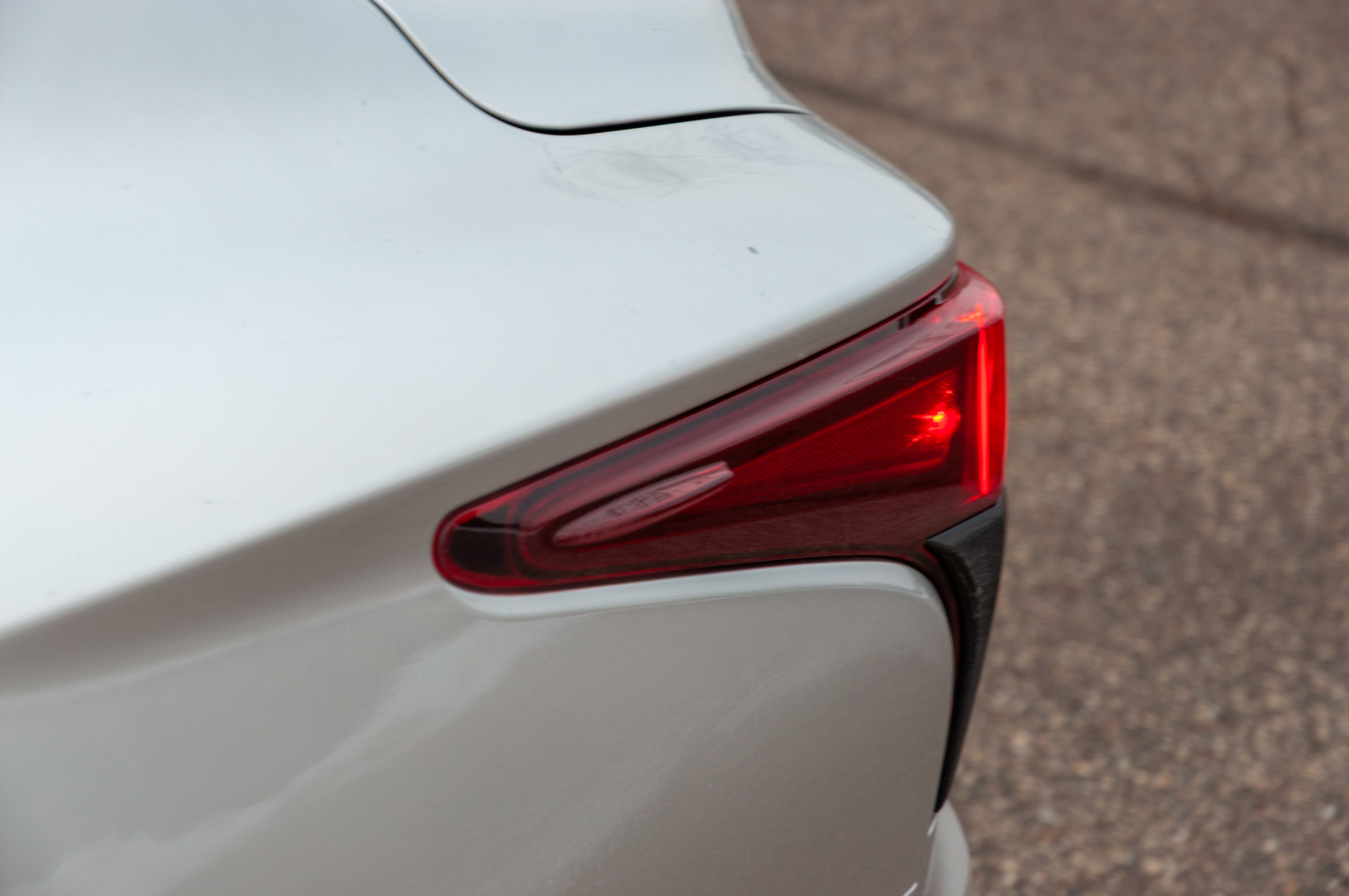
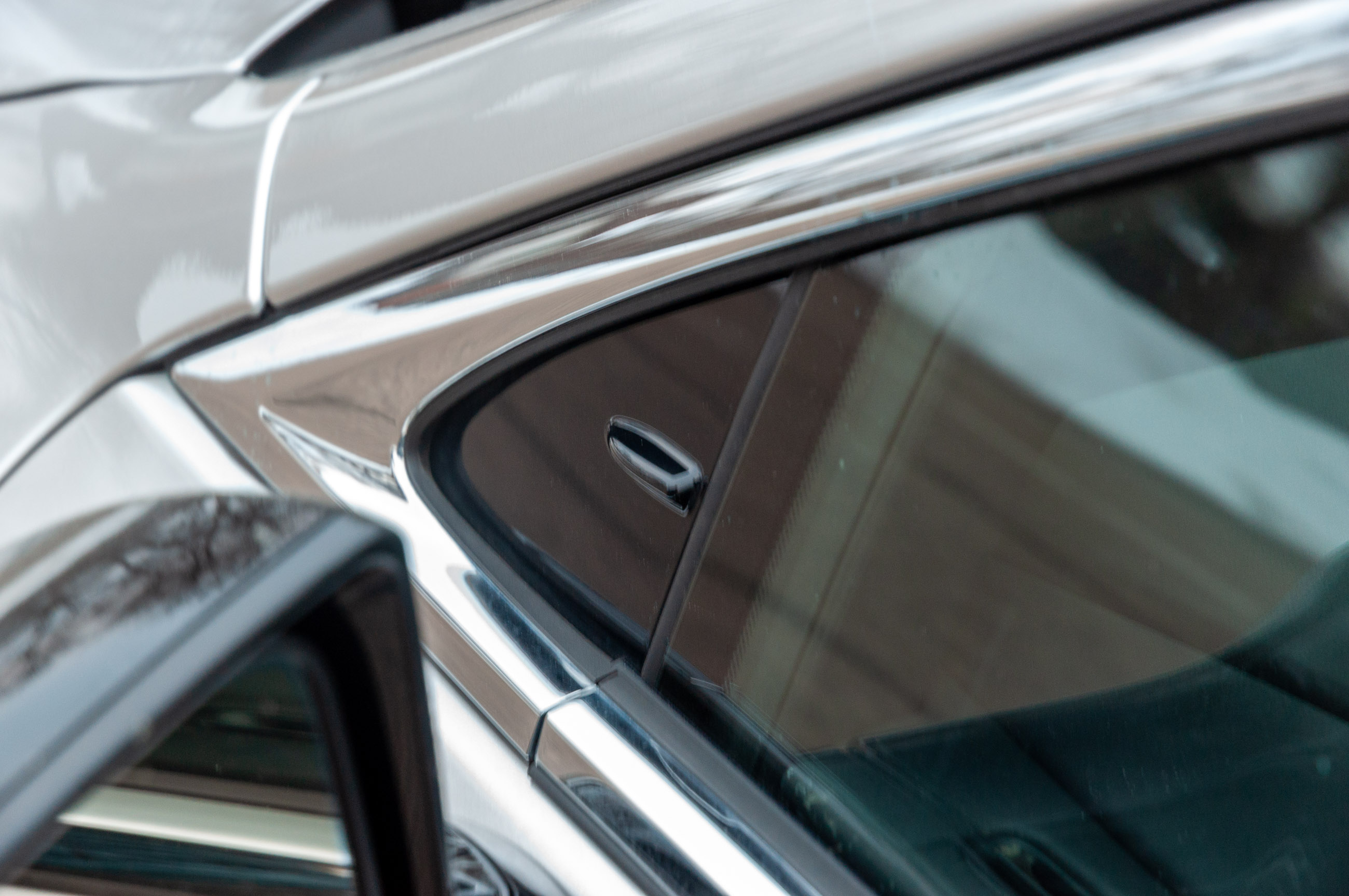
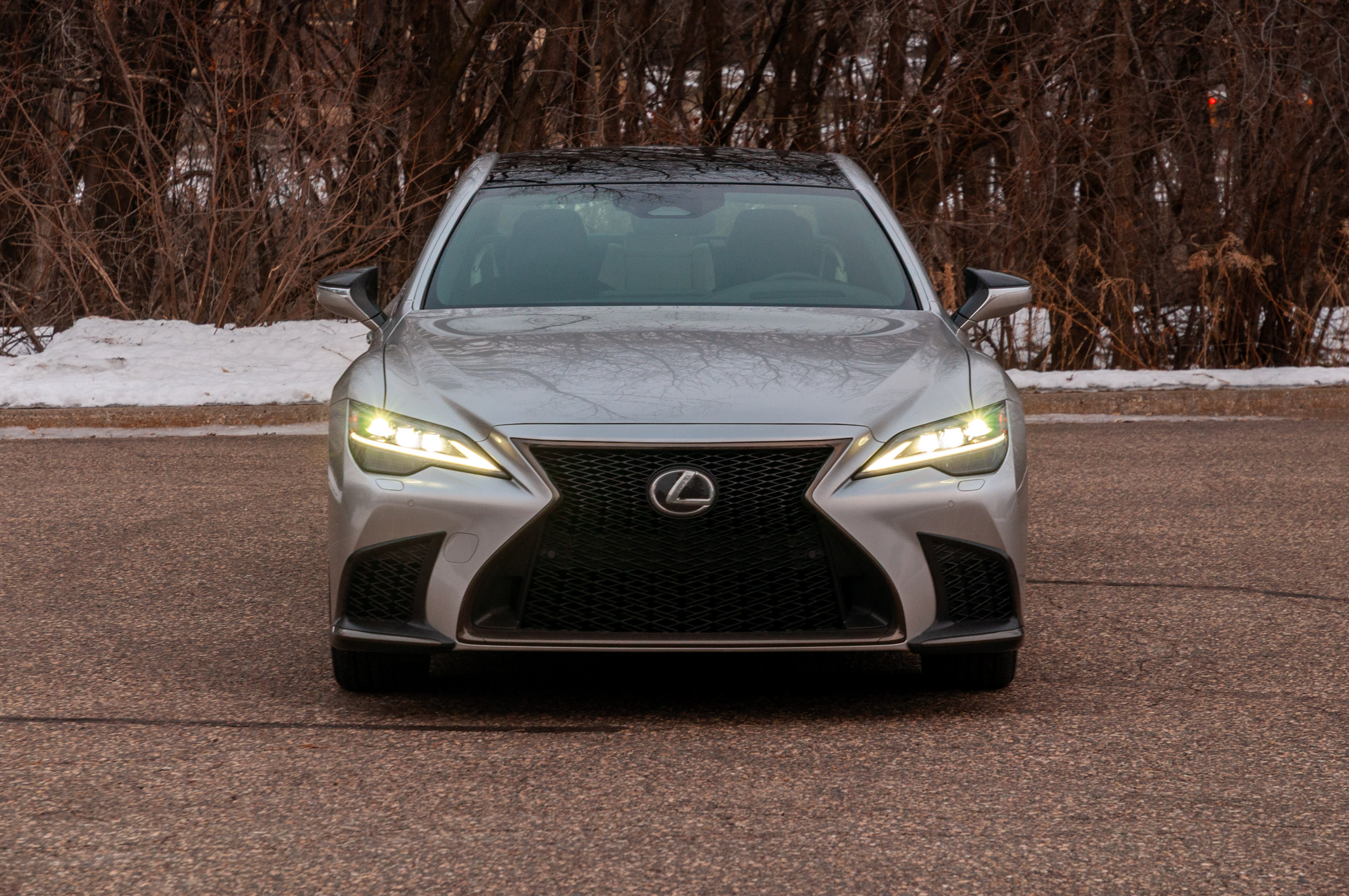
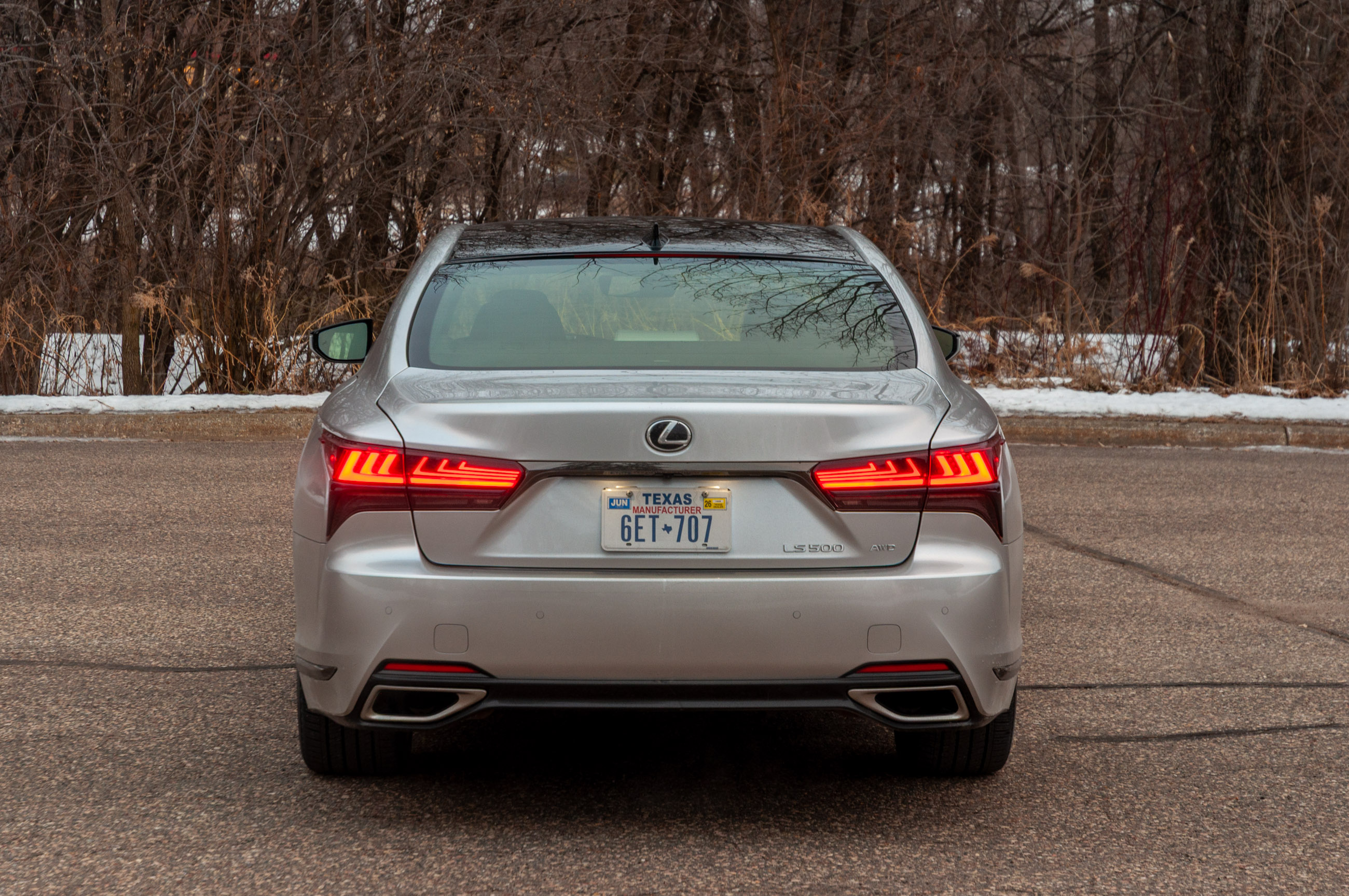
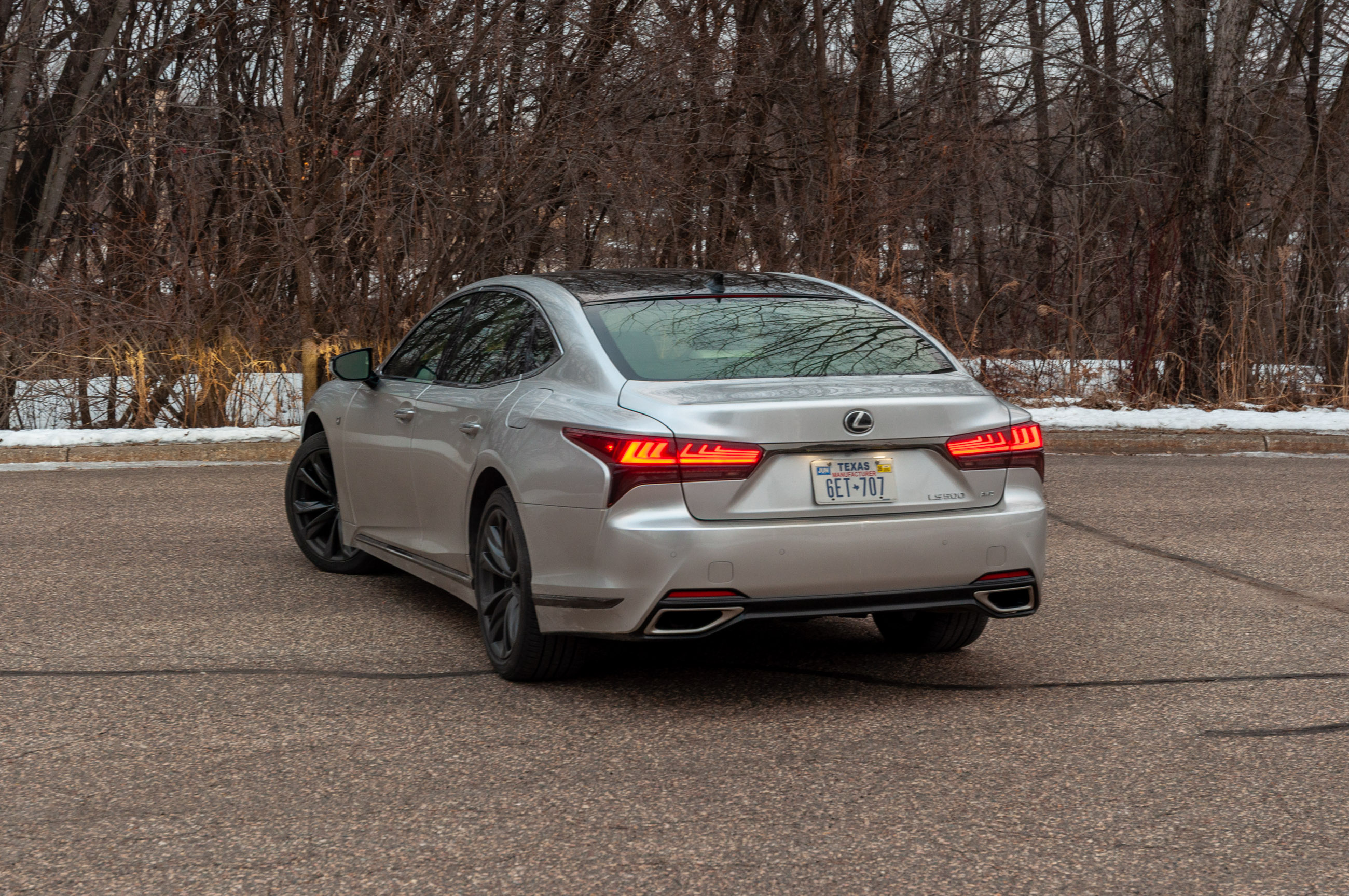
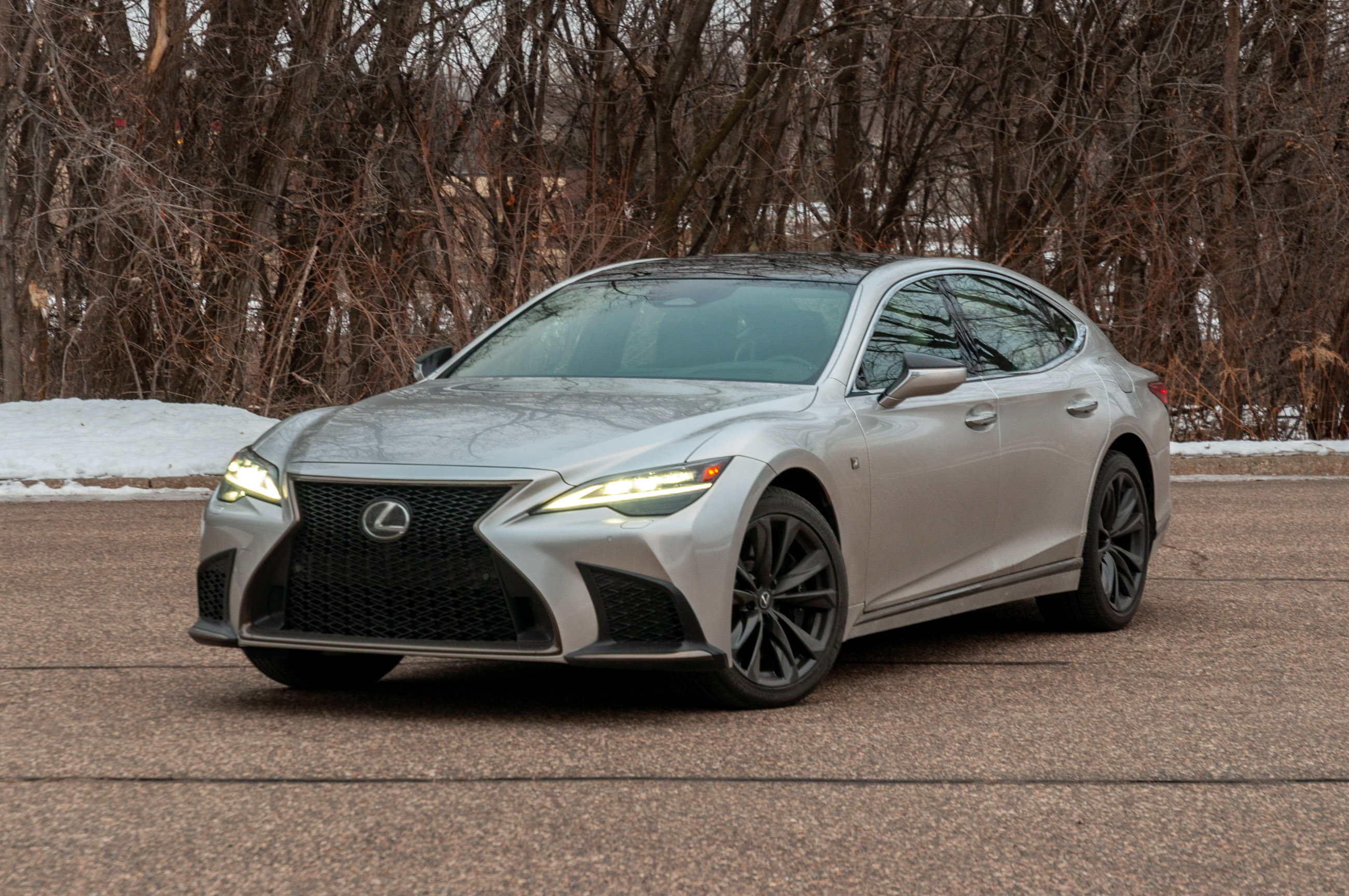
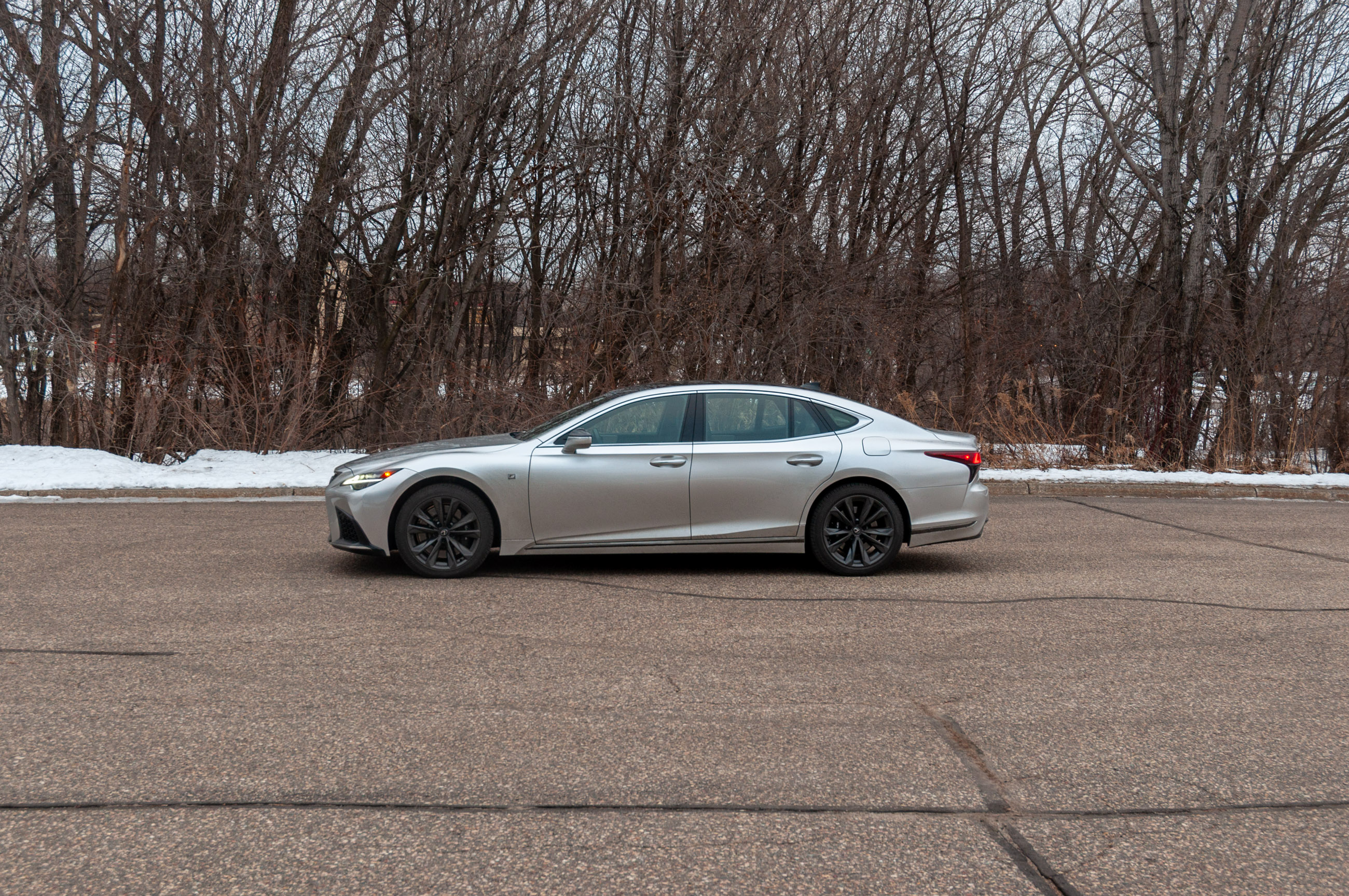
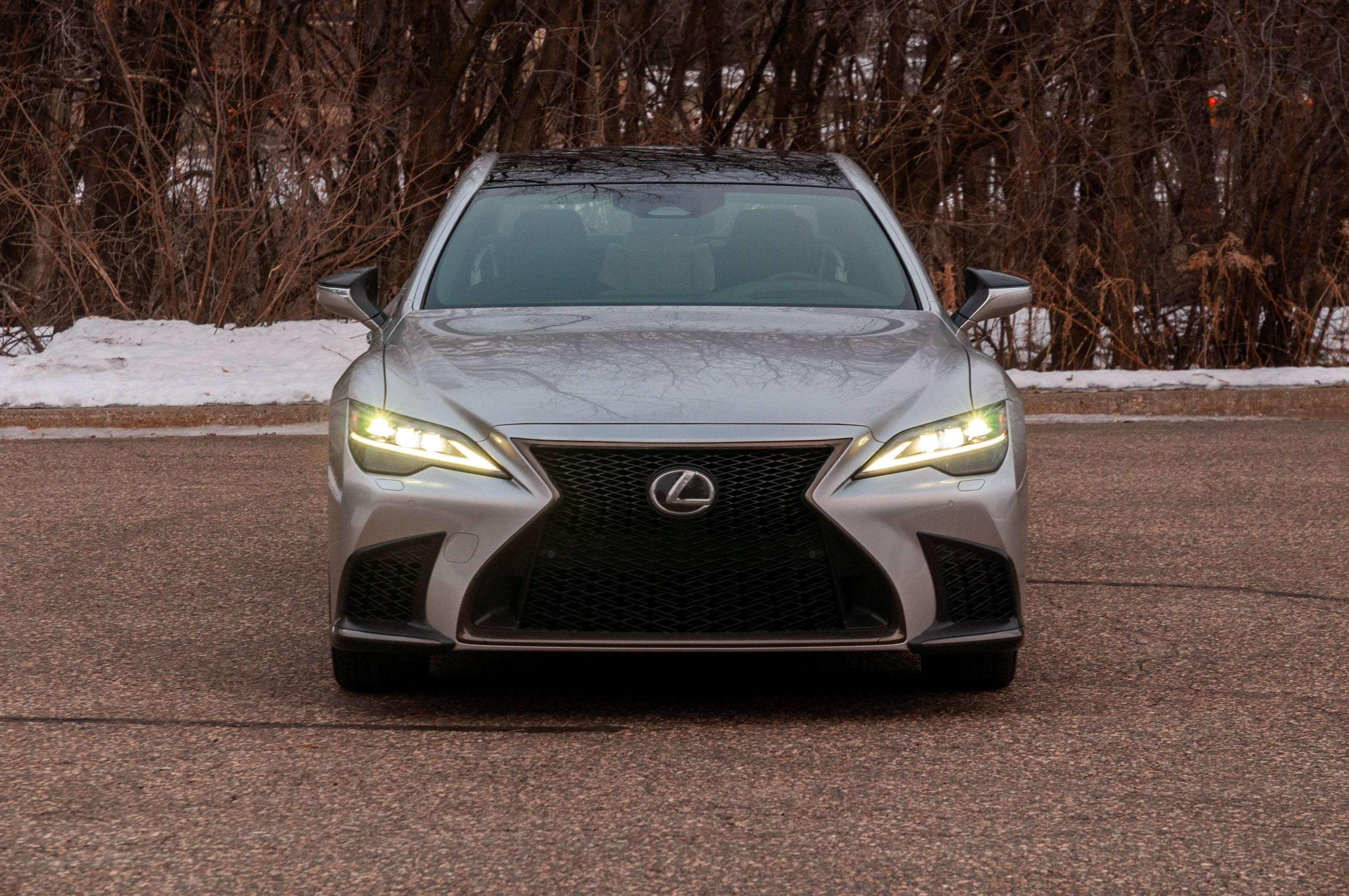
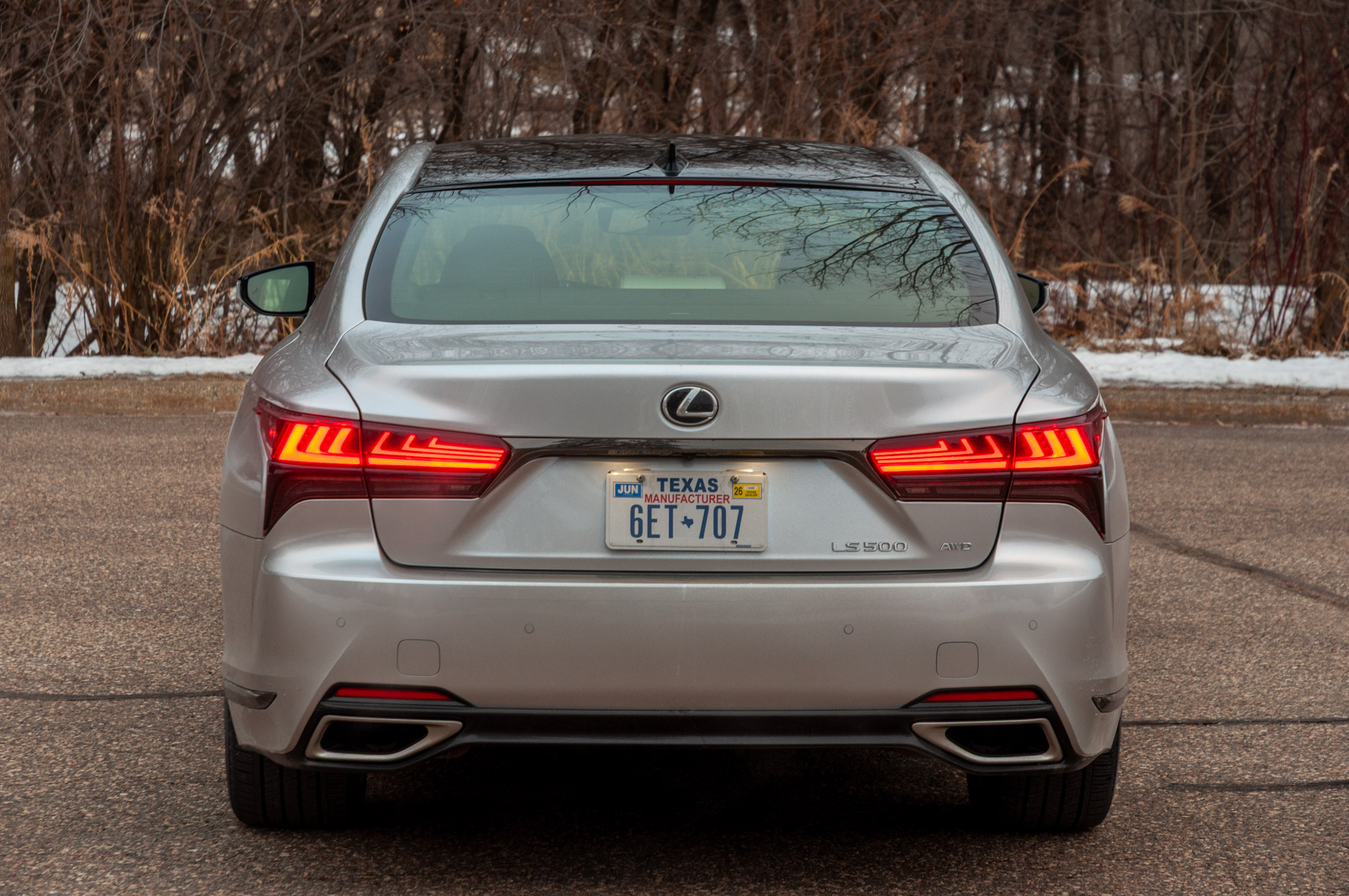
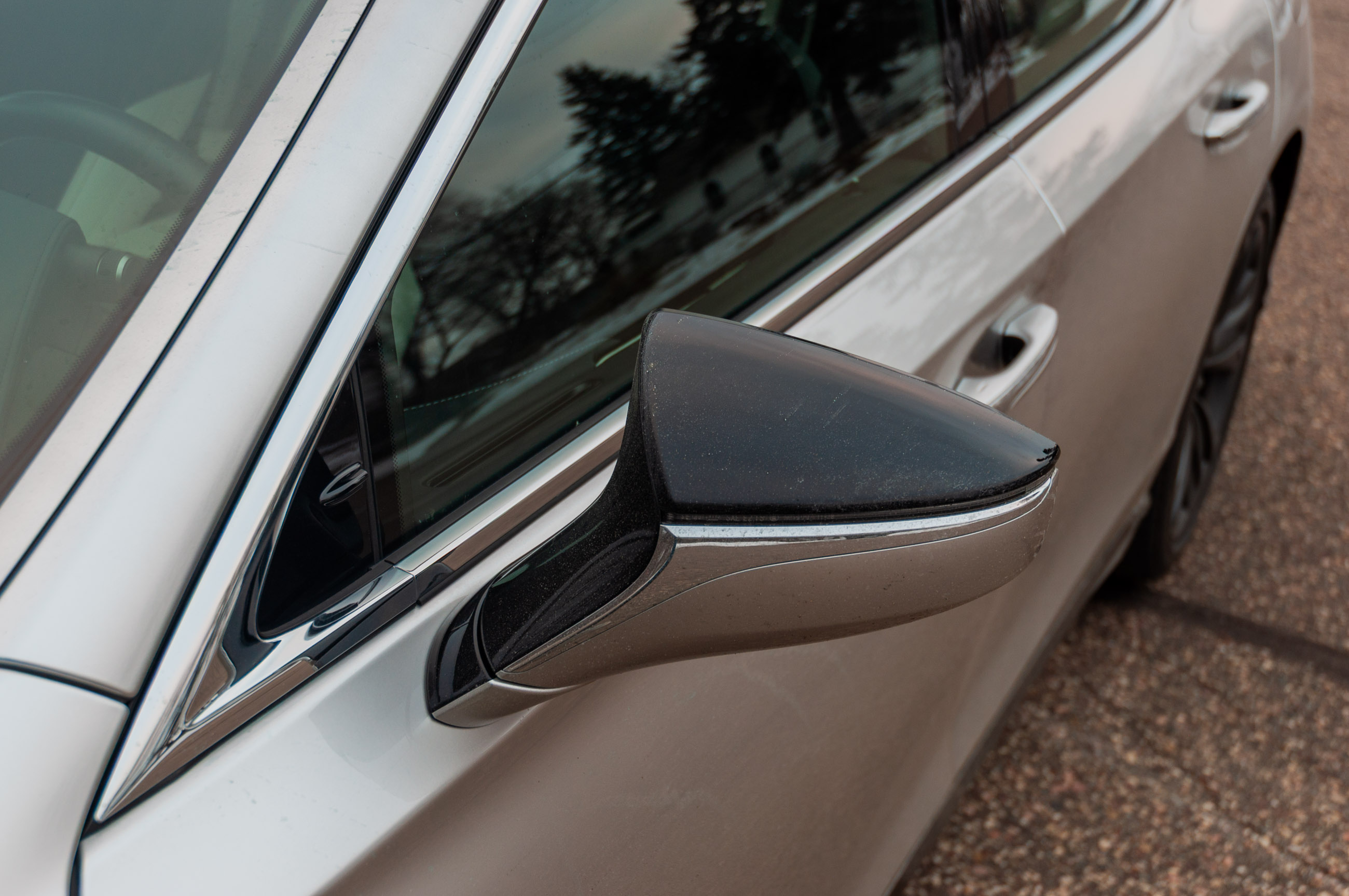
The current LS is elegant in an old-world, handcrafted way. But the mid-cycle enhancements toned down details such as the LED blades that split off the headlights like rays of light from a star; they are now gone. Little aero bits are all over the place, including off the sides of the taillight and side mirrors. Minor details. The taillight chrome surrounds and how they blend into the taillights, which taper as they wrap around the sides of the fender, feel precise. But none of this, especially the front end with the latest interpretation of the spindle grille, is elegant. And buyers in this segment aren’t looking for divisiveness, despite the automaker’s efforts to attract a younger demographic.
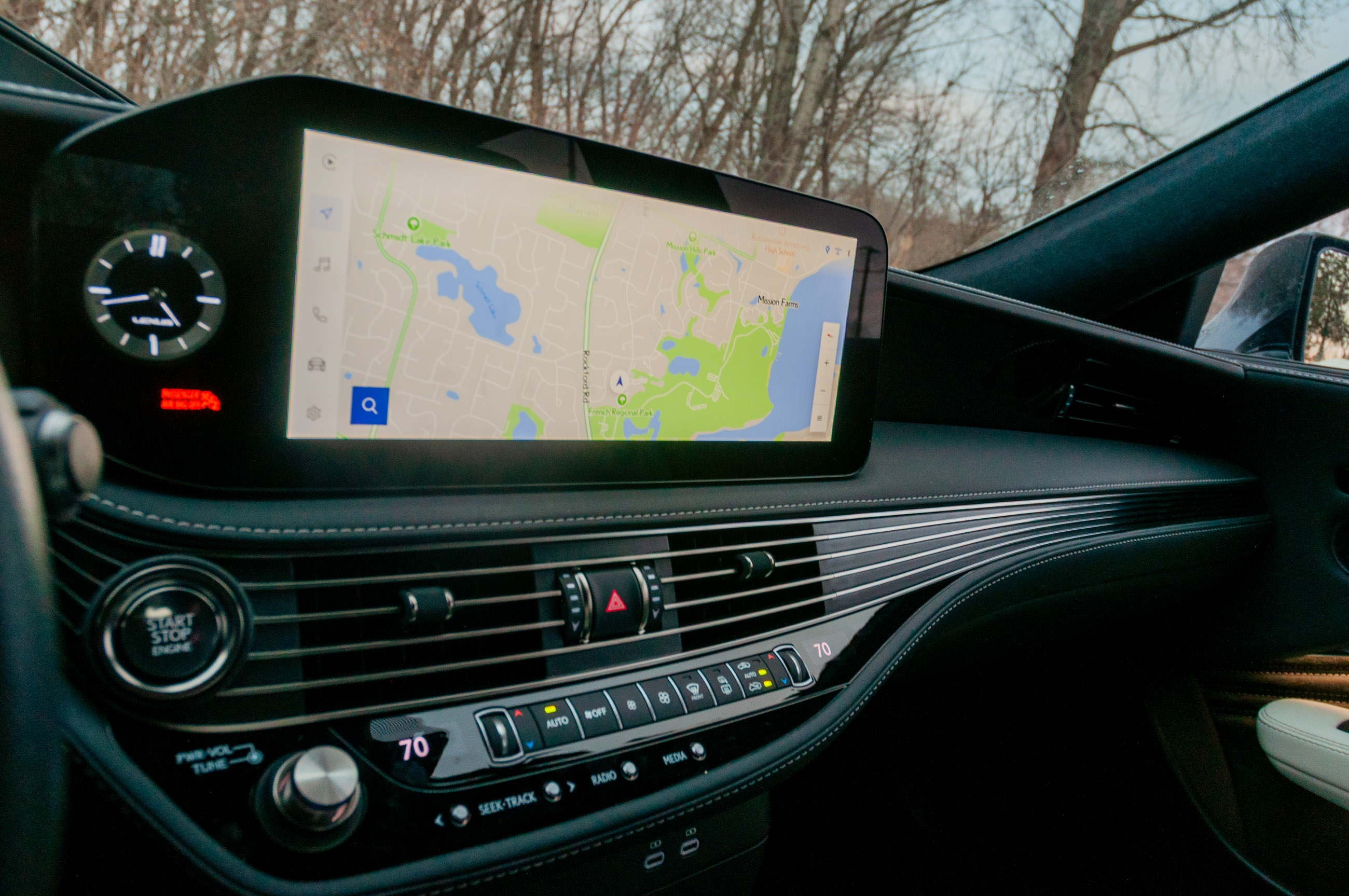
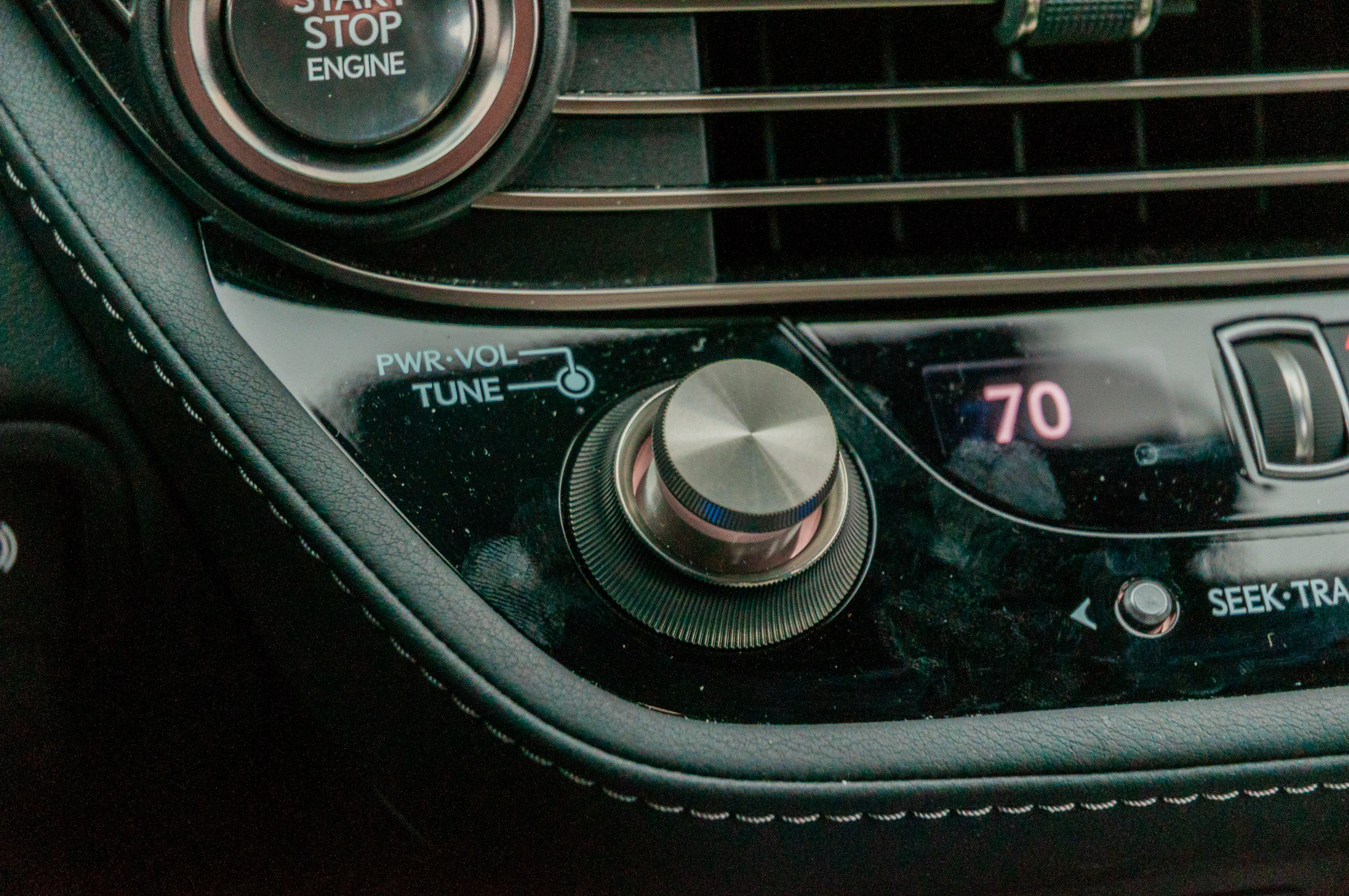
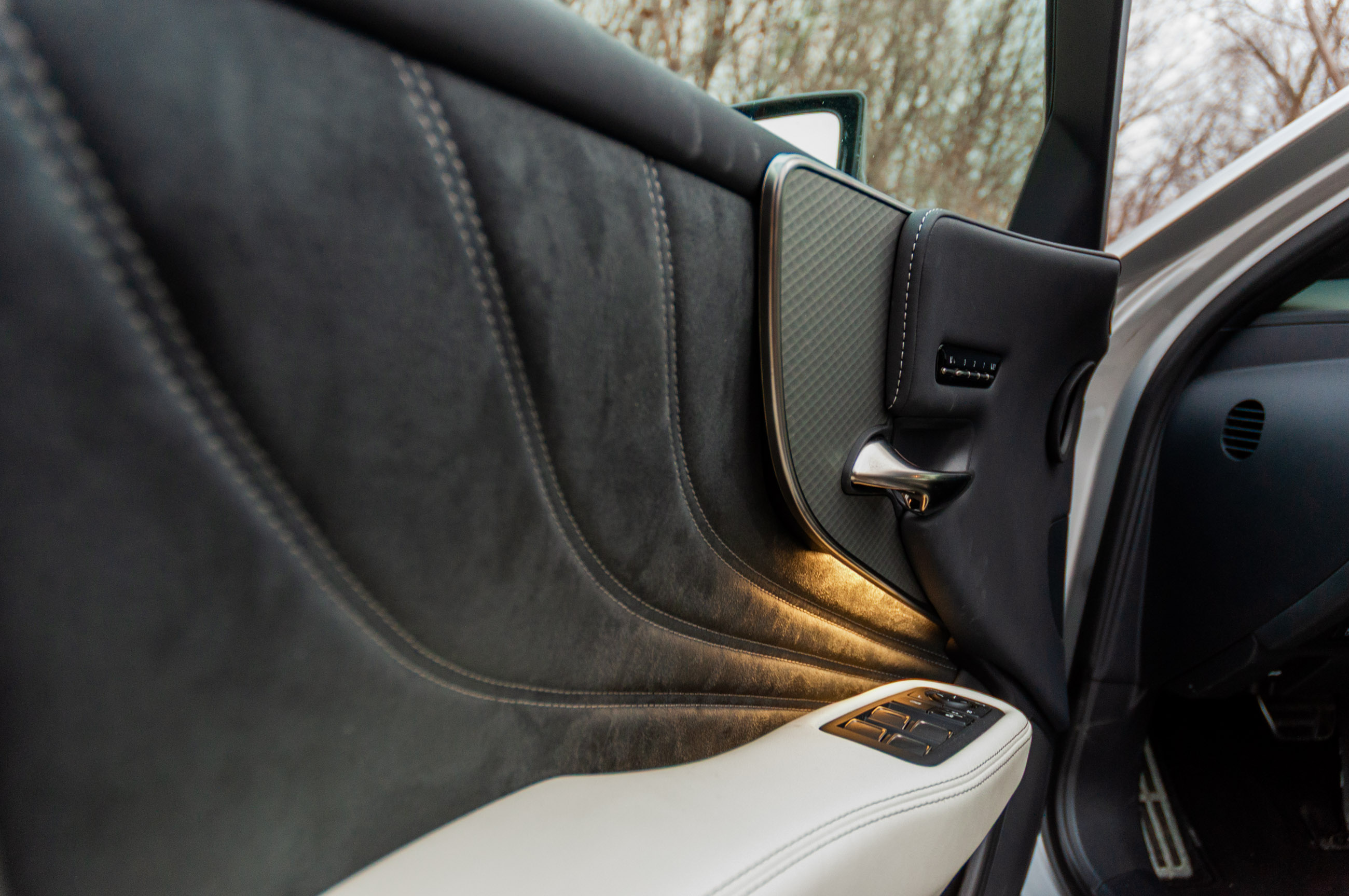
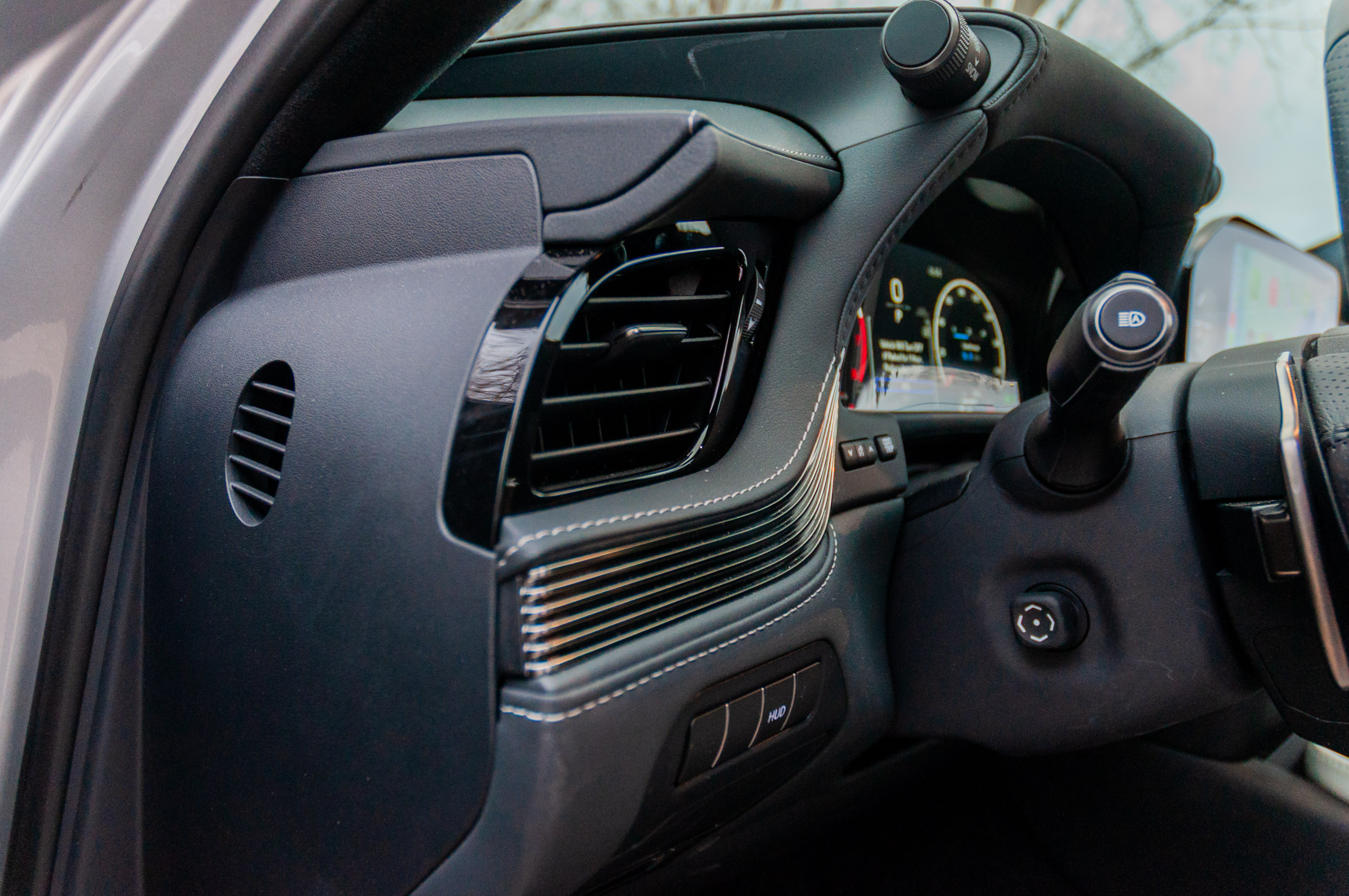
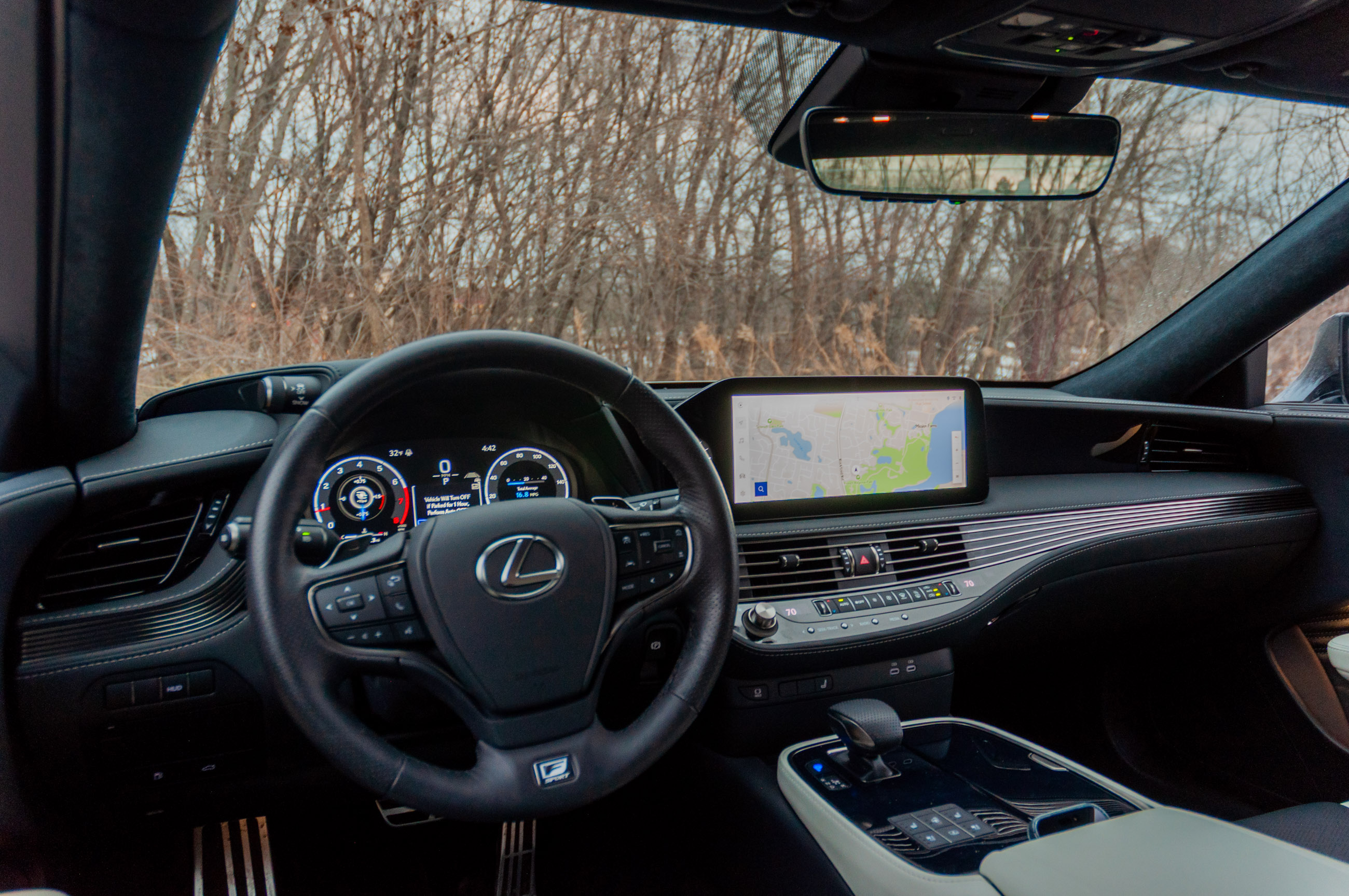
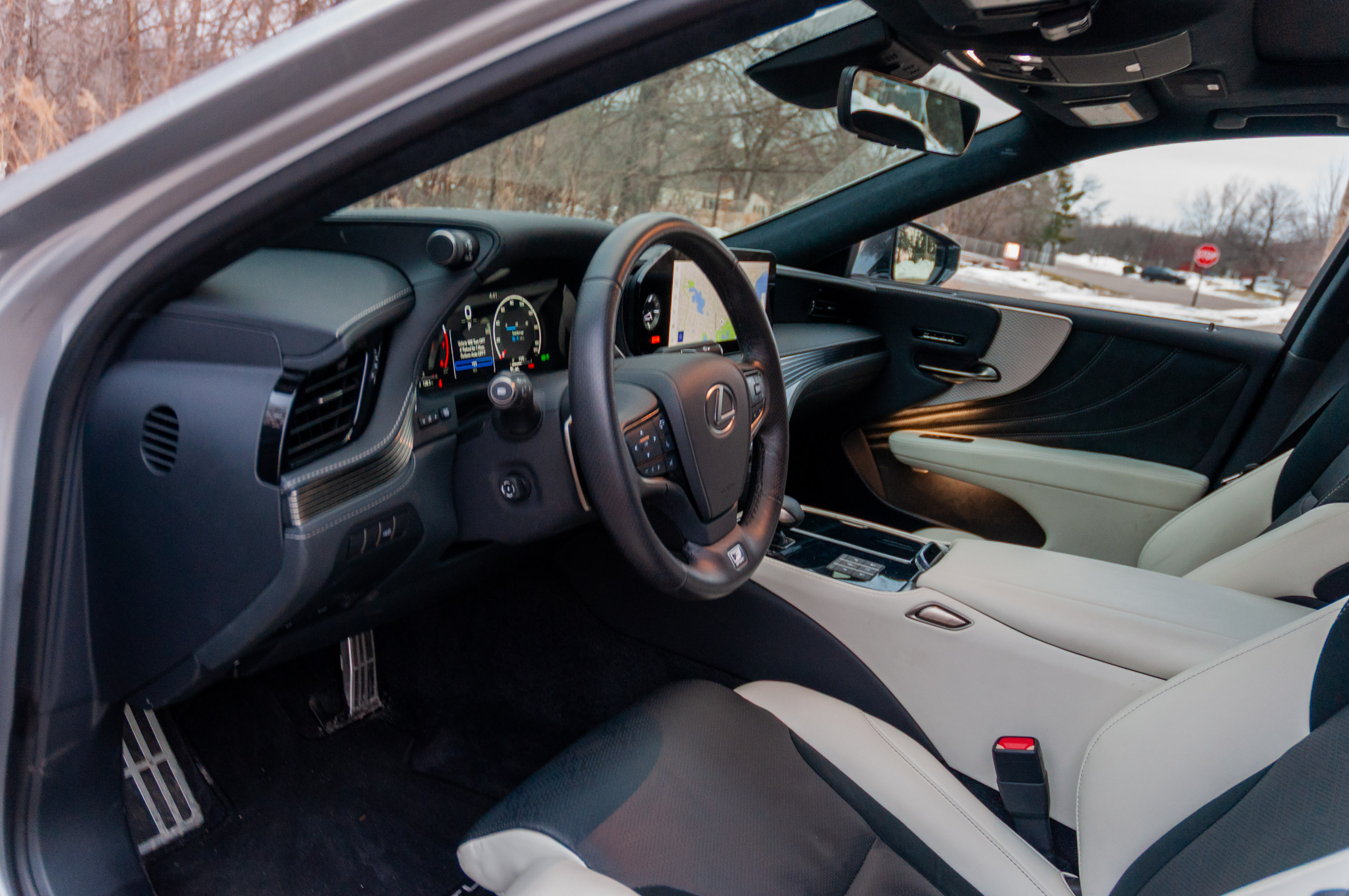
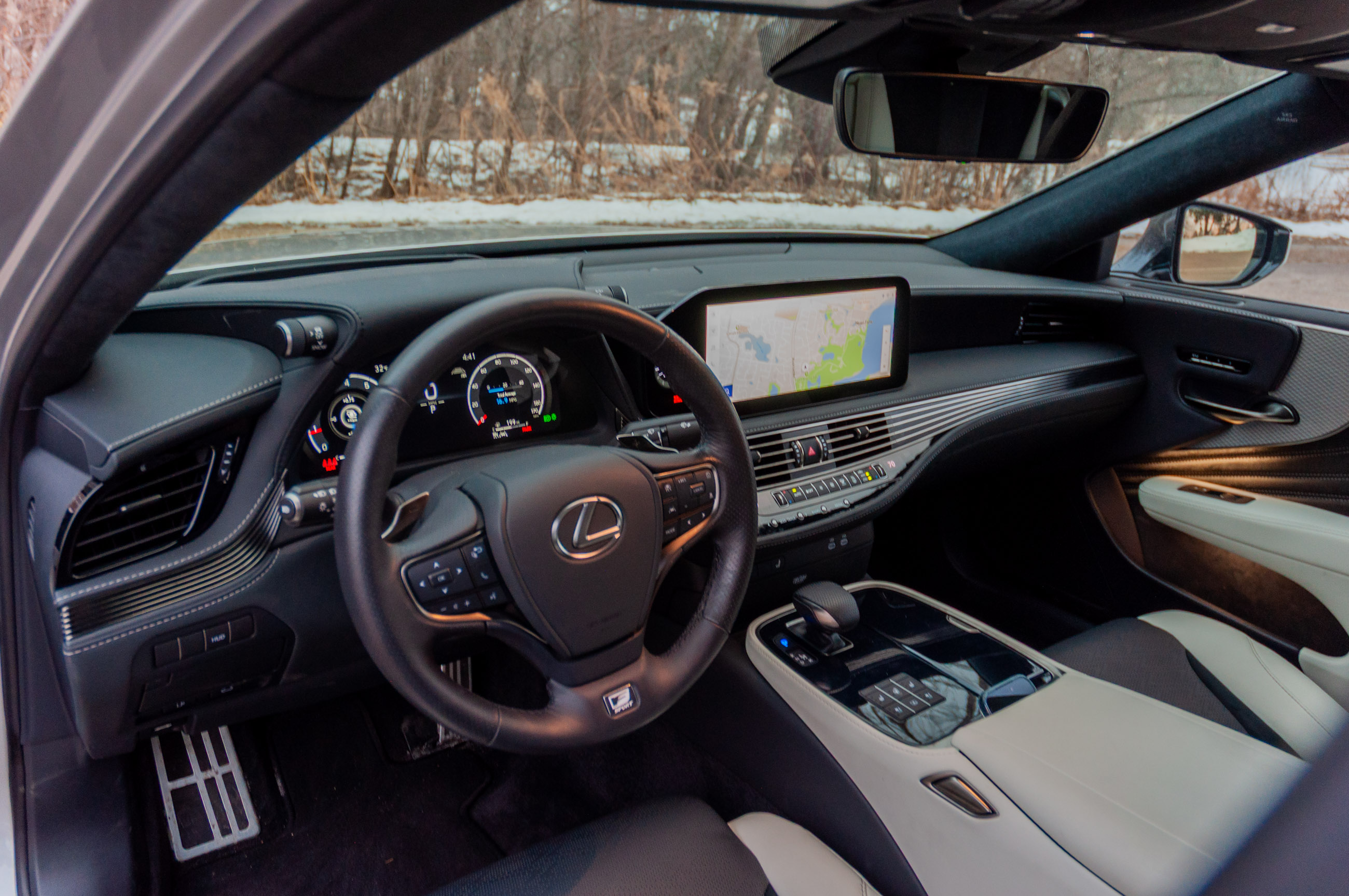
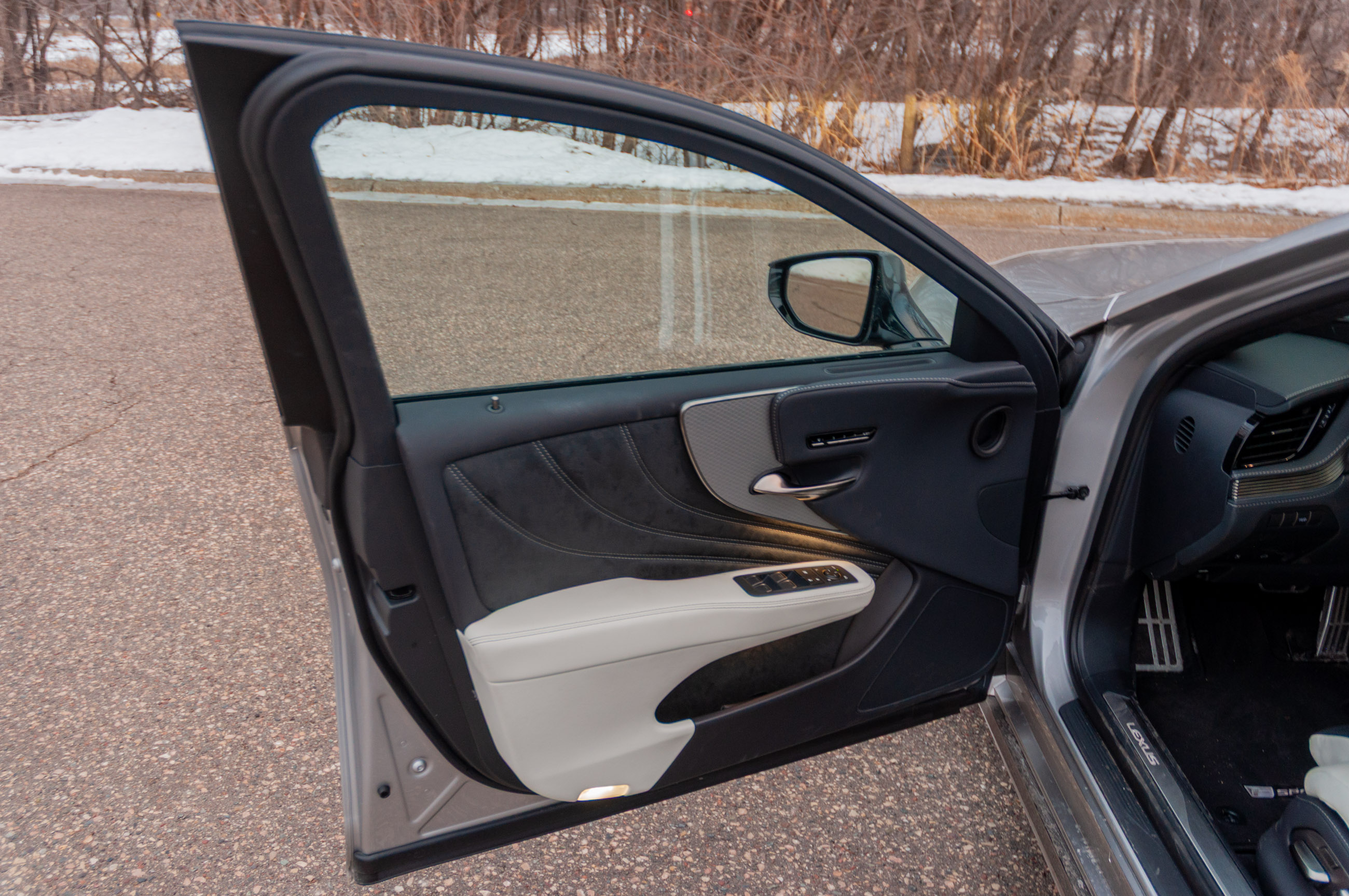
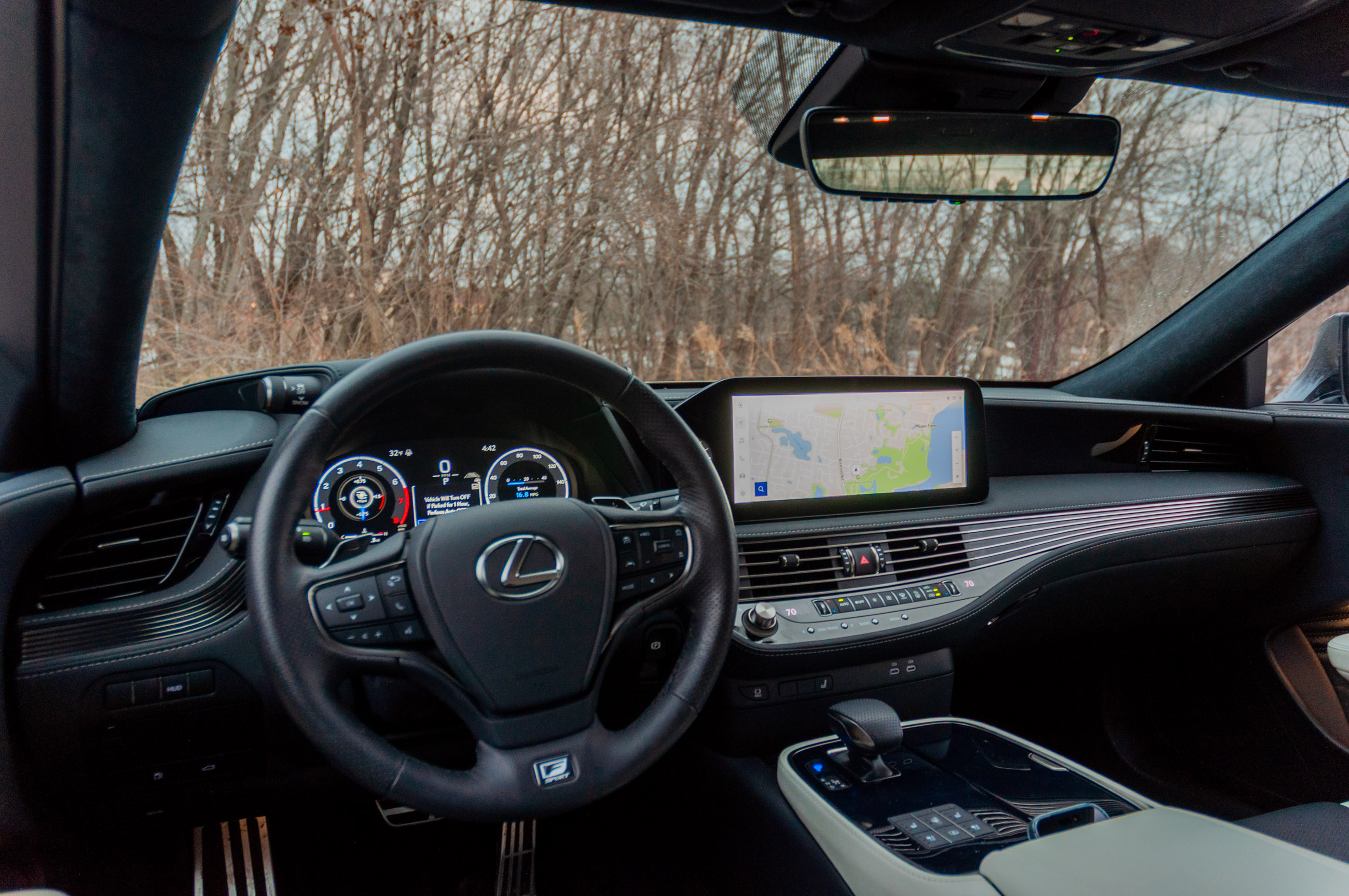
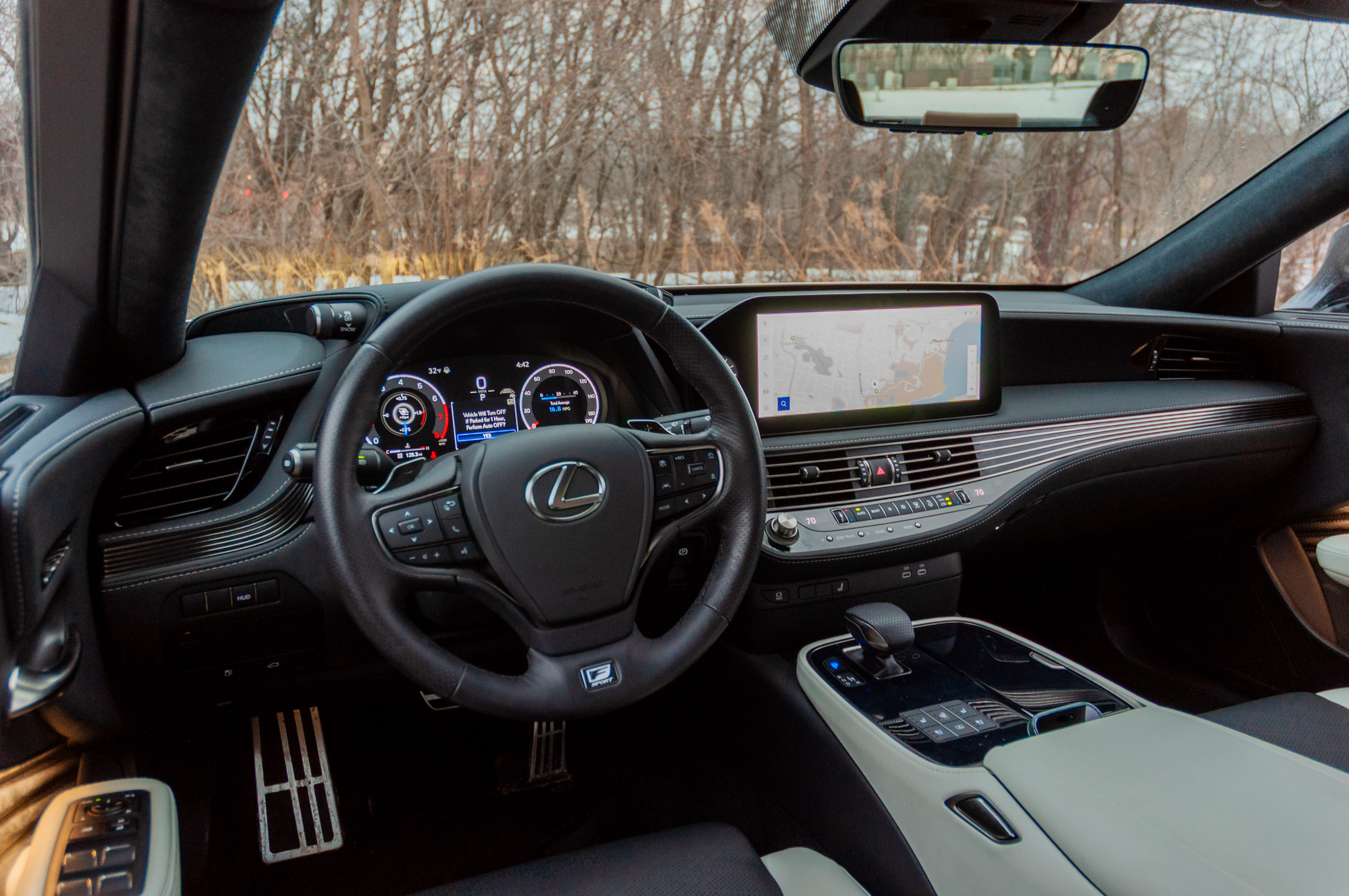
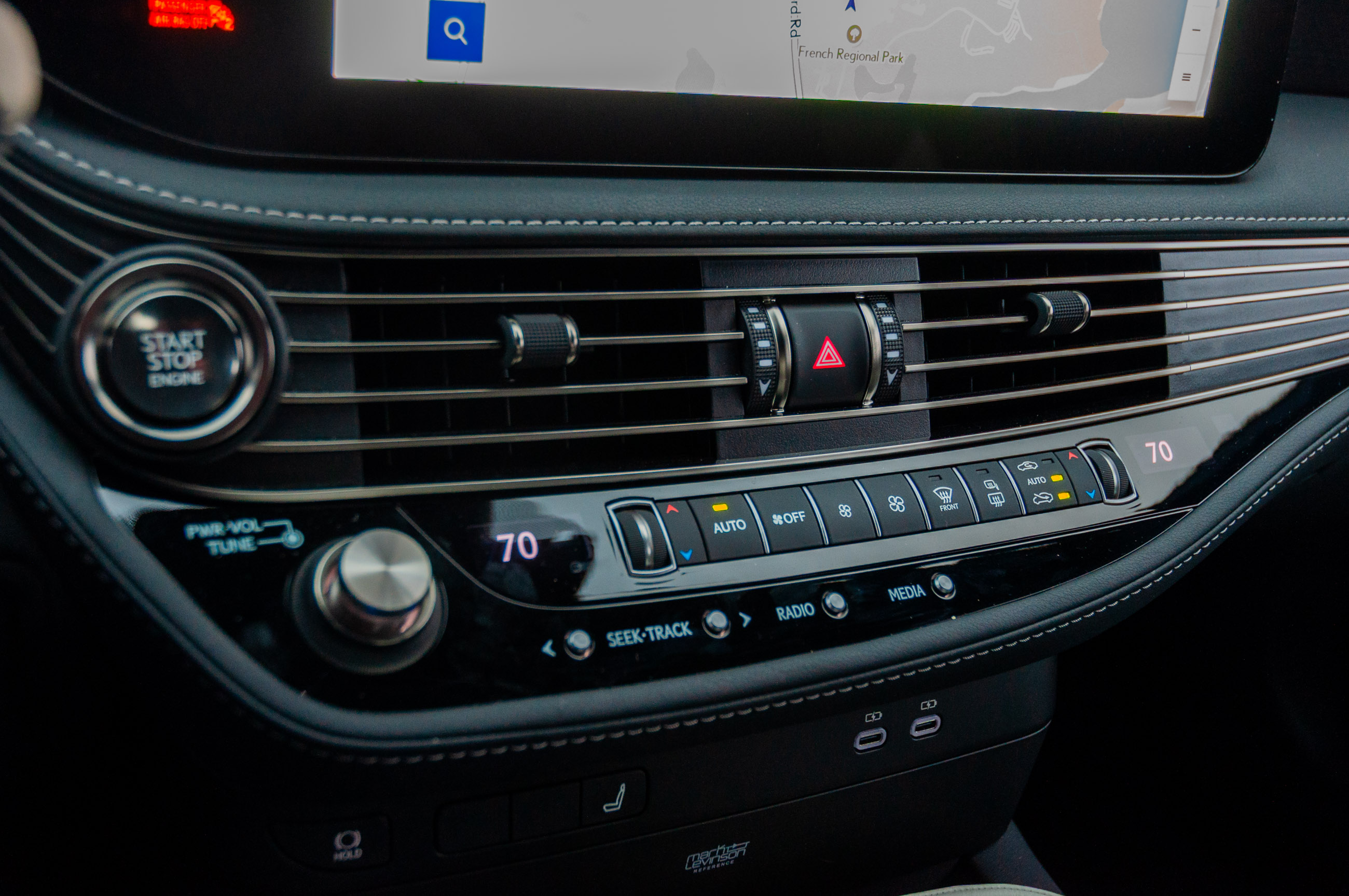
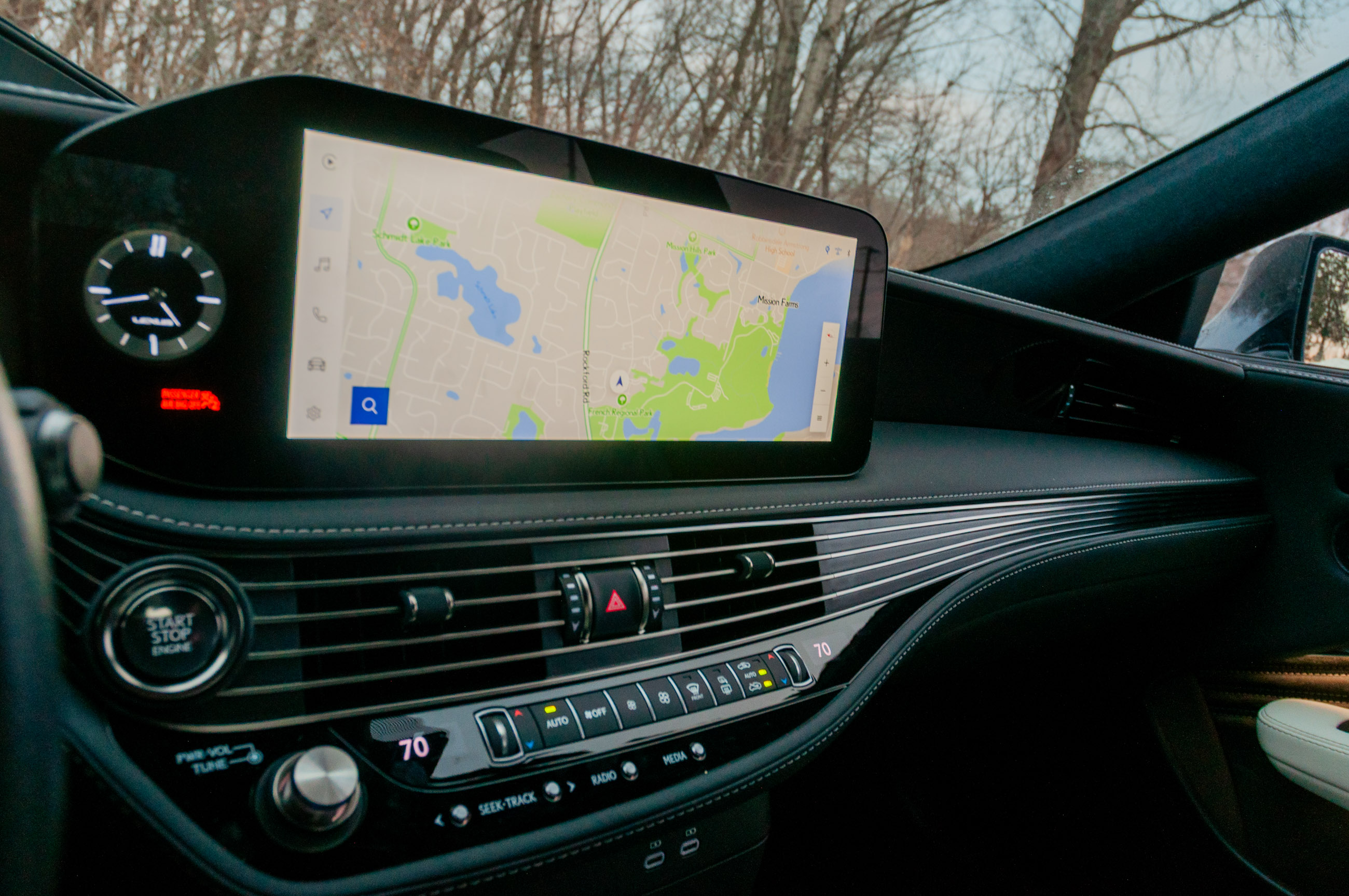
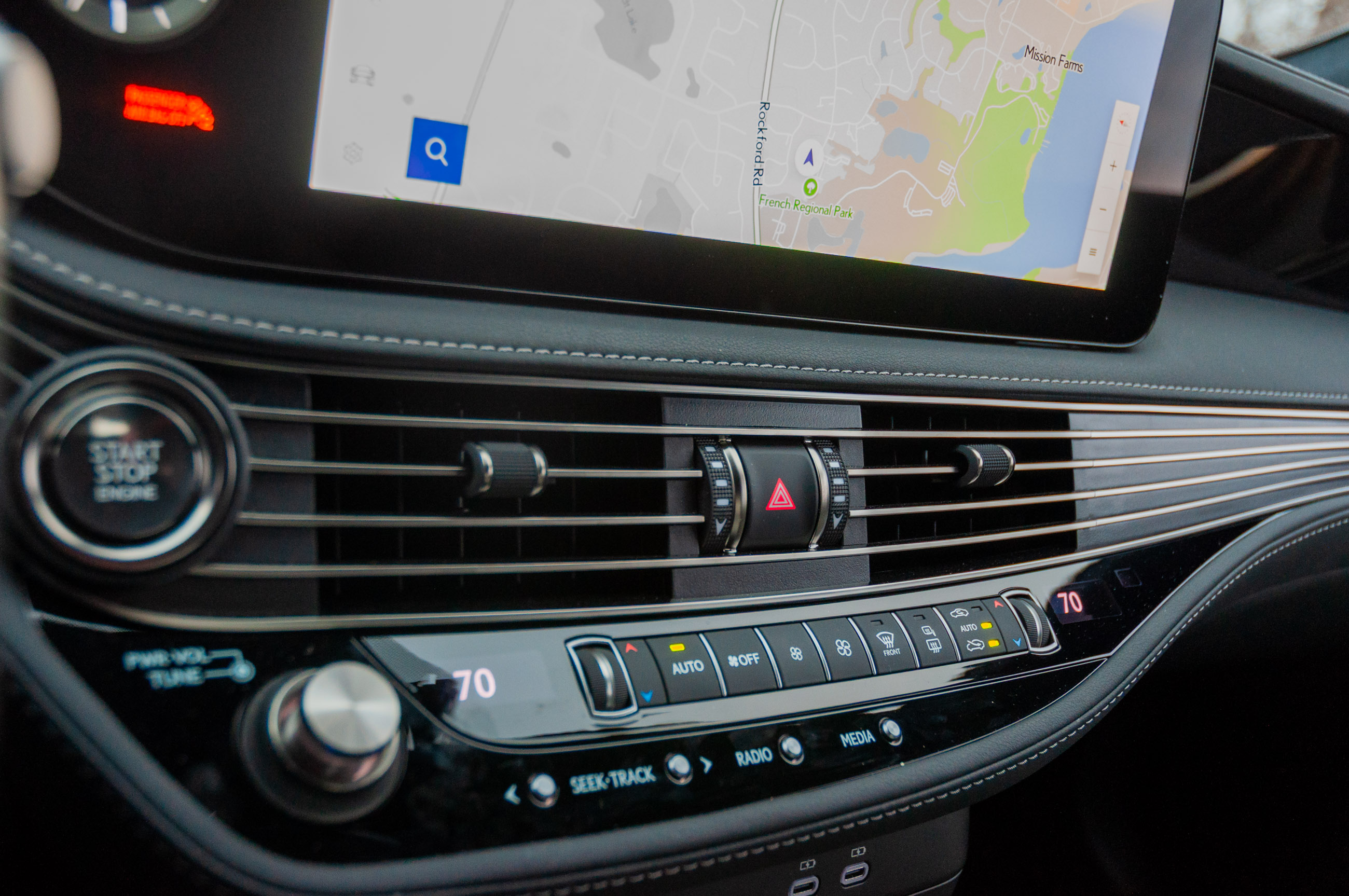
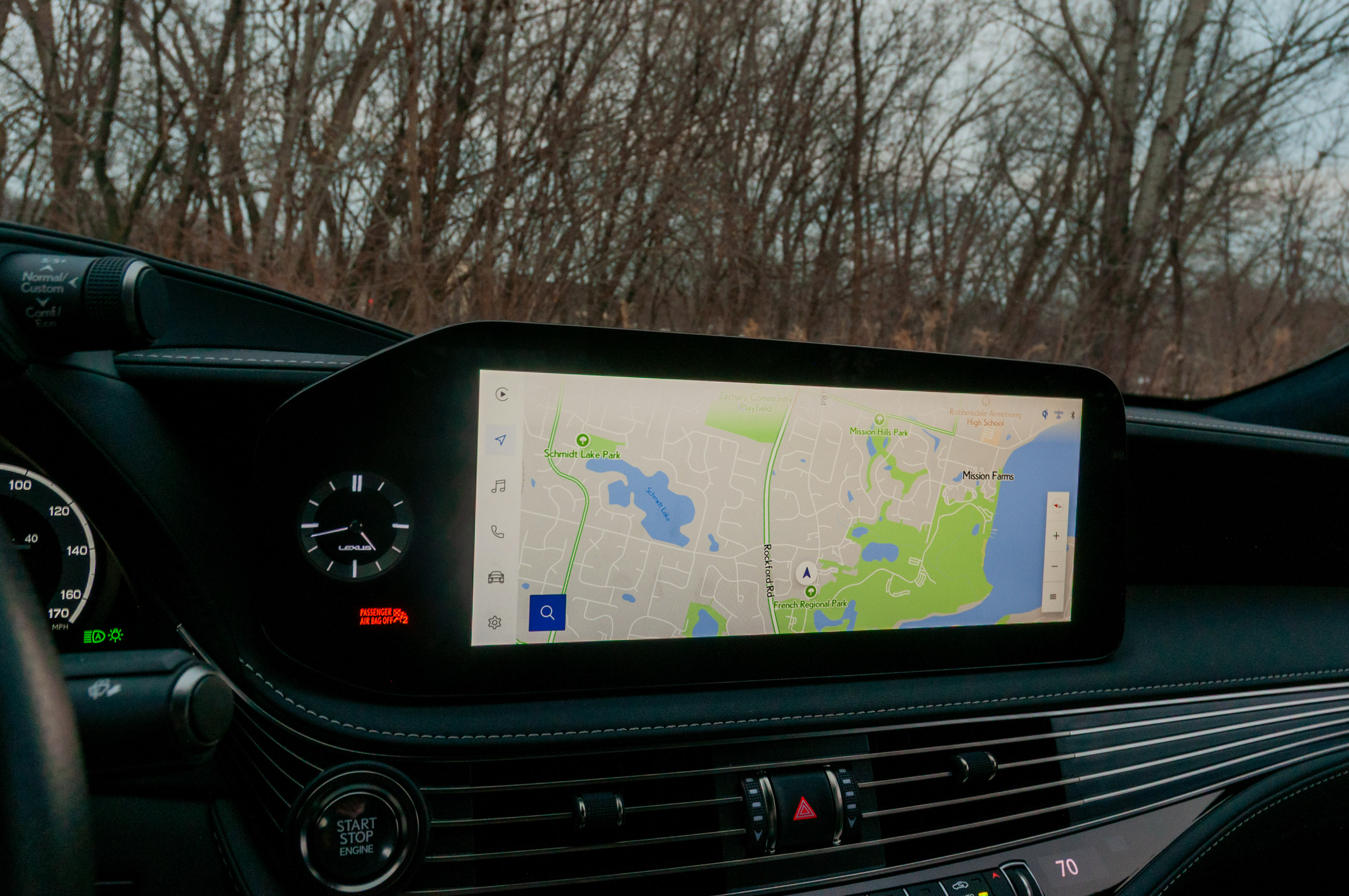
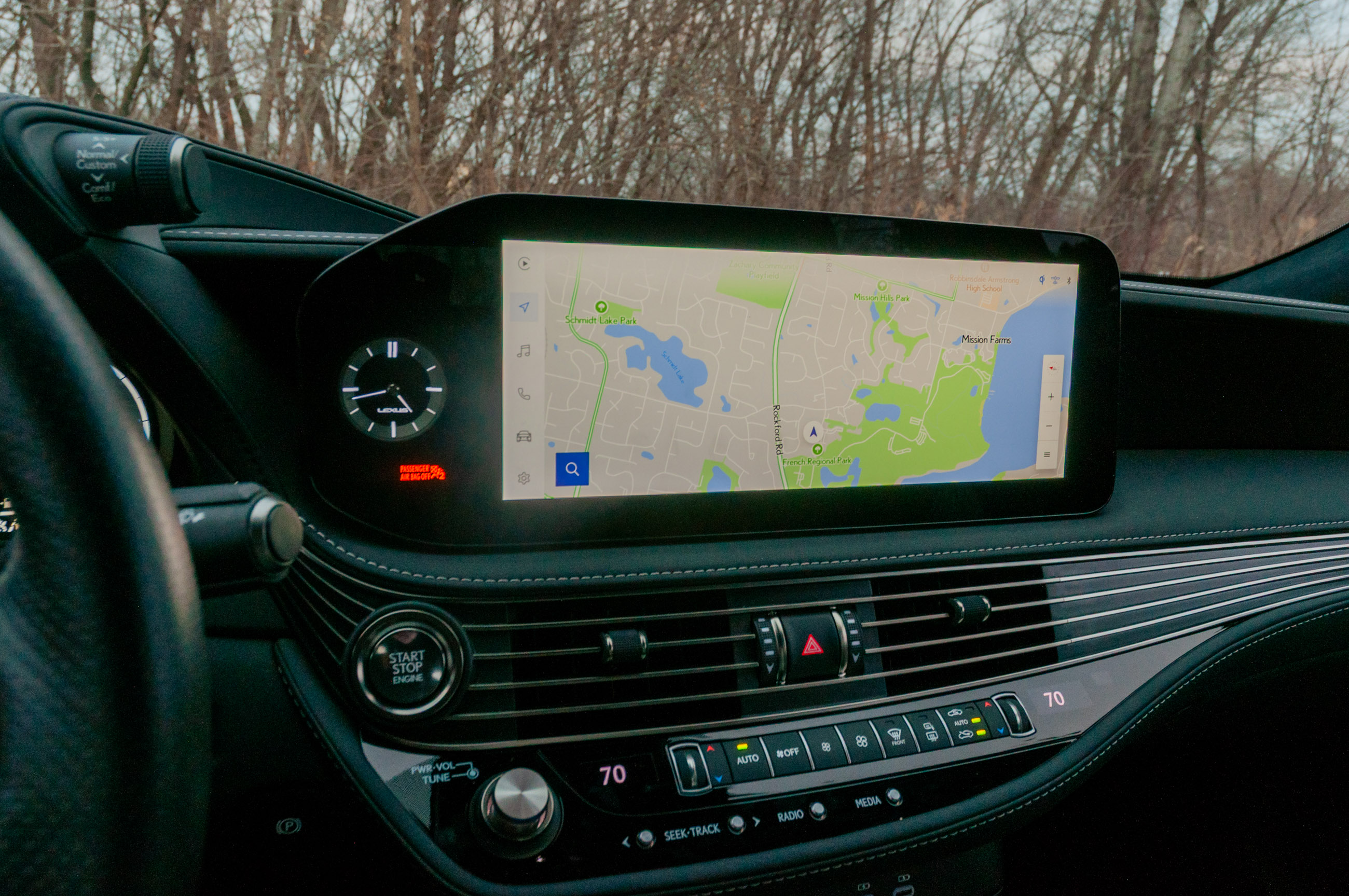
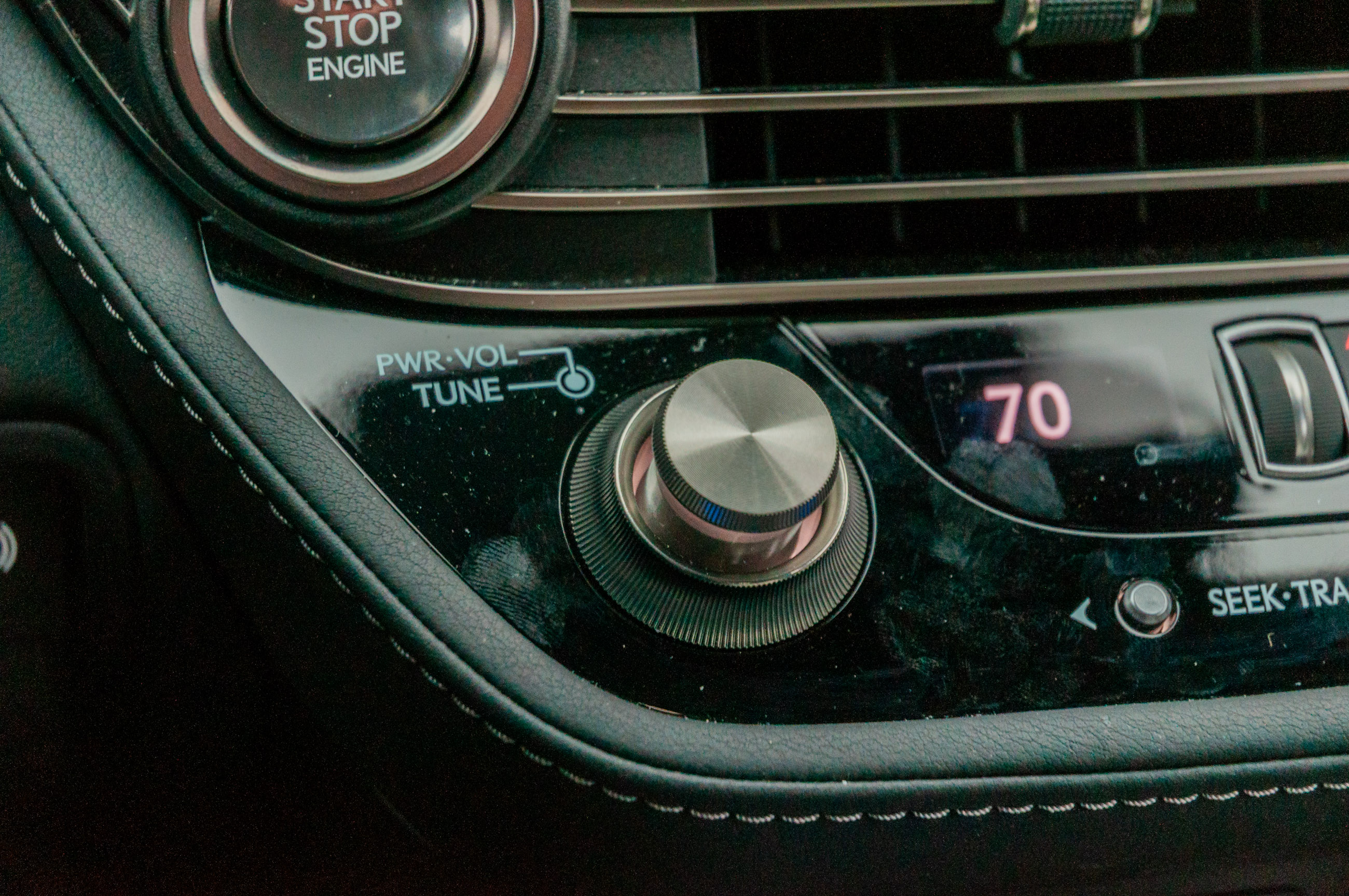
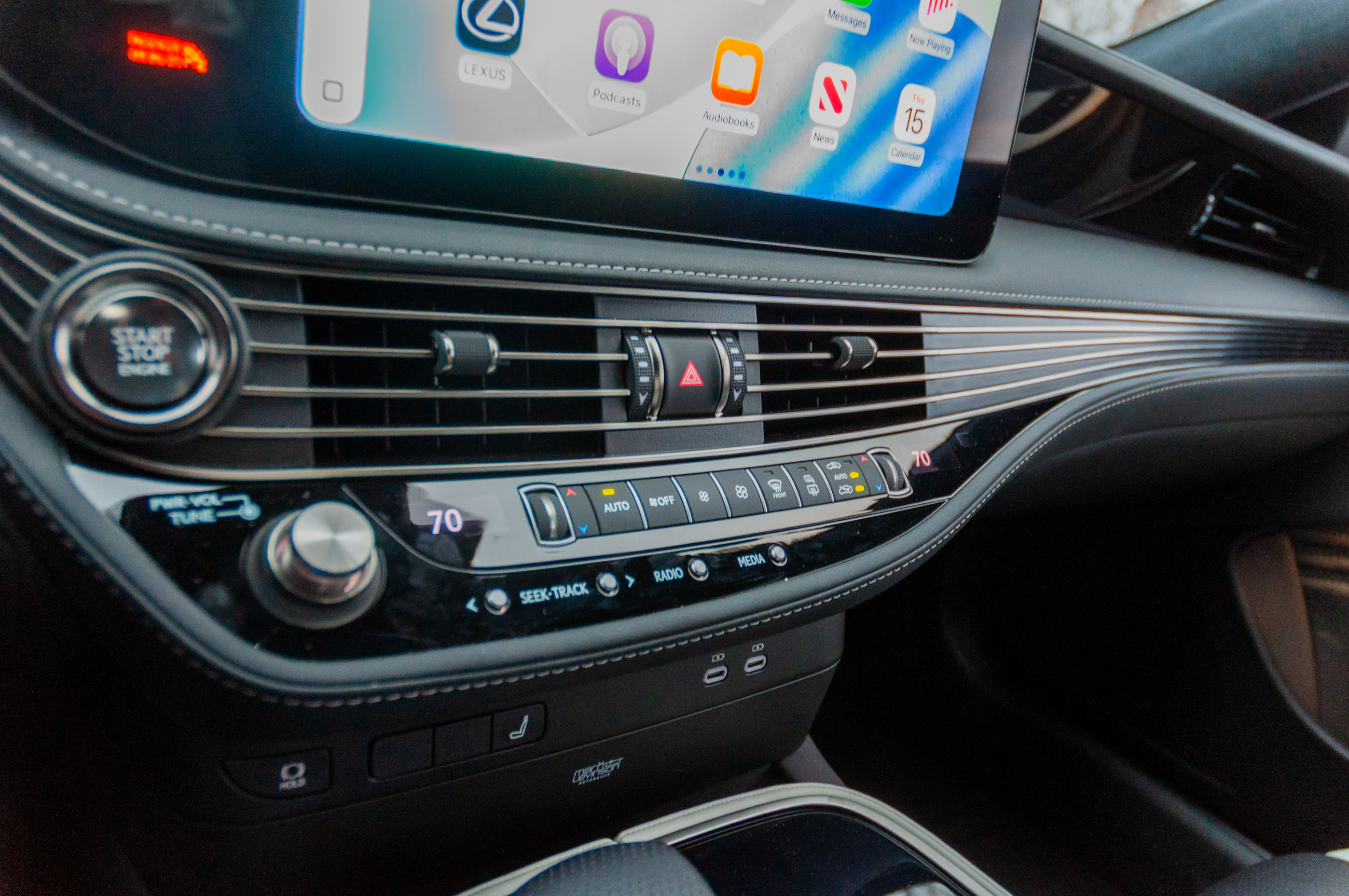
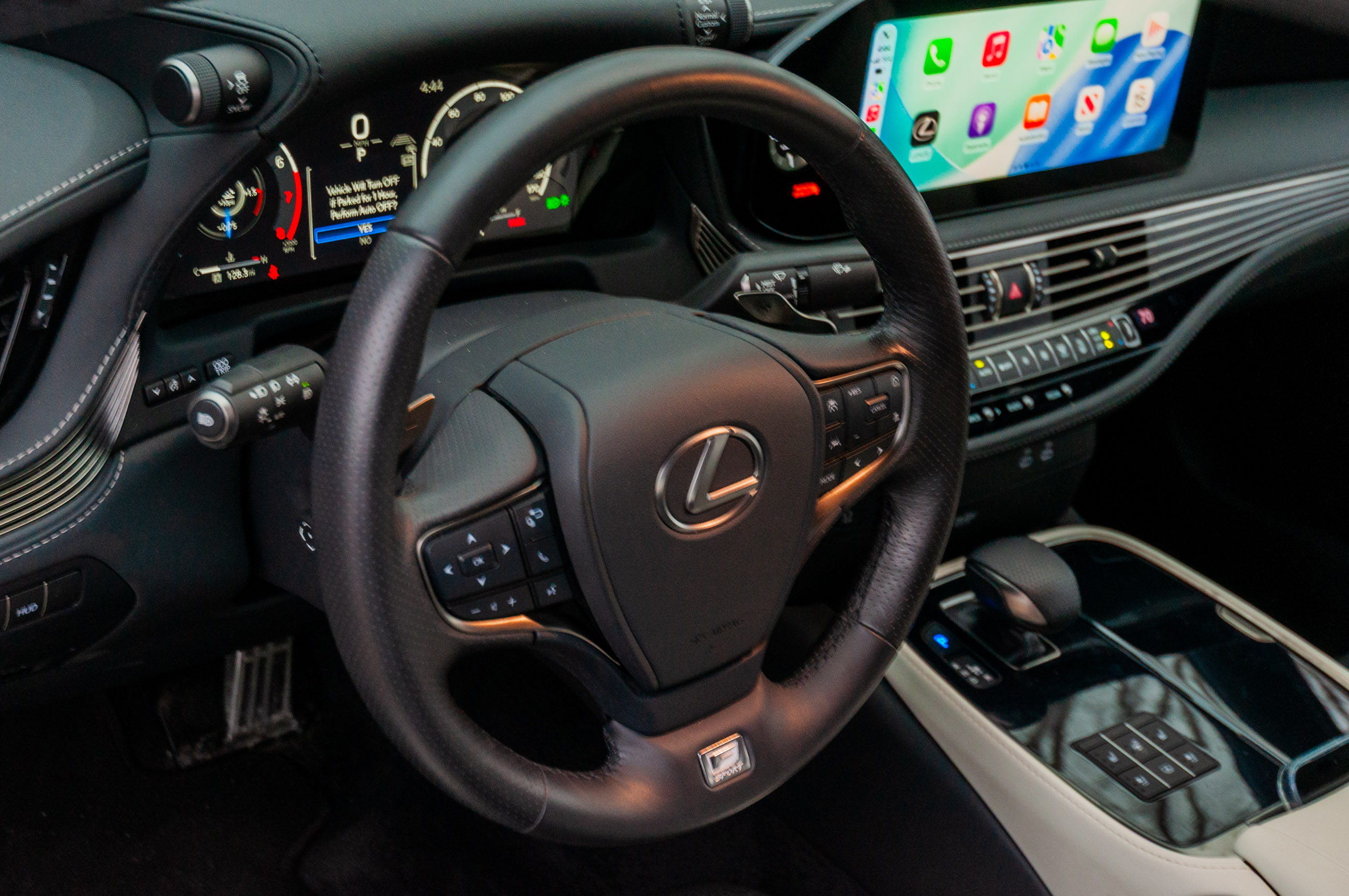
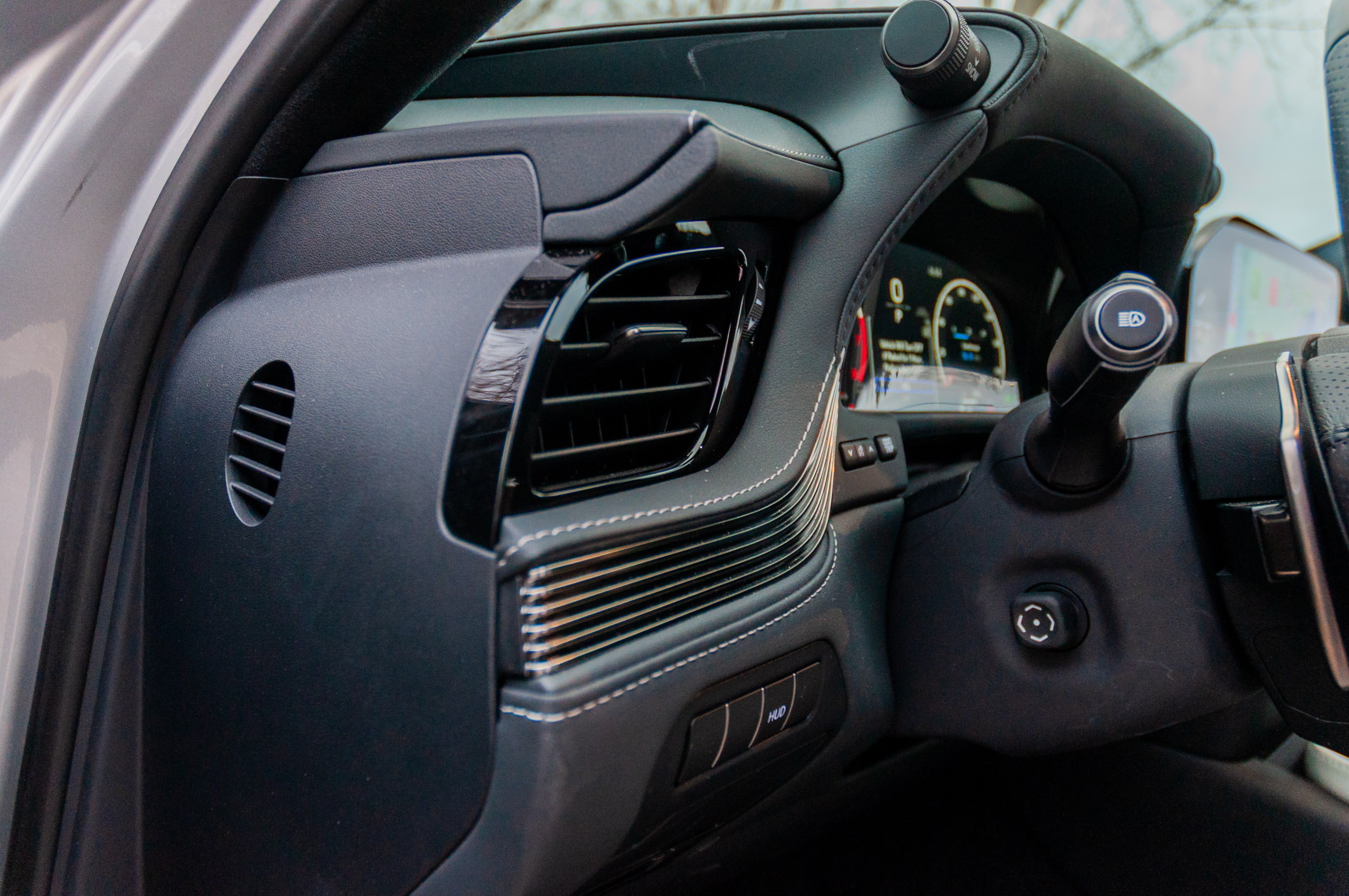
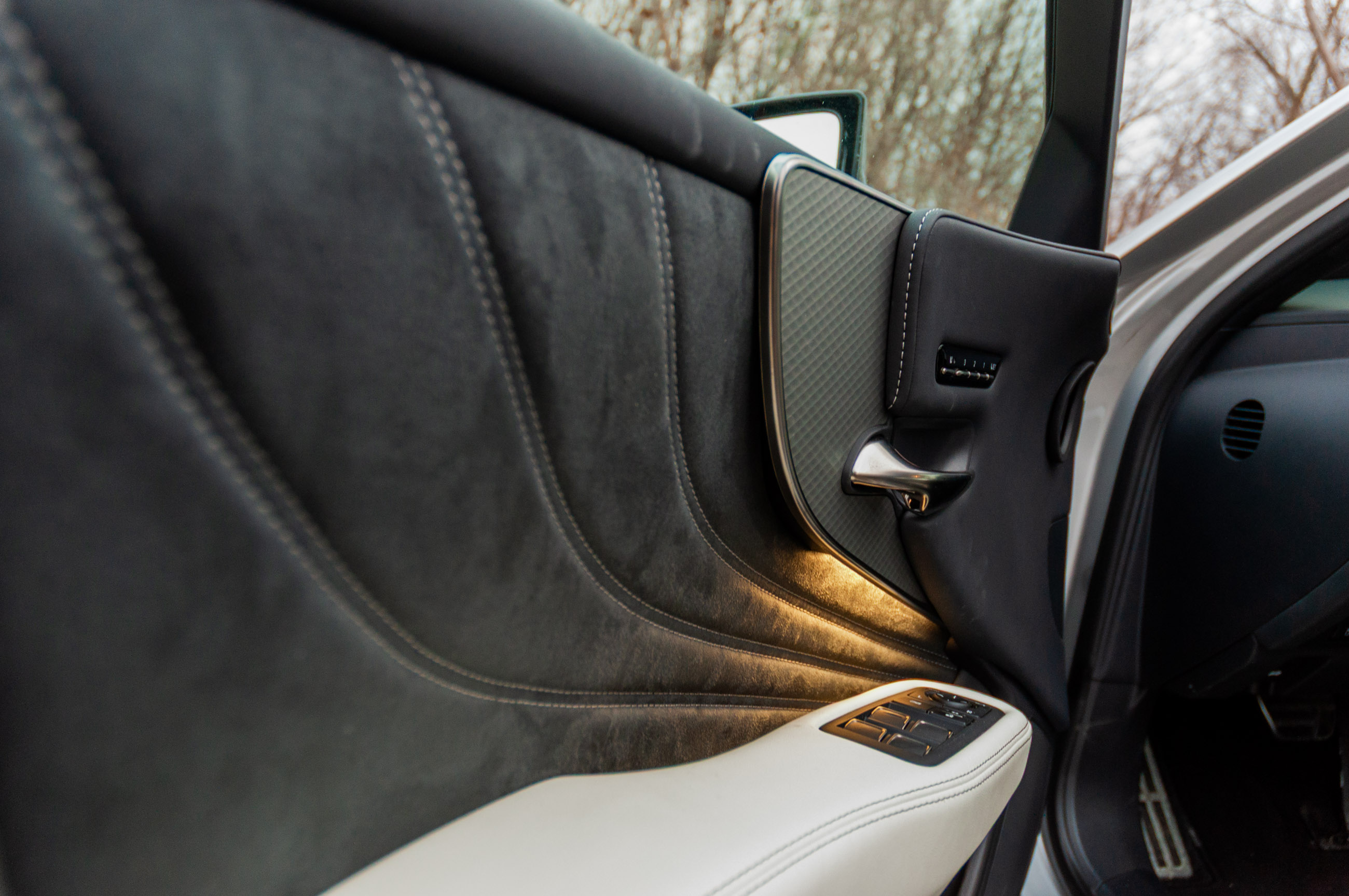
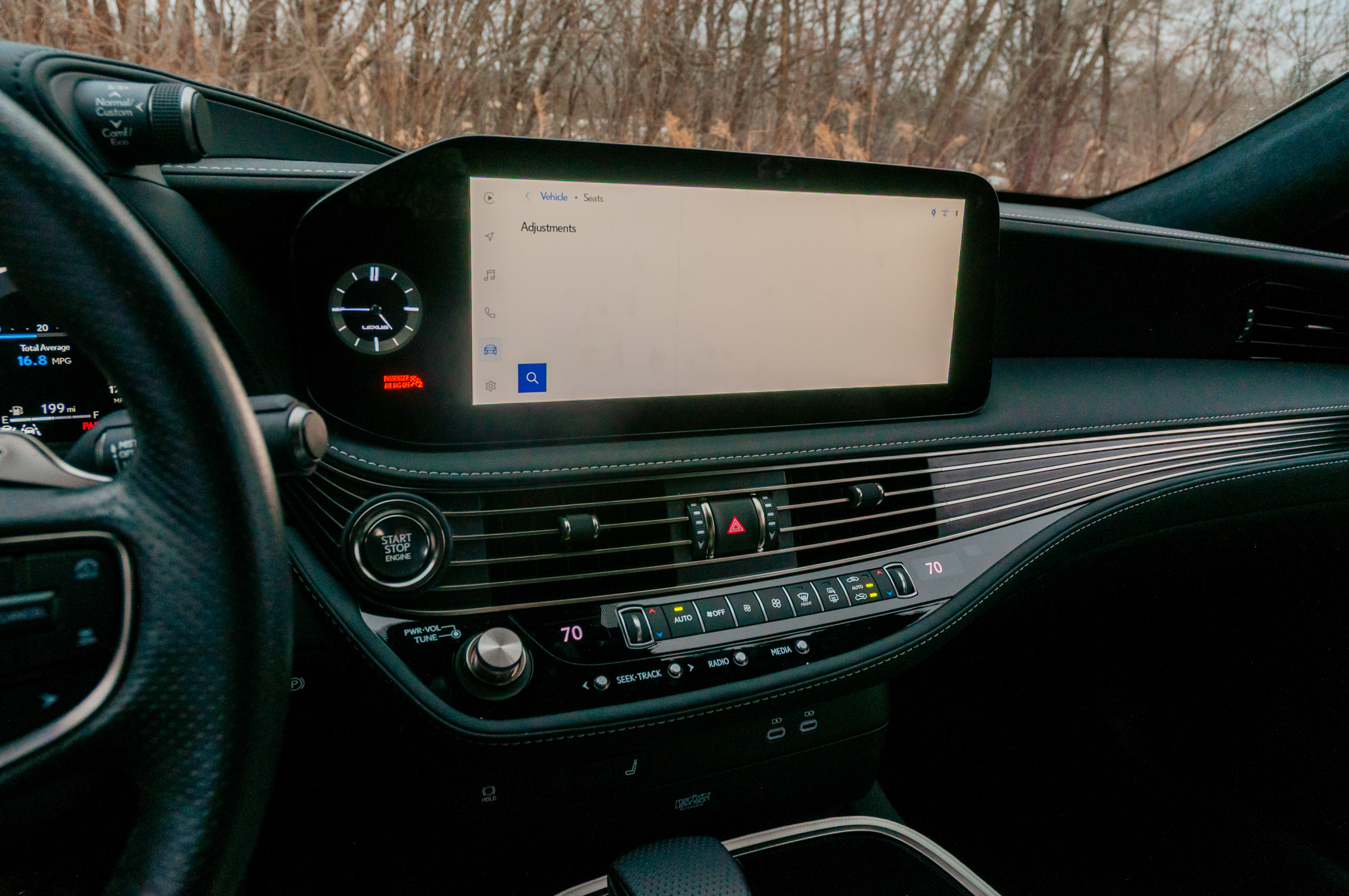
Inside, I encounter various issues. The door panels are a work of art, crafted by Japanese artisans, with a layered design that almost unfolds like a flower. The buttons and knobs on the dashboard click and move with a fluidity that isn’t found in the current S-Class, which notably lacks buttons and knobs in its mostly touchscreen layout. The leather is soft, and the stitching is all a work of Japanese art. I adore the metal strakes that span the dashboard. But then, things start getting confusing.
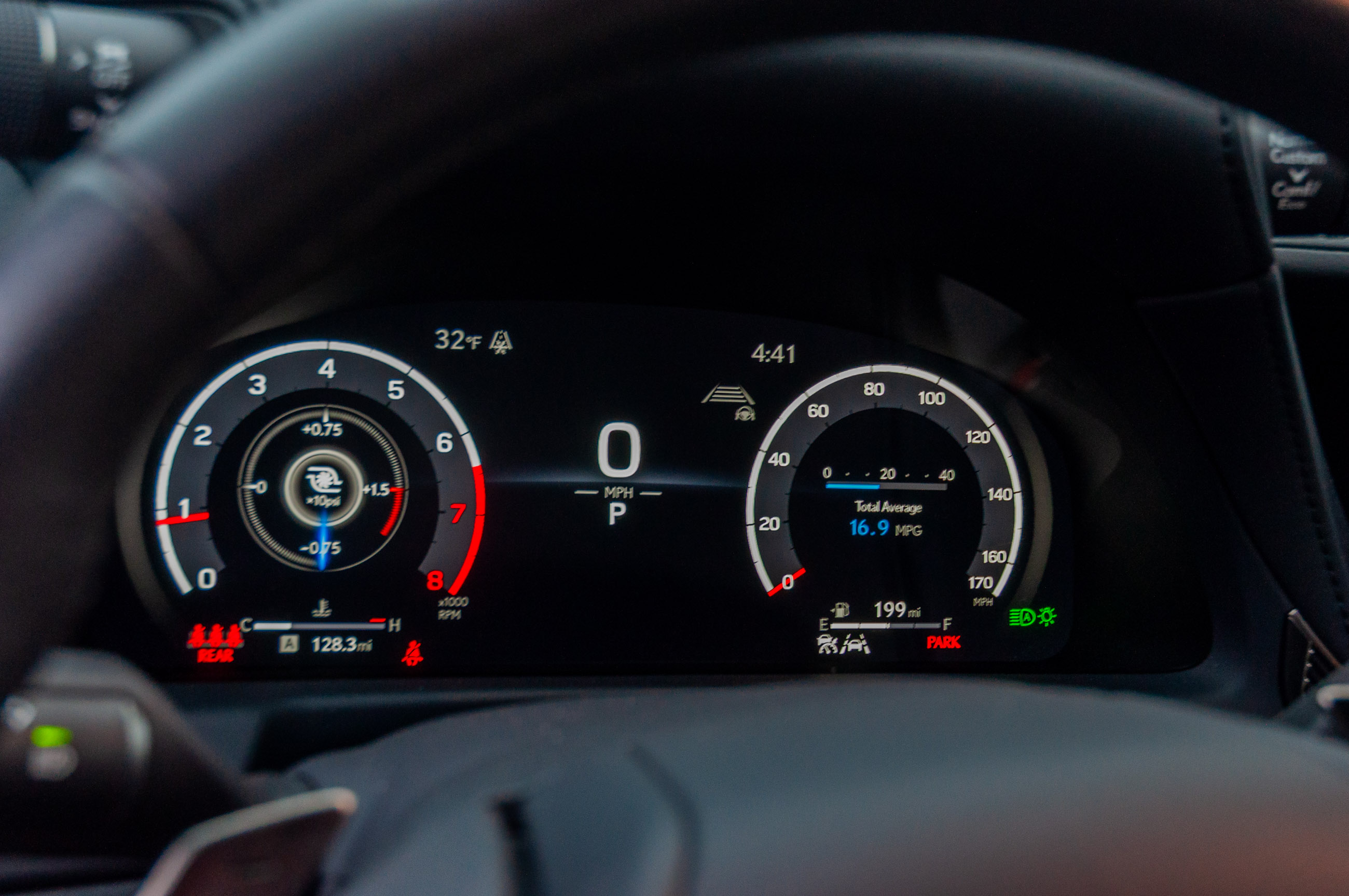
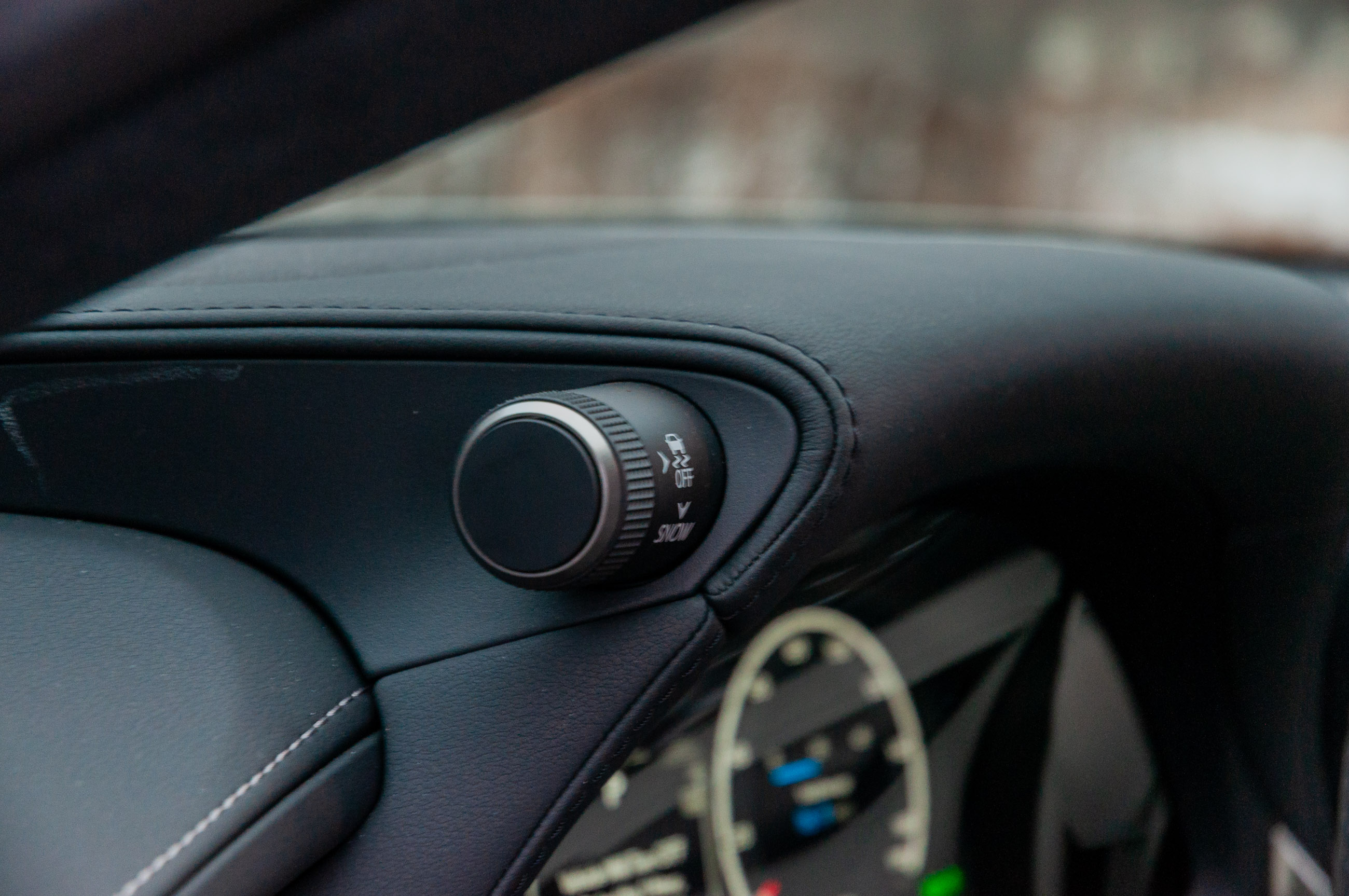
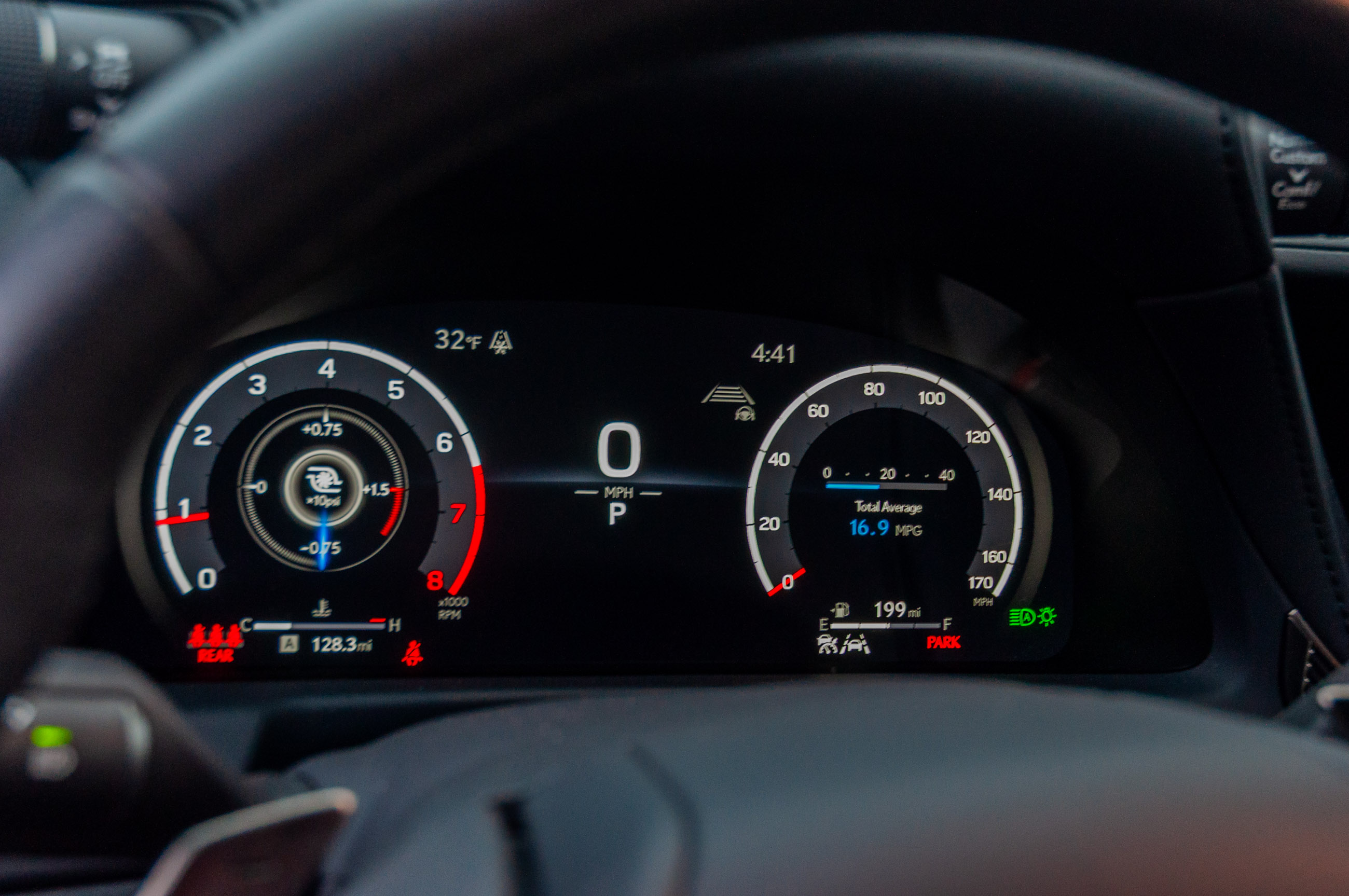
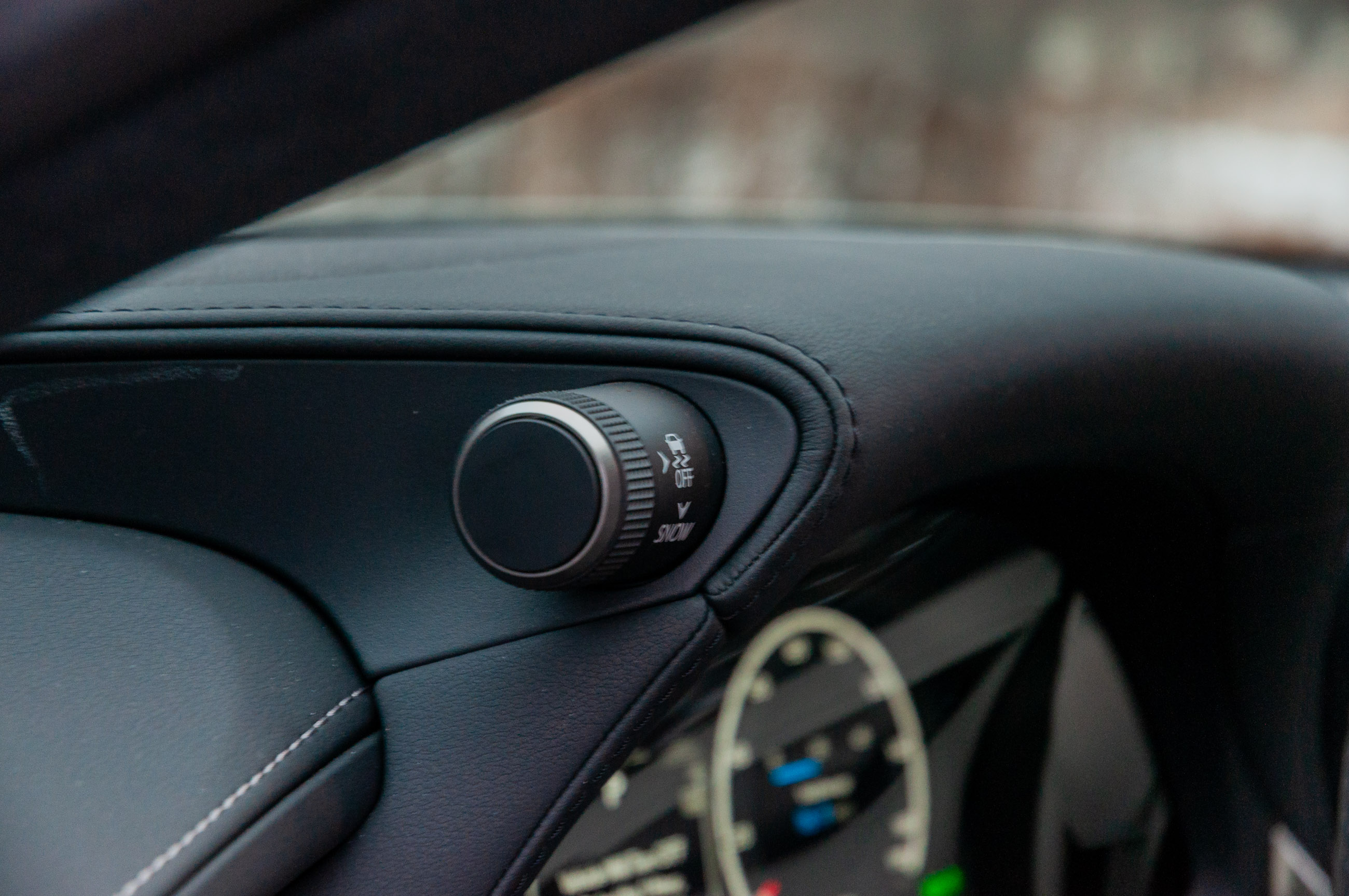
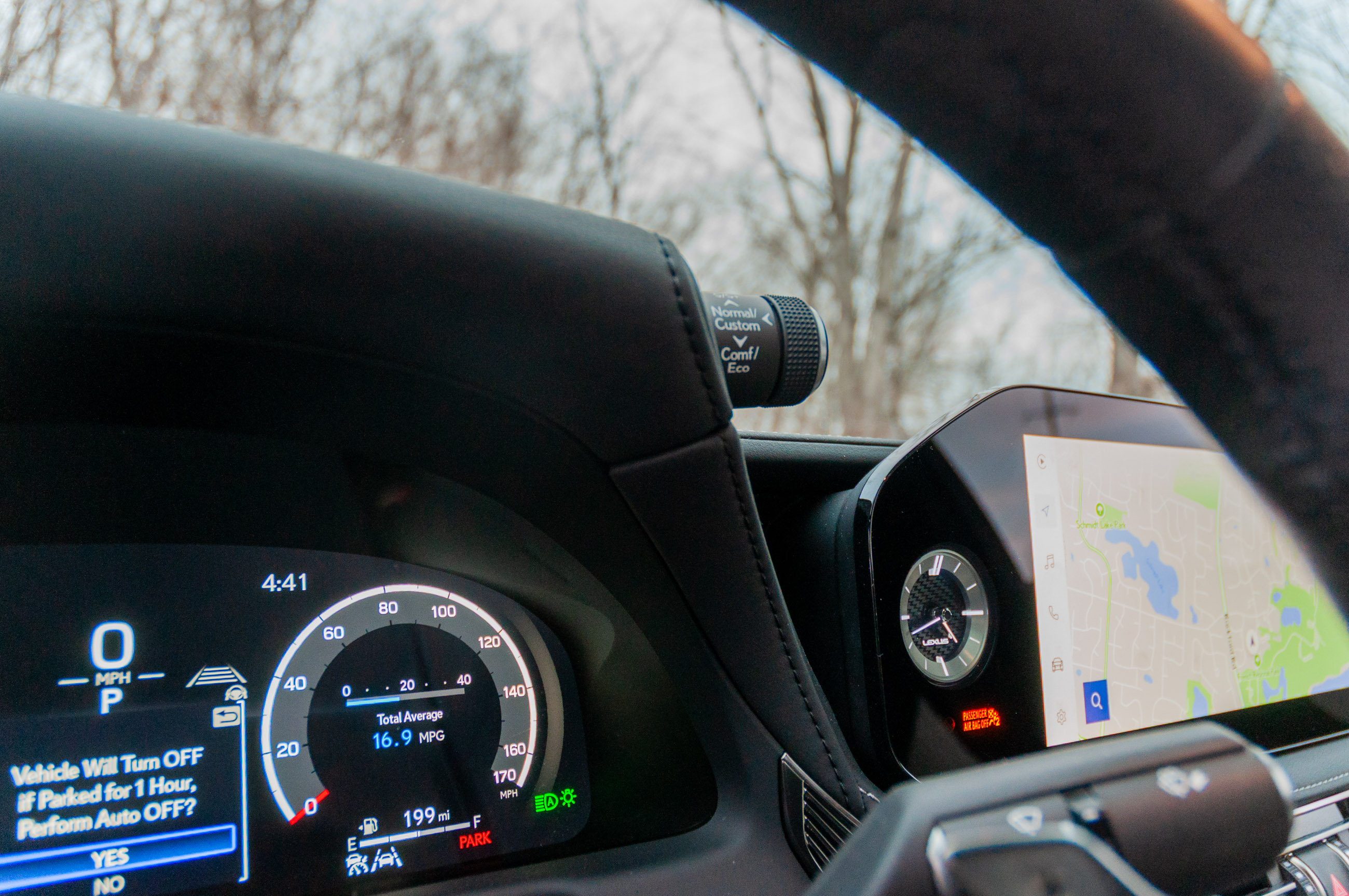
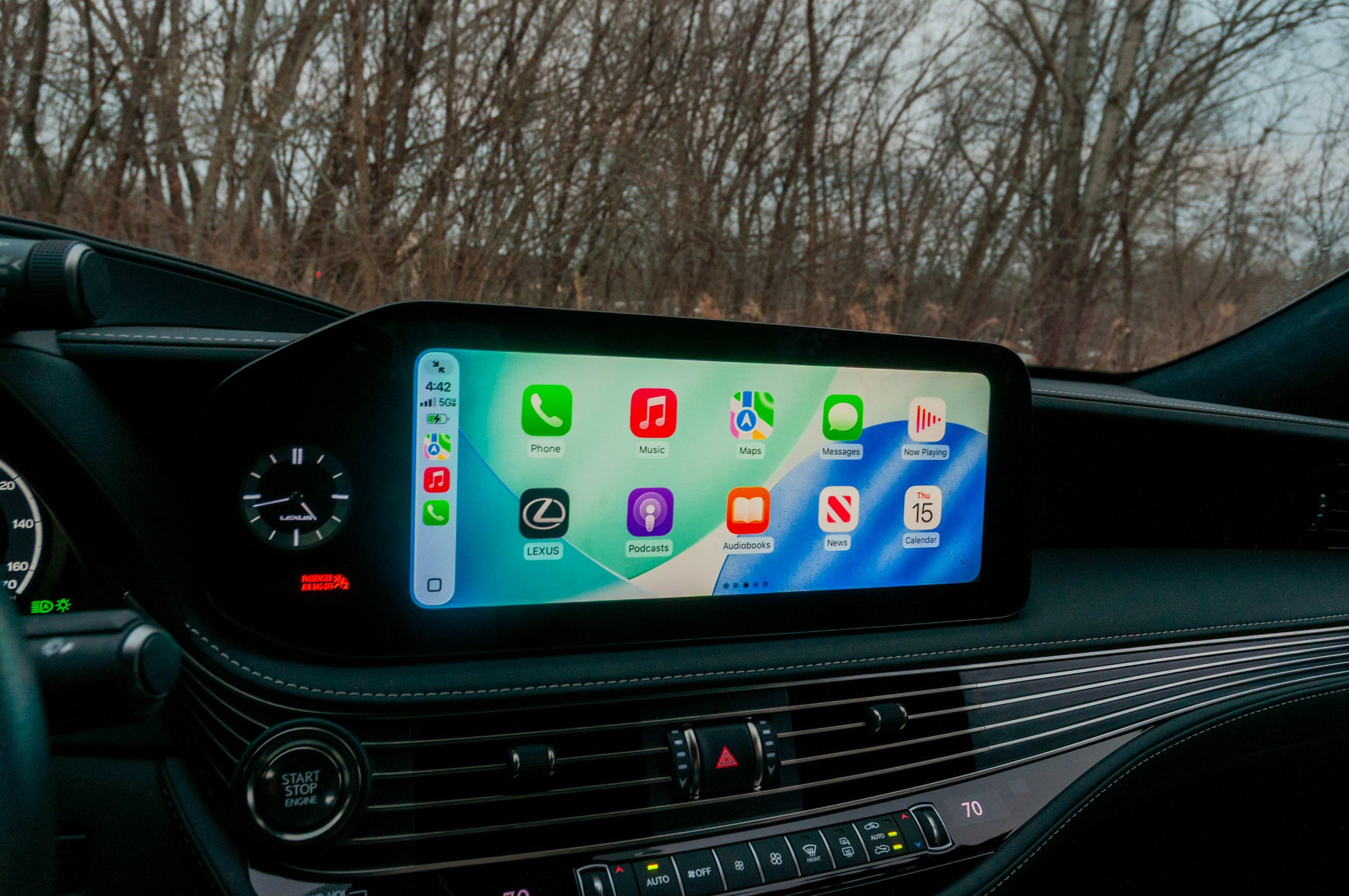
There are knobs coming off each side of the gauge cluster for drive modes and stability control systems that are inspired by the LFA. Why? The digital gauge cluster has been updated to be more akin to that of the first three generations of the LS with a digital tachometer and speedometer, which is a reversal of what we had a few years ago that, again, seemed inspired by the LFA. The touchscreen, which was finally introduced years ago, sits atop the dash, slapped in like an afterthought. It’s a Toyota interface that no longer even gets its own skin.
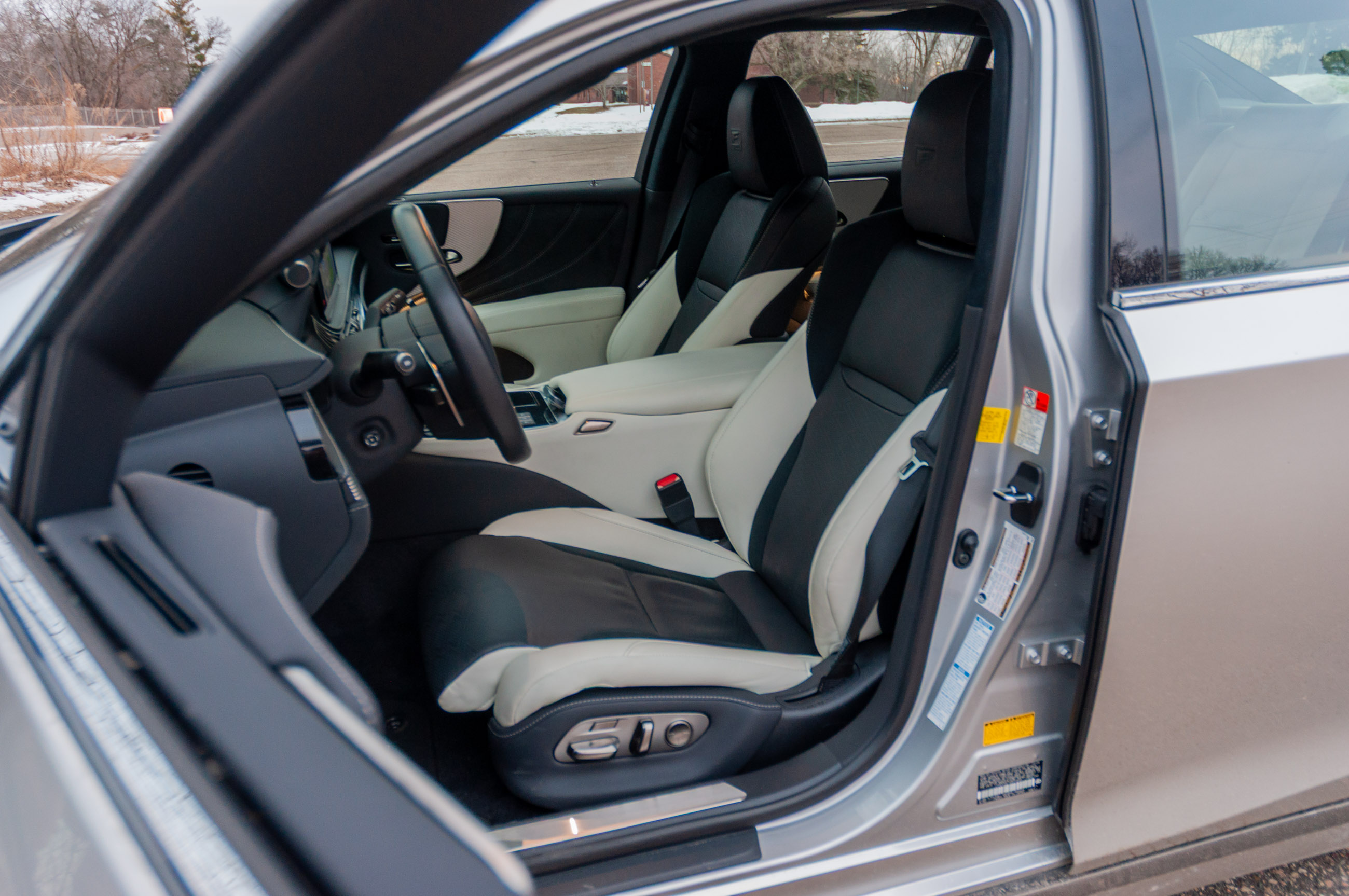
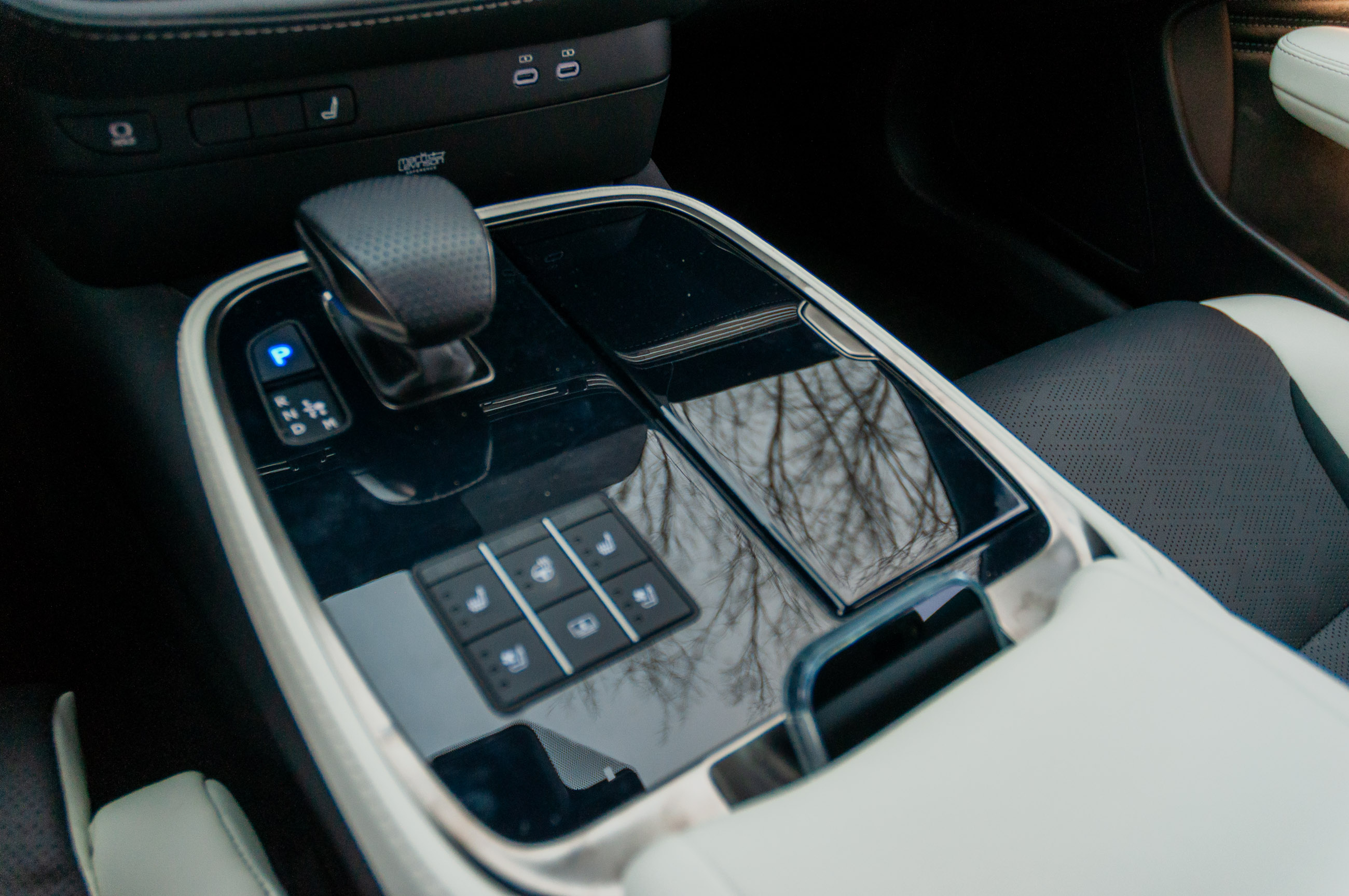
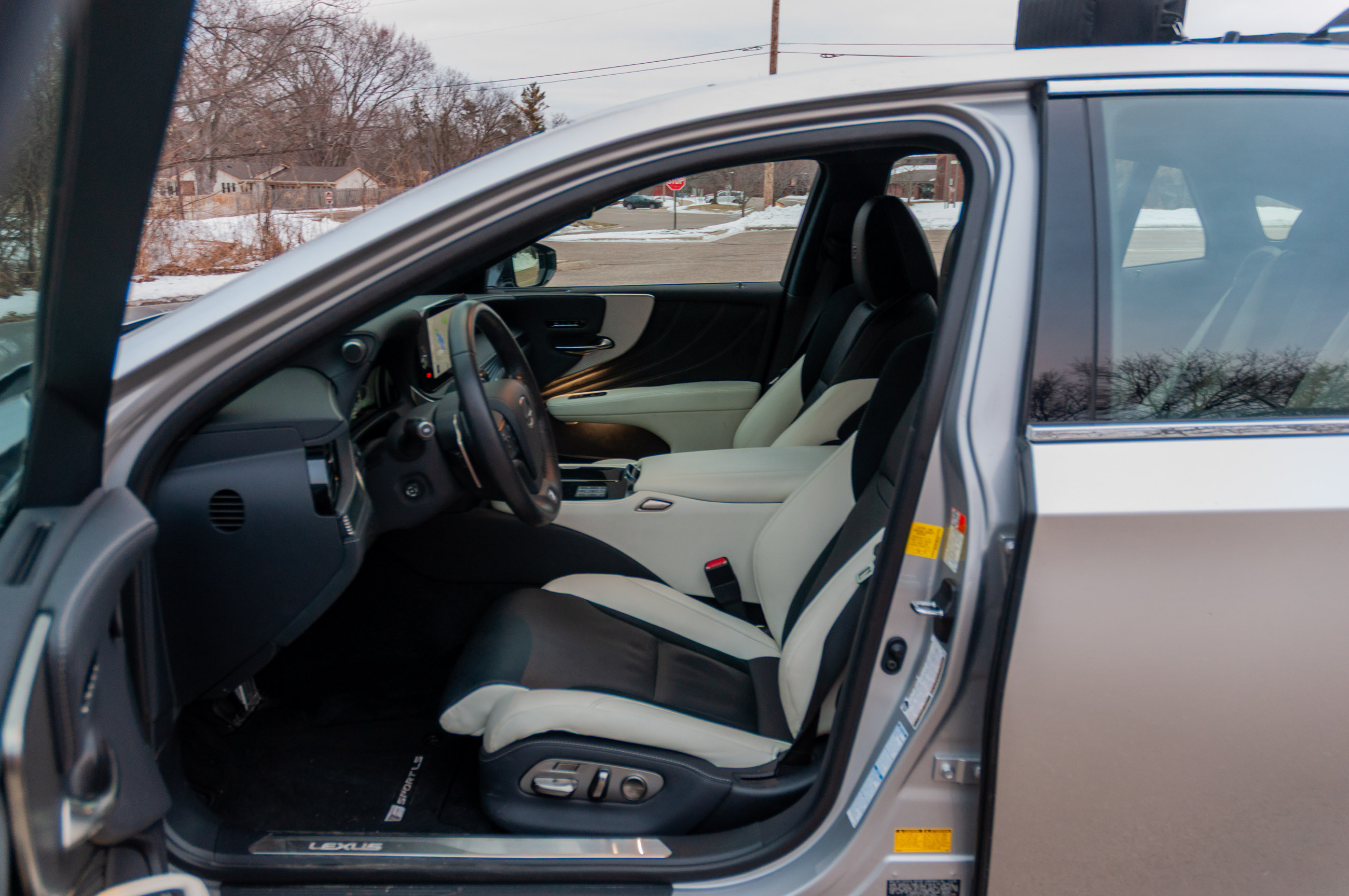
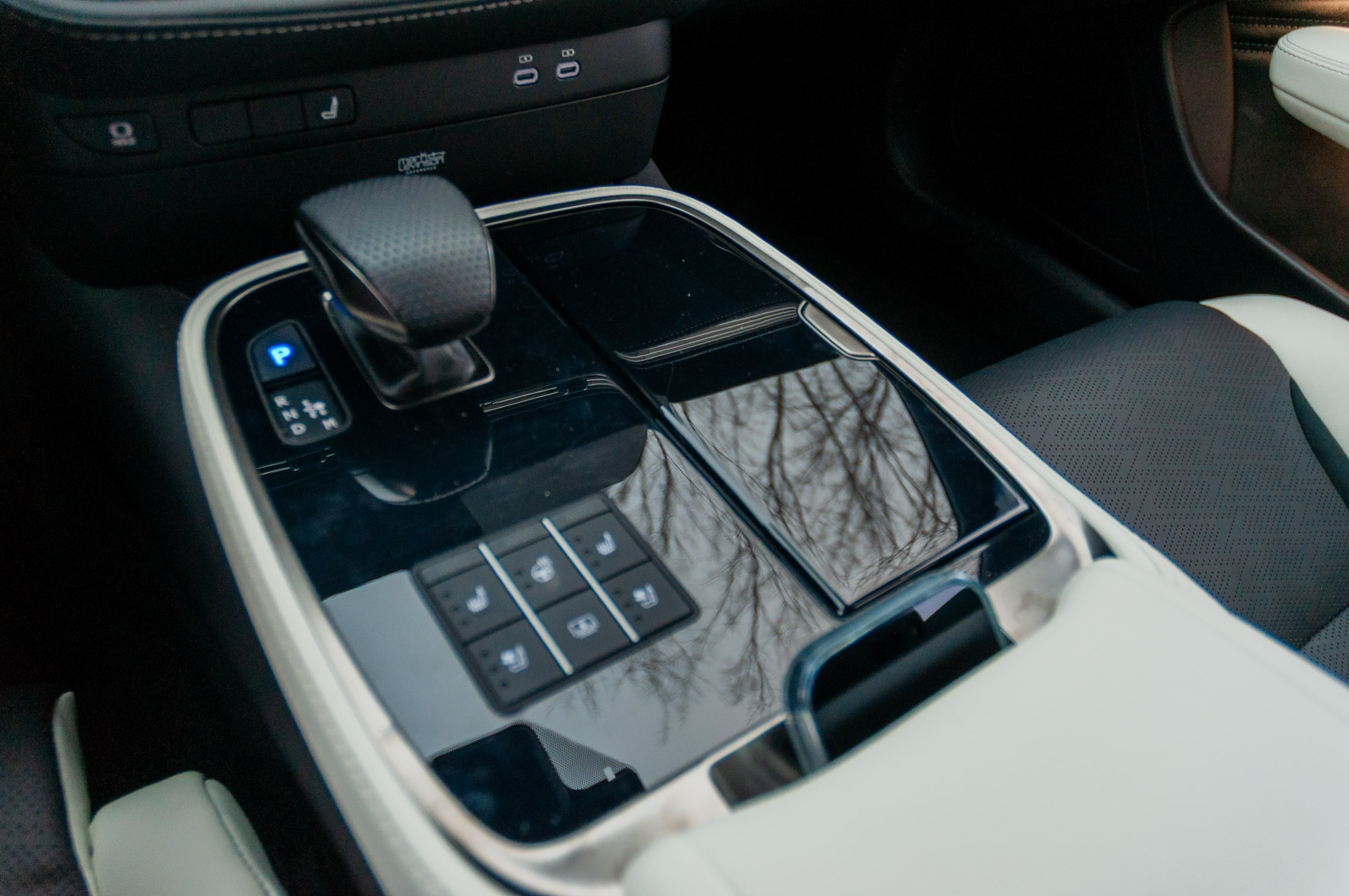
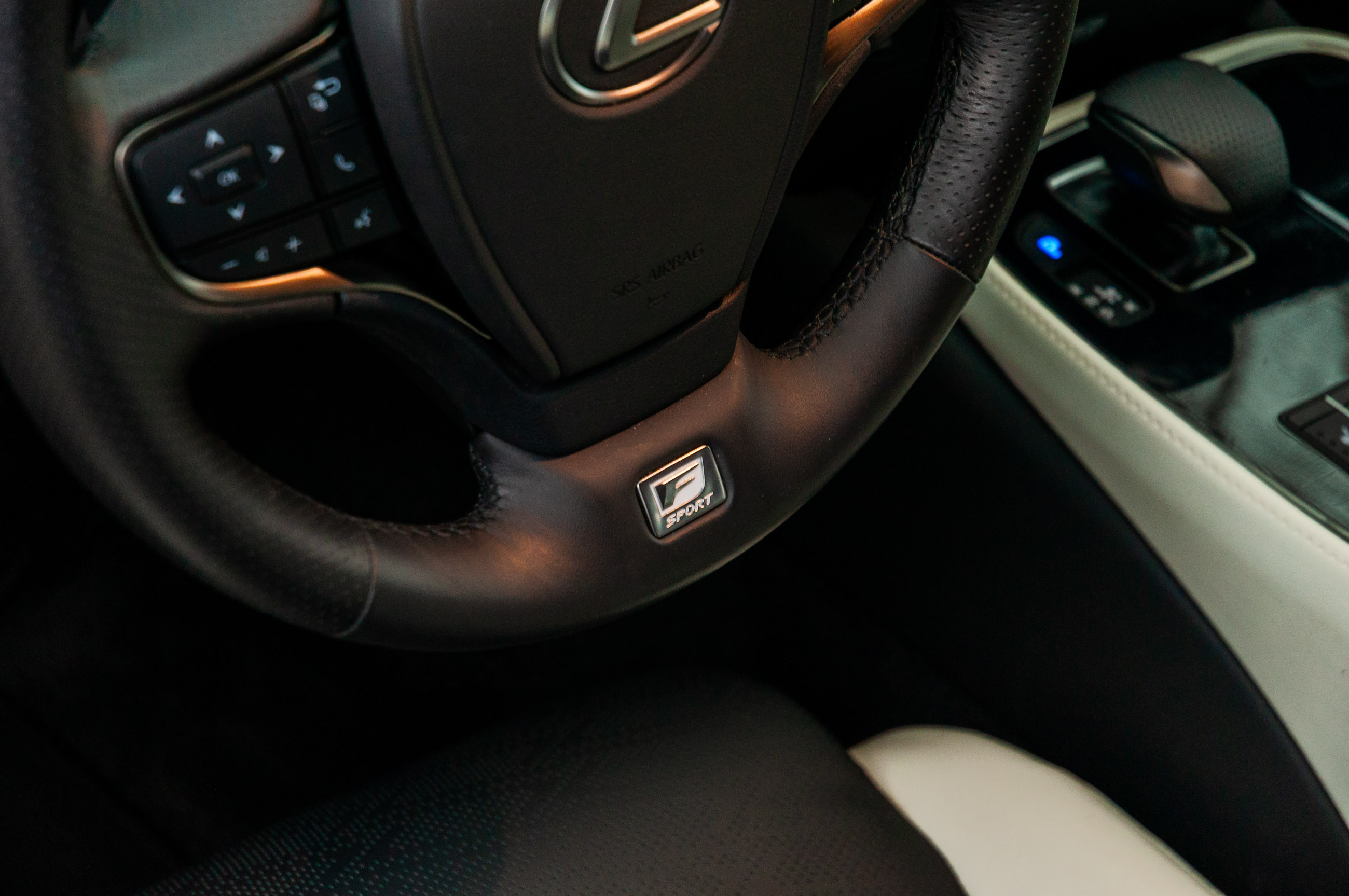
The model I tested was an F Sport trim, and the entire center console was slathered in shiny piano-black plastic. Which, of course, was completely scratched up already. Being an F Sport trim, the LS tested featured front sport seats with leather and suede inserts. Everything I just wrote seems to contradict what the LS once stood for.
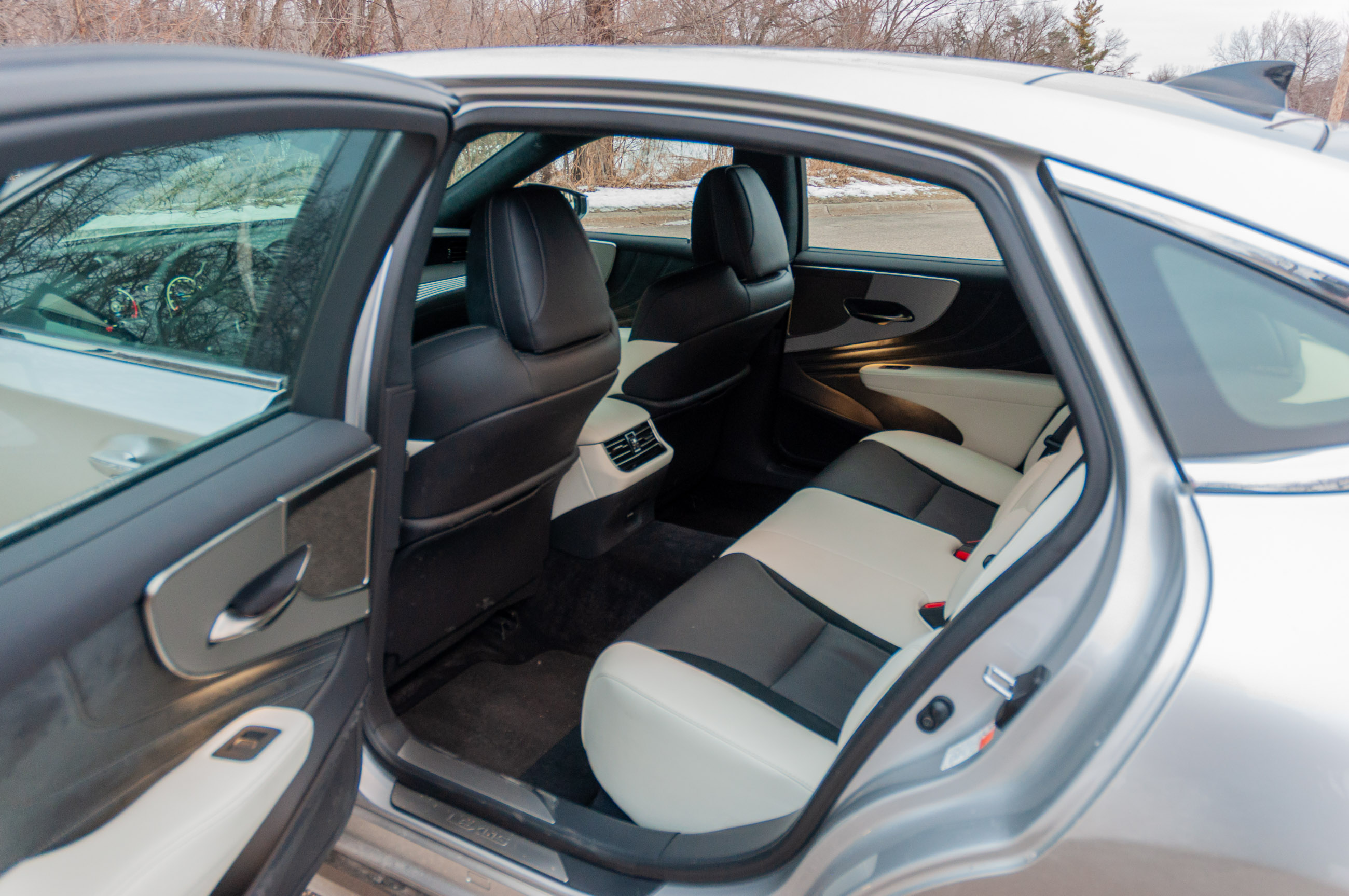
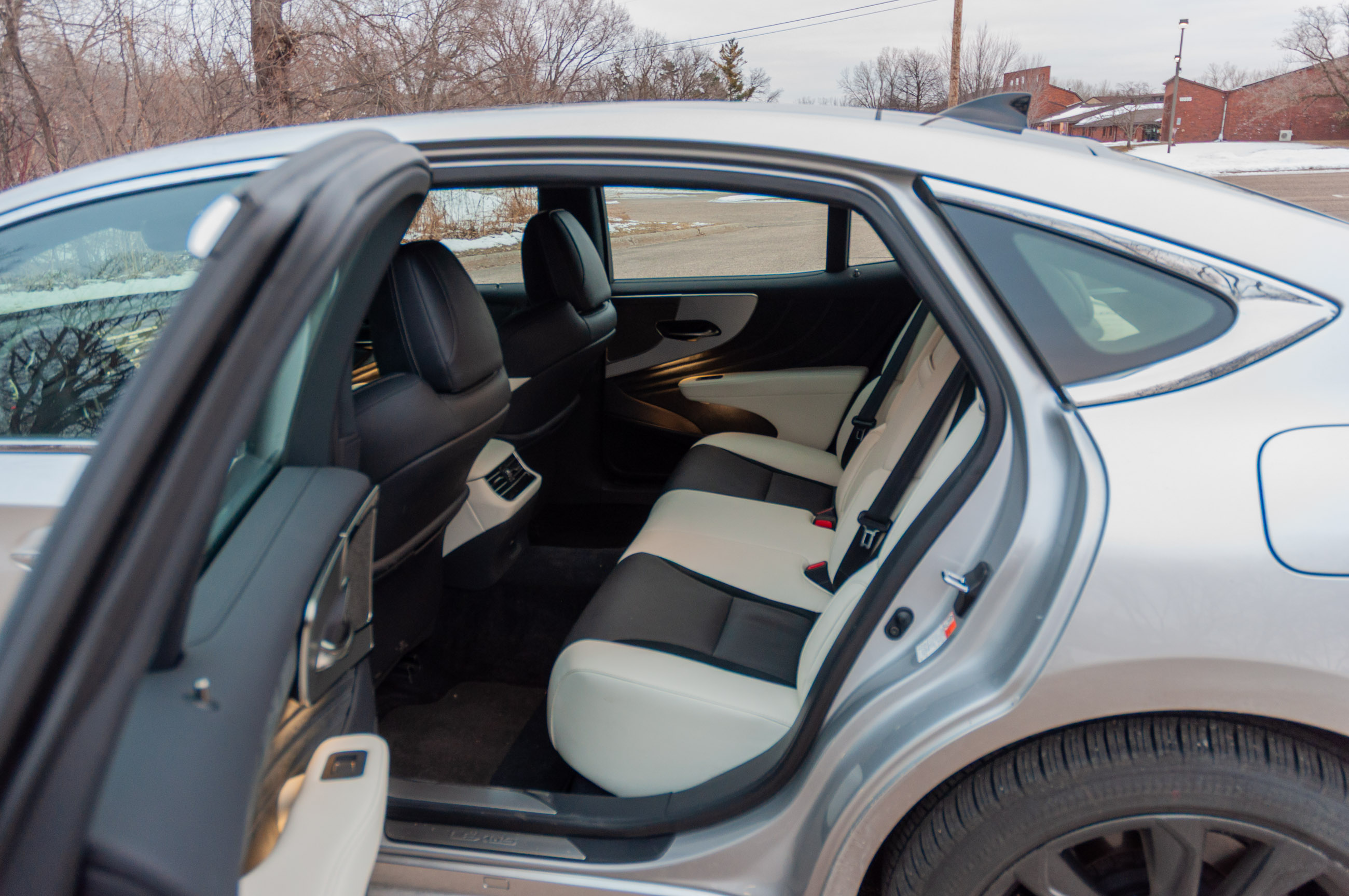
The raked windshield and A-pillars impinge on front-seat headroom and make getting into the LS more of a chore than it should be. My kids didn’t have a single complaint in the rear seat, which is notable because they love to complain.
Driving the 2025 Lexus LS
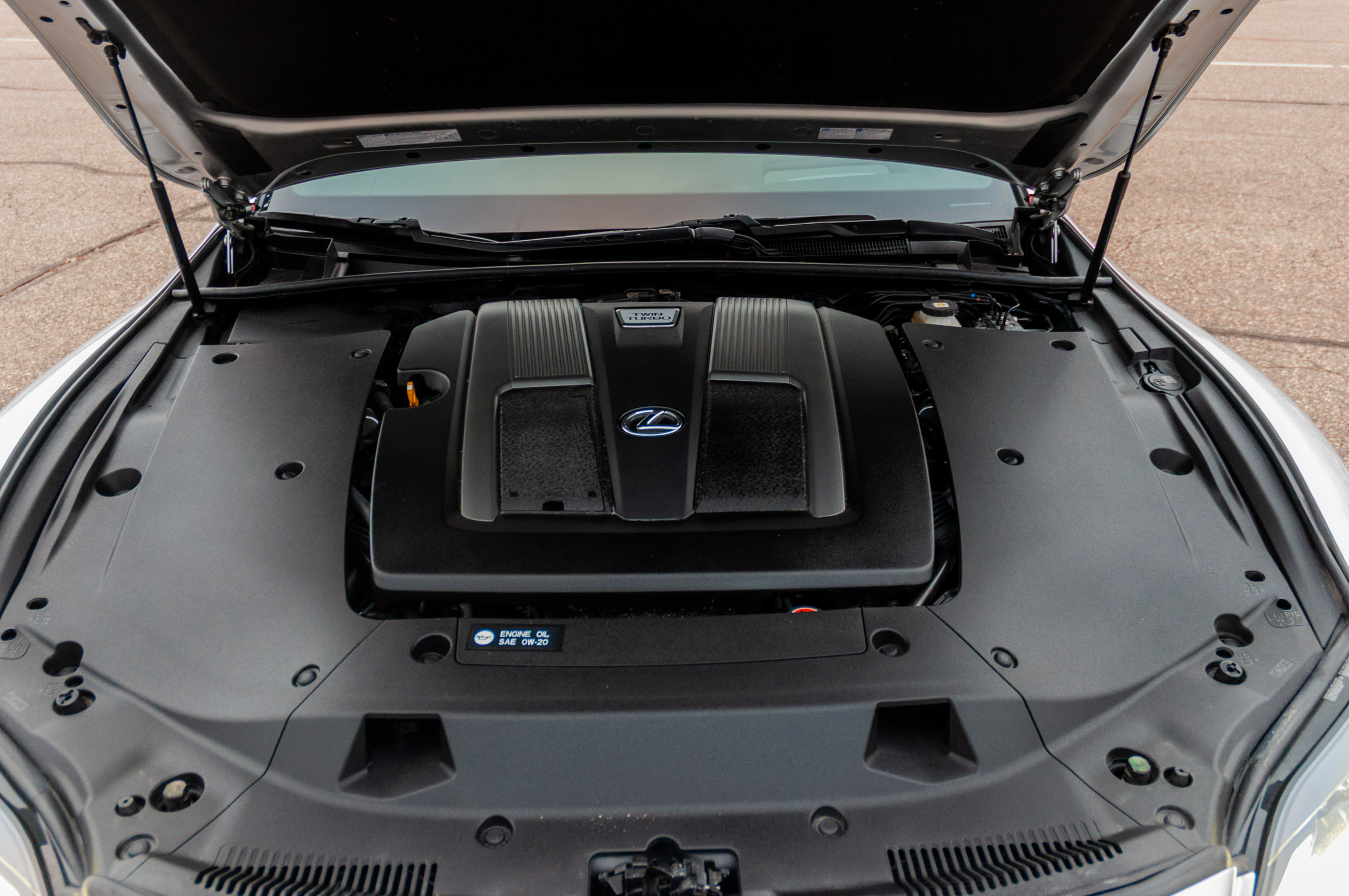
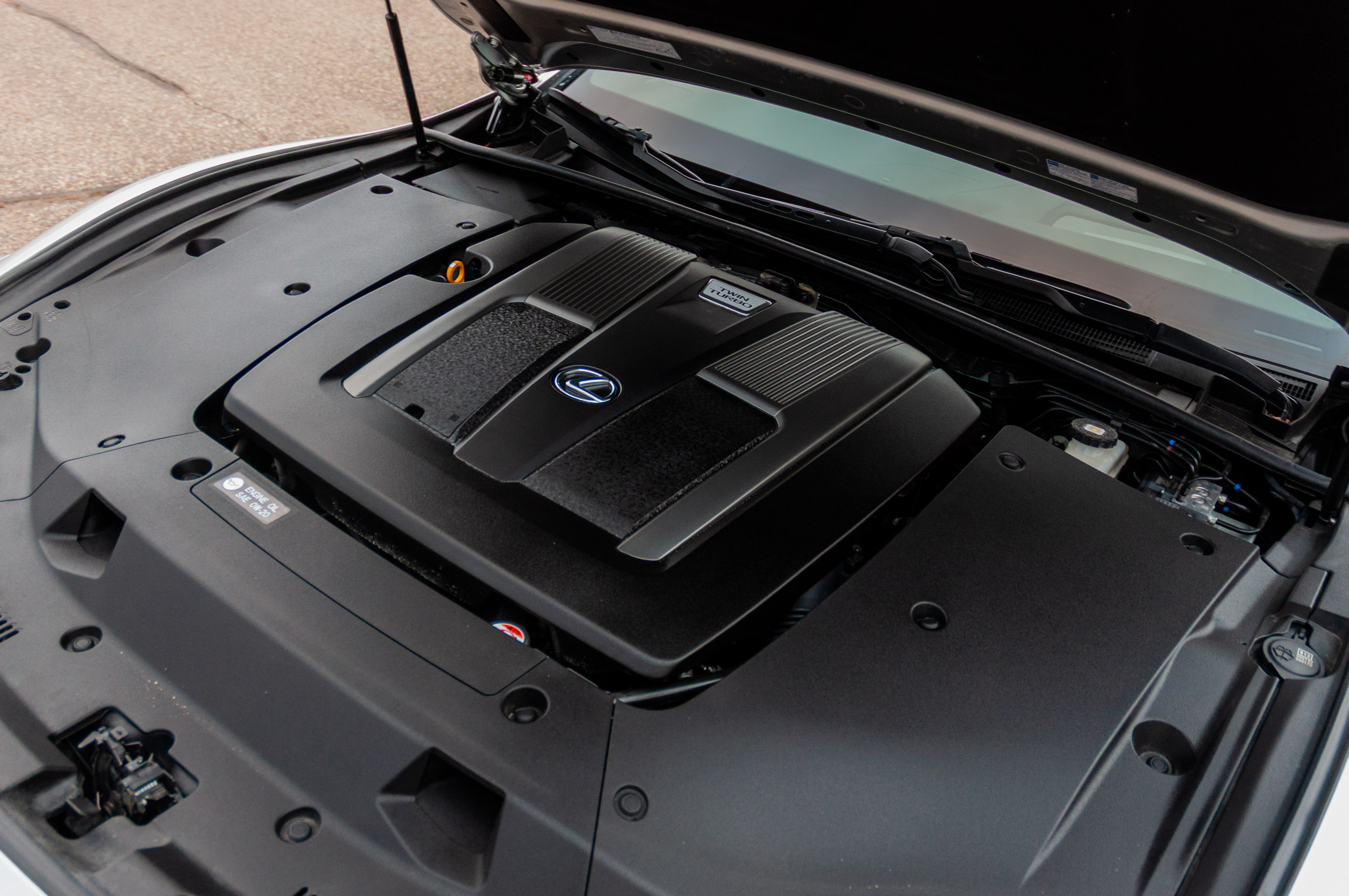
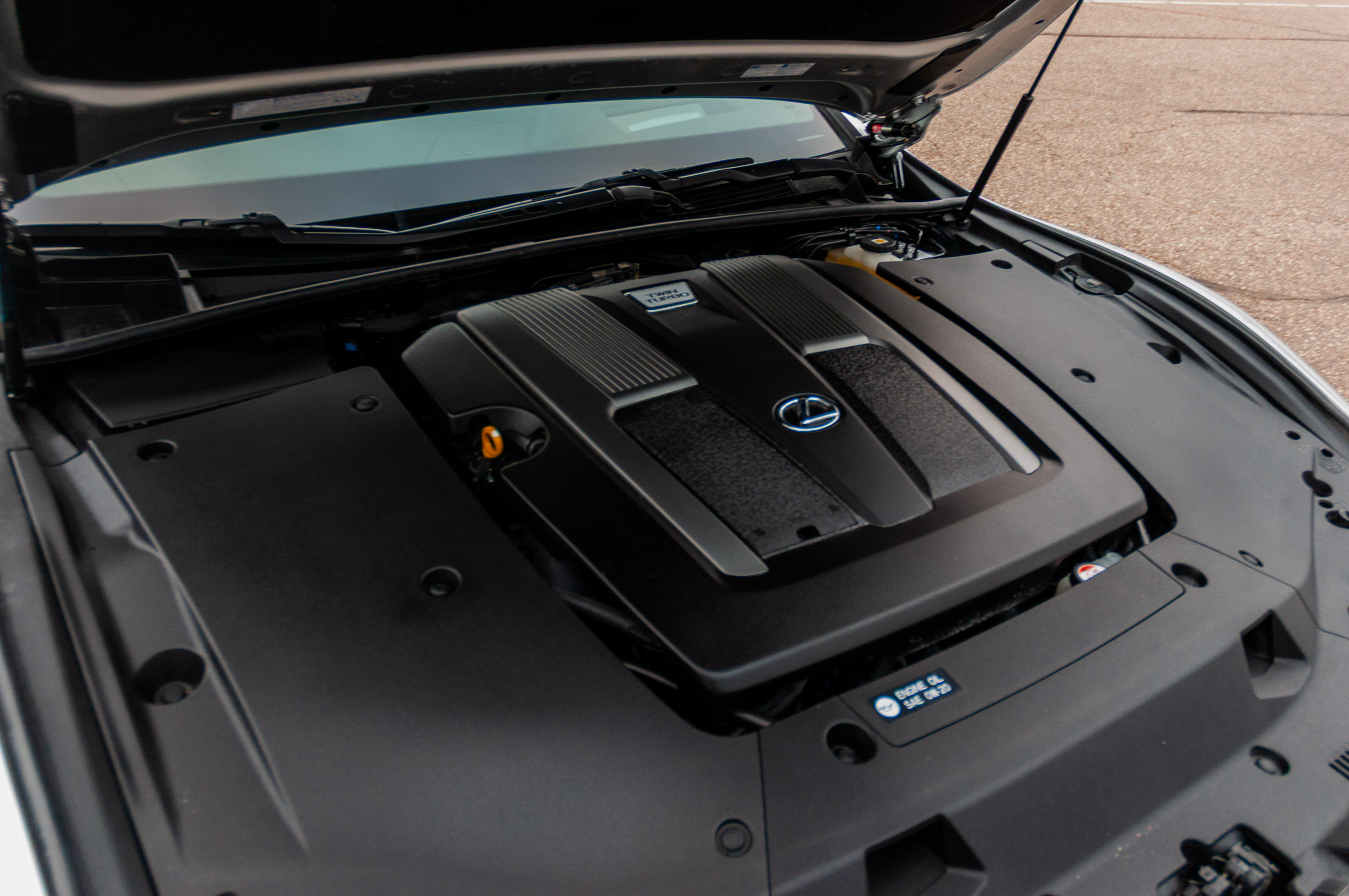
The fifth-generation LS dropped the iconic V8 for a 3.4-liter twin-turbo V6 producing 416 horsepower and 442 lb-ft of torque paired with a 10-speed automatic transmission. Rear-wheel drive is standard, but all-wheel drive is available as standard on the F Sport model.
Lexus may have been keen to reproduce that now timeless commercial with the wine glasses on the hood to attempt to prove a point that moving to the turbo-six didn’t hurt refinement with the latest generation, but I’m not buying it. I’ve spent road trips behind the wheel of the third and fourth generation cars, and I’m here to tell you the latest iteration simply doesn’t live up to the standard. This turbo-six is not as coarse as the one in the current Audi A8, but it’s a far cry from the smoothness of the turbo inline-six in a Mercedes-Benz S-Class or BMW 7-Series. And it’s certainly not anywhere close to the V8s of yesteryear. The LS 430’s V8 was my favorite, as the tuning of the larger 4.6-liter V8 in the LS 460 always felt corked, as if a wet blanket was sitting atop it, stifling the power.
The latest LS, particularly in the F Sport trim, is more controlled and confident in its motions than the outgoing fourth-generation, but it always feels heavier than the third-gen car. The turbo-six engine groans and wheezes, with a nasal note that doesn’t scream luxury. At its core, this engine is shared with the Toyota Tundra and Sequoia, though in the LS it has a different cover with more foam for sound deadening and different engine mounts for more refinement.
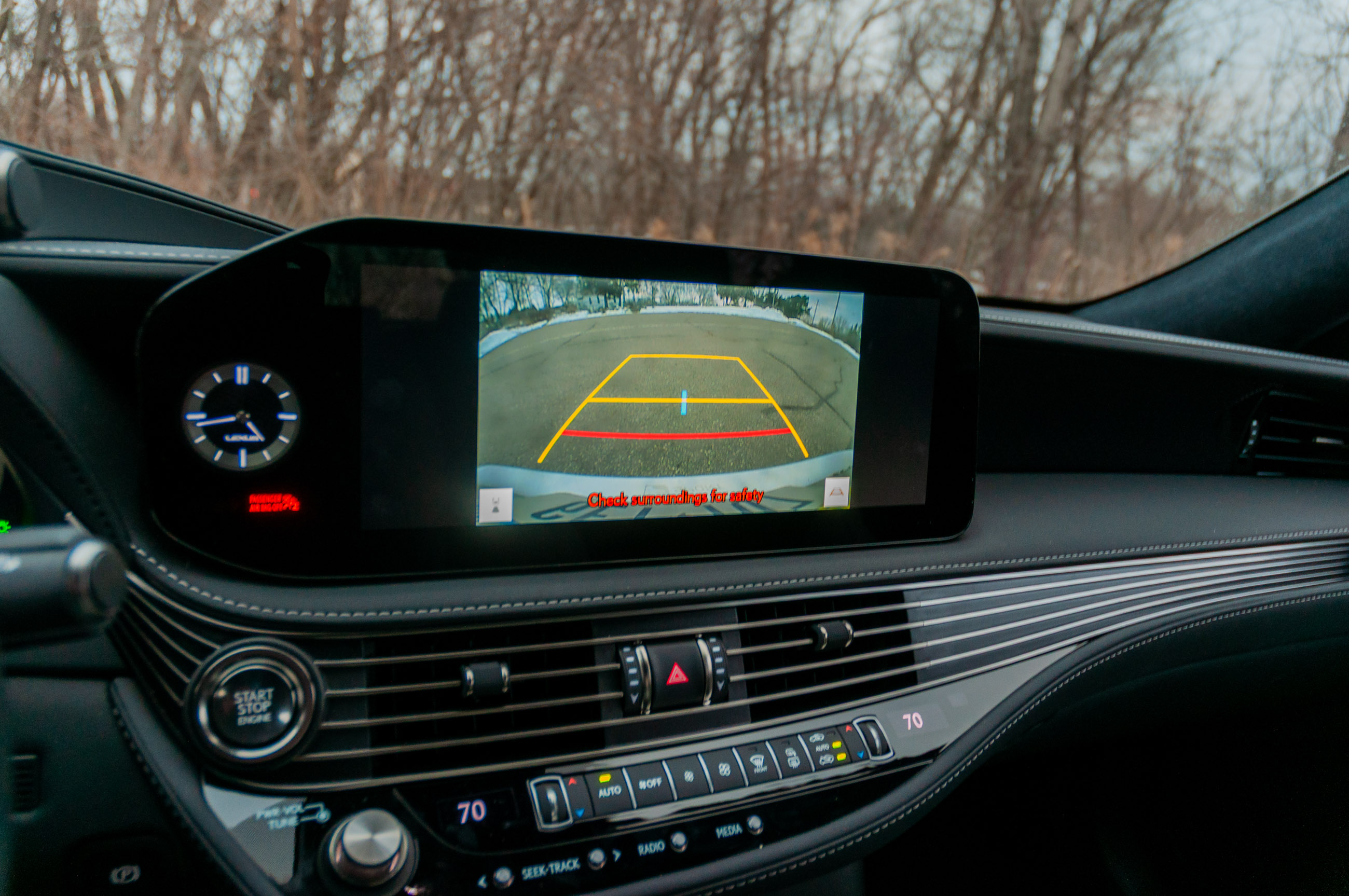
Without a doubt, this latest generation LS has the worst visibility in the nameplate’s history, with smaller glass openings everywhere. Perhaps most offensive and telling was the fact that this nearly $100,000 flagship luxury car tested lacked a surround-view camera system.
Verdict
At $81,685, including a $1,350 destination fee, and $94,990 as tested, the LS undercuts the cheapest S-Class by about $30,000. That’s a lot of coin. For 2026, the final LS is available in a single configuration, priced at $99,280.
While Mercedes-Benz kept pushing forward, Lexus seemed to lose the plot with the LS. The car that struck fear in the class leader got lost with mixed messages and an ugly grille. Some LFA design bits here, some hand-crafted Japanese-inspired parts there, and suddenly the flagship luxury sedan is a confused, mishmashed mess.
I loved the original Lexus LS because it was honest. It was a segment-defining luxury sedan that was boring, comfortable, reliable, and smooth. It stayed that way for three generations. I adored my family’s 2006 LS 430s because of what they were, not what they were not. They were 6.0-second sleeper luxury sedans that flew under the radar.
That’s not what the LS is anymore, and now, it’s dead. RIP.
Lexus provided The Drive with a seven-day loan of this vehicle for the purpose of writing this review.
| 2025 Lexus LS 500 AWD F Sport Specs | |
|---|---|
| Base Price (as tested) | $81,685 ($94,990) |
| Powertrain | 3.4-liter twin-turbo | 10-speed automatic | all-wheel drive |
| Horsepower | 416 |
| Torque | 442 lb-ft |
| Seating Capacity | 5 |
| Curb Weight | 4,960 pounds |
| Cargo Volume | 16.95 cubic feet |
| Ground Clearance | 5.9 inches |
| 0-60 mph | 4.6 seconds |
| Top Speed | 136 mph |
| PA Fuel Economy | 17 mpg city | 27 highway | 21 combined |
| Score | 7/10 |

Quick Take
The LS lost its focus and the car that struck fear in Mercedes has now flamed out.
The post 2025 Lexus LS Review: Saying Goodbye to a Legend appeared first on The Drive.
www.thedrive.com
#Lexus #Review #Goodbye #Legend