The 2026 Toyota RAV4 is more important than you might realize. Even if you were already aware that the outgoing model was the best-selling car in the United States last year, it’s essentially impossible to grasp the significance of following that up. There are a million cliches you could spew—”if it ain’t broke, don’t fix it” comes to mind—but it’s not like Toyota can leave it unchanged in perpetuity.
So it hasn’t. The new RAV4 is hybrid-only with a complete redesign for the model’s sixth generation. It adds more of what people want, like rugged adventure vibes in the outdoorsy Woodland trim and a solid 324-horsepower plug-in powertrain that’s standard on the new GR Sport model. It’s as livable as ever, too, with a new and improved multimedia system that boasts new features without feeling like a total gimmick.
In all, it makes sense why something like 475,000 people buy a new RAV4 every year. That trend is nearly sure to continue, as this is a tremendously solid evolution of the car it replaces. It wasn’t broken, but Toyota has found a few solid ways to make sure drivers get their fix in the new one.
The Basics
The RAV4 is the bread and butter of Toyota’s crossover lineup. It’s a tour de force in terms of volume, falling only to the Ford F-Series and Chevy Silverado in U.S. sales totals last year. Believe it or not, the model has been around for 31 years, and the progress made with the 2026 RAV4 is plain to see.
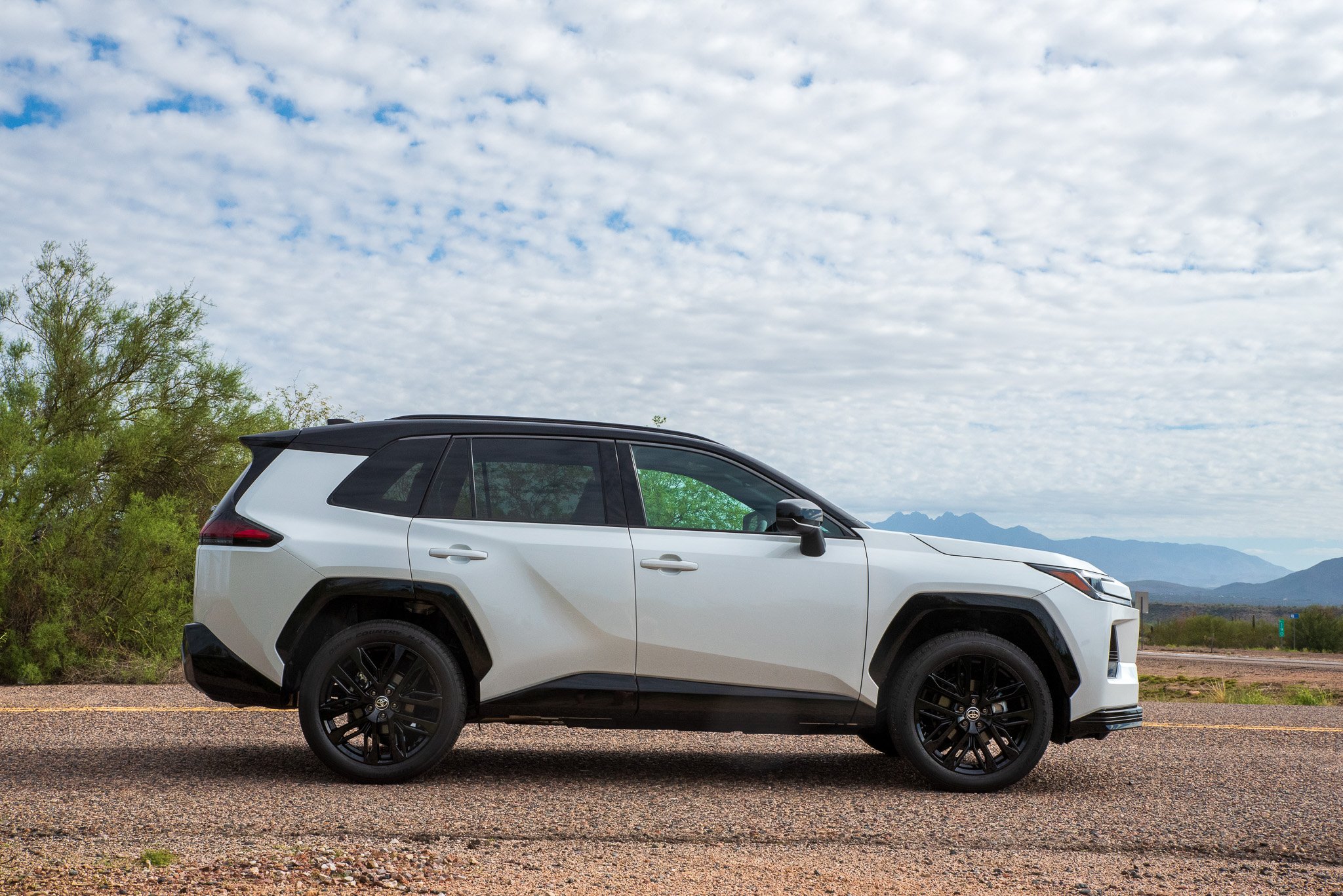
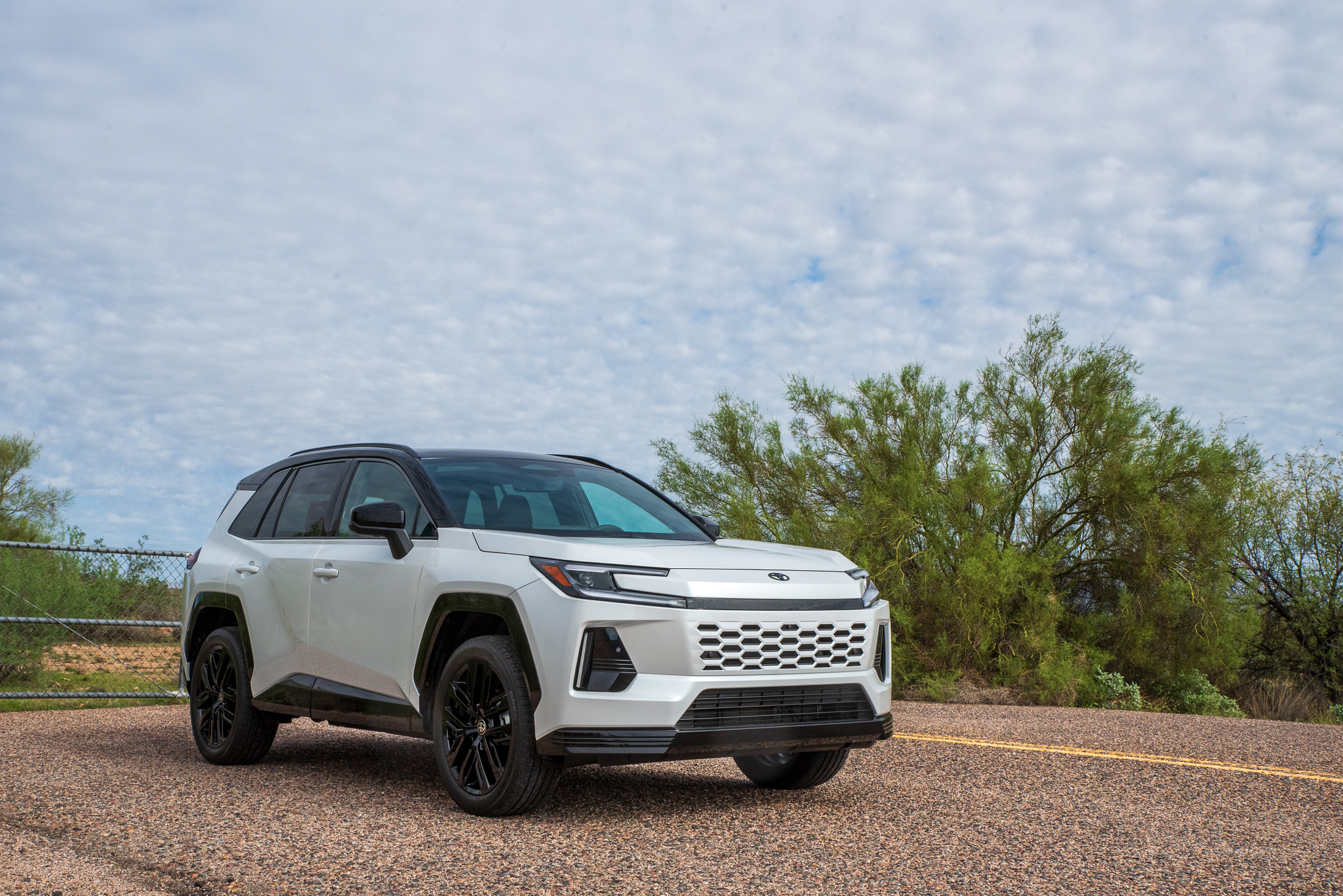
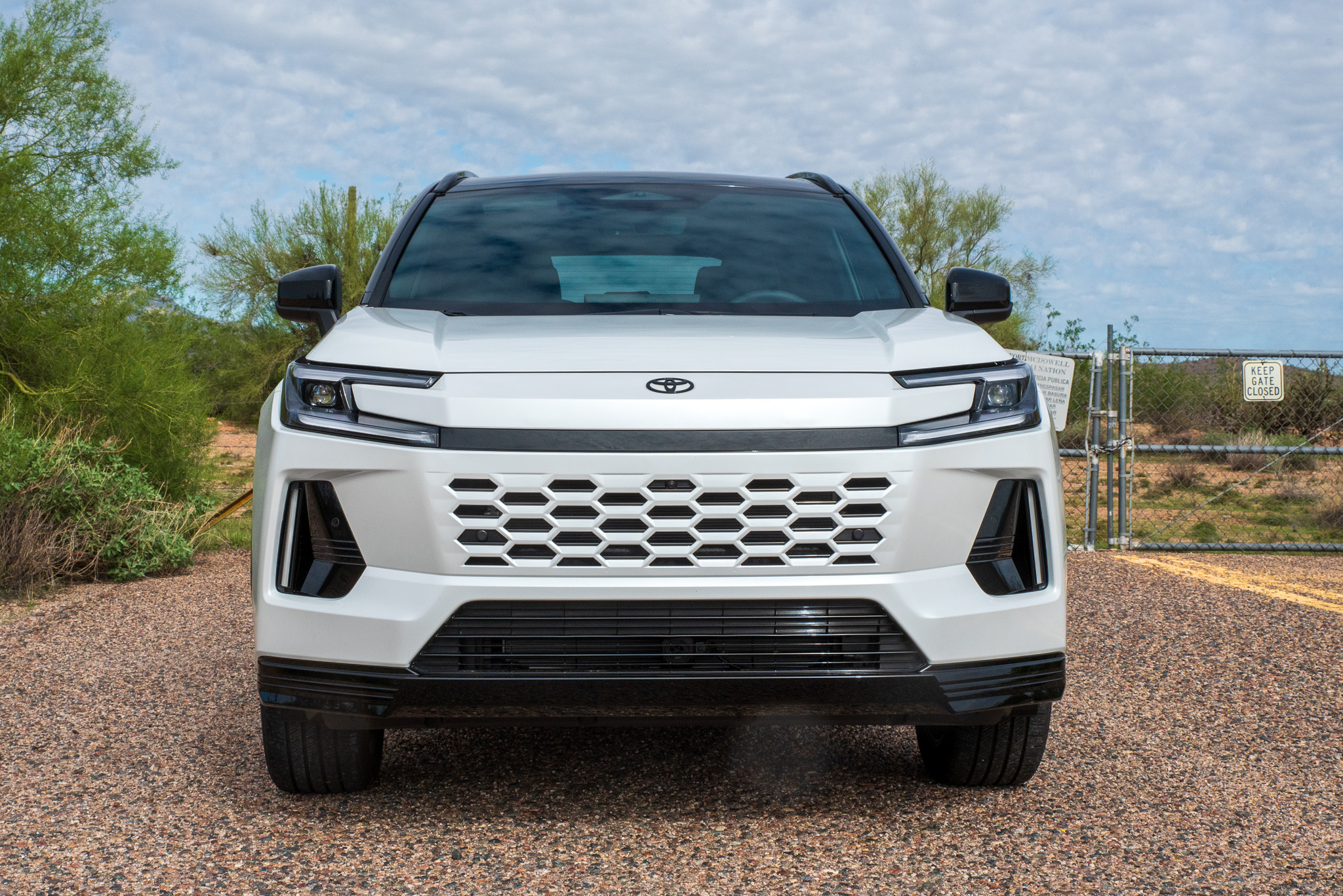
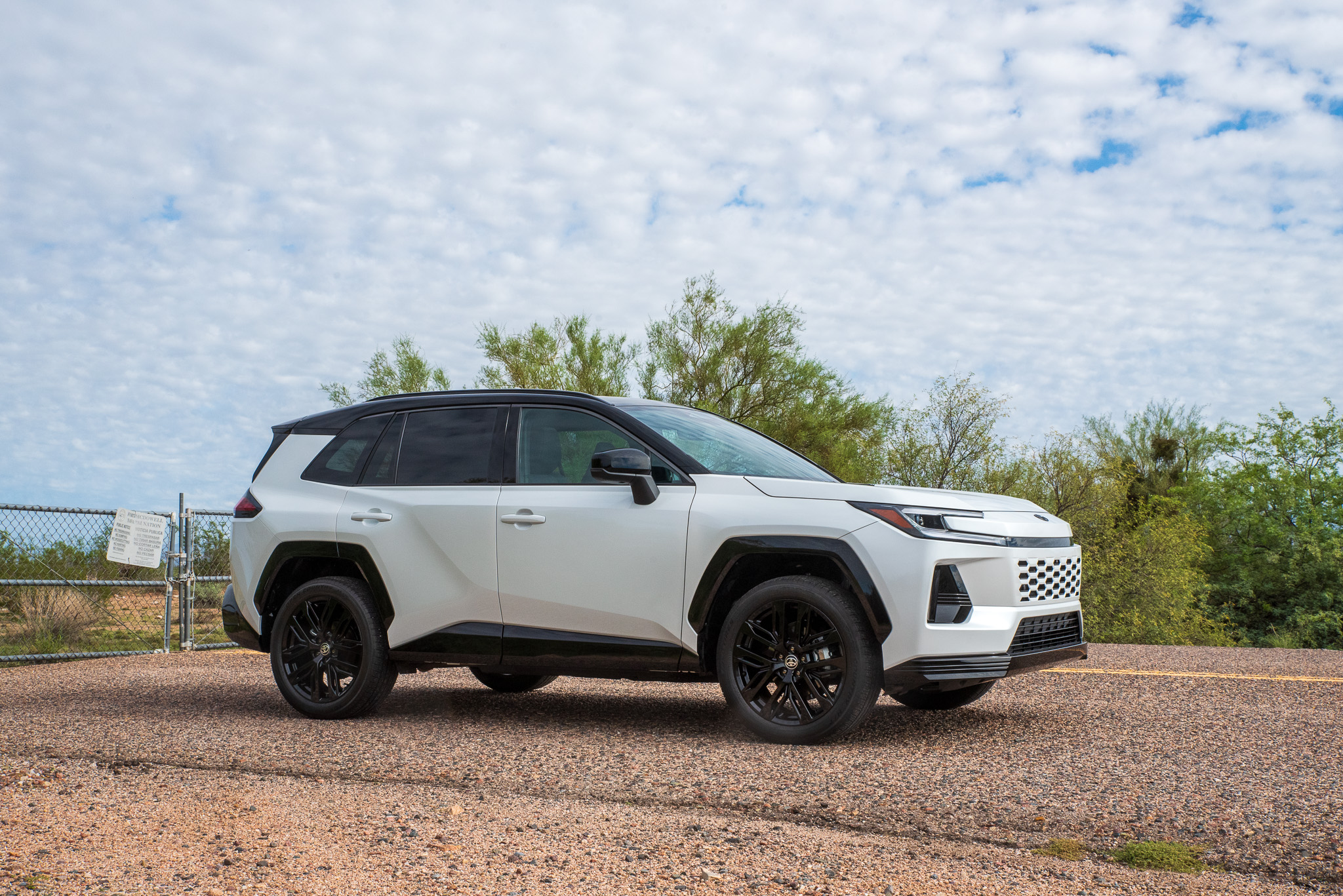
Toyota gave the crossover a new look that’s in line with its other redesigned models. Although the RAV4 is its own thing, the headlights show it’s very clearly related to the new Camry. It’s bolder and more angular than before, carrying on the trend that’s huge virtually everywhere in the automotive industry, with the hotted-up GR Sport even wearing a spoiler on its back hatch. Meanwhile, the Woodland trim wears Dunlop all-terrain tires, matte black overfenders, and Rigid Industries LED fog lights up front.
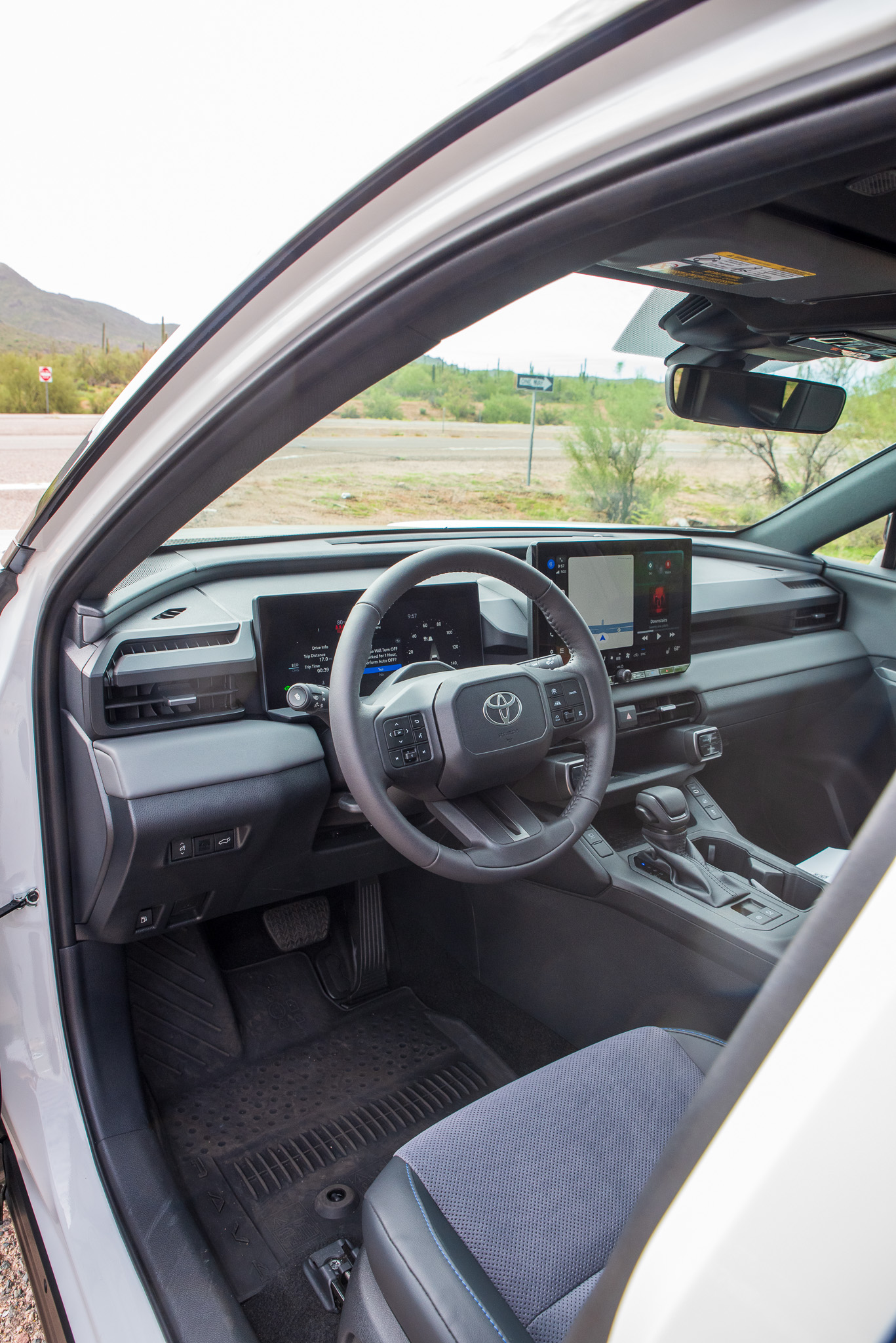
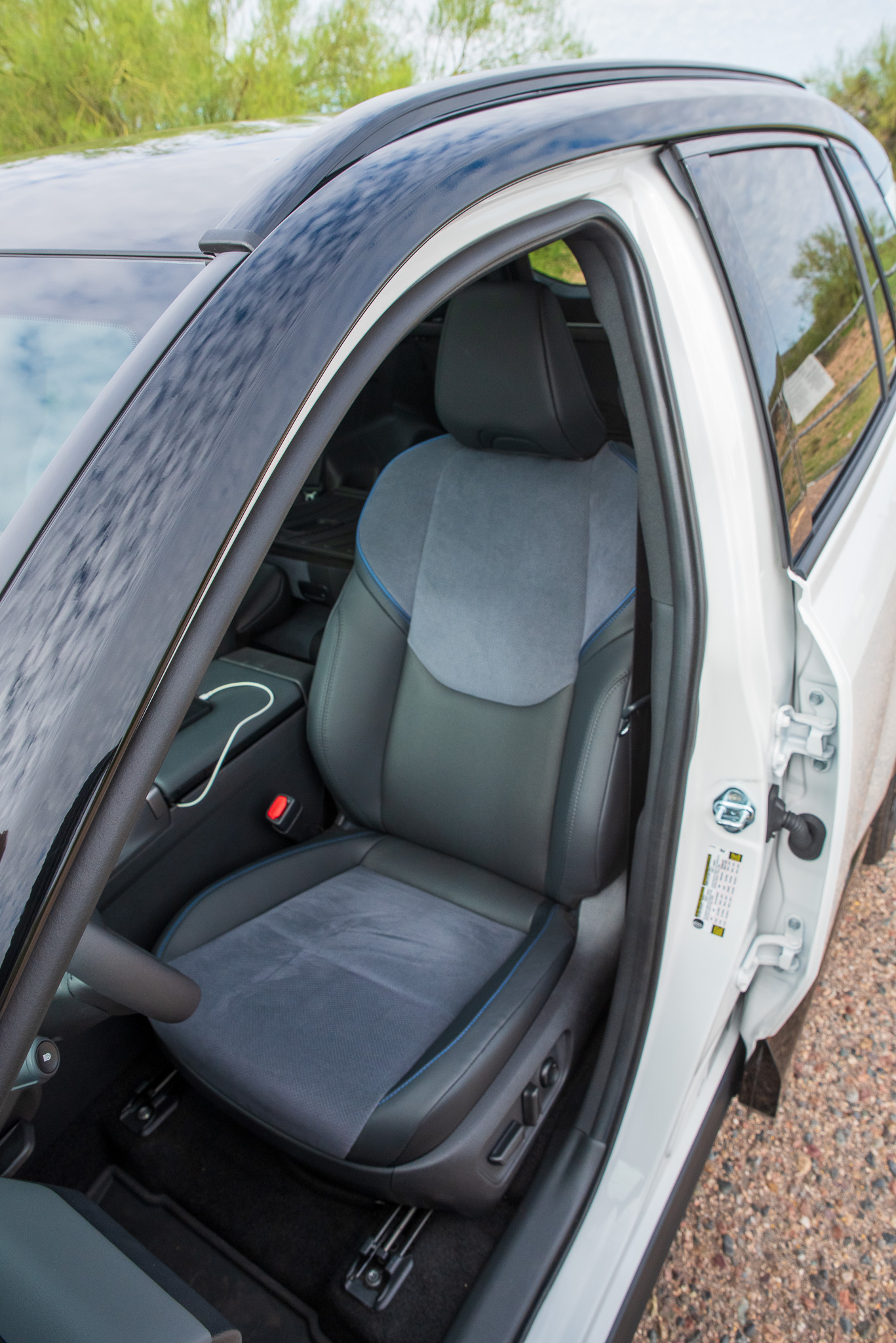
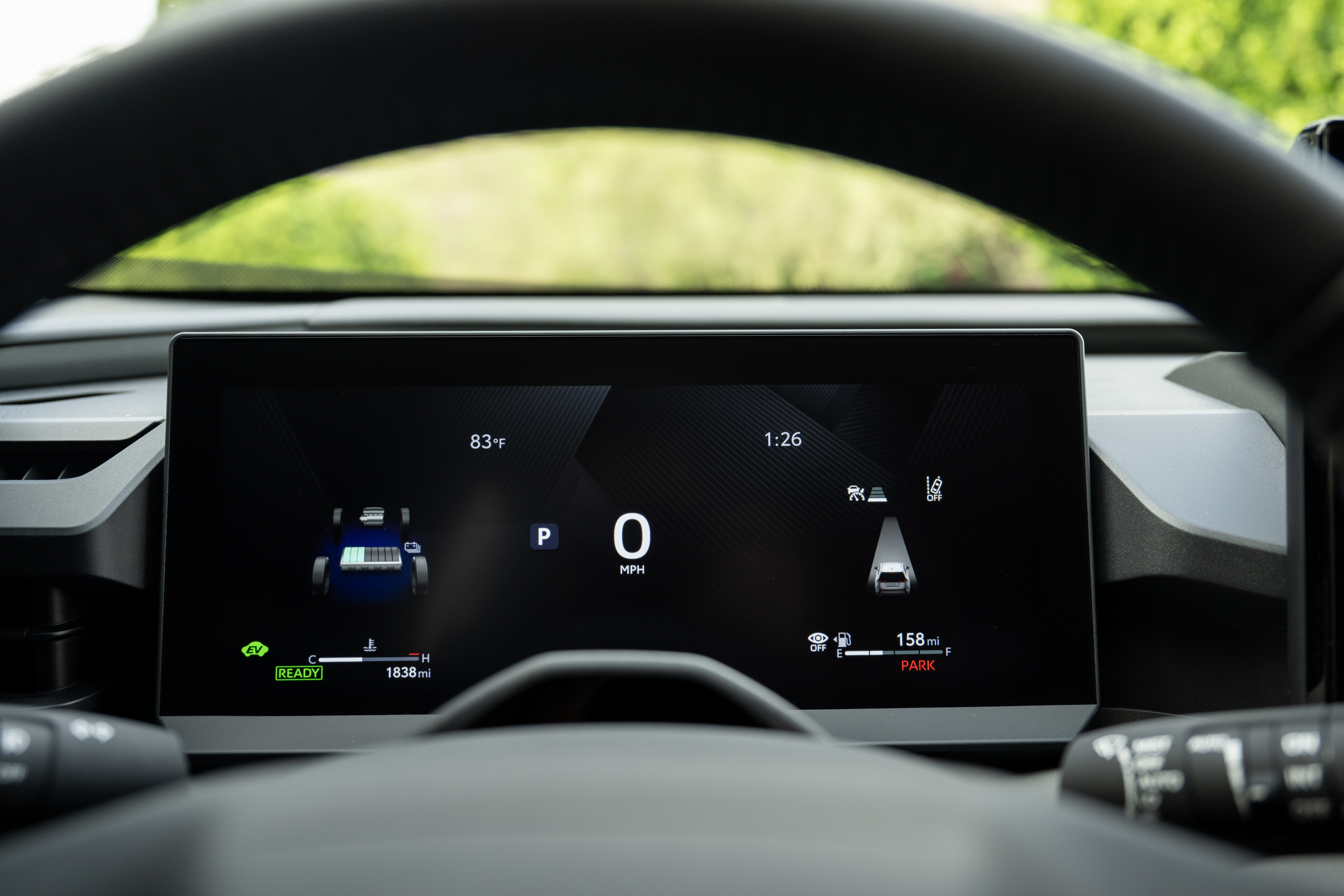
Inside, every RAV4 gets a 12.3-inch digital gauge cluster that’s complemented by either a 10.5- or 12.9-inch infotainment display. Nothing is shockingly unique about the ‘Yota’s interior, but there are some nifty features, like a center console with a lid that opens from either side, as well as a nicely placed phone holder beneath the center screen and a shelf above the glovebox. It’s less about gadgetry and more about providing a usable space that normal people can appreciate.
Two powertrain options are available on the redesigned RAV4: a 2.5-liter hybrid that makes 226 hp in front-wheel-drive guise and 236 hp in all-wheel-drive spec, and then a plug-in-hybrid variant that’s rated at an impressive 324 hp with AWD standard. No matter which of those you get, it’ll come paired to an eCVT automatic.
Driving the 2026 Toyota RAV4
I could start this section by talking about engine performance, or suspension tuning, or steering feel. But, very few RAV4 shoppers use that criteria when deciding if they want the Toyota or the Honda for college (or retirement, I won’t judge). Instead, I’ll talk about how well it just works.
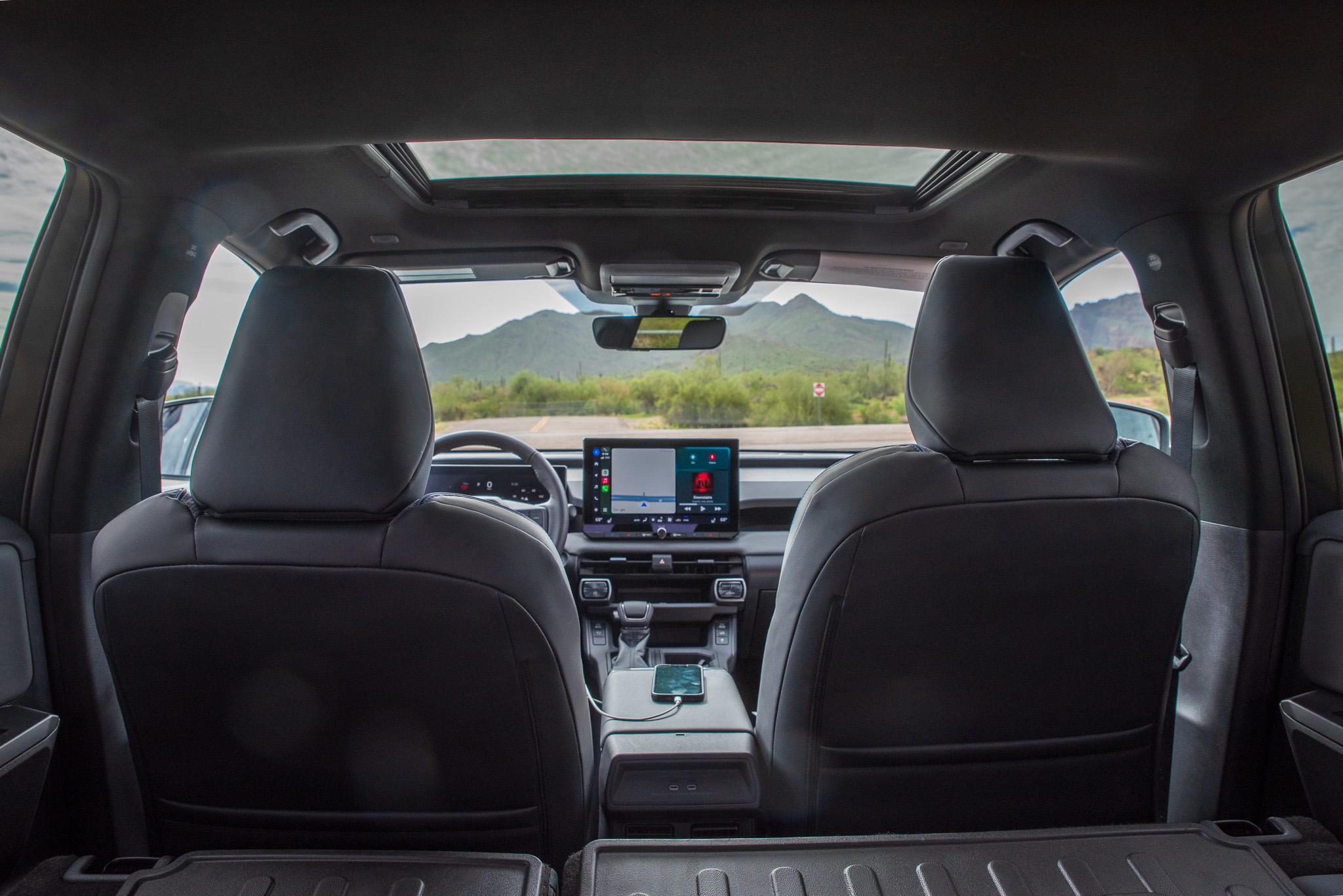
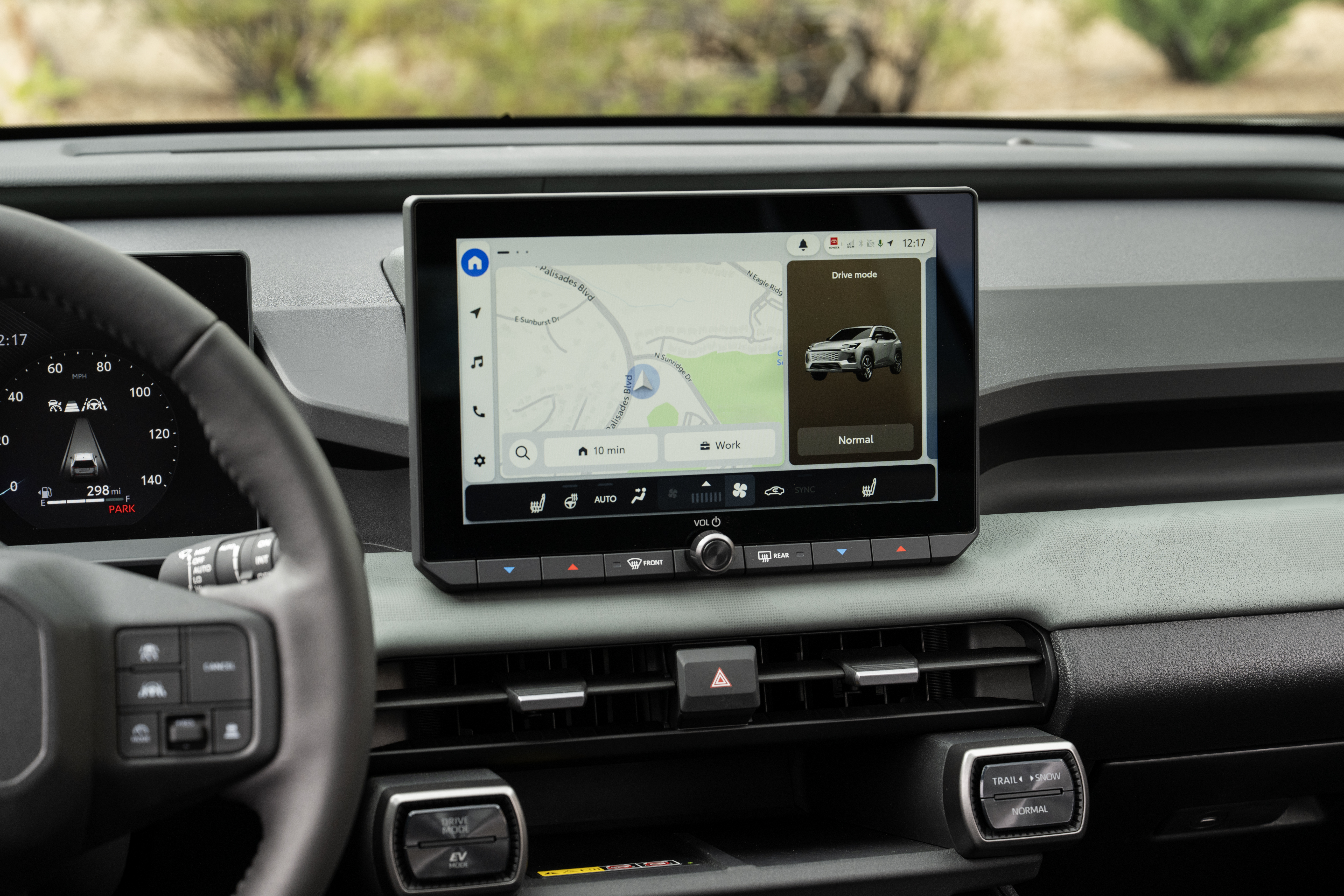
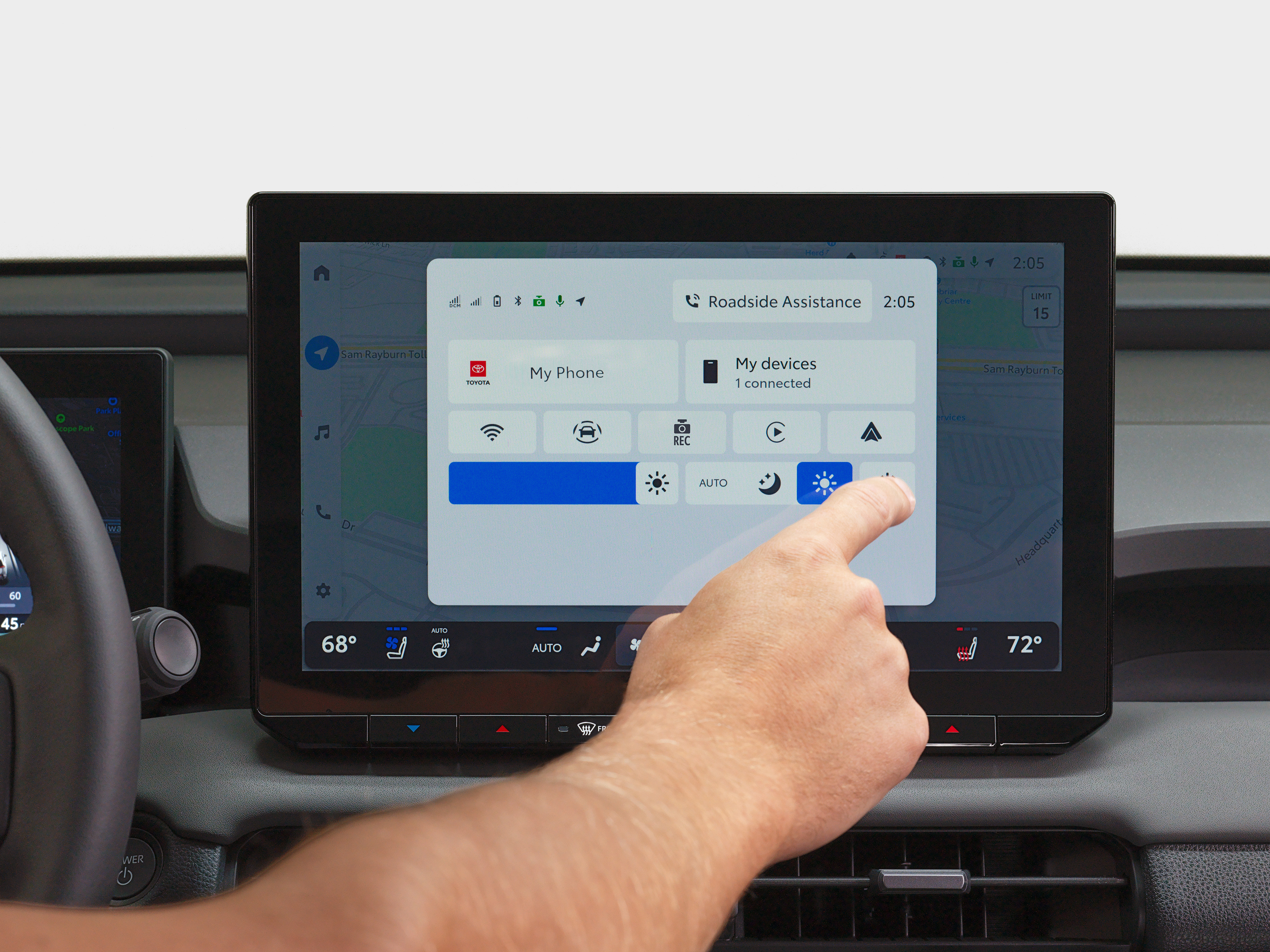
Before I even turned on the RAV4 to go for a drive outside Phoenix, where Toyota hosted its media drive, I plugged in my phone. After acknowledging the prompt on the 12.9-inch infotainment screen and allowing access to Apple CarPlay, it popped up immediately. Toyota’s new multimedia system is quick to start and smooth to run, with barely noticeable lag as you swipe back and forth between pages in the third-party app. And what’s arguably even more impressive is how good the native operating system is, considering how most automakers have abandoned ship on trying to make a solid UX outside of CarPlay or Android Auto.
This extends to the built-in voice assistant, which won’t be asked nearly as many questions as Siri or Google but will gladly answer anything in a hurry should you call out, “Hey, Toyota.” Individual microphones above the front seats help parse requests based on who’s asking. If the shotgun rider prompts the assistant themselves and says, “Hey, Toyota. I’m hot,” it will lower the temperature specifically on their side. What a thing.
I then started feeling around, pushing buttons and flipping switches to get an idea of the interior quality. Every RAV4 that Toyota had on-site was classified as a pre-production model, and I noticed several of the same creaks and rattles across different cars I drove. The two noisiest bits I found were the plastic steering wheel insert before the horn, which flexes with relatively little force, and the aforementioned center console lid that engages and disengages with the same sound effect as a .22 magazine.
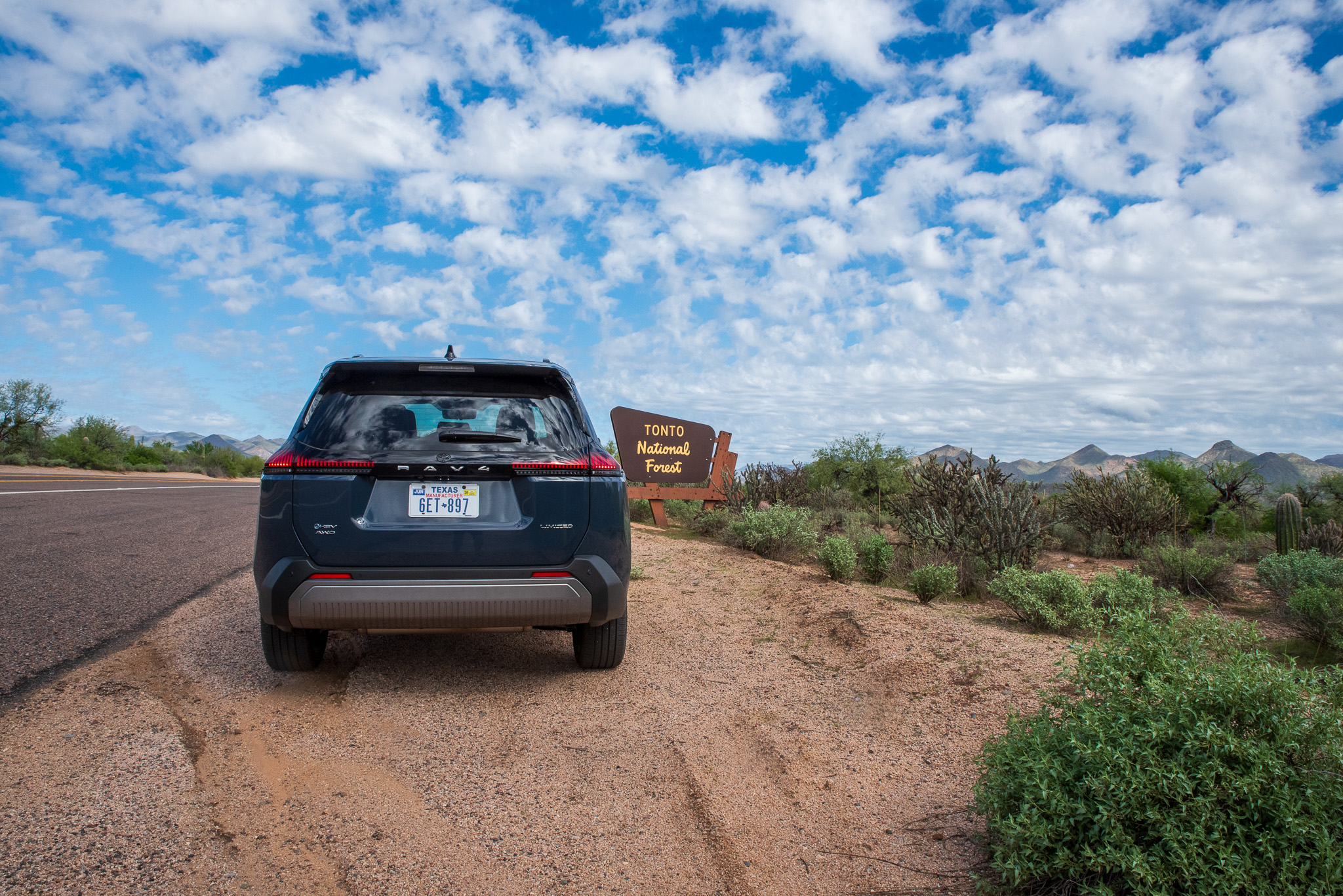
Having done all this, I set off. I was able to test several different trims—an XLE, XSE, Limited, Woodland, and, more briefly, a GR Sport—and I can report that the base model is no punishment. I certainly preferred the JBL sound system in the Limited, which is a legit upgrade in this case, but you don’t really lose any refinement by going with the cheapest one.
Non-plug-in models travel around at low speeds in EV-only mode, whereas the PHEV models have up to 52 miles of electric range. Both are exceptionally quiet. It’s not like you get luxury levels of soundproofing, so there is some wind noise, but you’d hear it in any other car at this price point if it weren’t for the gas engine winding up.
What’s really an unusual experience is when you’re flinging the GR Sport into a corner and accelerating out of it. The PHEV powertrain is relatively stout, but it isn’t what I’d call sporty. Floor it mid-turn, and it pulls instantly as the electric motor does its job. However, the gas engine just revs to the sky and gets hung up there. It’s almost like you switch the four-cylinder on or off while the revs climb up a sliding scale that’s never broken up, only reaching a zinging crescendo.
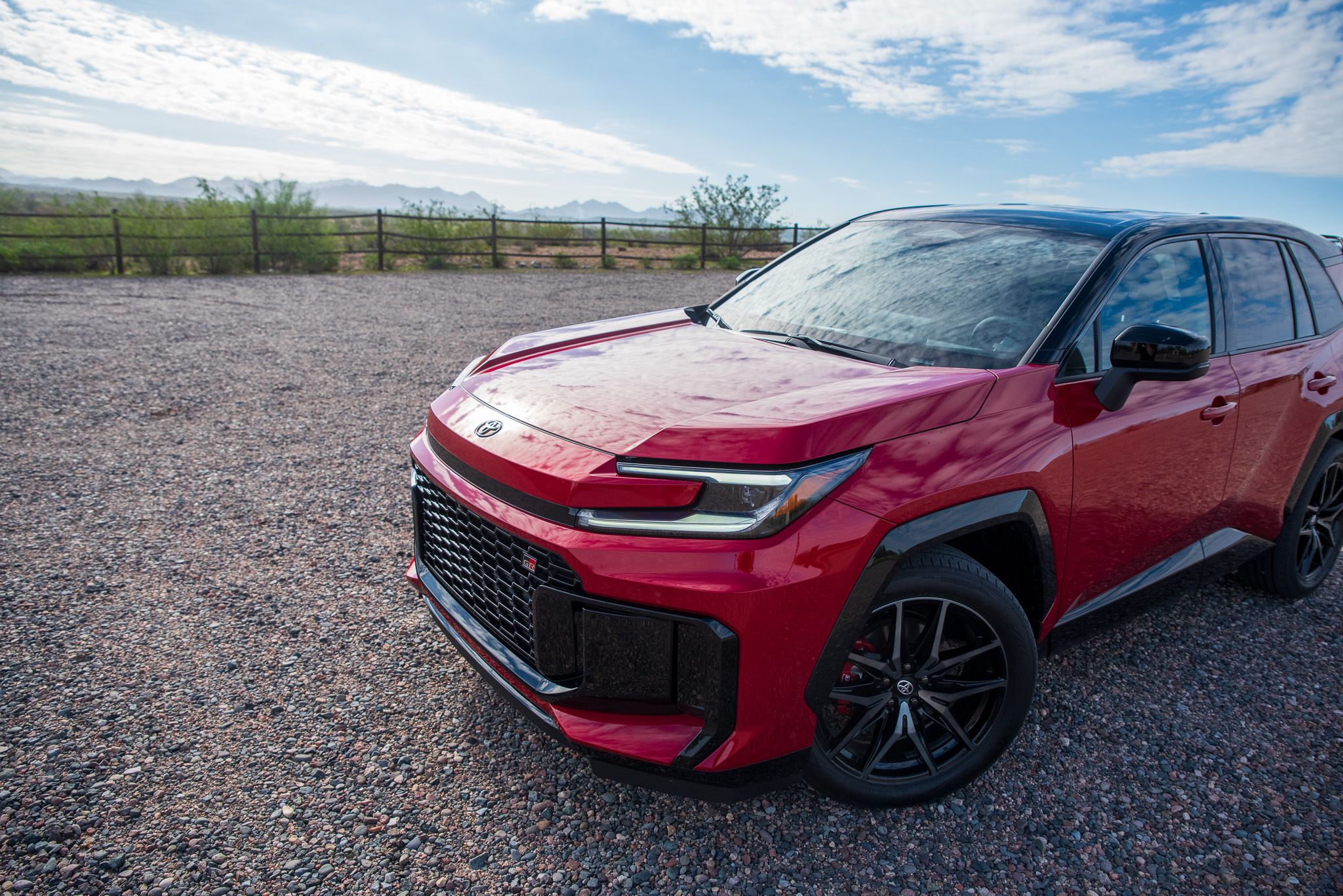
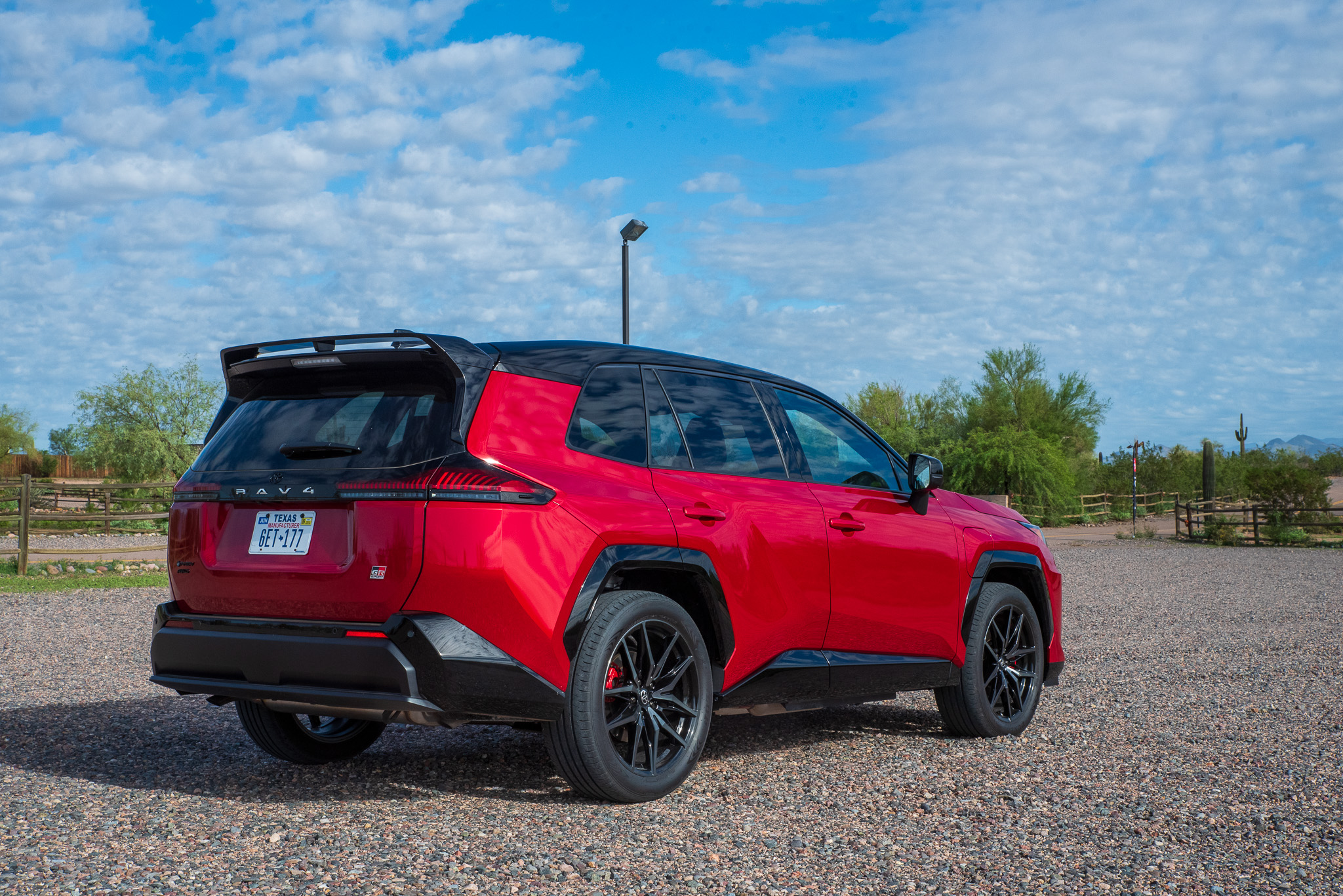
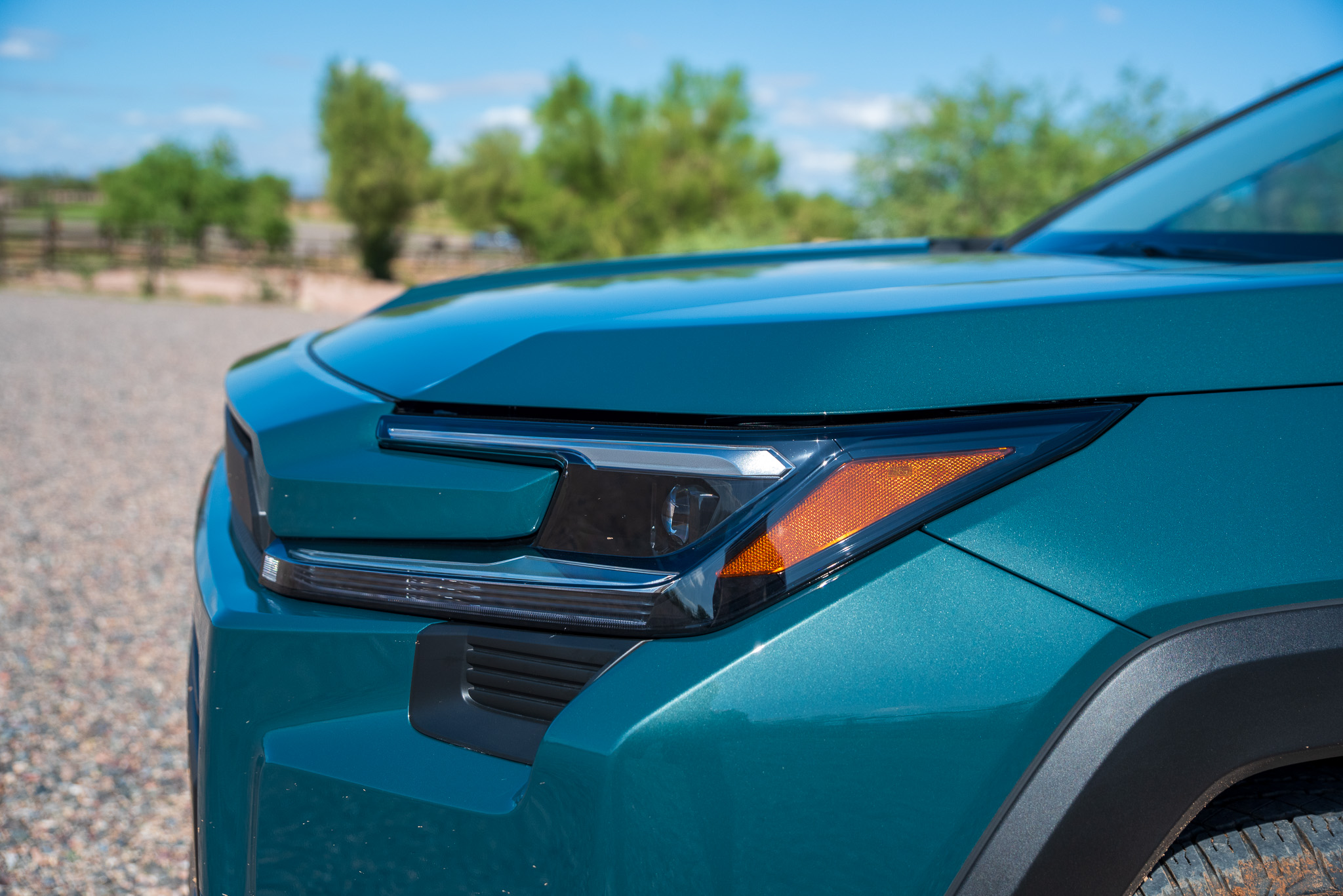

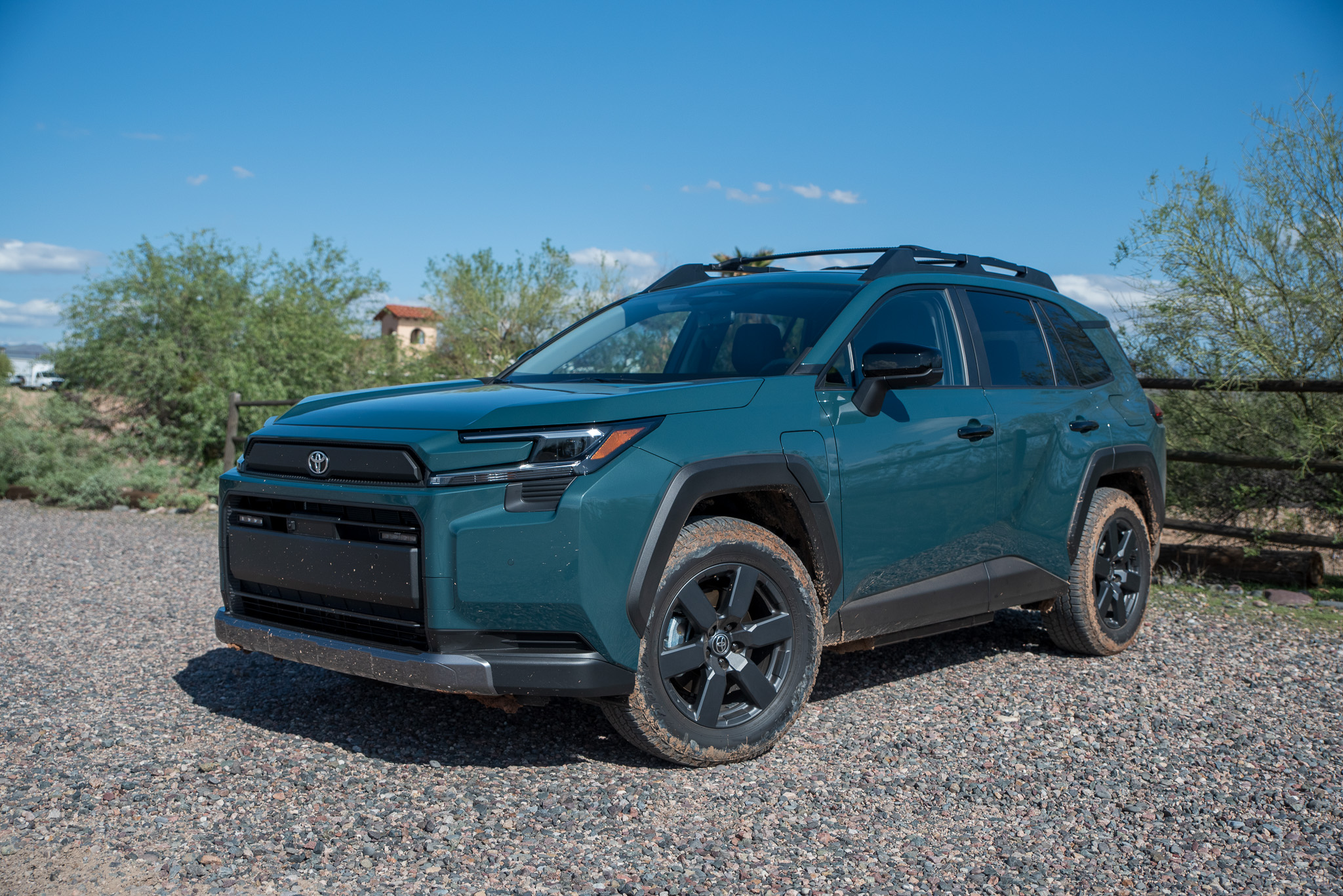
Although they might look like it—OK, the GR Sport more than the Woodland—neither of Toyota’s active lifestyle RAV4 models feels all that specialized behind the wheel. The GR Sport does ride 15mm lower than a standard RAV4 and has a wider track as well as suspension bracing, which helps it corner without so much body roll. All the Woodland has going for it in terms of off-roading is Dunlop all-terrains, a trail drive mode that helps manage traction and split torque, and downhill assist control that grinds and jerks like Toyota’s Crawl Control of yore. It’s really more about getting you to the trail with a couple of dirt bikes in tow rather than taking you on the trail.
All in all, the RAV4 shines in its core, normie trims. Those are also where the car thrives from an efficiency perspective, with the Plain Jane LE model netting an estimated 44 miles per gallon combined. Who can complain about that?
2026 Toyota RAV4 Features, Options, and Competition
You can get a new RAV4 in seven different flavors: LE, XLE Premium, Limited, SE, XSE, Woodland, and GR Sport. Every one of ’em is electrified in some way, and Toyota Safety Sense 4.0 is standard with blind spot monitoring, rear cross traffic alert, and trailer sway control. Arguably the neatest standard feature, however, is what Toyota calls its Drive Recorder.
The Drive Recorder uses the RAV4’s front and rear cameras (as well as its side-view cameras when equipped) to continuously document its surroundings. This provides the obvious perk of recording traffic accidents if or when they happen. Not only that, but the rear camera is angled in a way that it captures the car’s license plate, giving further proof for whoever might need it. And finally, it logs the location where each clip is recorded with the car’s built-in GPS. Pretty slick, huh?
You can option it up from there, with the PHEV powertrain now available on four trims—SE, XSE, Woodland, and GR Sport—compared to just two trims on the outgoing RAV4. You get unique interior colorways with each step up the trim ladder, and the fanciest ones come with Softex-trimmed seats that match the rest of the car. And for the first time in my experience testing Toyotas, the nine-speaker JBL audio system is worth springing for.
Because the 2026 RAV4 plays in the most high-volume space outside of pickup trucks, it has some formidable competition. The Honda CR-V is inarguably its biggest rival, having sold well over 400,000 units in the U.S. last year. There are other Japanese entries in the fight, from the Subaru Forester and Nissan Rogue to the Mazda CX-5, as well as the Korean Kia Sportage and Hyundai Tucson. Domestics like the Ford Escape and Chevrolet Equinox do their best on behalf of America’s automakers.
The Early Verdict
In news that shouldn’t shock a single soul, the 2026 Toyota RAV4 is good and absolutely worth considering if you need a car like it. I don’t say that to sound anti-climactic; it’s still impressive because Toyota managed to update what was old while keeping what was still good. It’s tempting to chase trends in hopes of remaining relevant, but just like any timeless artist will tell you, staying power isn’t obtained by going after fleeting fads.
The RAV4 sets the pace for every other car in the segment. It’s a luxury you’re afforded when you’re top dog, but it’s also a big responsibility. Toyota understands it well, and while it might not check every box for enthusiasts who want more excitement than anything, it’s the archetypal crossover for practically everybody else. College students and retirees alike flock to these in droves, and if I were a betting man, I’d place all my money on that continuing.
Toyota provided The Drive with travel, accommodations, and access to the vehicle for the purpose of writing this review.
| 2026 Toyota RAV4 Specs | Hybrid | PHEV |
|---|---|---|
| Price | TBA, but starting in low $30,000s | TBA |
| Powertrain | 2.5-liter four-cylinder | permanent magnet synchronous motor | eCVT | front-wheel drive or all-wheel drive | 2.5-liter four-cylinder | permanent magnet synchronous motor | 22.7-kWh lithium-ion battery | eCVT | all-wheel drive |
| Horsepower | 226 (FWD) 236 (AWD) | 324 |
| Torque | 163 lb-ft @ 3,600 rpm (engine only, combined not published) | 172 lb-ft @ 4,300 rpm (engine only, combined not published) |
| Seating Capacity | 5 | 5 |
| Curb Weight | FWD: 3,640 pounds AWD: 3,865 pounds (XLE Premium), 3,920 pounds (Limited) | 4,435 lbs. (SE) 4,430 lbs. (GR Sport) 4,500 lbs. (Woodland) 4,540 lbs. (XSE) |
| Towing Capacity | 1,750 pounds (LE FWD/AWD; SE, XLE Premium FWD) 3,500 pounds (Woodland, XLE Premium, SE, XSE, LTD AWD) | 3,500 lbs. (SE, XSE, Woodland) |
| Ground Clearance | 8.1 inches (all other grades) 8.5 inches (Woodland) | 8.1 in. (SE, XSE) 8.5 in. (Woodland) 7.5 in (GR Sport) |
| Cargo Volume | 70.4 cubic feet (behind front row with second row folded) 37.8 cubic feet (behind second row) | 63.6 cubic feet (behind front row with second row folded) 33.6 cubic feet (behind second row) |
| Manufacturer Estimated Fuel Economy | 48 mpg city/42 mpg highway/44 mpg combined (FWD) 45/39/42 (XLE Premium, XSE AWD) 44/39/42 (Limited AWD) 41/36/39 (Woodland AWD) | 44 mpg city/38 mpg highway/41 mpg combined (SE, XSE) 42/35/38 (Woodland) 41/34/37 (GR SPORT) |
| Score | 8.5/10 | 8.5/10 |

Quick Take
The archetype for livability and efficiency.

Got a tip or question for the author? Contact them directly: caleb@thedrive.com
www.thedrive.com
#Toyota #RAV4 #Drive #Review #BestSeller